
Table of Contents
- Trump’s message was simple but loaded
- The Strait of Hormuz became the pressure point
- A war still moving even as Washington talks of exit
- The diplomacy is real, but so is the ambiguity
- Netanyahu’s message adds another layer
- Why this matters far beyond the battlefield
- The next few days may define the whole story
Trump’s message was simple but loaded
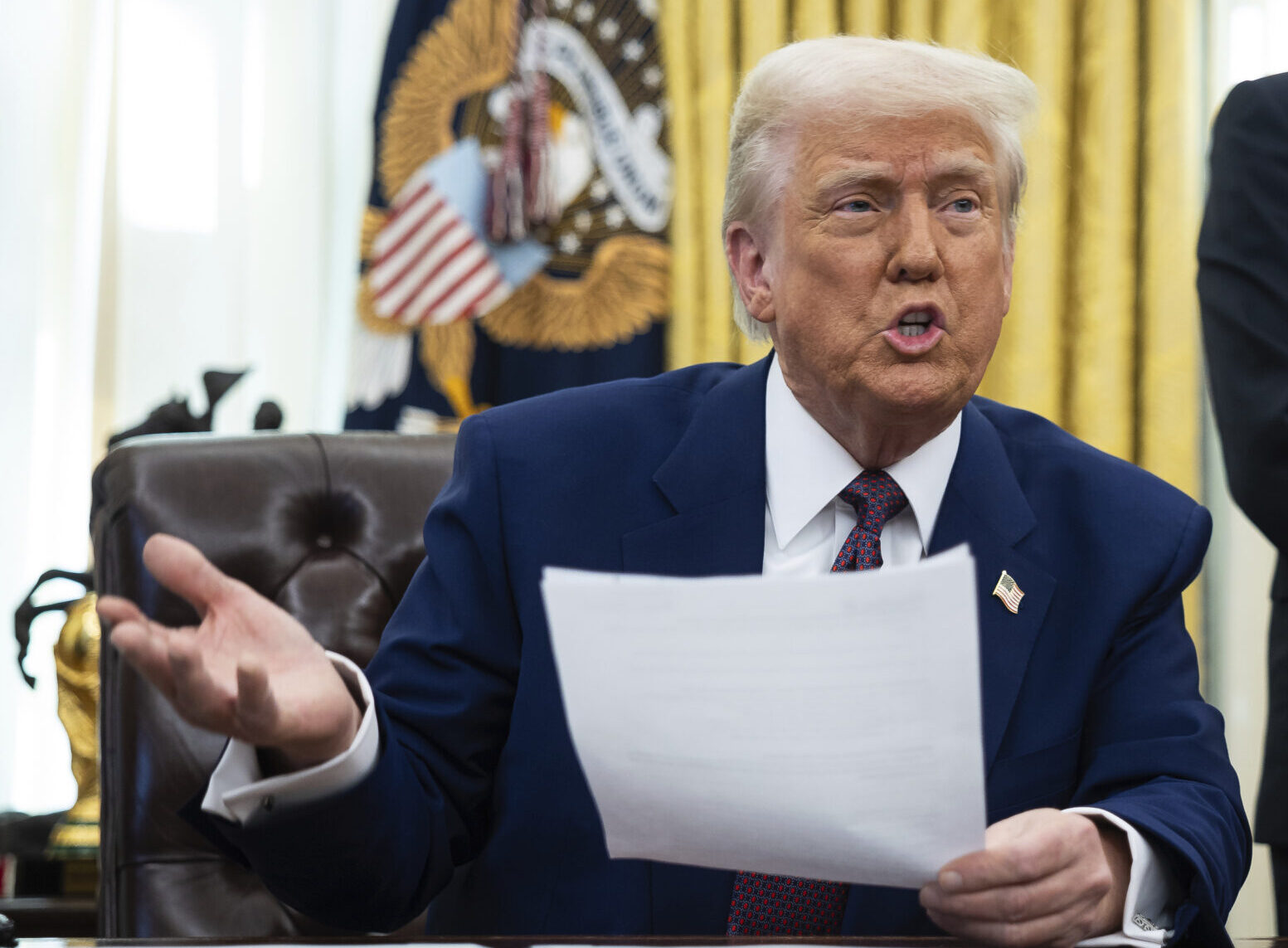
At the center of the story was a blunt promise. Trump told reporters that US operations in Iran would end “very soon” and said the military was “finishing the job.” Reuters reported that he floated a timetable of roughly two to three weeks. He also made clear that a negotiated settlement was not the condition for withdrawal. Instead, his standard appeared to be strategic degradation. Once Iran, in his words, had been reduced to the point that it could not rebuild toward a nuclear capability, the United States would leave.
That language matters because it frames the war less as a mission tied to a signed political settlement and more as a campaign built around punishment, deterrence, and military exhaustion. For supporters, that may sound decisive. For critics, it sounds dangerously elastic. If the goal is to judge when Iran has been pushed back far enough, who makes that call, and what standard proves it. Those are the kinds of questions that turn bold political promises into messy strategic debates.
Trump also attached his exit message to a second argument, one tied to energy prices and America’s global role. He suggested that once the United States leaves Iran, oil pressures would ease and others would have to look after their own interests. That linked the military campaign, the fuel debate, and his long standing complaints about allied burden sharing into a single message meant for both domestic voters and foreign governments.
The Strait of Hormuz became the pressure point
A major reason Trump’s comments resonated so strongly is that the war has become inseparable from the crisis in the Strait of Hormuz. The waterway remains one of the most important oil shipping lanes in the world, and Reuters reported that US officials have described it as carrying about a fifth of global oil and gas shipments. Trump has increasingly argued that securing that passage should not automatically remain an American responsibility. Instead, he said countries dependent on Gulf energy should be prepared to protect their own access.
His phrasing was strikingly transactional. He told reporters that if countries such as France or China need oil or gas, they can go through the strait themselves and “fend for themselves.” The message was unmistakable. The United States, after doing what he views as the hardest part of the war, should not be expected to carry the full military burden of restoring energy flows for nations that did not support Washington’s campaign. This was vintage Trump rhetoric, but in a war zone rather than a trade dispute.
That stance could have real consequences. The Strait of Hormuz is not just a symbolic corridor. It is a choke point whose instability can send shockwaves through global fuel markets, shipping costs, inflation, and broader economic confidence. By hinting that the US may step back from direct responsibility there, Trump was sending a message that allies and major importers may soon face harder choices of their own.
A war still moving even as Washington talks of exit
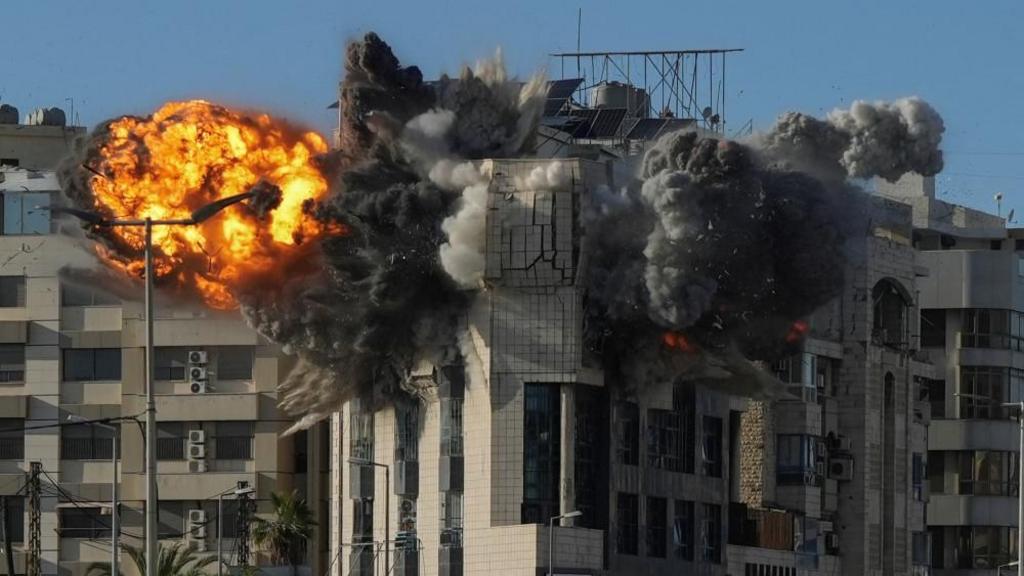
If Trump’s remarks sounded like a closing chapter, battlefield realities suggest the conflict is not yet neatly contained. Reuters reported fresh attacks across the Gulf even as Washington signaled that it wanted a swift end. Drones struck Kuwait’s airport, a facility in Bahrain caught fire after Iranian attacks, and a tanker was damaged near Qatar. At the same time, US and Israeli strikes continued inside Iran. In other words, the administration is speaking the language of conclusion while the region still looks like an active war theater.
That contradiction is one reason the coming days matter so much. Exit language can calm markets and appeal to war weary voters, but if strikes continue and retaliation spreads, the promise of a near term end becomes harder to sustain. This is exactly why defense officials have sounded both confident and cautious. Pete Hegseth said the “upcoming days will be decisive,” a phrase that suggests there is still a window in which the war could either narrow toward settlement or widen again through miscalculation.
The diplomacy is real, but so is the ambiguity
Behind the military rhetoric lies a shadowy diplomatic track that remains difficult to define. Reuters reported that Trump’s administration has been pursuing talks with Iranian authorities even while the air campaign continues. But Iran has denied that formal negotiations are underway. Iranian Foreign Minister Abbas Araghchi said he still receives messages from US envoy Steve Witkoff, but stressed that this does not mean the sides are in negotiations. That distinction is crucial because it reveals a familiar wartime reality. Communication can exist without trust, and contact can exist without a real peace process.
Iranian President Masoud Pezeshkian has also signaled that Tehran has the “necessary will” to end the war, provided there are guarantees that the conflict will not simply restart later. That condition speaks volumes. Iran appears to be saying that a ceasefire without credible protection from renewed attacks would be meaningless. It also suggests Tehran is trying to move the conversation away from surrender and toward enforceable security terms.
This creates a tension that could define the next stage of the crisis. Trump says a deal may not matter. Tehran says guarantees matter deeply. Between those two positions lies the space where either a fragile endgame emerges or the war keeps burning even as both sides claim they want it over.
Netanyahu’s message adds another layer
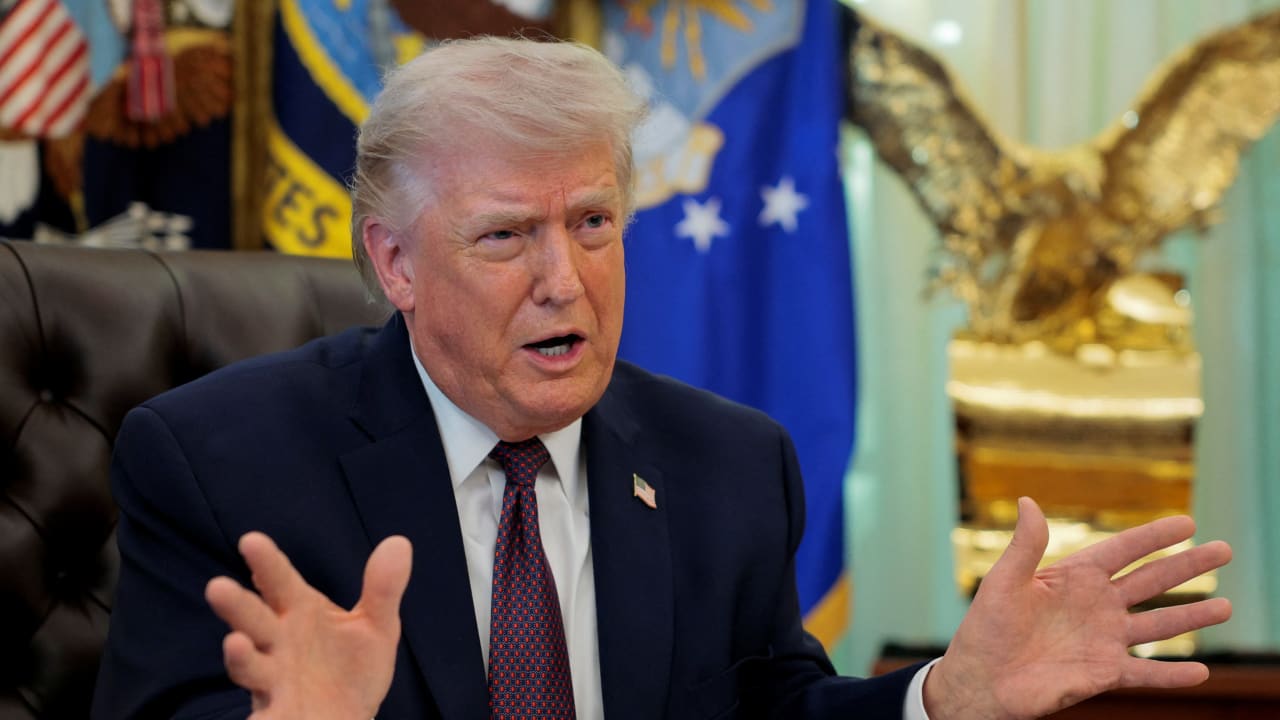
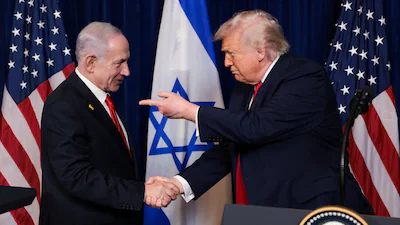
Trump is not shaping this war alone. Israeli Prime Minister Benjamin Netanyahu has framed the campaign in much broader regional terms. In public remarks, he said the joint effort against Iran’s leadership had “changed the face of the Middle East” and vowed that Israel would continue to crush what he called Iran’s terror regime. Those words matter because they suggest Israel sees the war as part of a larger transformation, not merely a short military episode with a narrow objective.
That creates an obvious strategic question. Can the United States truly leave “very soon” if Israel believes the broader restructuring of the regional balance is still underway. Washington may want an exit narrative. Israel may see momentum it does not want to lose. Those are not necessarily incompatible positions, but they are not automatically aligned either.
Reuters also reported earlier in March that Israeli officials said the war may take “some time,” even if not years. That phrasing captures the core uncertainty surrounding Trump’s latest promise. A US drawdown may indeed come soon, but the broader conflict landscape that Washington helped ignite may not calm on the same schedule.
Why this matters far beyond the battlefield
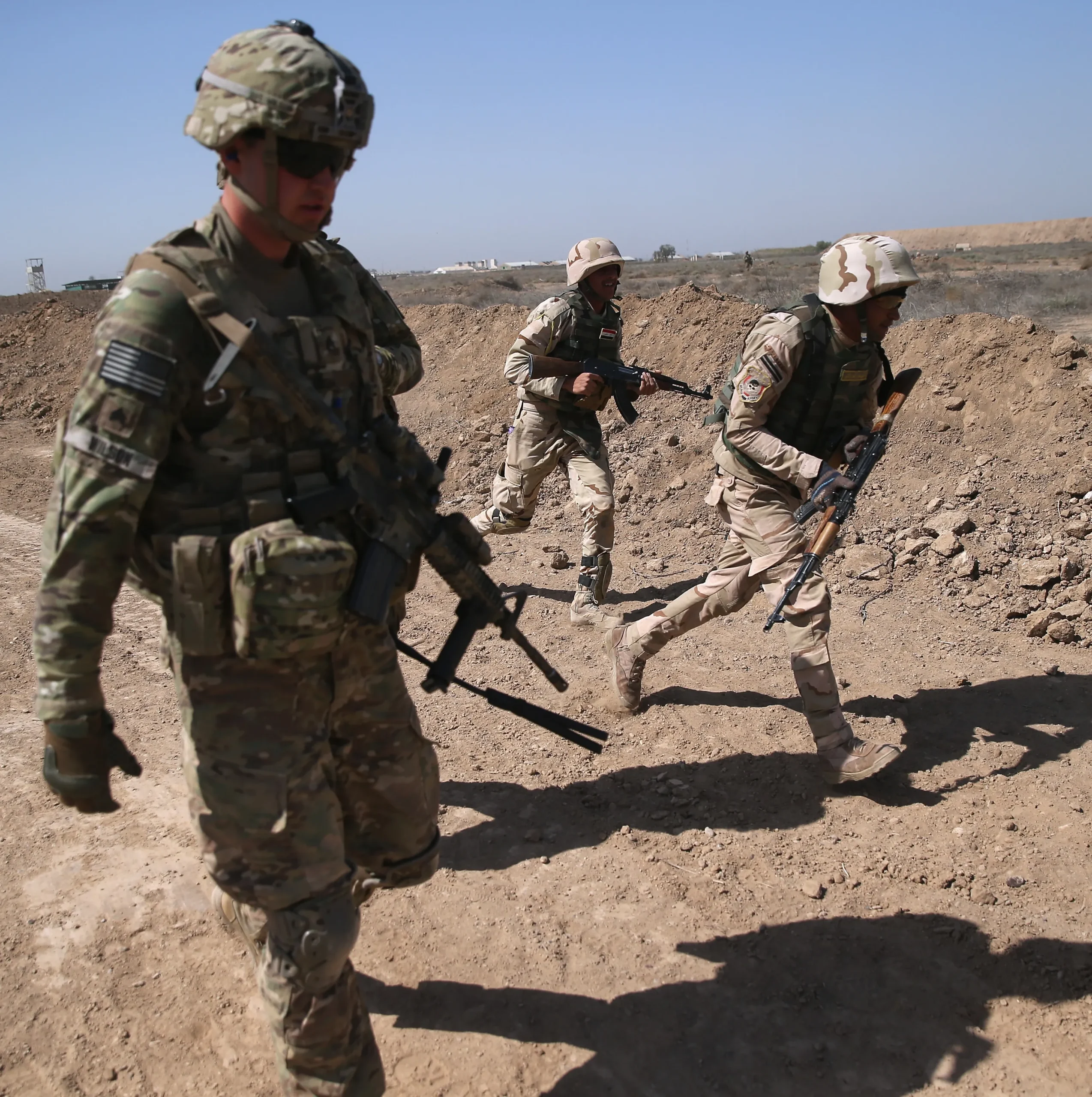
This story is not only about military timelines. It is about how presidents sell war endings, how allies absorb sudden shifts in US policy, and how energy fears shape political urgency. Reuters reported that the conflict has already driven sharp moves in oil markets, adding inflation pressure and political stress at home. If Trump can convince voters that the hardest part is over and that an exit is near, that becomes a powerful domestic message. If fuel prices remain high and the strait stays unstable, the politics look very different.
It also matters because Trump’s remarks fit a broader pattern in his foreign policy style. He often combines muscular force with impatience toward long term commitments. He wants visible results, clear burdens for others, and a narrative in which America stops paying to manage every crisis once it has asserted dominance. His Iran comments carried all of those themes at once. Bomb hard, declare the enemy broken, tell other countries to handle their own exposure, and prepare to walk away.
The next few days may define the whole story
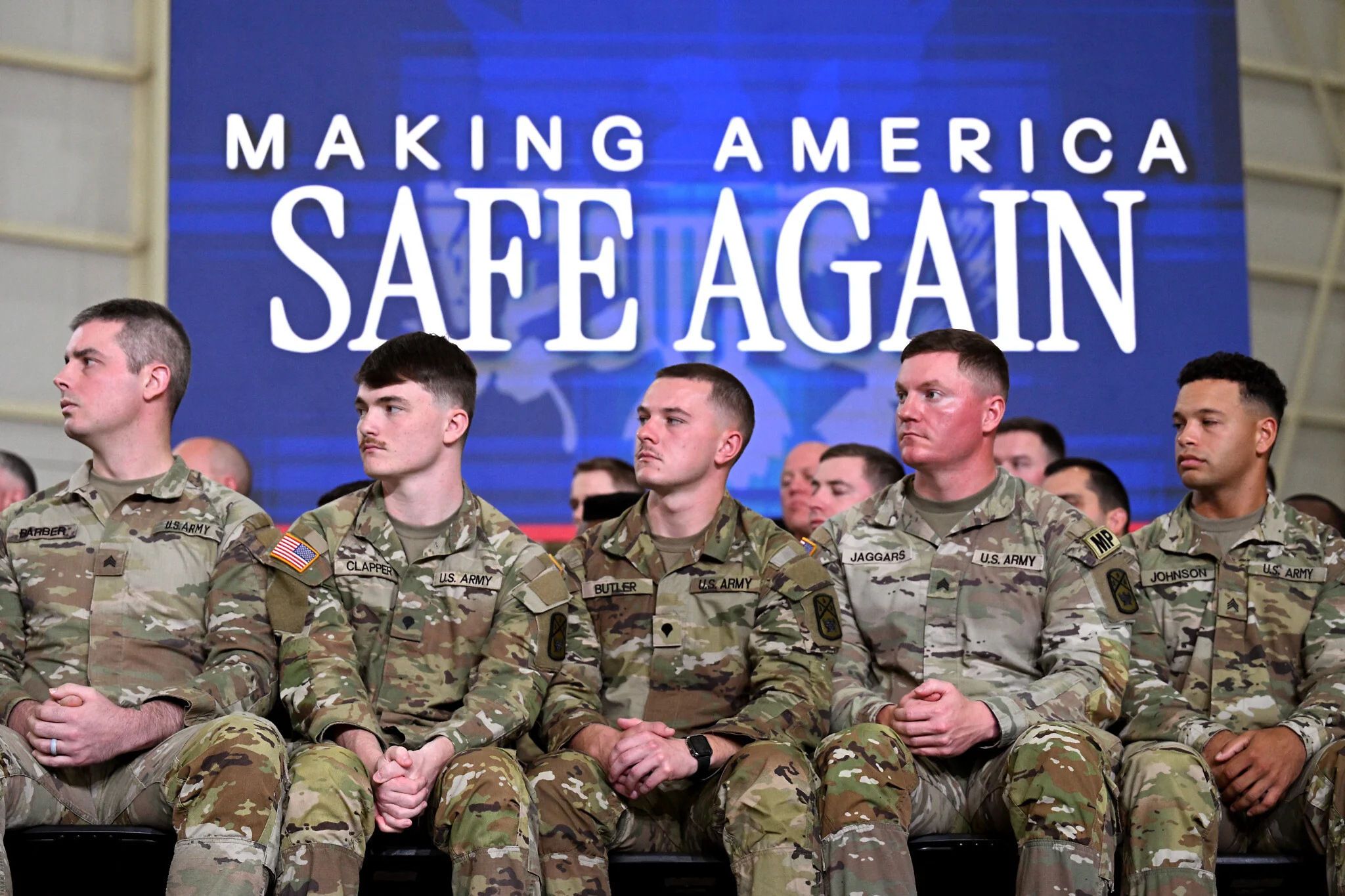
For now, the war sits at an unstable intersection of pressure and possibility. Washington says the mission could be nearing completion. Tehran says it wants an end but demands guarantees. Israel says the regional map has already changed and may change further. Defense officials say the coming days are decisive. That combination is exactly why this moment feels bigger than a routine wartime update. It is a hinge point.
If Trump’s promised address sets out a credible path toward de escalation, March 31 may be remembered as the moment the administration began turning military escalation into an exit strategy. But if the fighting intensifies, the Strait of Hormuz remains paralyzed, and diplomacy stays half hidden and half denied, then these remarks may come to look less like a roadmap and more like another dramatic marker in a conflict still searching for its end.
In the end, Trump’s declaration that America will leave Iran “very soon” is powerful precisely because it mixes confidence with uncertainty. It promises closure while the region still burns. It declares success before any public settlement exists. It tells allies to prepare for more responsibility even as global markets remain on edge. And it leaves the world with one unresolved question hanging over every new strike, every diplomatic message, and every oil tanker waiting near the strait. Is this truly the beginning of the end, or only the start of another unpredictable chapter in a war that has already redrawn the Middle East.