
Table of Contents
- Finland’s Consistent Dominance in Global Happiness Rankings
- How Finland Achieved the Top Spot Year After Year
- The Nordic Influence: Denmark, Iceland, and Sweden Follow Close Behind
- The United States: A Decline in Happiness Rankings
- The UK and Canada: Struggles in the Rankings
- The Least Happy Countries: Afghanistan, Sierra Leone, and Others
- Why Generosity and Social Support Matter
- The Role of Healthy Life Expectancy in Happiness
- What Can Other Countries Learn from Finland?
- What Finland’s Happiness Ranking Means for the Future
- The Bigger Picture: A Global Pursuit of Happiness
Finland’s Consistent Dominance in Global Happiness Rankings
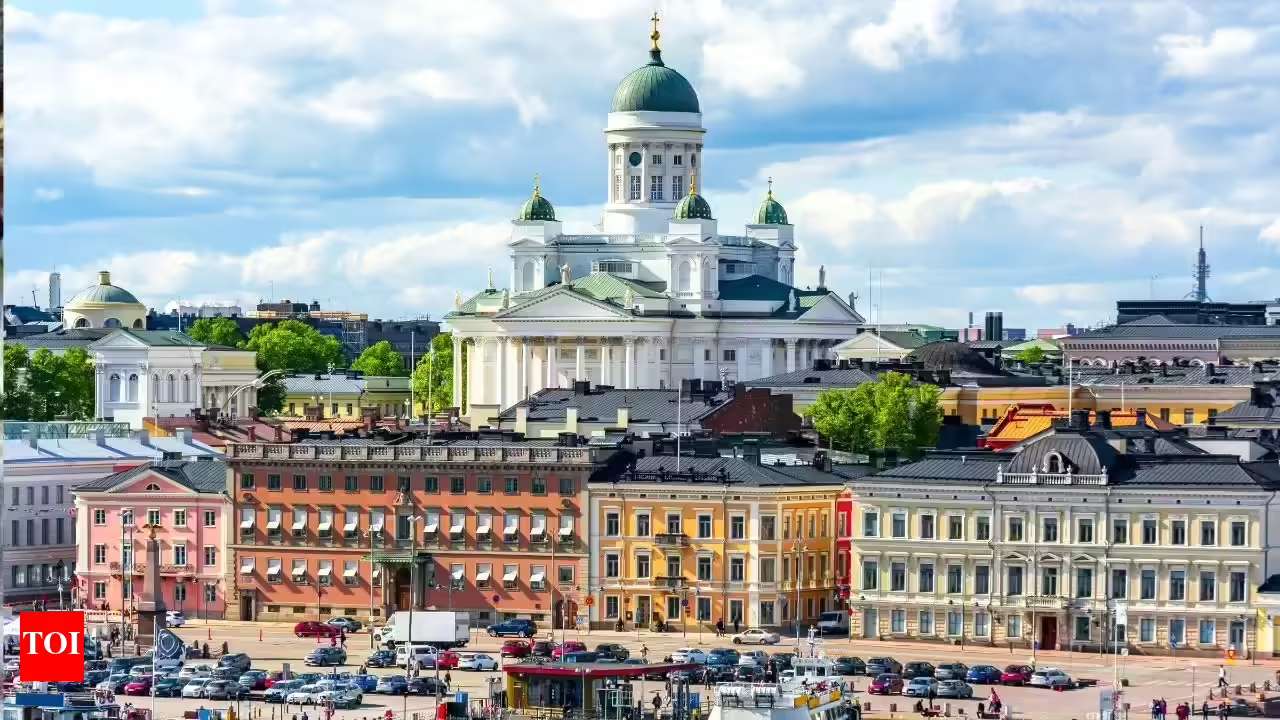
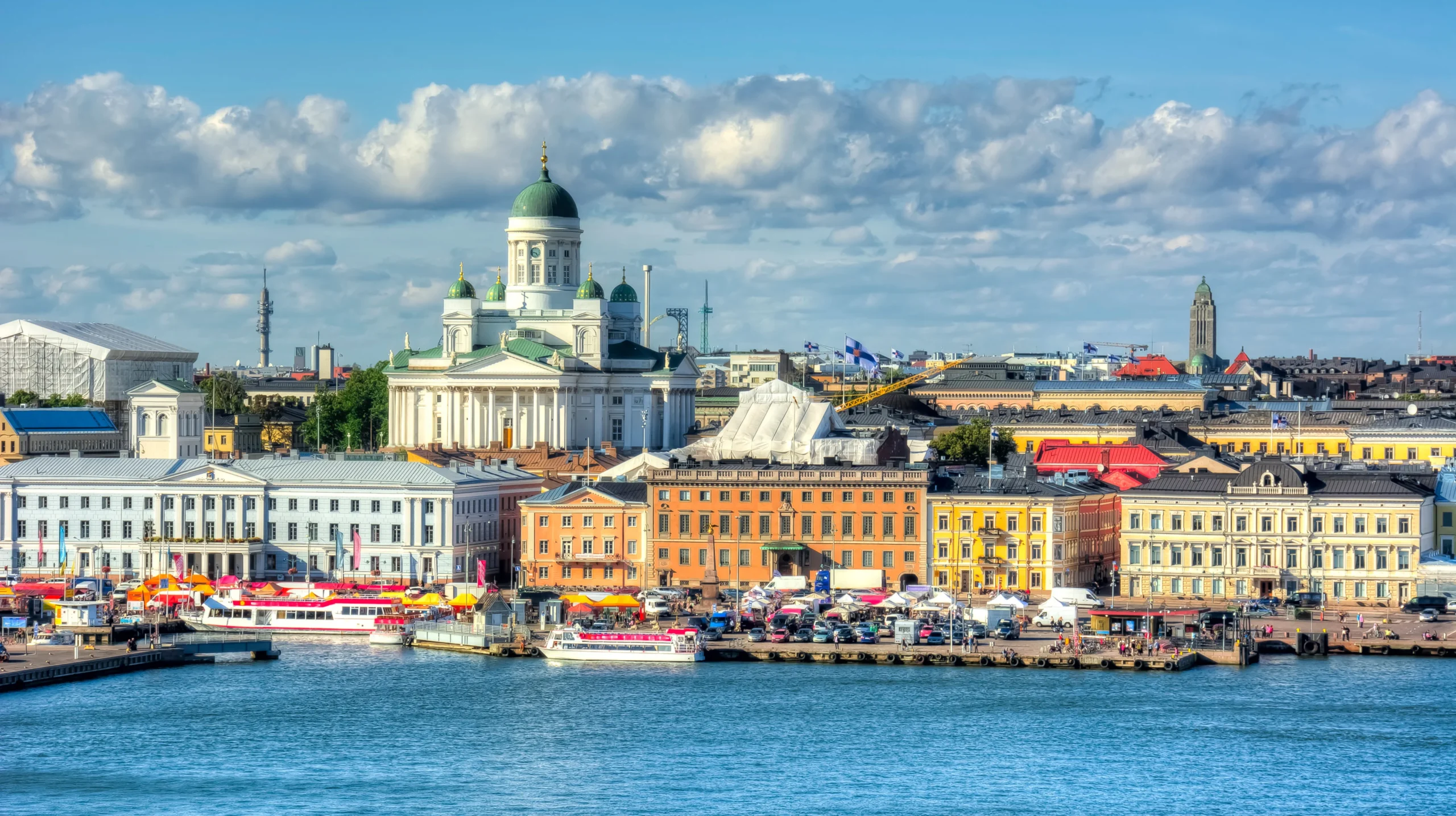
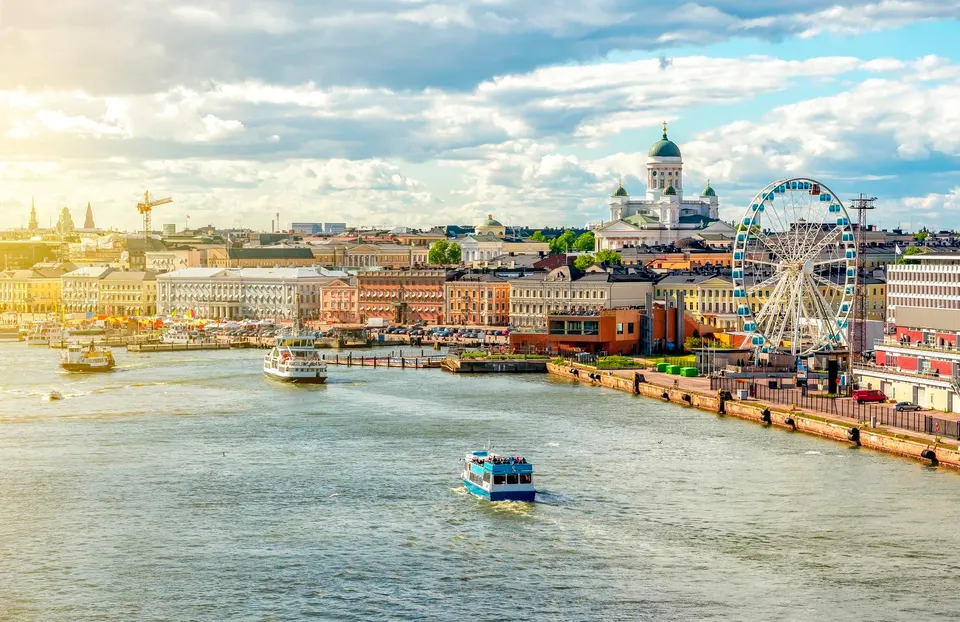
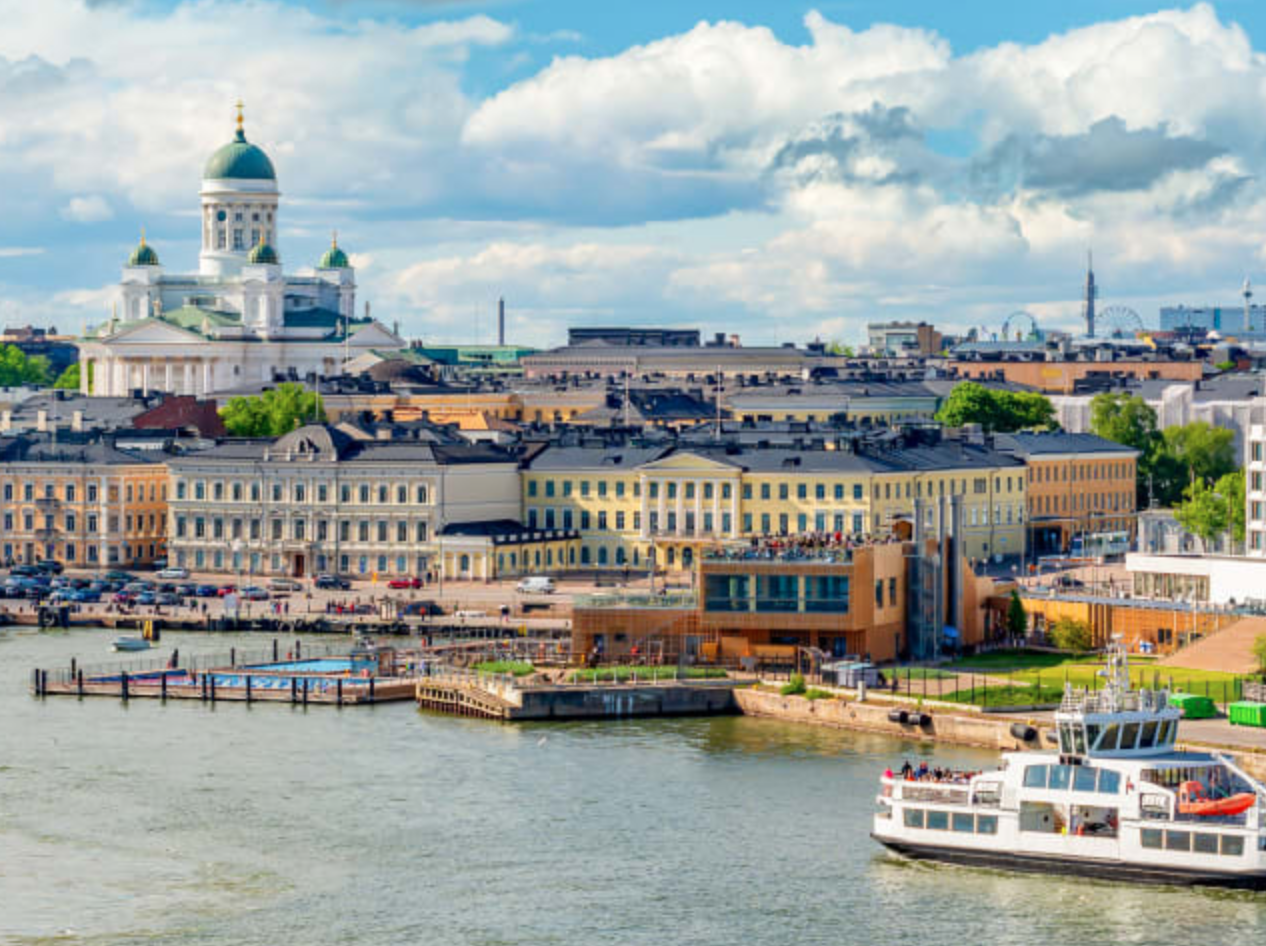
The World Happiness Report is more than just a yearly ranking; it reflects the quality of life in 147 countries worldwide. Finland, for the eighth year in a row, has been named the happiest country, outperforming all others in a wide range of categories. The rankings are based on Gallup World Poll data, where citizens from over 140 countries report their overall satisfaction with life. Finland’s score remains exceptionally high, showcasing its successful social policies and the resilience of its people.
So, what makes Finland so happy? The country consistently scores well in key metrics, such as healthy life expectancy, social support, and income equality. But beyond statistics, Finland has built a society where well-being is not just a luxury but a fundamental part of the national ethos. Finnish citizens enjoy a comprehensive welfare system, universal healthcare, a world-class education system, and an impressive social safety net, which reduces economic inequality and creates a robust foundation for personal fulfillment. The Nordic model of governance has long been admired for its strong focus on social welfare, and Finland’s continued success only highlights the effectiveness of such an approach.
How Finland Achieved the Top Spot Year After Year

One of the main reasons Finland continues to dominate the happiness rankings is its ability to balance economic prosperity with a high standard of living. The country is known for its efficient government, transparent policies, and low levels of corruption. Finnish people enjoy a strong sense of trust in their government, which is one of the pillars of their social cohesion. This trust is crucial in fostering a culture of cooperation and shared responsibility, which plays a large role in the country’s overall happiness.
Another significant factor in Finland’s success is its high-quality healthcare system, which provides universal coverage to all citizens. Finnish people benefit from access to medical care that is not only comprehensive but also preventive in nature, helping to ensure a healthier population in the long run. Furthermore, the country’s emphasis on education and personal development gives individuals the tools they need to succeed in their careers and in life, creating a sense of personal agency and fulfillment.
The Nordic Influence: Denmark, Iceland, and Sweden Follow Close Behind
While Finland claims the top spot, it is not alone in its success. The Nordic countries consistently perform well in the World Happiness Report, with Denmark, Iceland, and Sweden rounding out the top rankings. These countries share many of the same traits that have contributed to Finland’s success, including strong social support systems, effective governance, and a high level of civic trust. As a result, the Nordic region has earned a reputation for being one of the happiest in the world.
These countries have also made a point of prioritizing environmental sustainability, green spaces, and work-life balance, which contribute to overall well-being. For example, Denmark’s emphasis on “hygge” – a lifestyle centered around comfort, warmth, and well-being – is something that many other countries are trying to emulate. Iceland’s vast natural beauty and emphasis on renewable energy make it a particularly unique case in the rankings, and Sweden’s comprehensive social policies continue to help its citizens achieve a high standard of living.
The United States: A Decline in Happiness Rankings
In stark contrast to the Nordic countries, the United States saw a decline in its happiness ranking, falling to 24th place in the latest World Happiness Report. This marks the country’s lowest position yet, signaling a shift in public sentiment about the state of the American Dream. While the U.S. remains one of the wealthiest countries in the world, its relatively poor performance in social support, healthcare access, and overall life satisfaction has contributed to its dip in the rankings.
Experts have noted that while Americans enjoy a relatively high GDP per capita, many citizens feel a lack of social safety nets, rising income inequality, and an erosion of trust in government institutions. These factors have undermined the general sense of well-being that has traditionally defined the American experience. The decline in happiness rankings reflects a growing awareness that economic success alone does not guarantee happiness, and that a more holistic approach to societal well-being is necessary.
The UK and Canada: Struggles in the Rankings
Other countries have also seen a decline in their happiness scores. The United Kingdom, for instance, reported its lowest average life evaluation since 2017. This decline comes amid political uncertainty, economic challenges, and concerns over social services. The ongoing impact of Brexit and its associated disruptions, combined with increasing wealth inequality, has left many Britons feeling dissatisfied with their quality of life.
Canada, while still maintaining a position in the top 20, has also experienced a slight decline in its happiness ranking. The country is grappling with challenges related to healthcare, housing affordability, and social division. Although Canada continues to be viewed as a desirable place to live, the country’s recent drop in rankings highlights that even well-established nations must remain vigilant in preserving the factors that contribute to happiness.
The Least Happy Countries: Afghanistan, Sierra Leone, and Others
On the opposite end of the spectrum, Afghanistan was ranked as the least happy country in the world, followed by Sierra Leone, Lebanon, Malawi, and Zimbabwe. These nations face significant challenges related to political instability, violence, poverty, and lack of access to basic services. In many of these countries, life expectancy is low, education is limited, and social support systems are either underdeveloped or non-existent.
The lack of economic opportunities, poor healthcare infrastructure, and high levels of corruption contribute to a pervasive sense of disillusionment among citizens. In these nations, the struggle for basic survival often overshadows any concerns about overall happiness, making it difficult for individuals to feel secure or optimistic about their future. The World Happiness Report highlights the importance of addressing these issues in order to improve quality of life and create a more sustainable, happy society.
Why Generosity and Social Support Matter
One of the key factors influencing a nation’s happiness is the level of generosity and social support within society. Finland consistently scores high in both categories, with a strong sense of community and mutual support among its citizens. This is evident in the country’s welfare programs, which provide universal healthcare, education, and social security to all residents, ensuring that no one is left behind.
Generosity, both at the individual and institutional level, plays a crucial role in fostering happiness. Finland’s citizens are known for their willingness to help others, whether through charitable donations, volunteering, or offering emotional support. This sense of solidarity helps create a positive feedback loop, where people feel good about giving and, in turn, receive social support when they need it most.
The Role of Healthy Life Expectancy in Happiness
Healthy life expectancy is another critical factor in determining a country’s happiness ranking, and Finland excels in this area. The country boasts one of the highest life expectancies in the world, thanks to its robust healthcare system and emphasis on preventative care. Finnish citizens have access to high-quality medical services and enjoy a healthy lifestyle, with low rates of chronic diseases and obesity.
A healthy population is more likely to experience a higher quality of life, as people are able to participate more fully in social and economic activities. Finland’s focus on health and wellness, coupled with its emphasis on mental well-being, contributes significantly to its high happiness score.
What Can Other Countries Learn from Finland?
Finland’s success in the World Happiness Report offers valuable lessons for other nations looking to improve the well-being of their citizens. The key takeaway is that economic prosperity alone is not enough to ensure happiness. Countries must also prioritize social support, health, education, and equality in order to create a thriving society.
Finland’s model shows that when governments invest in the well-being of their citizens, both individually and collectively, happiness naturally follows. This includes providing access to high-quality healthcare, creating strong social safety nets, and fostering a sense of community and solidarity. Nations that prioritize these factors, as Finland has done, will likely see improvements in their own happiness rankings, as well as a stronger, more resilient society.
What Finland’s Happiness Ranking Means for the Future
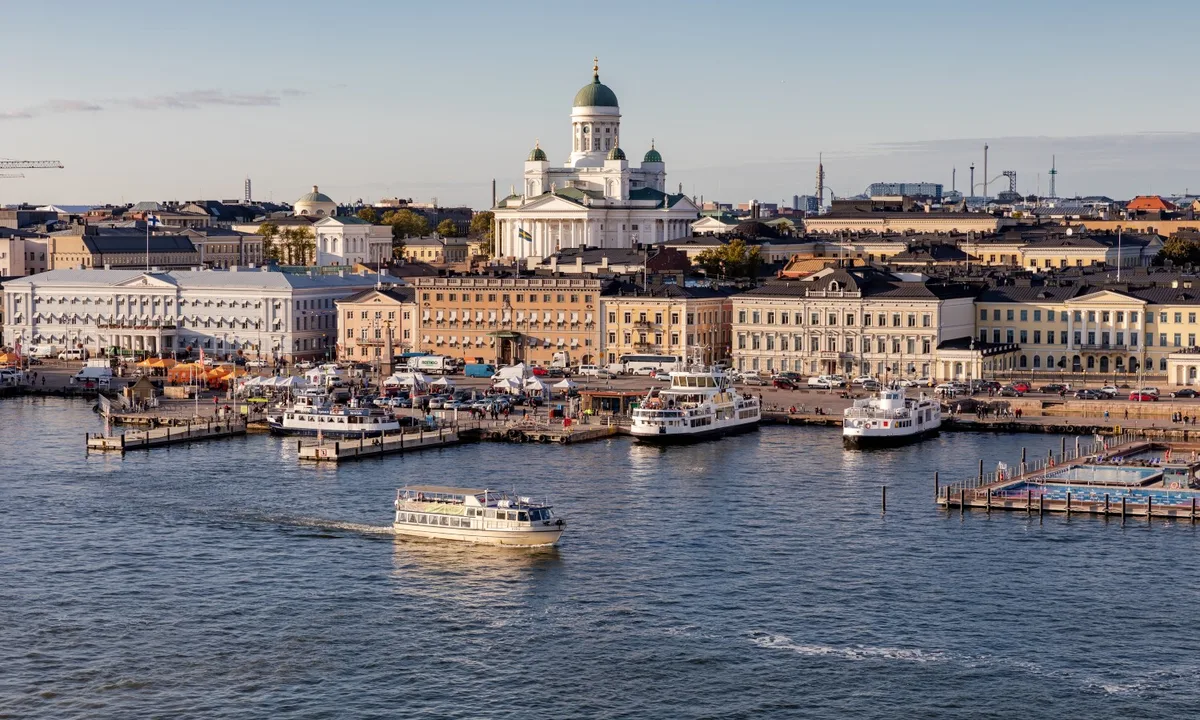
As Finland’s reign as the world’s happiest country continues, it serves as a reminder of the importance of building a society that supports the well-being of all its citizens. The ongoing success of Finland’s social policies, combined with its commitment to equality, education, and healthcare, makes it a model for other nations to emulate.
While the United States, the UK, and Canada have faced challenges in the rankings, Finland’s continued dominance underscores the need for countries to rethink their approach to social policy. As global challenges such as climate change, political instability, and economic inequality continue to rise, nations must prioritize happiness as a key metric of success.
In the coming years, Finland’s example may inspire a new wave of policy reforms that emphasize well-being over mere economic growth. As more countries recognize the value of investing in their citizens’ happiness, we could see a global shift toward a more equitable, sustainable, and fulfilling future for all.
The Bigger Picture: A Global Pursuit of Happiness
While Finland stands at the top, the rankings serve as a reminder that happiness is not a fixed concept. It is a dynamic, evolving measure of a nation’s ability to meet the needs and desires of its people. As nations work to improve their quality of life, Finland’s model offers a valuable blueprint for achieving lasting happiness and well-being for all. By learning from Finland’s success and focusing on the pillars that support happiness, other countries can create environments where people not only survive but thrive.