
Table of Contents
- President’s Confidence in Military Success
- Military Objectives: A Shift in Focus
- Claims of Regime Change: Unverified and Controversial
- Military Pressure and the Straits of Hormuz
- Fuel Price Surge and Economic Fallout
- The Military’s Next Moves: A Threat of Further Destruction
- Lack of an Exit Plan: Criticism from Opponents
- Global Consequences of the War
- A Prolonged Conflict: What It Means for the Future
- The Endgame: A Nation Divided on War Strategy
President’s Confidence in Military Success
In the address, Trump emphasized the successes of the U.S. military, attributing the overwhelming victories to the superiority of American forces. “We’re going to finish the job. And we’re going to finish it very fast. We’re getting very close,” he declared, showcasing his confidence in the ongoing military operation. However, despite the boastful claims of victory, the president offered few concrete details on how the objectives would be achieved or when the conflict would end.
Military Objectives: A Shift in Focus
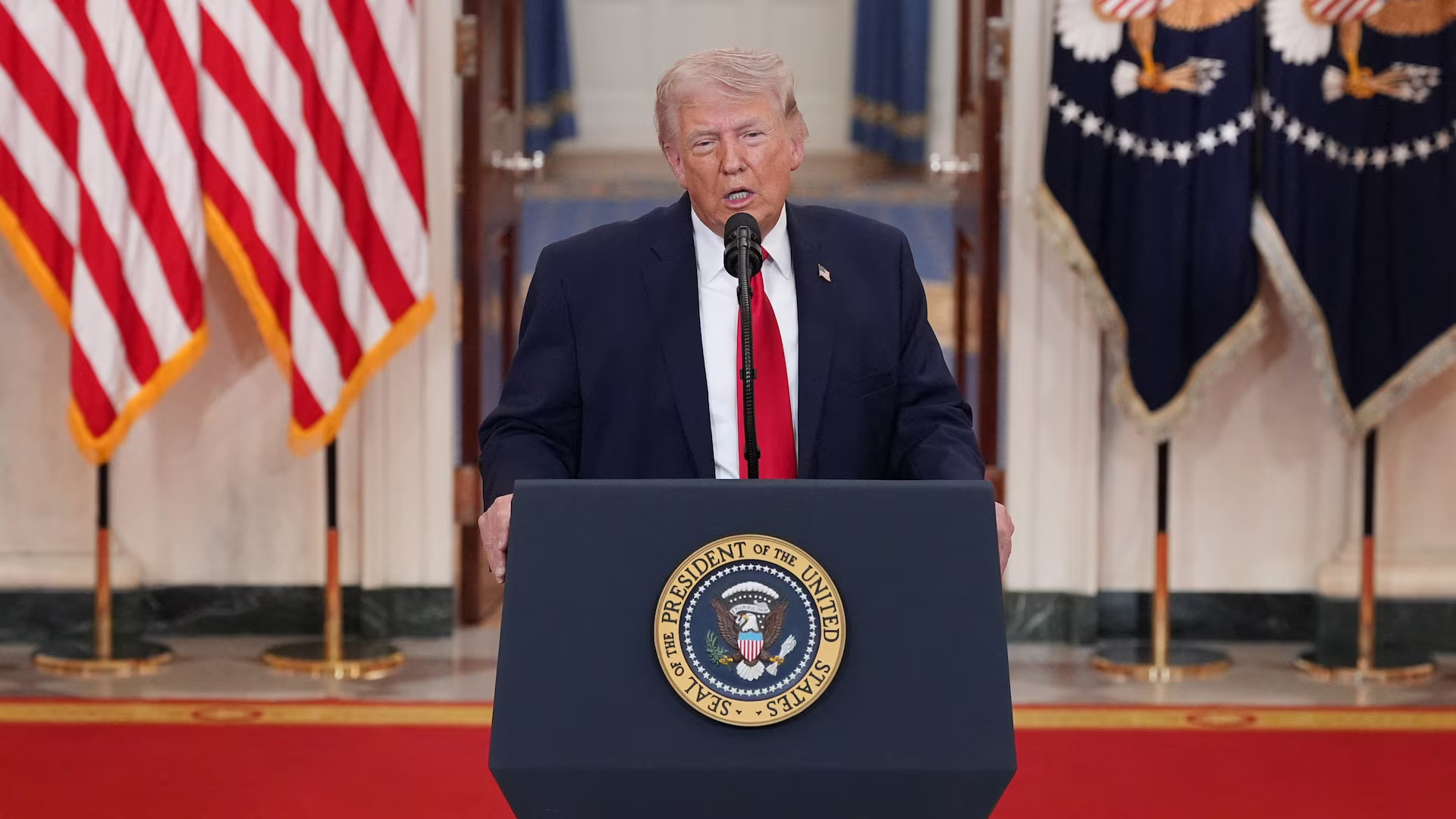
Trump outlined the original military goals announced shortly after the conflict began in February. These objectives included defending American citizens by eliminating Iranian threats, preventing destabilizing militia actions, destroying Iran’s missile capabilities, and ensuring Iran could never obtain a nuclear weapon. While these aims were outlined early on, the president failed to clarify whether they had been fully met or if they had shifted since the start of the operation. Democrats criticized the lack of a clear, consistent strategy, accusing Trump of being vague about the war’s ultimate goals.
Claims of Regime Change: Unverified and Controversial
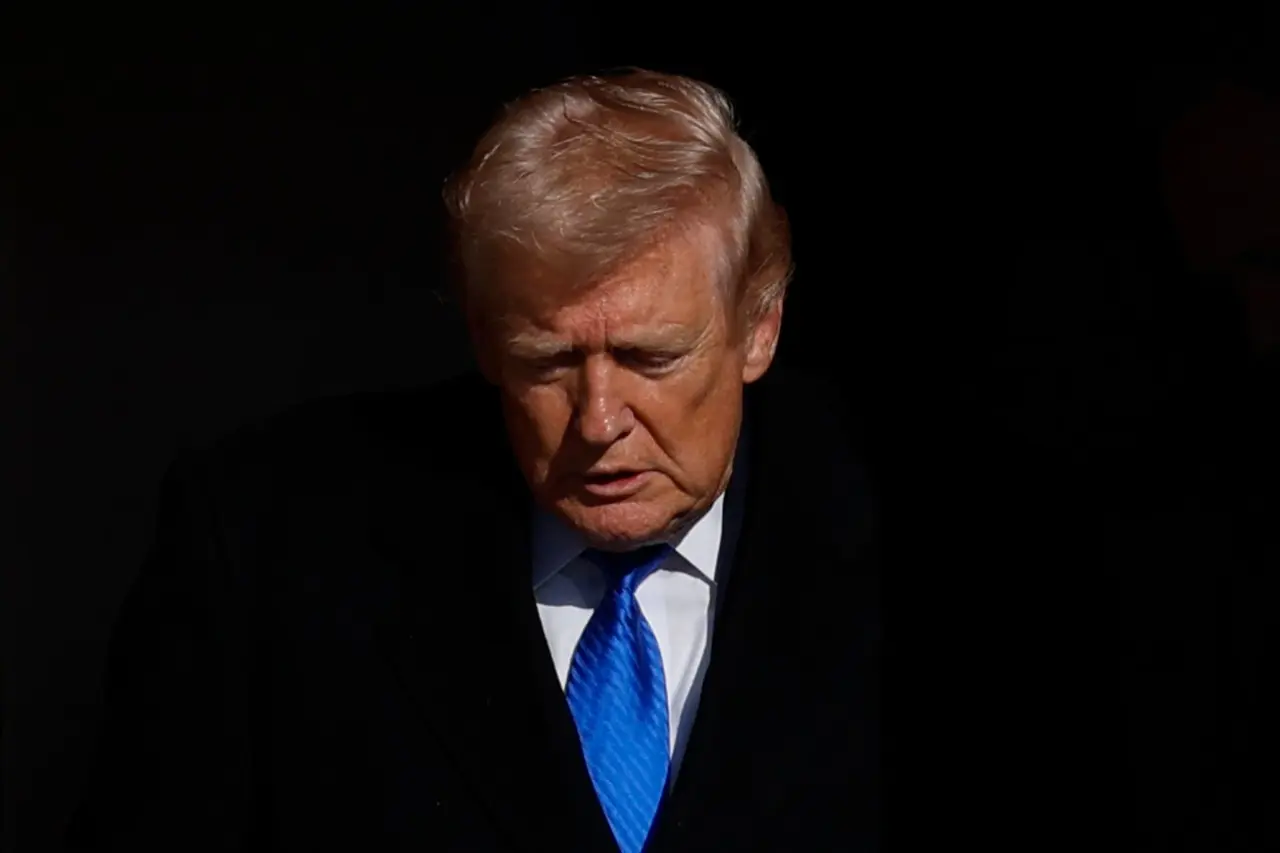
Trump’s address also included controversial claims about the status of the Iranian regime. He asserted that regime change had already taken place, despite no clear evidence of such a shift in leadership. “Regime change has occurred,” Trump declared, but analysts have questioned the validity of this statement, as no fundamental changes in Iran’s government structure have been observed. The lack of verification for such a claim has sparked confusion both domestically and internationally.
Military Pressure and the Straits of Hormuz
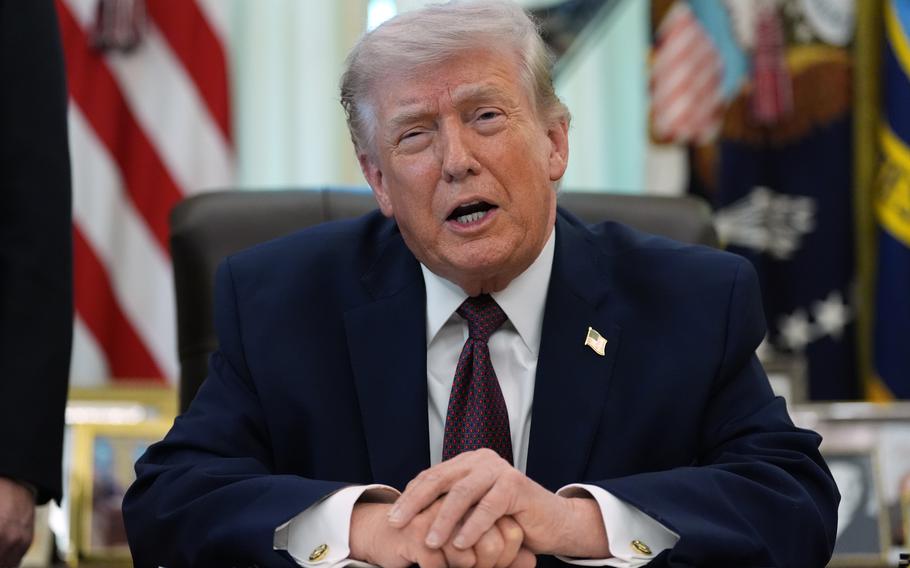
One of the critical points raised by Trump was the blockade of the Strait of Hormuz by Iranian forces. This maritime chokepoint, through which approximately 20% of global oil supply flows, has been targeted by Iran’s military, causing significant disruption in global energy markets. Trump called on countries that rely on oil passing through the strait to take responsibility for protecting the passage. “They must cherish it. They must grab it and cherish it,” he urged, encouraging these nations to take control of the strategic oil route and relieve some of the pressure on global supply chains.
Fuel Price Surge and Economic Fallout
The ongoing war and the blockade of the Strait of Hormuz have had a major impact on fuel prices, with oil prices spiking to $106.05 a barrel, compared to $72 before the war began. This rise in fuel prices has hit American consumers hard, leading to higher gas prices at the pump. Trump acknowledged the economic toll the war has taken on ordinary Americans but emphasized that the alternative—allowing Iran to obtain nuclear weapons—would be far worse. According to Trump, Iran’s potential nuclear capabilities could lead to “decades of extortion, economic pain, and instability worse than you can ever imagine.”
The Military’s Next Moves: A Threat of Further Destruction
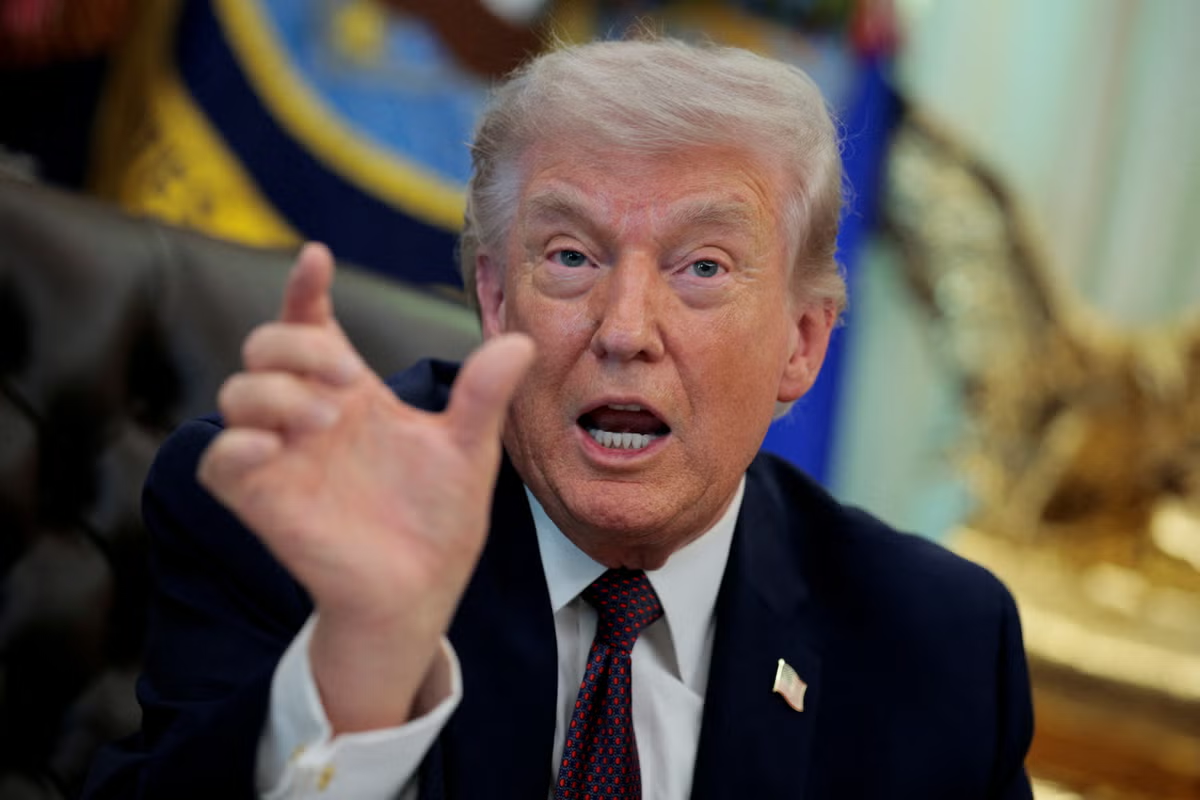
As the war drags on, Trump warned Iran of severe military action in the next two weeks. He stated that U.S. forces would strike Iran’s oil and power infrastructure if the country did not come to an agreement with the United States. “We will hit them extremely hard,” Trump said, signaling a continuation of the aggressive military strategy. The president’s ultimatum for Iran to reach a deal by April 6, or face further devastation, underscored his commitment to ending the conflict through force if necessary.
Lack of an Exit Plan: Criticism from Opponents
The absence of a clear exit strategy was one of the key points of criticism leveled at Trump following his speech. Democrats, including Senator Richard Blumenthal of Connecticut, argued that the war was marked by shifting goals and a lack of coherent planning. “This war of impulse and illusion is plagued by confused, chaotic, and contradictory objectives,” Blumenthal stated, pointing to the failure to lay out a viable path to peace or a clear timetable for ending the hostilities.
Global Consequences of the War
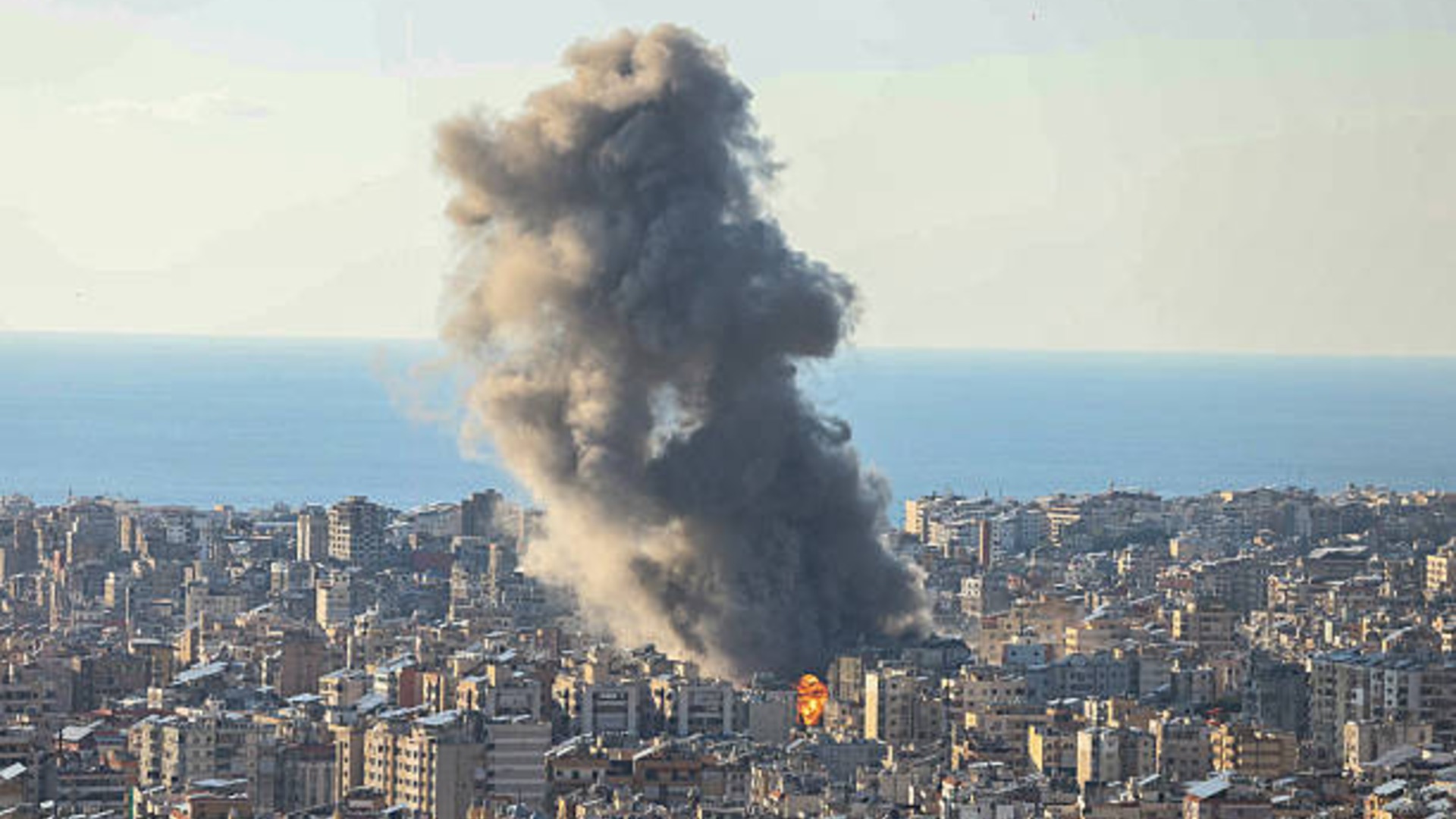
Beyond the economic fallout in the United States, the war and its impact on oil prices have affected countries worldwide. The disruption in the flow of oil has particularly impacted nations in Europe and Asia, which rely heavily on imports from the Middle East. Trump’s call for other nations to secure the Strait of Hormuz highlighted the global nature of the crisis, with repercussions far beyond U.S. borders. This international dynamic adds another layer of complexity to the conflict, as global powers navigate the balance between energy security and military intervention.
A Prolonged Conflict: What It Means for the Future
Despite Trump’s claims of nearing victory, it remains unclear how long the war will last or what its long-term implications will be. While Trump’s speech painted a picture of imminent success, the reality on the ground suggests that the conflict could drag on for months or even years. The uncertain trajectory of the war raises questions about the future of U.S. involvement in the Middle East, as well as the stability of the region as a whole. The economic, political, and humanitarian toll of the war will continue to unfold in the coming months, with lasting consequences for both the U.S. and Iran.
The Endgame: A Nation Divided on War Strategy
As the war against Iran approaches its next phase, the U.S. remains deeply divided on how to proceed. While Trump’s supporters argue that aggressive military action is necessary to protect American interests, critics warn that the war could lead to further instability in the region. With no clear exit strategy in sight, the future of the conflict remains uncertain, and the international community watches closely to see how the situation will evolve. Ultimately, the path forward will depend on whether diplomatic efforts can succeed, or whether further military intervention will be necessary to secure a lasting peace.