
Table of Contents
- The Artemis II Launch: A Monumental Achievement for NASA
- Challenges and Delays: Overcoming Technical Setbacks
- Artemis II: A Key Mission in NASA’s Moon to Mars Initiative
- Slingshot Around the Moon: A Historic Lunar Flyby
- Expanding the Reach of Human Space Exploration
- NASA’s Vision for the Moon: Building a Permanent Lunar Base
- The Role of the Orion Capsule in Future Missions
- Global Interest in the Artemis Program
- The Future of Human Space Exploration: What Comes Next?
The Artemis II Launch: A Monumental Achievement for NASA
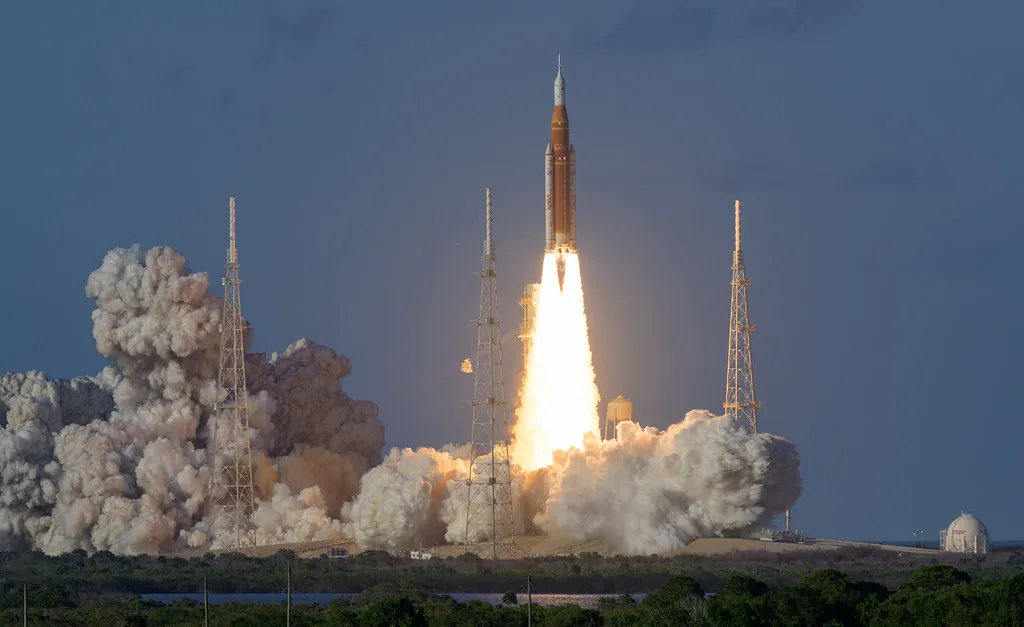
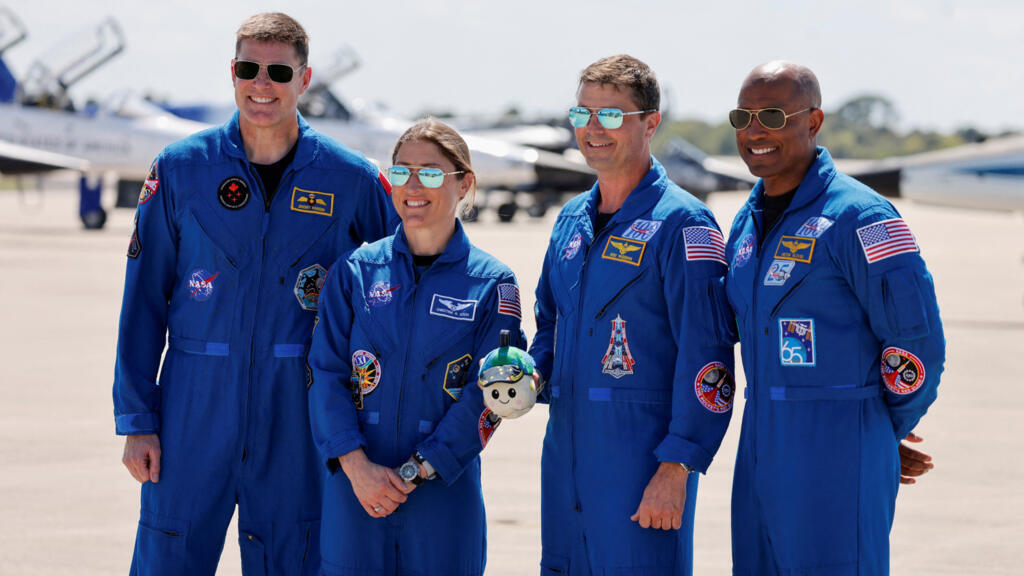
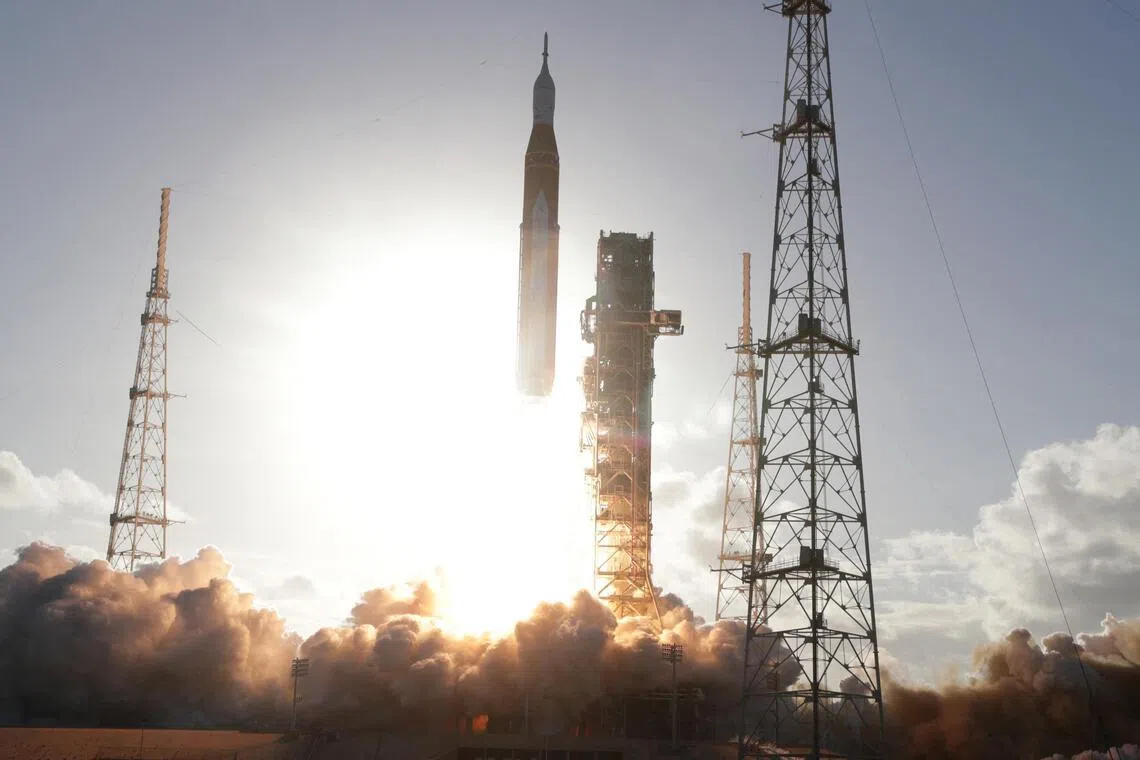
At 6:35 PM ET, the Artemis II mission lifted off from Cape Canaveral, marking the beginning of a groundbreaking journey. The crew, consisting of NASA astronauts Reid Wiseman, Victor Glover, Christina Koch, and Canadian astronaut Jeremy Hansen, is tasked with flying past the moon. Although the mission does not involve landing on the lunar surface, it is designed to test the spacecraft’s systems and ensure that everything is in place for future missions.
For many, this was a symbol of the U.S.’s return to lunar exploration after decades of absence. The Artemis II mission is part of a larger vision to establish a sustainable human presence on the moon and ultimately send astronauts to Mars.
Challenges and Delays: Overcoming Technical Setbacks
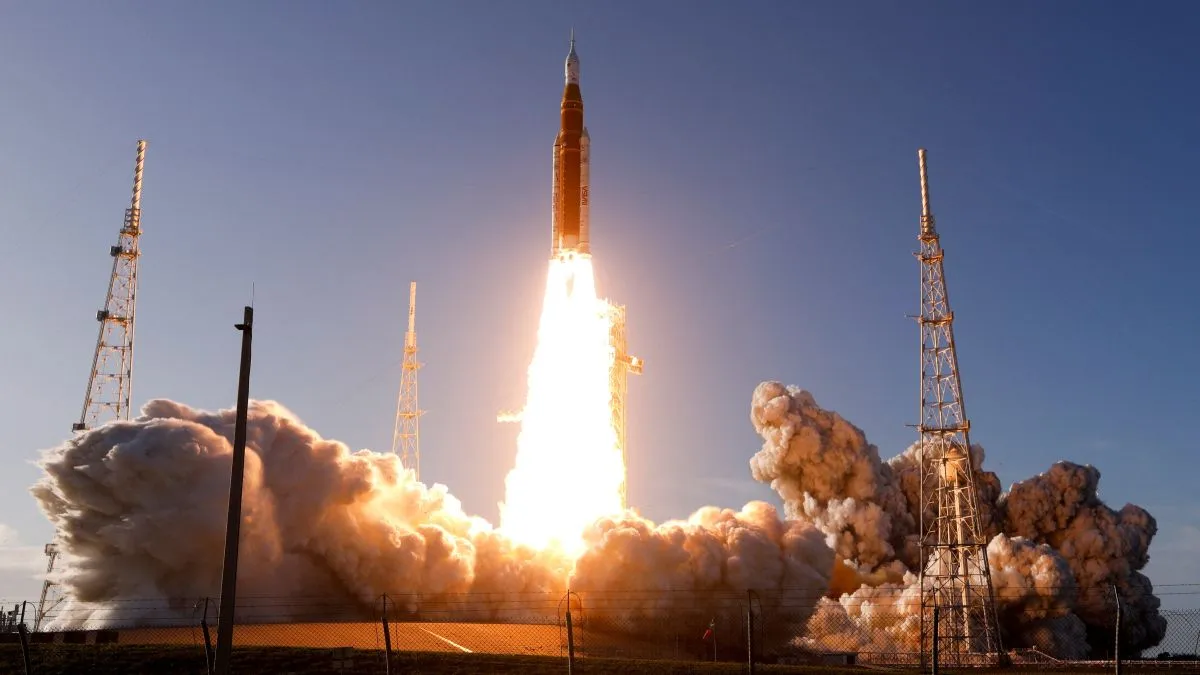
Despite its success, the Artemis II mission faced some significant hurdles in the hours leading up to the launch. A series of technical problems, including an issue with a battery temperature and a crucial flight termination system (FTS), threatened to halt the launch. The FTS is a critical safety feature designed to destroy the rocket if it goes off course or poses a risk to public safety.
Fortunately, mission control was able to quickly resolve the issues, and the countdown continued. “It was a fix to clear the range and work the FTS. That is no longer a constraint,” NASA’s launch commentator, Derrol Nail, confirmed. The ability to resolve these problems in time demonstrated the capability and precision of NASA’s team, ensuring that the mission could proceed as planned.
Artemis II: A Key Mission in NASA’s Moon to Mars Initiative
Artemis II is the second flight in NASA’s Moon to Mars program and the first crewed mission of the Artemis series. Its objectives are far-reaching: to test spacecraft systems, monitor astronaut health, and examine the effects of radiation and microgravity on long-duration space travel. This mission is a stepping stone toward the establishment of a permanent lunar base, which will serve as a springboard for future missions to Mars.
Over the course of 10 days, Artemis II will travel 253,000 miles from Earth—farther than any human has ever traveled before. This mission will help ensure that NASA is prepared for the challenges of human space exploration, not only to the moon but also to Mars in the near future.Key Objectives: Testing Crucial Spacecraft Systems
One of the primary goals of the Artemis II mission is to test the systems that will be used in future deep-space missions. The spacecraft, known as the Orion capsule, will be used to carry astronauts on their journey to the moon and beyond. During the mission, the crew will test crucial spacecraft systems, including the life-support systems that will keep astronauts safe on long-duration space flights.
Another key objective is to assess the effects of radiation and microgravity on human health. Space radiation poses a significant risk to astronauts, especially on missions that travel beyond Earth’s protective magnetic field. This mission will provide valuable data on how astronauts’ bodies respond to these environmental factors.
Slingshot Around the Moon: A Historic Lunar Flyby
One of the most exciting aspects of the Artemis II mission is the planned slingshot maneuver around the moon. Six days into the mission, the Orion capsule will pass within 4,000 to 6,000 miles of the lunar surface, offering a prime opportunity to capture stunning photos of the moon’s South Pole. This region is expected to be the site of future lunar landings, with NASA planning a mission as early as 2028.
Astronauts will not land on the moon during Artemis II, but this flyby will allow them to gather important data on the moon’s surface and evaluate the spacecraft’s ability to operate in the harsh environment of deep space. It will also provide a critical test for the Orion capsule’s heat shields, which must withstand temperatures as high as 3,000°F (1,650°C) during re-entry.
Expanding the Reach of Human Space Exploration
The Artemis II mission is a major step in expanding the reach of human space exploration. For decades, the U.S. has been focused on the International Space Station and other low-Earth orbit missions. Now, NASA is preparing to venture beyond Earth’s orbit once again. The moon serves as a critical testing ground for technologies that will be used to explore Mars and other destinations in the solar system.
The mission is also a demonstration of NASA’s growing partnership with international space agencies. Canadian astronaut Jeremy Hansen’s participation in Artemis II highlights the increasing role of international collaboration in space exploration. As the Artemis program continues, NASA plans to work with other countries to build sustainable space exploration capabilities.
NASA’s Vision for the Moon: Building a Permanent Lunar Base
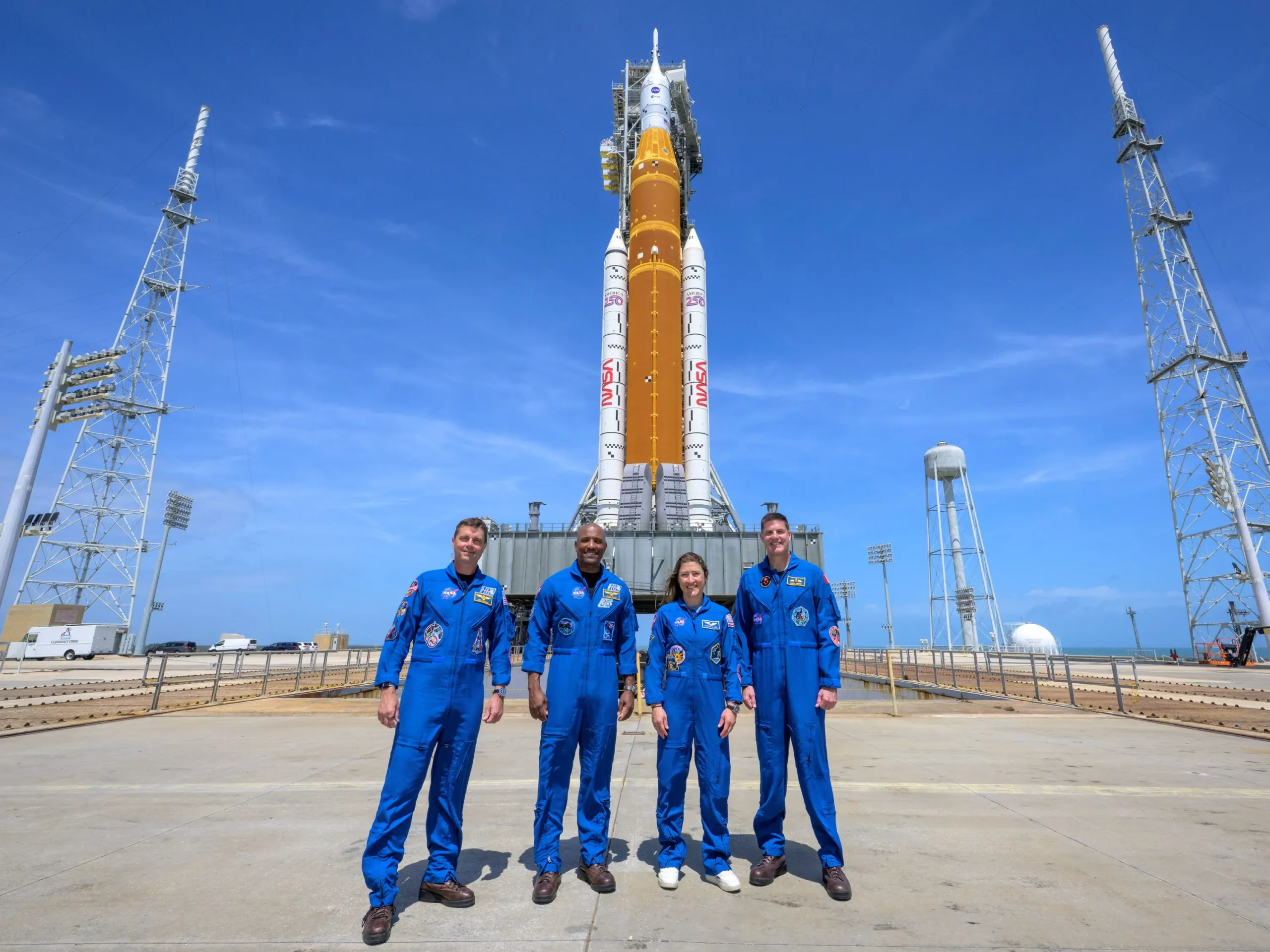
The ultimate goal of the Artemis program is to establish a permanent human presence on the moon. This will involve building lunar habitats and utilizing local resources to sustain astronauts for extended periods. A permanent lunar base will serve as a platform for further exploration, including missions to Mars.
NASA’s vision for the moon goes beyond simply landing astronauts. The agency envisions a thriving base on the moon that will be able to support human life for years to come. This base will also be a critical hub for scientific research, resource extraction, and technology development, paving the way for future missions to Mars.
The Role of the Orion Capsule in Future Missions
The Orion capsule, which will carry astronauts on their journey to the moon and Mars, is central to NASA’s long-term space exploration strategy. The spacecraft is designed to withstand the harsh conditions of deep space, including radiation and microgravity, and carry astronauts safely to their destinations.
In addition to its role in the Artemis II mission, Orion will play a crucial part in future deep-space missions, including the planned human exploration of Mars. The capsule’s design and capabilities will continue to evolve as NASA gathers data from missions like Artemis II, ensuring that it is ready for the challenges of interplanetary travel.
Global Interest in the Artemis Program
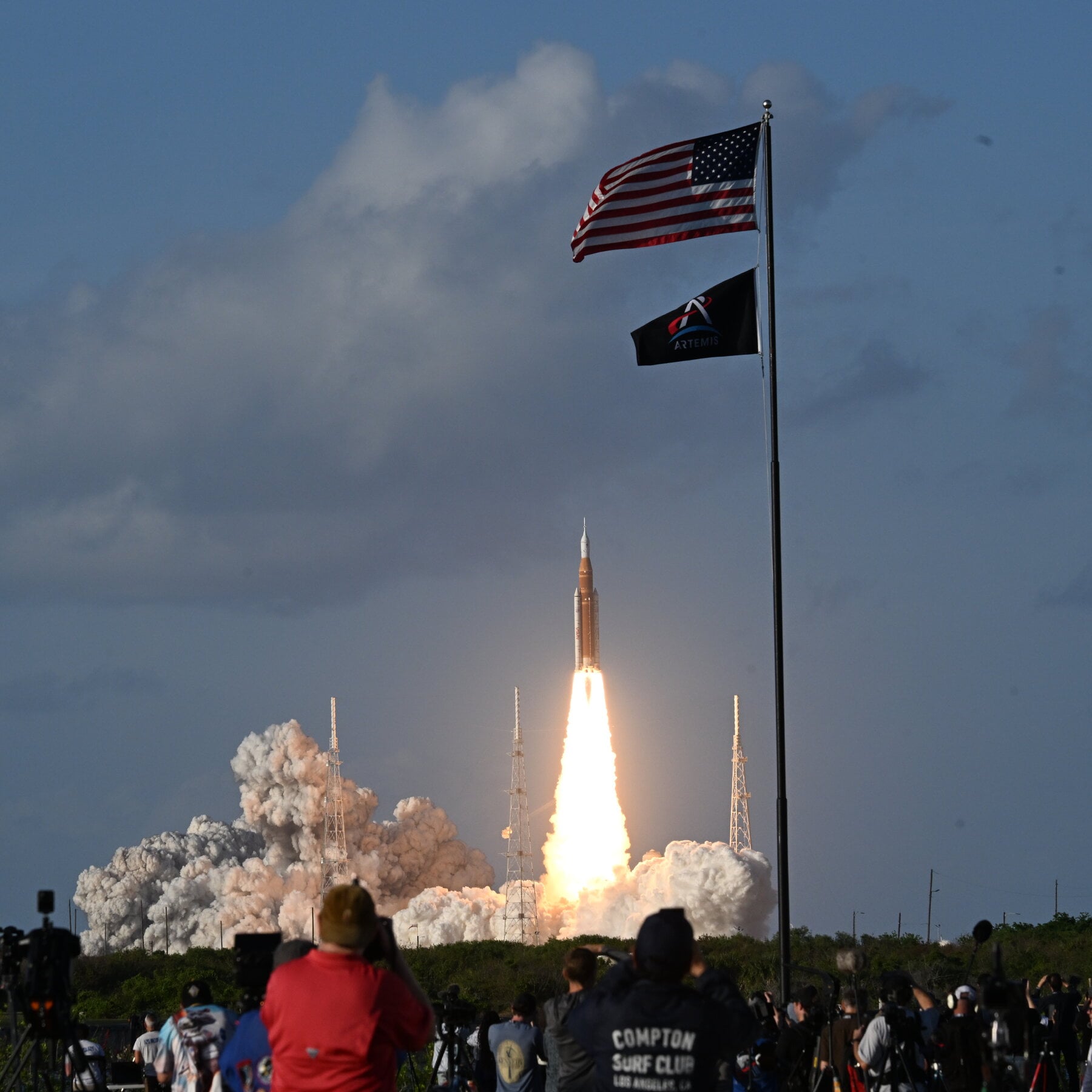
The Artemis program has garnered global attention, with countries around the world watching closely as NASA works toward returning humans to the moon. The mission is not just about advancing U.S. space exploration—it is also a symbol of international cooperation and the collective ambition to explore the cosmos. As NASA prepares for future lunar and Mars missions, international collaboration will play a key role in achieving these goals.
The involvement of Canadian astronaut Jeremy Hansen in Artemis II is a testament to the growing partnerships between space agencies. These collaborations will be critical as humanity looks to establish a permanent presence on the moon and eventually reach Mars.
The Future of Human Space Exploration: What Comes Next?
As the Artemis II mission progresses, the world will be closely watching to see how NASA’s new technology performs in deep space. If the mission is successful, it will set the stage for the first crewed moon landing since Apollo 17 in 1972. Following Artemis II, NASA will launch additional missions under the Artemis program, with the goal of landing astronauts on the moon’s South Pole by 2028.
The mission to the moon is just the beginning. NASA’s ultimate goal is to establish a sustainable human presence on the moon, which will serve as a springboard for even more ambitious missions to Mars and beyond. The Artemis program marks the beginning of a new era in space exploration, one that could change the future of humanity and our place in the cosmos.