
Table of Contents
- The Growing Tensions Between Iran and the West
- The Role of U.S. Tech Giants in the Conflict
- The Revolutionary Guards’ Retaliation Threat
- The Implications for Tech Firms
- The US-Israel Campaign Against Iran: A Contextual Overview
- The Global Impact of Escalating Tensions
- The Future of Tech in Geopolitical Conflicts
- The Ethical Considerations of Targeting Tech Firms
- The Geopolitical Risk of Corporate Involvement in Conflicts
- What Happens Next: A Reckoning for Tech Firms?
The Growing Tensions Between Iran and the West
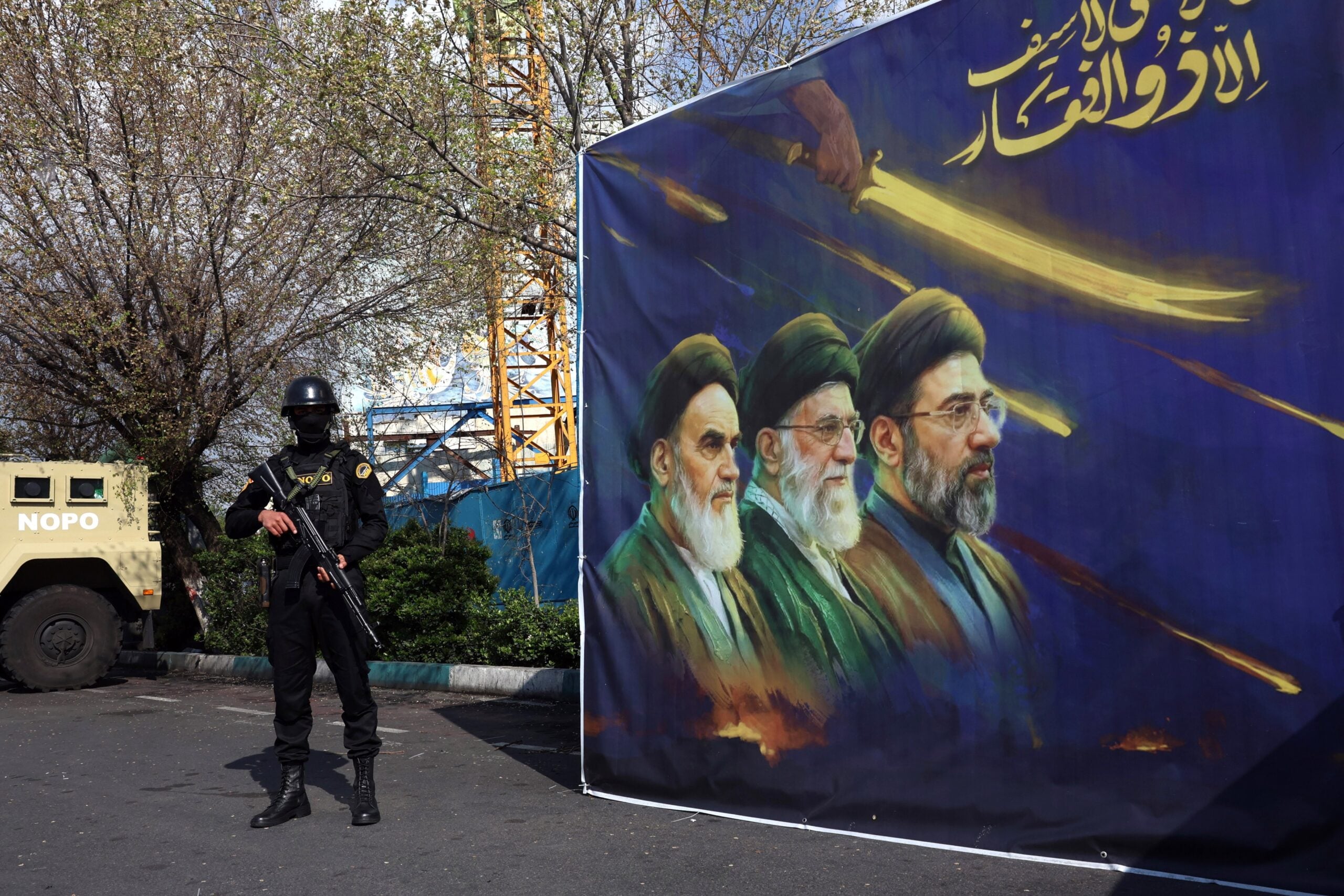
The tension between Iran and the West has reached a boiling point in the wake of several high-profile killings of Iranian leaders. The latest escalation involves the targeted killings of Iran’s top officials, including Supreme Leader Ali Khamenei and Revolutionary Guards commander Mohammad Pakpour. These deaths are part of a broader strategy by the U.S. and Israel, who claim that eliminating key figures will cripple Iran’s leadership. The Revolutionary Guards, however, see these killings as acts of terrorism that cannot go unanswered.
The threat to tech giants, which came in the form of an official statement from Iran’s Revolutionary Guards, highlights the growing role that tech companies play in modern geopolitical conflicts. As Iran continues to face mounting pressure from the U.S. and its allies, it is taking drastic measures to counter what it perceives as a violation of its sovereignty and a direct assault on its leadership.
The Role of U.S. Tech Giants in the Conflict
The Revolutionary Guards’ accusation that companies like Google, Apple, and Meta are complicit in the assassination of Iranian leaders is based on their role in tracking and surveilling individuals. The U.S. tech giants are known for their powerful data-gathering capabilities, which, according to Iranian authorities, are being used by intelligence agencies to facilitate targeted attacks. In the statement, the Guards warned these companies that they would bear responsibility for any further deaths of Iranian officials, threatening reciprocal actions.
Tech companies have long been at the center of political controversies, often accused of enabling state surveillance and espionage. However, the recent escalation has brought the conflict into sharper focus, with the U.S. tech industry now being directly implicated in the fallout of international relations. The increasing entanglement of technology with global geopolitics raises questions about the responsibility of tech firms in conflicts between nations.
The Revolutionary Guards’ Retaliation Threat
The Revolutionary Guards’ statement to tech companies was a direct response to the killings of key Iranian figures. The threat outlines that these companies should prepare for retaliation, with the Guards vowing to target their “relevant units” starting on the evening of April 1. This is a clear warning that Iran is prepared to take action against U.S. firms if the assassination campaign continues.
The Guards went as far as to advise employees of the targeted companies to vacate their workplaces within a 1-kilometer radius, signaling their intent to target specific company units. While the statement did not specify which locations or countries might be affected, the threat implies that Iran is willing to take measures against these companies wherever they operate, which could lead to significant global disruptions.
The Implications for Tech Firms
The Iranian threat against U.S. tech giants is unprecedented in its boldness, highlighting the vulnerability of global corporations involved in international conflicts. If Iran follows through on its threat, companies like Apple, Google, and Microsoft could find themselves at the center of a major geopolitical crisis, forced to consider the safety of their employees and operations in the Middle East and beyond.
The actions of these companies are closely monitored by governments around the world, and their involvement in this conflict could have legal, economic, and security implications. Additionally, if Iran does carry out its threat, it could set a dangerous precedent for the role of tech firms in international conflict, further blurring the lines between corporate interests and national security.
The US-Israel Campaign Against Iran: A Contextual Overview
The U.S.-Israel campaign against Iran’s leadership has been ongoing for several years, with the goal of destabilizing the Iranian regime. This strategy includes the targeted killing of high-ranking officials, cyberattacks, and diplomatic pressure. While Iran views these actions as acts of war, the U.S. and Israel justify their actions by citing national security concerns and Iran’s alleged destabilizing activities in the Middle East.
In response to these actions, Iran has consistently vowed to retaliate, with its Revolutionary Guards taking a more active role in defending the country’s sovereignty. The current threat against U.S. tech giants is part of this broader strategy of retaliation, which Iran believes is necessary to deter further attacks.
The Global Impact of Escalating Tensions
The growing tensions between Iran and the U.S. are not just a matter of regional concern—they have the potential to affect the global community. The involvement of tech giants in this conflict adds an extra layer of complexity, as these companies are central to the digital infrastructure of many countries around the world. If the situation escalates, it could lead to disruptions in the global economy, particularly in the tech and cybersecurity sectors.
The Iranian threat against U.S. tech companies also raises questions about the role of corporations in geopolitical conflicts. As the lines between business and politics become increasingly blurred, it’s clear that tech companies must navigate a complex web of national interests, international laws, and corporate responsibilities.
The Future of Tech in Geopolitical Conflicts
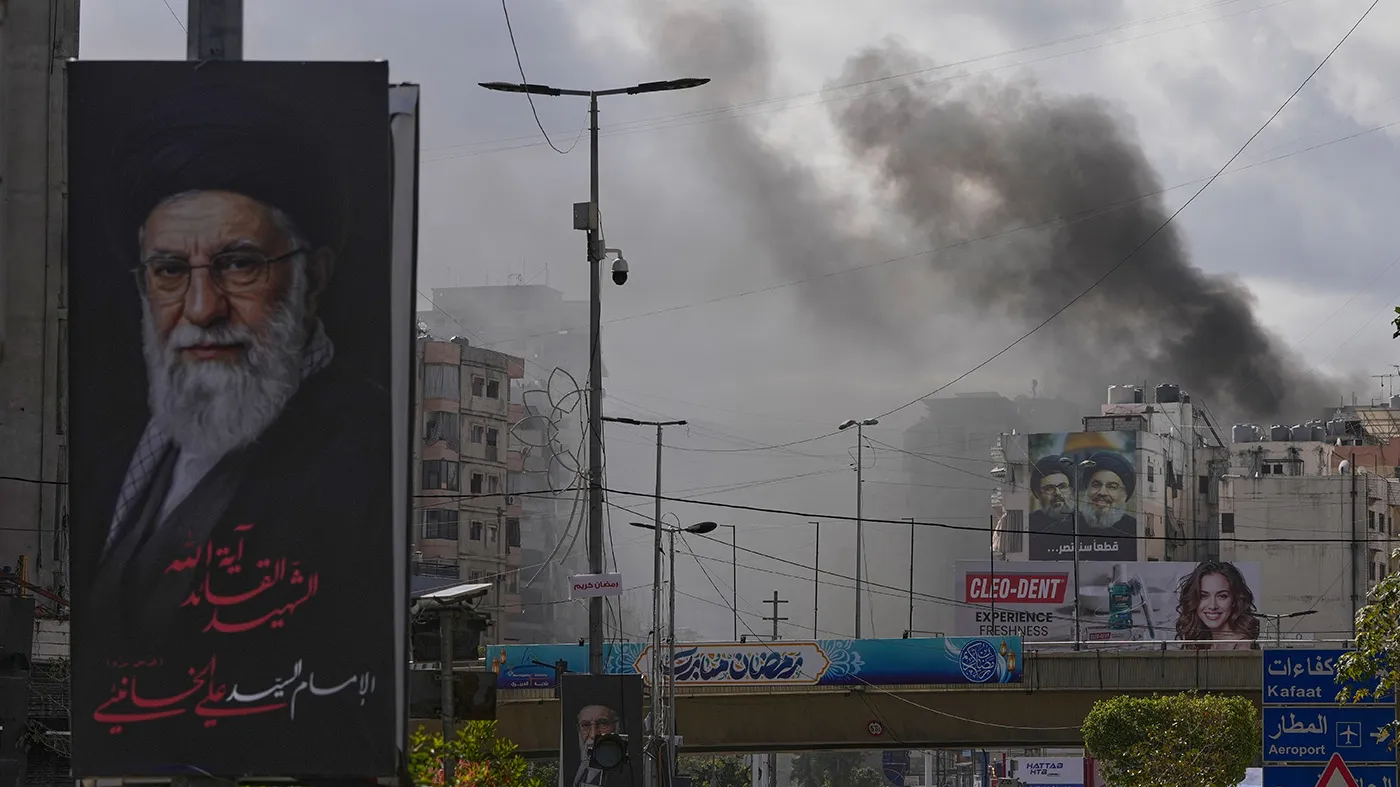
The increasing involvement of tech companies in international conflicts is a trend that is likely to continue in the future. As tech firms become more powerful, they will play a greater role in shaping global politics, both through their actions and the data they collect. This raises important questions about the responsibility of tech firms in conflicts, and whether they should be held accountable for their role in international crises.
As the Iranian situation demonstrates, tech companies can no longer remain neutral in geopolitical conflicts. The pressure on firms like Google, Apple, and Microsoft to navigate the complex world of international politics is immense, and the consequences of their involvement could have far-reaching effects on both their operations and global stability.
The Ethical Considerations of Targeting Tech Firms
The ethical implications of targeting tech firms in response to government actions are significant. While the Iranian government has framed its threat as a necessary act of retaliation, the consequences for tech employees and businesses could be severe. The idea of attacking private companies over their involvement in political matters raises important questions about the role of corporations in global conflicts.
In particular, the safety of employees is a key concern. The Iranian threat specifically warned employees to evacuate workplaces, which underscores the potential risks that individuals in these companies may face. This presents a moral dilemma for governments and businesses alike, as they must weigh the responsibility of corporations in geopolitical conflicts against the safety of their employees.
The Geopolitical Risk of Corporate Involvement in Conflicts
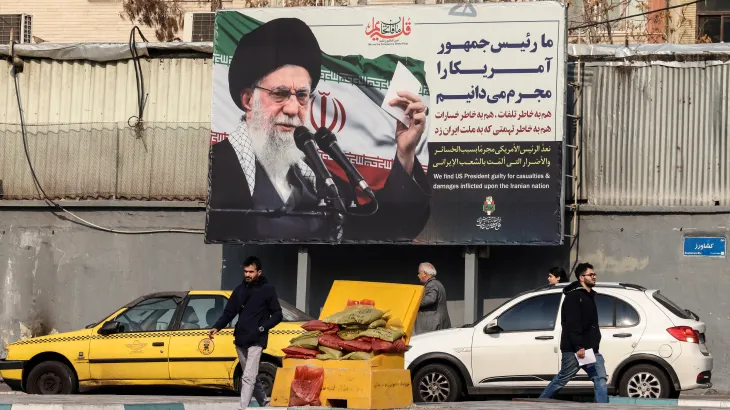
The situation between Iran and the U.S. serves as a stark reminder of the risks that corporations face when they become entangled in international conflicts. The growing intersection of business and politics highlights the vulnerability of global firms, particularly those in the tech industry, which plays a central role in the infrastructure of modern societies.
As the global economy becomes increasingly interconnected, the actions of a single company or government can have ripple effects across the world. The Iranian threat against U.S. tech giants could be just the beginning of a broader trend where businesses become targets in geopolitical power struggles.
What Happens Next: A Reckoning for Tech Firms?
The Iranian threat against U.S. tech giants is a moment of reckoning for the global tech industry. As tensions rise and the lines between politics and business continue to blur, tech companies will need to carefully navigate their roles in international conflicts. The threat to target their operations is a clear warning that no company is immune from the consequences of geopolitical strife. How these companies respond will shape the future of business in an increasingly volatile world.