
Table of Contents
- Andrejczyk’s Personal Struggles and Triumphs
- The Decision to Sell Her Medal
- The Role of Zabka Convenience Store in the Auction
- The Importance of Miloszek’s Surgery
- The Public’s Reaction to Andrejczyk’s Gesture
- The Value of Generosity in the World of Sports
- The Ethical Implications of Donating Personal Achievements
- The Role of Corporate Sponsorship in Charity
- The Future of Athlete-Led Philanthropy
- A Story of Hope and Inspiration
Andrejczyk’s Personal Struggles and Triumphs
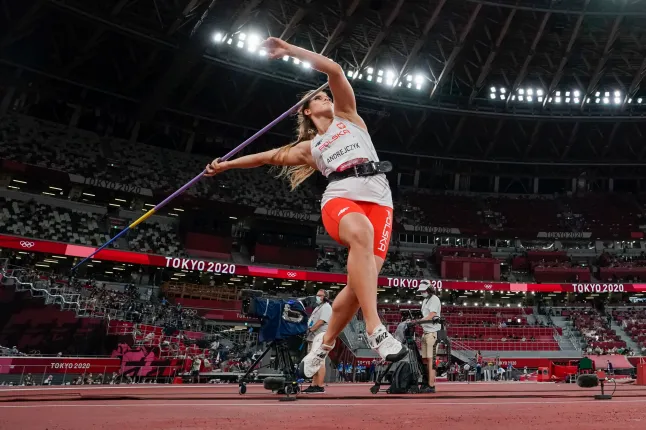
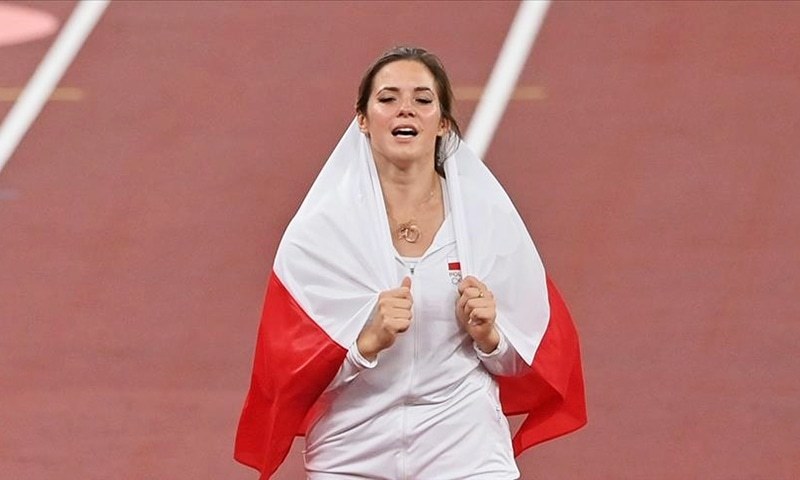
Before her remarkable act of charity, Andrejczyk’s journey to the Tokyo Olympics was fraught with challenges. In 2018, she was diagnosed with bone cancer, a life-threatening illness that threatened to derail her career. However, through sheer determination and strength, Andrejczyk overcame the disease and returned to the track, ultimately earning a silver medal in the javelin event at the 2020 Summer Olympics.
Her story is not just one of athletic triumph, but of resilience in the face of adversity. The Olympic silver medal represents more than just an achievement in sport; it symbolizes her victory over illness, and her perseverance to live her dream. Little did she know that her journey would also lead her to use this symbol of success to save another life.
The Decision to Sell Her Medal

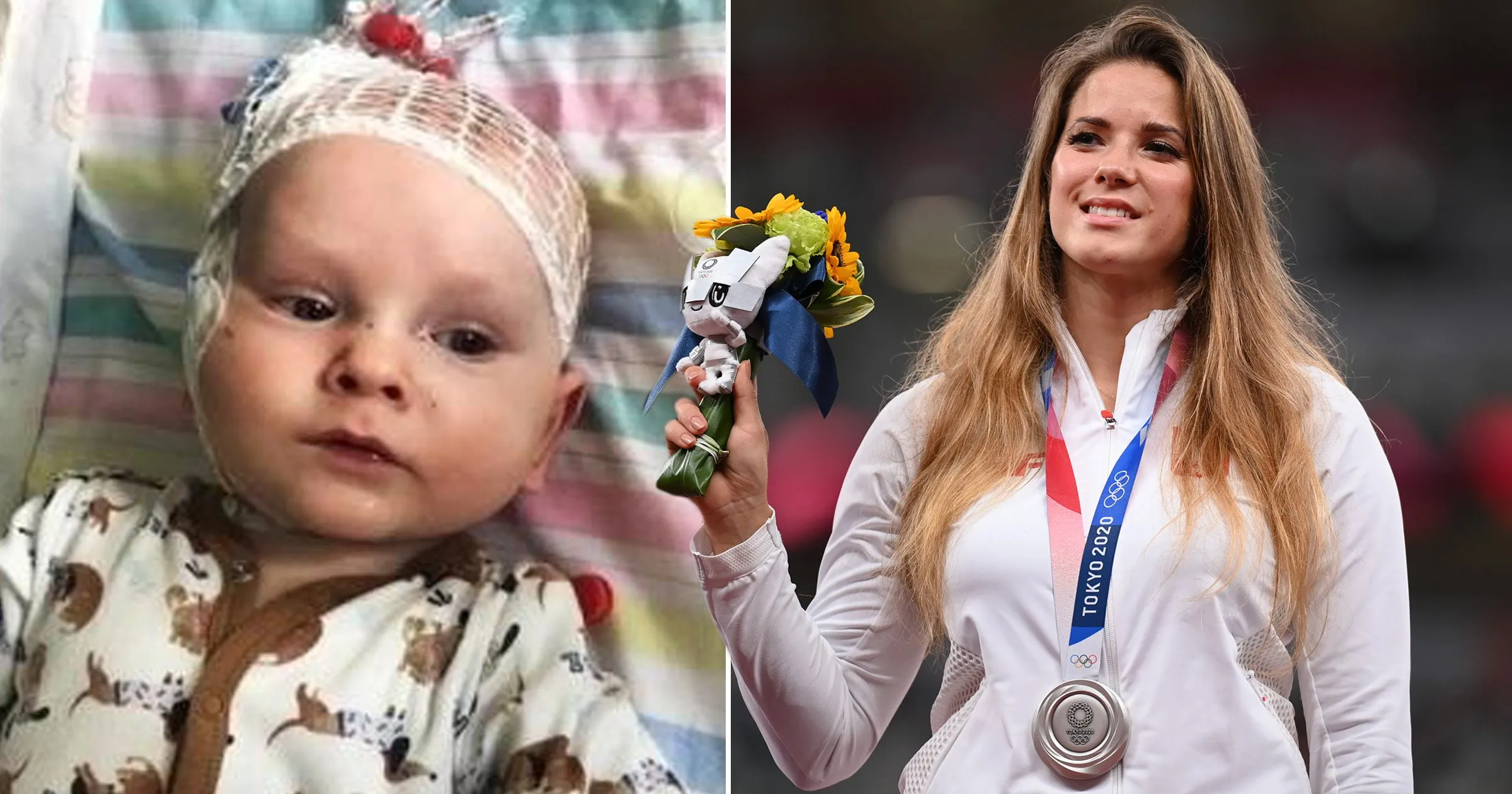
In a heartwarming social media post, Andrejczyk explained the decision to auction her Olympic silver medal to raise funds for Miloszek’s heart surgery. The 25-year-old athlete shared that she immediately knew this was the right cause for her to support. Miloszek, a young boy with a severe heart defect, requires specialized surgery at Stanford Hospital in the United States, a procedure that costs upwards of $280,000. The auction of Andrejczyk’s medal has already raised half of the necessary funds, demonstrating the power of compassion and the far-reaching impact of this selfless act.
Andrejczyk’s reasoning was simple yet profound: “A medal is only an object, but it can be of great value to others,” she wrote. Her words highlight the deeper meaning behind the act — the ability to give, to make a difference, and to offer hope to someone in need.
The Role of Zabka Convenience Store in the Auction
The auction of Andrejczyk’s silver medal attracted the attention of many, including Poland’s well-known convenience store chain, Zabka. In an unexpected twist, Zabka won the auction for the medal but chose to immediately return it to Andrejczyk, asking her to keep it as a symbol of the struggle, faith, and perseverance she exhibited not only as an athlete but also as a humanitarian.
Zabka’s gesture was praised by Andrejczyk, who expressed deep gratitude towards the company. “It is with the greatest pleasure to give you Zabka this medal, which for me is a symbol of struggle, faith and pursuit of dreams despite many odds,” she said. Zabka’s act of returning the medal emphasizes the incredible power of generosity and solidarity within the community, and their recognition of the greater cause that Andrejczyk’s act represents.
The Importance of Miloszek’s Surgery

Miloszek, the young Polish boy whose surgery Andrejczyk is funding, was diagnosed with a serious heart defect that could not be treated locally. His family turned to crowdfunding to help raise the necessary funds for the surgery, and Andrejczyk’s auction of her medal provided a significant boost to this campaign. Miloszek’s story is a testament to the often unspoken struggles faced by children and families battling life-threatening health conditions.
The medical procedure that Miloszek needs is only available at Stanford Hospital, an institution renowned for its expertise in treating complex pediatric heart conditions. Without this surgery, Miloszek’s chances of survival would be severely limited. The funds raised by Andrejczyk’s auction are now playing a critical role in securing this life-saving treatment.
The Public’s Reaction to Andrejczyk’s Gesture
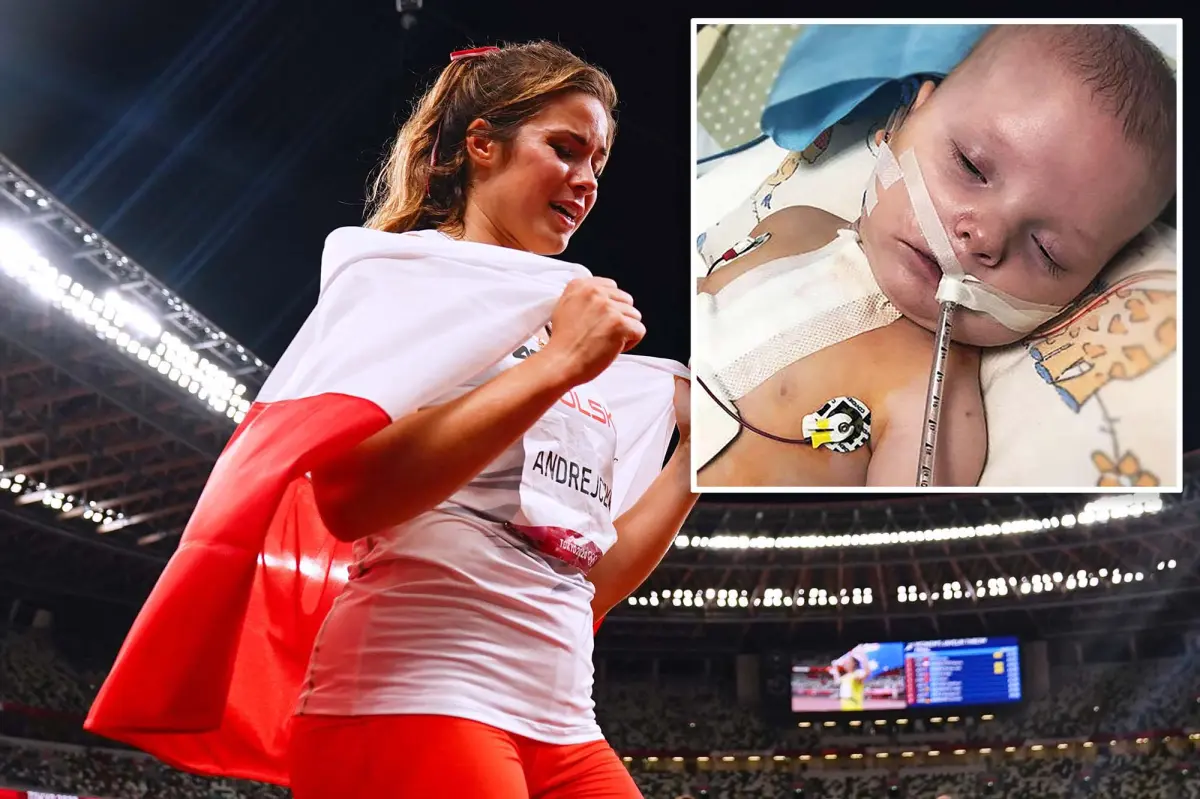
The public response to Andrejczyk’s auction of her silver medal has been overwhelmingly positive. People around the world have praised her selflessness, with many highlighting the significance of her actions beyond just a sports achievement. Her decision to auction her medal for a child’s surgery serves as an inspiring reminder that there is more to life than trophies and accolades; sometimes, the greatest victories come from acts of kindness and compassion.
This gesture has resonated deeply with fans, athletes, and humanitarian organizations alike. It has sparked conversations about the role of athletes as role models and the power they have to effect positive change in the world.
The Value of Generosity in the World of Sports
Andrejczyk’s decision to auction her Olympic medal emphasizes the increasing role of athletes in global philanthropy. While sports have traditionally been viewed as a platform for competition and personal achievement, athletes today are increasingly using their platform to support charitable causes and raise awareness for important social issues.
In recent years, we have seen many athletes use their wealth and influence to support causes they believe in, from advocating for social justice to helping raise funds for medical research. Andrejczyk’s auction of her medal adds to this growing movement, showing that athletes can make a lasting impact both on and off the field.
The Ethical Implications of Donating Personal Achievements
While Andrejczyk’s act of donating her silver medal has been widely celebrated, it also raises important ethical questions about the value of personal achievements and the responsibilities of athletes. On one hand, Andrejczyk’s decision to part with such a significant symbol of her hard work and determination demonstrates the selflessness and generosity that can come from individuals who have achieved greatness. On the other hand, it raises the question of whether athletes should be expected to give up their achievements for the benefit of others, or if this expectation places undue pressure on individuals who have worked tirelessly to reach their goals.
The Role of Corporate Sponsorship in Charity
Zabka’s involvement in the auction highlights the role of corporate sponsorship in charitable causes. As one of the key players in the auction, Zabka’s decision to return the medal to Andrejczyk has sparked conversations about the ways in which companies can use their resources to contribute to social good. It serves as a reminder that businesses, too, have a responsibility to give back to the community and support charitable efforts.
This collaboration between a major company and a renowned athlete also sheds light on the increasing trend of corporate sponsorships that focus on social causes, rather than purely commercial ventures.
The Future of Athlete-Led Philanthropy
Andrejczyk’s auction is a part of a growing trend of athlete-led philanthropy. As more athletes recognize their platform’s power, they are using it to fund medical treatments, support educational initiatives, and contribute to disaster relief efforts. This movement is a sign of a shift in how we perceive the role of athletes in society.
The future of athlete-led philanthropy looks bright, as more athletes like Andrejczyk demonstrate the power of sports to effect change in the world. In the coming years, we can expect to see more athletes using their visibility and influence to support important causes.
A Story of Hope and Inspiration
Maria Andrejczyk’s decision to auction her Olympic silver medal for a child’s heart surgery is a profound act of kindness that transcends sports. It serves as a powerful reminder that the true value of an athlete’s success lies not in the medals they collect, but in the lives they touch.
In a world where negativity and division often dominate the headlines, Andrejczyk’s story offers a glimmer of hope. It is a story about the power of generosity, compassion, and the belief that we all have the ability to make a difference. Through her actions, Andrejczyk has demonstrated that the most significant achievements are those that improve the lives of others.