
Table of Contents
- The Growing Rent Debt Crisis in Alexandria
- A One-Time Debt Relief Program
- The Emotional Impact on Residents
- The Role of Alfred Street Baptist Church
- A Partnership with Local Authorities
- The Broader Issue of Housing Affordability
- What Can Be Done to Prevent Future Debt?
- A Community Coming Together
- A Beacon of Hope for Alexandria’s Families
The Growing Rent Debt Crisis in Alexandria
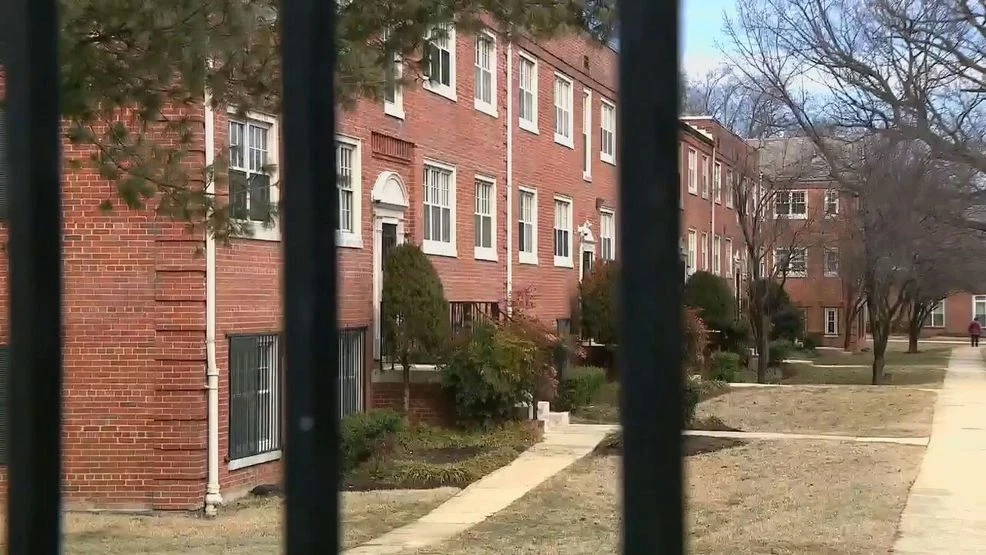
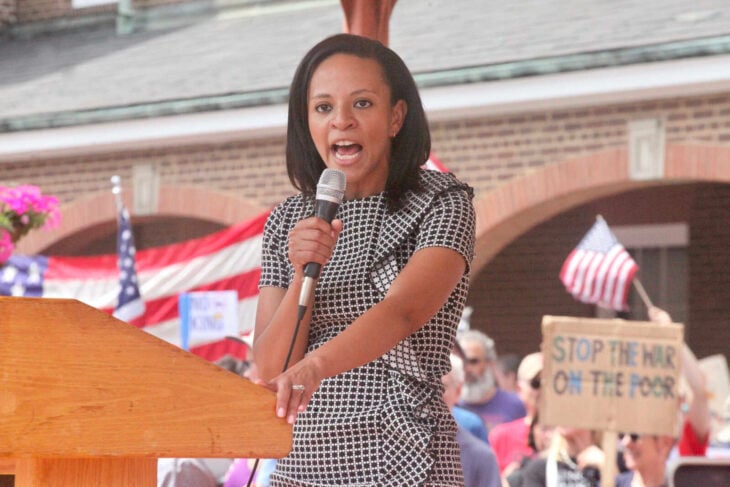
The decision to launch this initiative was prompted by a discovery made by Alexandria’s Mayor Alyia Gaskins, who learned that nearly 450 families living in housing managed by the Alexandria Redevelopment and Housing Authority were collectively carrying rent debt close to $1 million. These families were behind on rent payments, with amounts ranging from as low as $50 to as high as $30,000. The news came as a wake-up call for the local government and community leaders, who realized the extent of the financial strain many residents were under.
For many of these families, falling behind on rent was not simply a matter of personal choice. Several factors, such as rising living costs, unemployment, and health crises, had compounded the difficulty of staying current on rent payments. The pandemic, in particular, exacerbated these challenges, pushing many households deeper into financial distress. The church’s pledge was seen as a much-needed intervention at a time when many families felt the pressure of mounting debt.
A One-Time Debt Relief Program
The $1 million donation by Alfred Street Baptist Church is designed as a one-time debt relief program, with the goal of wiping out the outstanding balances owed by public housing residents. Church leaders have emphasized that this initiative is not a permanent fix for the broader housing affordability crisis, but rather an immediate response to help families regain their footing.
While the amount of debt varies for each family, the relief offered by the church represents a critical lifeline for many. It allows residents to eliminate the financial burden that often leads to evictions, further debt, or a cycle of instability. The program has been framed as a way to provide families with the opportunity to stabilize their finances, avoid eviction, and move toward a more secure future.
The Emotional Impact on Residents
For tenants like Ronesha Parker, the announcement of the debt relief program was nothing short of a miracle. Parker, like many others, had faced ongoing challenges in trying to stay current on her rent while dealing with maintenance issues and administrative difficulties. When she received the news that she qualified for the program, it came as a surprise—and a rare moment of relief.
“It felt like a weight had been lifted off my shoulders,” Parker said. “For the first time in a long time, I felt like someone truly cared about what I’ve been going through.” Parker’s story is echoed by many others in the community, for whom this initiative has provided a rare chance to focus on long-term stability instead of constantly worrying about rent payments.
The program not only alleviates financial stress but also offers emotional relief. It restores a sense of dignity to families who may have felt invisible or ignored by the system. By receiving this help, families can begin to rebuild their lives without the constant fear of eviction or financial ruin.
The Role of Alfred Street Baptist Church
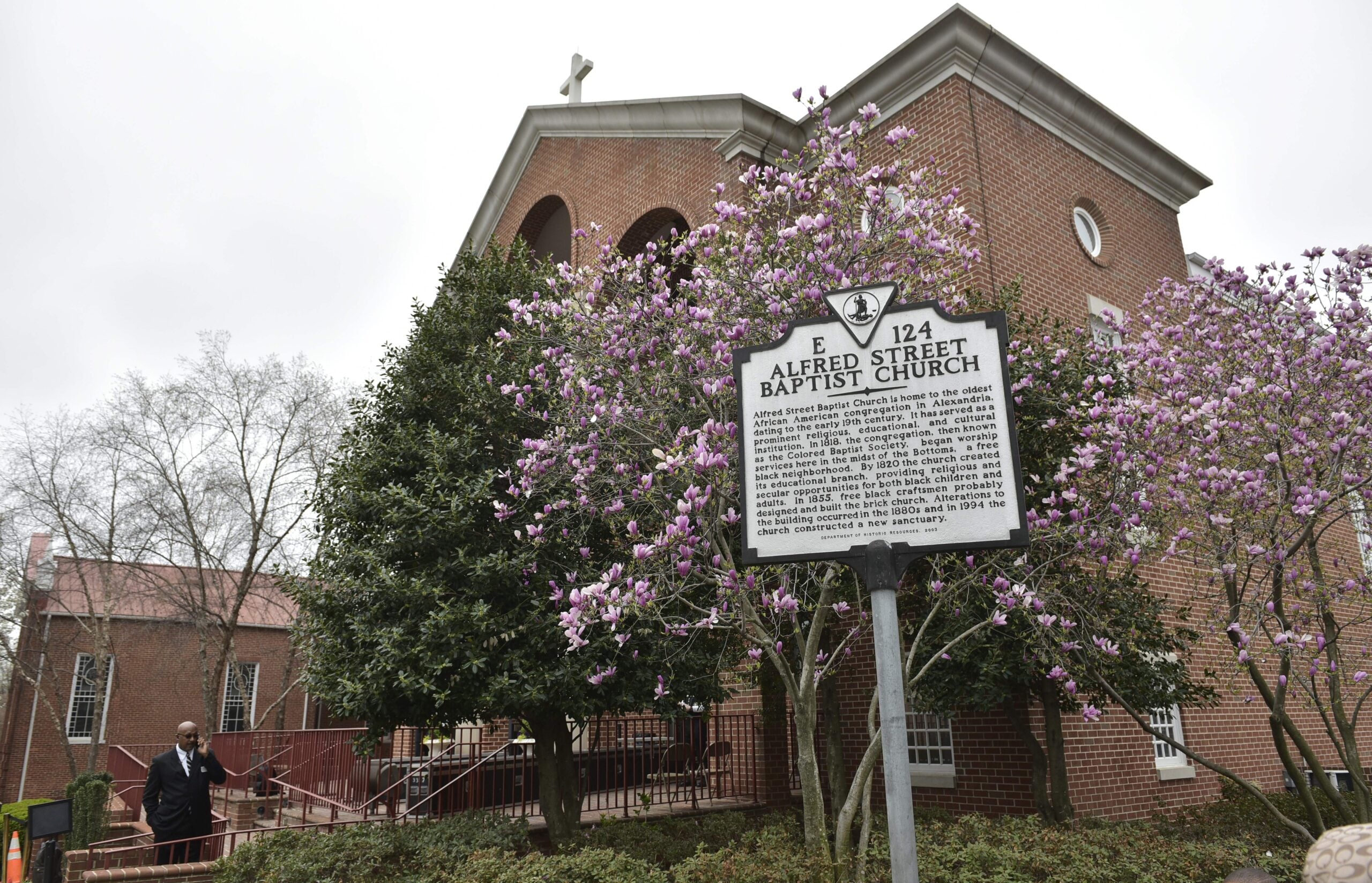
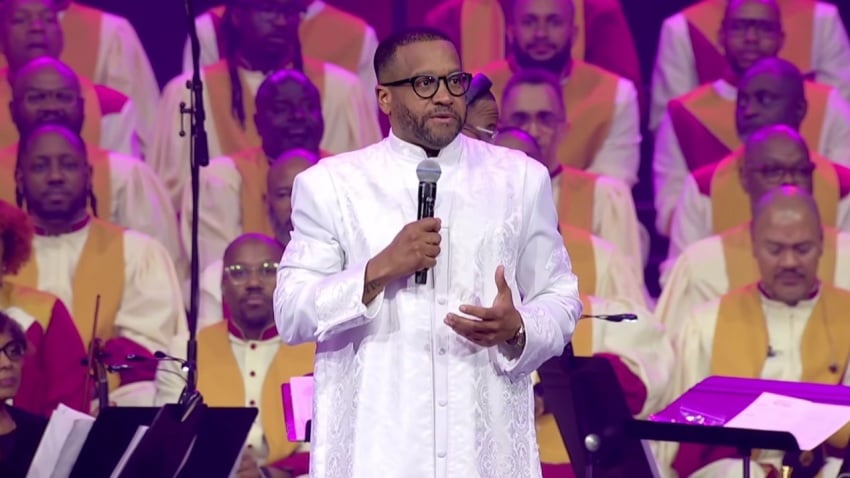
Alfred Street Baptist Church’s donation is part of its broader mission to support vulnerable communities and address systemic inequalities. Senior Pastor Howard-Jean Wesley expressed his deep commitment to social justice and service, emphasizing that the church’s role is not just spiritual but also social and economic. The church’s congregation, which is known for its generosity and active engagement with community issues, rallied behind the initiative, eager to make a tangible difference in the lives of local residents.
During a recent church service, Pastor Wesley addressed his congregation about the impact of the program. “We are getting ready with our SEEK offering to stop the eviction of 450 families in the city of Alexandria who can retain their houses because of our giving,” he said. “People want to be connected to something bigger than themselves, and in the midst of days that seem so callous and cruel to the impoverished, here’s a way to make a difference.”
The program reflects a broader trend of faith-based organizations stepping in to fill the gaps where governmental assistance is limited or insufficient. As the housing affordability crisis continues to worsen in many cities, initiatives like this one are becoming increasingly important in providing relief to those in need.
A Partnership with Local Authorities
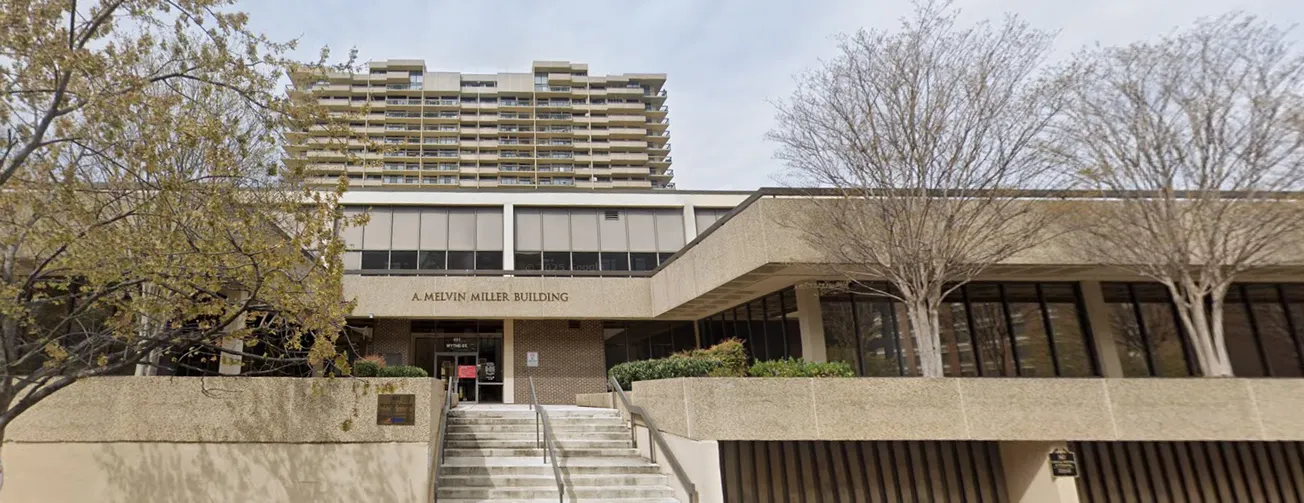
To ensure that the funds are distributed effectively, Alfred Street Baptist Church is working closely with local housing officials. The Alexandria Redevelopment and Housing Authority is collaborating with the church to identify eligible households and ensure that the debt relief reaches those who need it most. This partnership is an example of how local organizations can work together to address community challenges and provide meaningful solutions.
While the program does not address the broader housing crisis, it is a significant step in alleviating the financial strain on residents in public housing. By targeting the specific issue of rent debt, the church has been able to make a real difference in the lives of hundreds of families who would otherwise have faced eviction and the long-term consequences of unpaid rent.
The Broader Issue of Housing Affordability
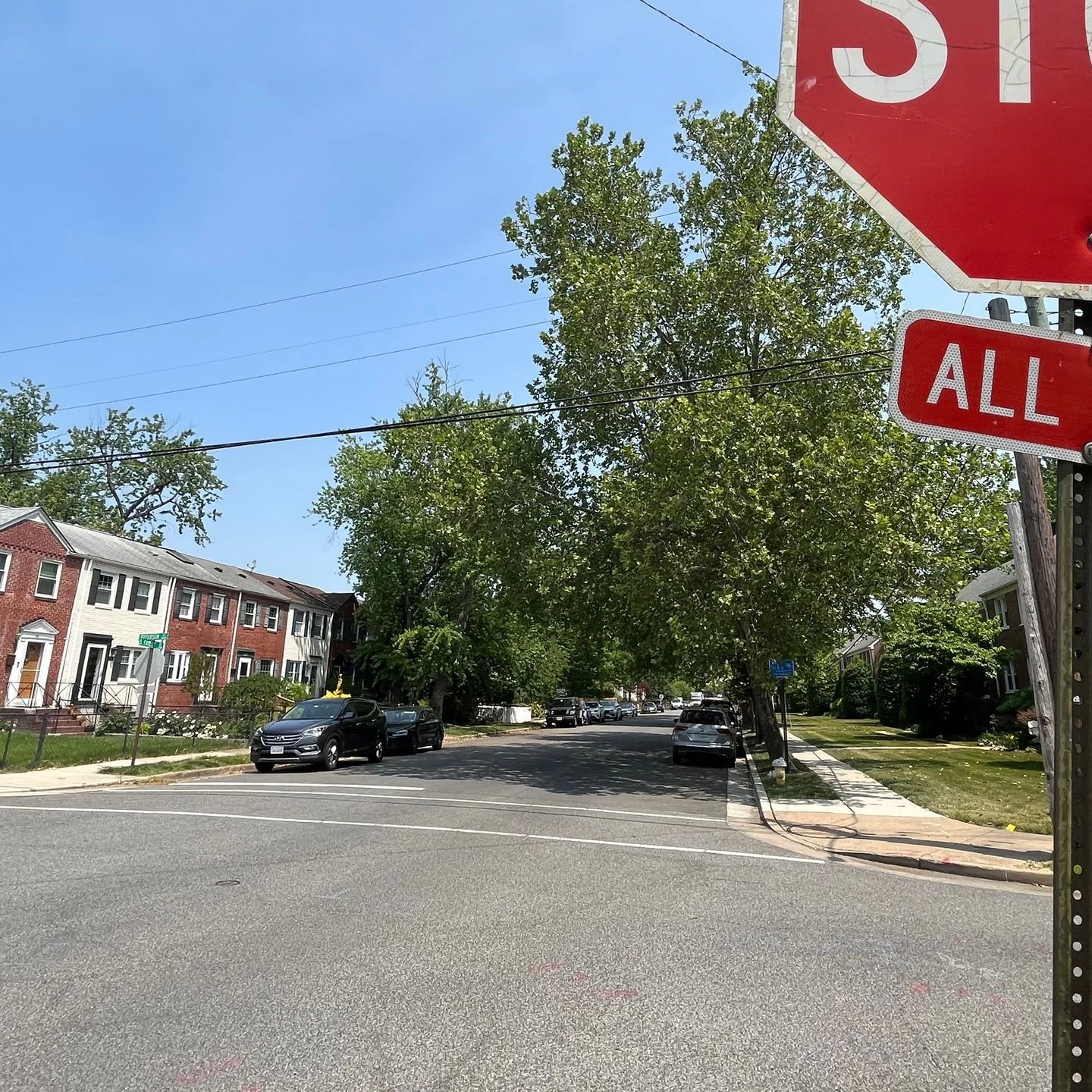
The program also brings attention to the growing issue of housing affordability in Alexandria and across the United States. Public housing residents often face a combination of challenges, including fixed incomes, rising living costs, and limited resources. These obstacles make it difficult for families to catch up once they fall behind on rent, especially when they have little or no support from external sources.
The debt relief initiative highlights how vulnerable low-income families are to economic fluctuations and how public housing, while a vital resource, often falls short in meeting the full needs of its residents. Without initiatives like this, many families risk becoming trapped in a cycle of debt, eviction, and housing instability. It underscores the need for more systemic solutions to address housing affordability on a national level.
What Can Be Done to Prevent Future Debt?
While the church’s initiative provides immediate relief, it is clear that more needs to be done to address the root causes of rent debt and housing insecurity. The debt relief program will only be effective if it is paired with long-term strategies aimed at stabilizing housing costs and increasing economic opportunities for low-income families.
As part of the program, residents who receive debt relief are required to attend individual meetings to discuss the circumstances that led to their rent debt and what can be done to prevent future issues. These meetings are designed to help families better manage their finances, access resources, and avoid falling back into debt. In the long run, financial education and access to affordable housing options will be key to preventing future cycles of debt and instability.
A Community Coming Together
The initiative by Alfred Street Baptist Church is a testament to the power of community action. It shows that when organizations, both faith-based and secular, come together to address pressing social issues, real change can happen. While this program may not solve the broader housing crisis, it offers a model of compassion and solidarity that other communities may choose to emulate.
As the church continues to serve its congregation and the wider community, its efforts will undoubtedly inspire others to take similar steps to address the housing challenges faced by low-income families. The $1 million donation is a powerful reminder of the impact that local organizations can have in creating positive change.
A Beacon of Hope for Alexandria’s Families
Alfred Street Baptist Church’s decision to donate $1 million to erase rent debt for public housing residents in Alexandria represents a remarkable act of generosity and compassion. It provides immediate relief to hundreds of families struggling with financial pressures and gives them the opportunity to stabilize their living situations. While it does not solve the broader issues of housing affordability, it is a crucial step in offering tangible support to those in need.
The program highlights the importance of community-based solutions to social issues and the role that faith-based organizations can play in addressing systemic inequalities. As the city of Alexandria continues to face challenges related to housing affordability, initiatives like this one offer a hopeful example of what can be achieved when communities come together to support their most vulnerable members.