
Table of Contents
- The IOC’s Announcement and Its Immediate Impact
- What It Means for Athletes
- The Exclusion of Athletes with Differences in Sexual Development
- The Controversy Over Fairness in Sports
- The IOC’s Stance on Safety and Equality
- The Response from Advocates for Transgender Rights
- The Impact on Future Olympic Games
- The Growing Tensions Between Inclusion and Fairness
- The Broader Implications for Society
- The Future of Gender and Sports
The IOC’s Announcement and Its Immediate Impact
The IOC’s decision to restrict the eligibility for women’s events to only “biological females” signals a sharp reversal of policies introduced as recently as 2021, which allowed individual federations to determine eligibility for transgender athletes. The new policy requires athletes to undergo gender testing via a one-time SRY gene screening, which will be used to determine their eligibility to compete in female categories.
The SRY gene, responsible for male biological development, will be used to assess whether athletes are classified as biologically male or female. The introduction of gender testing, which will be conducted through saliva samples, cheek swabs, or blood samples, has raised concerns over privacy and the potential for invasive practices in the future.
This new policy not only impacts transgender women but also affects athletes with differences in sexual development (DSD), who may have ambiguous sex characteristics and a combination of male and female traits. As such, the policy has the potential to exclude a wide range of athletes, sparking concerns about fairness and inclusion in sports.
What It Means for Athletes
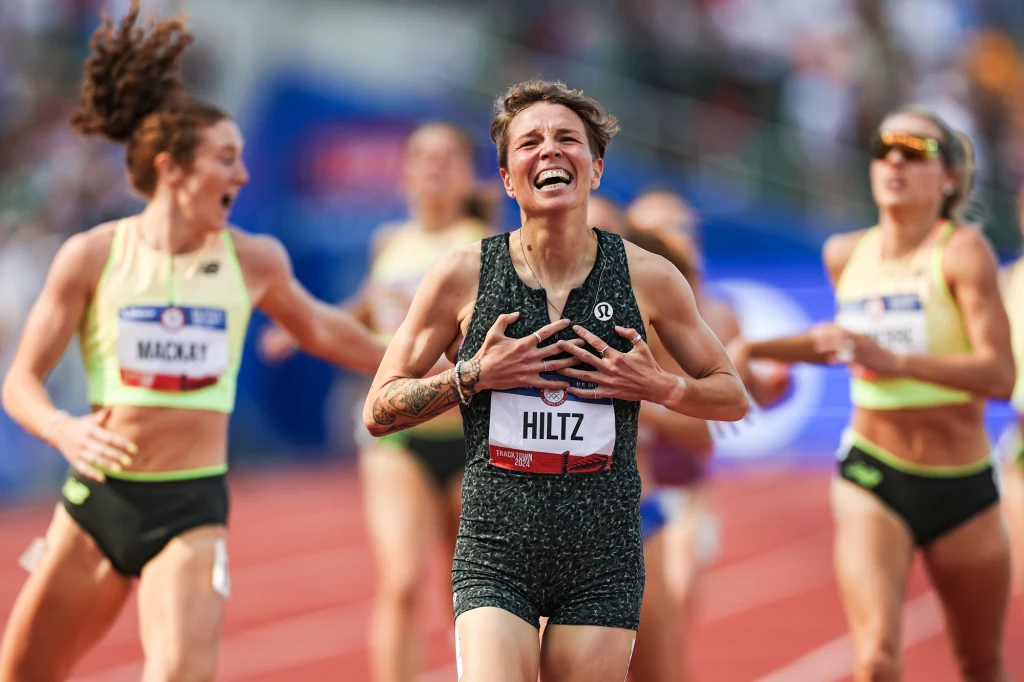
For the first time in decades, gender testing will return to Olympic sports. The last time gender tests were used was during the 1996 Atlanta Games, but the practice was abandoned due to ethical concerns. The reintroduction of such tests has sparked significant controversy, with critics arguing that they are outdated and discriminatory.
The tests, which will be conducted once in an athlete’s lifetime, aim to determine whether the athlete has the SRY gene, which is associated with male biological development. While the IOC argues that this is necessary to ensure fairness in competition, many believe it could lead to further exclusion of athletes who do not conform to traditional gender norms.
Supporters of the new policy argue that it will level the playing field for female athletes, ensuring that those who compete in the women’s category are biologically female. However, opponents argue that it will create a barrier for transgender athletes and others with unique biological characteristics.
The Exclusion of Athletes with Differences in Sexual Development
The IOC’s policy also has significant implications for athletes with differences in sexual development (DSD). DSD athletes, such as South African runner Caster Semenya, have been at the center of gender debates in sports. Semenya, who has XY chromosomes typically associated with males, has been barred from competing in women’s events due to her natural testosterone levels.
The new policy, which will require athletes to be tested for the SRY gene, will further marginalize athletes like Semenya who do not conform to traditional gender and sex classifications. The British Journal of Sports Medicine recently highlighted the lack of scientific evidence regarding the athletic performance advantages of athletes with DSD, calling the evidence “limited and problematic.”
For athletes like Semenya, the IOC’s new policy raises questions about the fairness of gender categorization in sports and whether athletes with natural differences in their biological makeup are being unfairly excluded from competition.
The Controversy Over Fairness in Sports

The issue of fairness in sports has been a hotly debated topic in recent years, particularly when it comes to transgender and intersex athletes. Critics of the IOC’s decision argue that it unfairly punishes athletes who are already marginalized in society. Transgender athletes, in particular, face significant challenges when trying to compete in sports, with many enduring discrimination and prejudice both on and off the field.
Opponents of the policy argue that it is unfair to exclude transgender athletes from competing in women’s events, especially when many have undergone medical treatments and hormone therapy to align their bodies with their gender identity. The policy, they claim, perpetuates harmful stereotypes about transgender athletes and fails to recognize their rights to compete fairly.
Others believe that the policy is necessary to protect the integrity of women’s sports, ensuring that female athletes are not forced to compete against individuals who may have a biological advantage due to male characteristics. This view is supported by organizations such as World Athletics, which has imposed similar restrictions on transgender athletes in certain events.
The IOC’s Stance on Safety and Equality

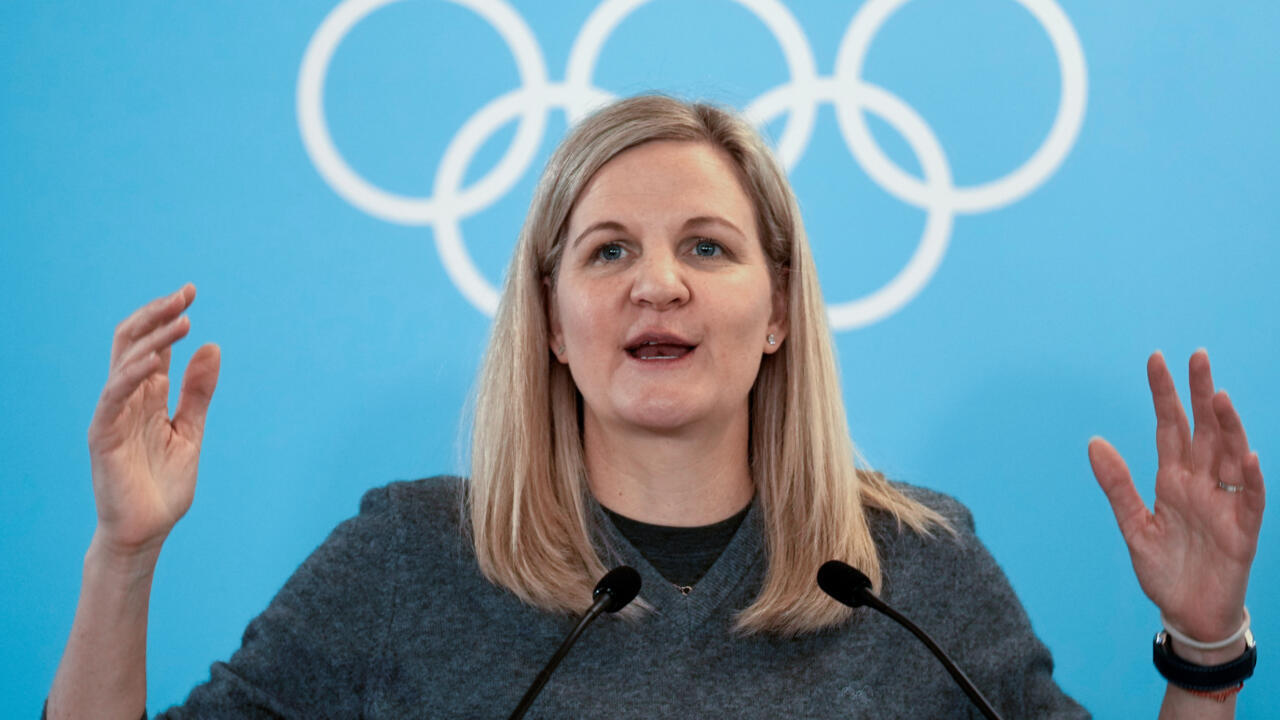
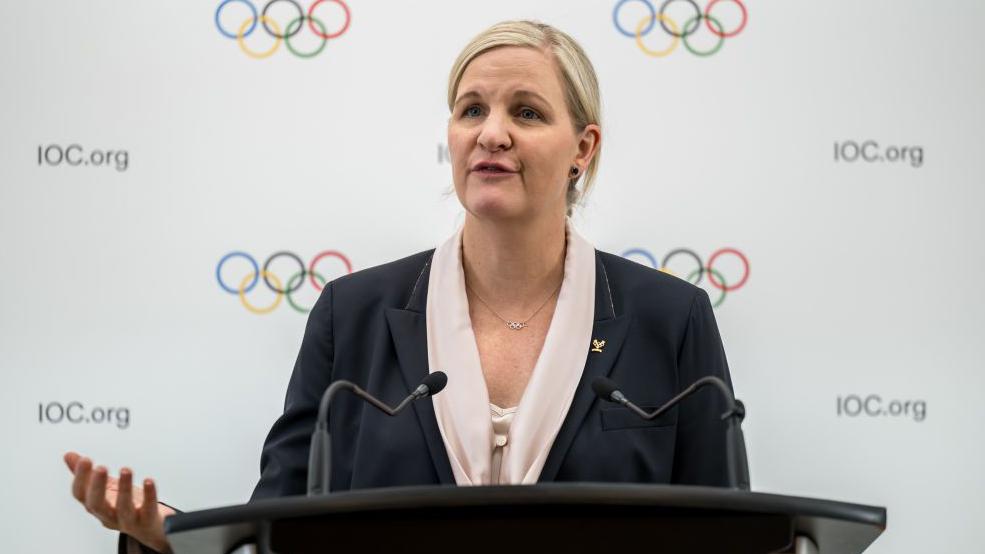
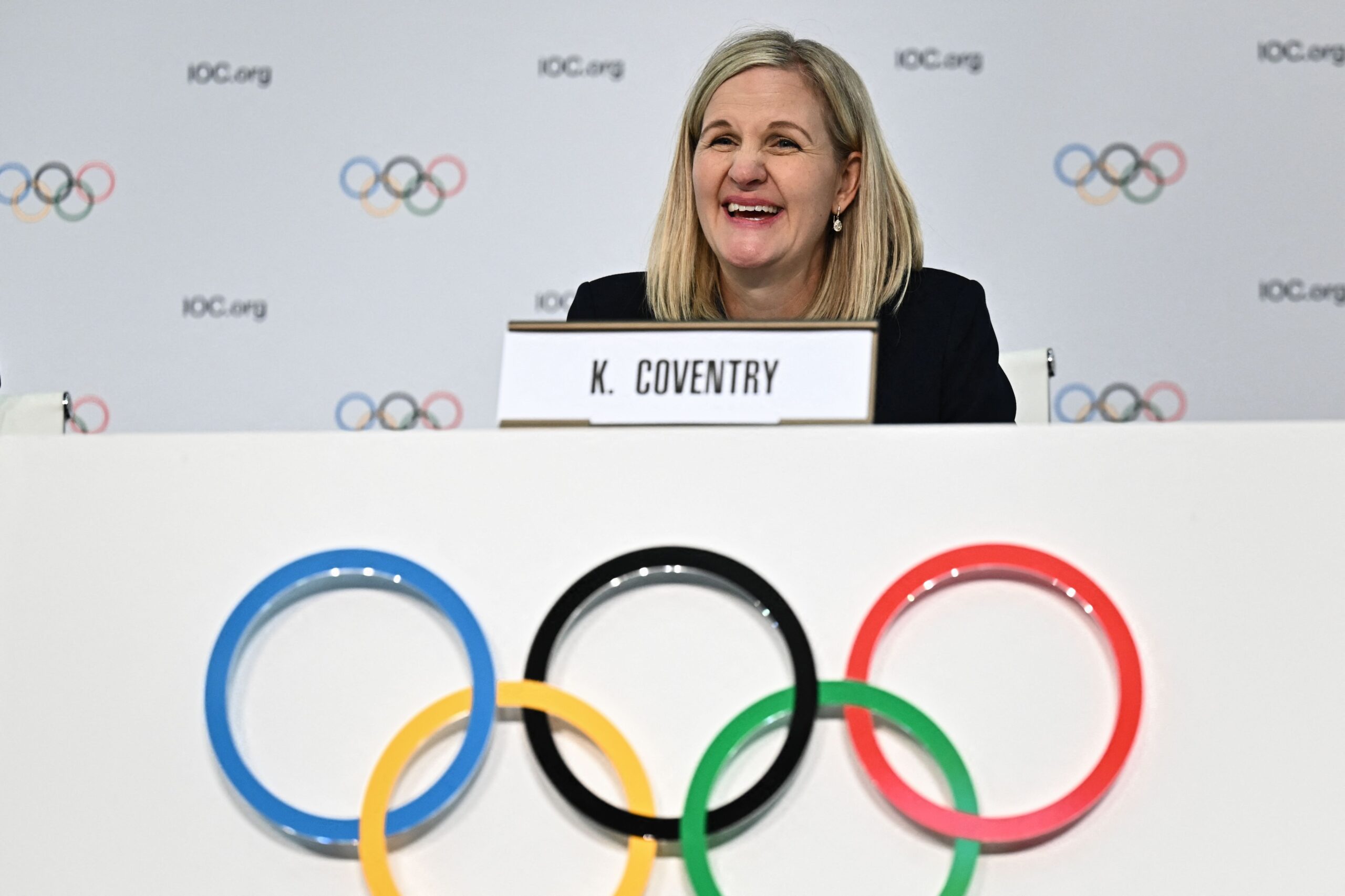
In her statement, IOC President Kirsty Coventry emphasized that the new policy was designed to protect the safety and equality of female athletes. She argued that it is important to maintain fairness in competition, particularly in sports where even the smallest physical advantages can have significant consequences on performance.
“We have to ensure that everyone has an equal chance to compete,” Coventry said. “At the Olympic Games, even the smallest margins can make the difference between victory and defeat.” She also stated that the policy is based on scientific research and the advice of medical experts, further justifying the decision.
However, this explanation has not satisfied all parties. Many have pointed out that the policy disproportionately affects transgender women and intersex athletes, who may face unique challenges that are not accounted for in the new policy. Critics argue that the IOC’s decision fails to consider the complex issues surrounding gender identity and the diverse range of biological differences that exist among athletes.
The Response from Advocates for Transgender Rights
The IOC’s decision has been met with strong opposition from LGBTQ+ rights groups and advocates for transgender athletes. These groups argue that the policy reinforces harmful stereotypes and discrimination against transgender people and that it undermines the inclusivity and diversity that sports should embrace.
Many activists have pointed to the lack of scientific evidence supporting the claim that transgender women have a competitive advantage in sports. They argue that the policy is based on unfounded fears and biases rather than factual evidence. In response, several prominent LGBTQ+ organizations have called for the IOC to reconsider its decision and adopt more inclusive policies that allow transgender athletes to compete fairly.
The Impact on Future Olympic Games
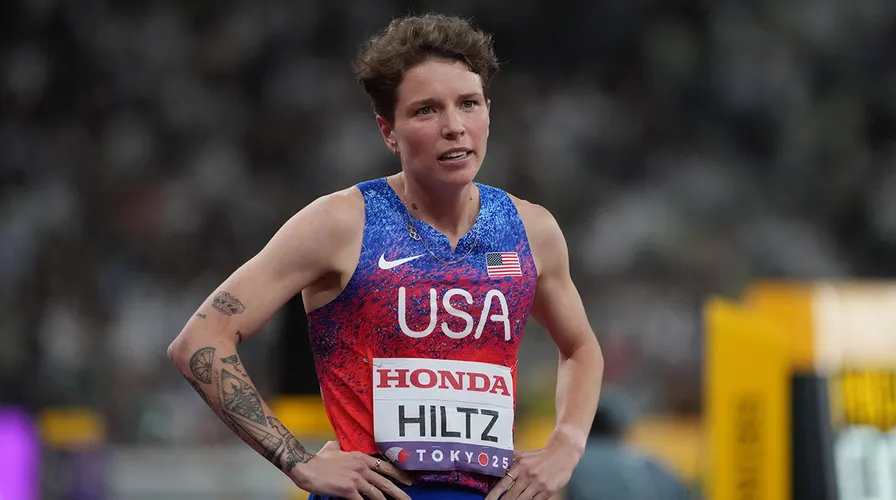
The IOC’s decision to implement this new policy will have significant ramifications for future Olympic Games, starting with the 2028 Los Angeles Olympics. Transgender women and athletes with DSD will now face significant barriers to participation in women’s events, which could lead to legal challenges and protests from advocacy groups.
Some athletes may choose to forgo competition altogether rather than comply with the new gender testing requirements, which could reduce the diversity and inclusivity of the Games. Additionally, the policy could discourage transgender athletes from pursuing sports professionally, which would further exacerbate the lack of representation in competitive athletics.
The Growing Tensions Between Inclusion and Fairness
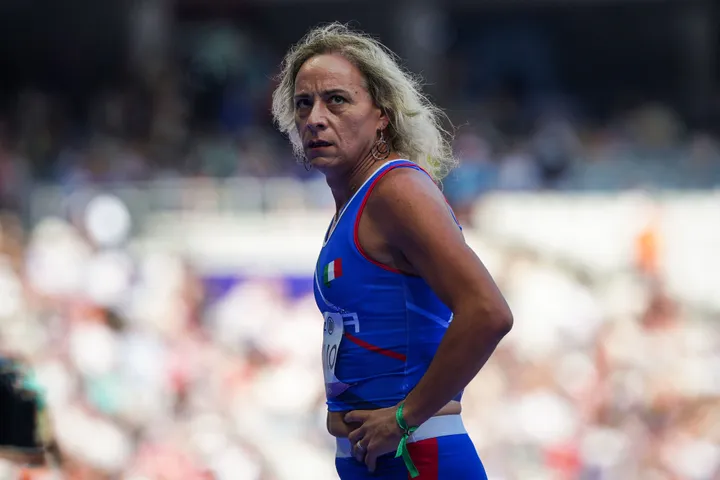
The growing tensions between inclusion and fairness in sports are becoming increasingly apparent as more sports organizations implement policies that restrict the participation of transgender athletes. While these policies are often framed as protecting the integrity of women’s sports, they also highlight the challenges of balancing fairness with inclusivity.
The IOC’s decision is likely to set a precedent for other sports organizations to follow, and the debate over how to accommodate transgender and intersex athletes will continue to evolve. Advocates for transgender rights argue that sports should be more inclusive and that policies should be developed to ensure that all athletes, regardless of gender identity, have an equal opportunity to compete.
The Broader Implications for Society
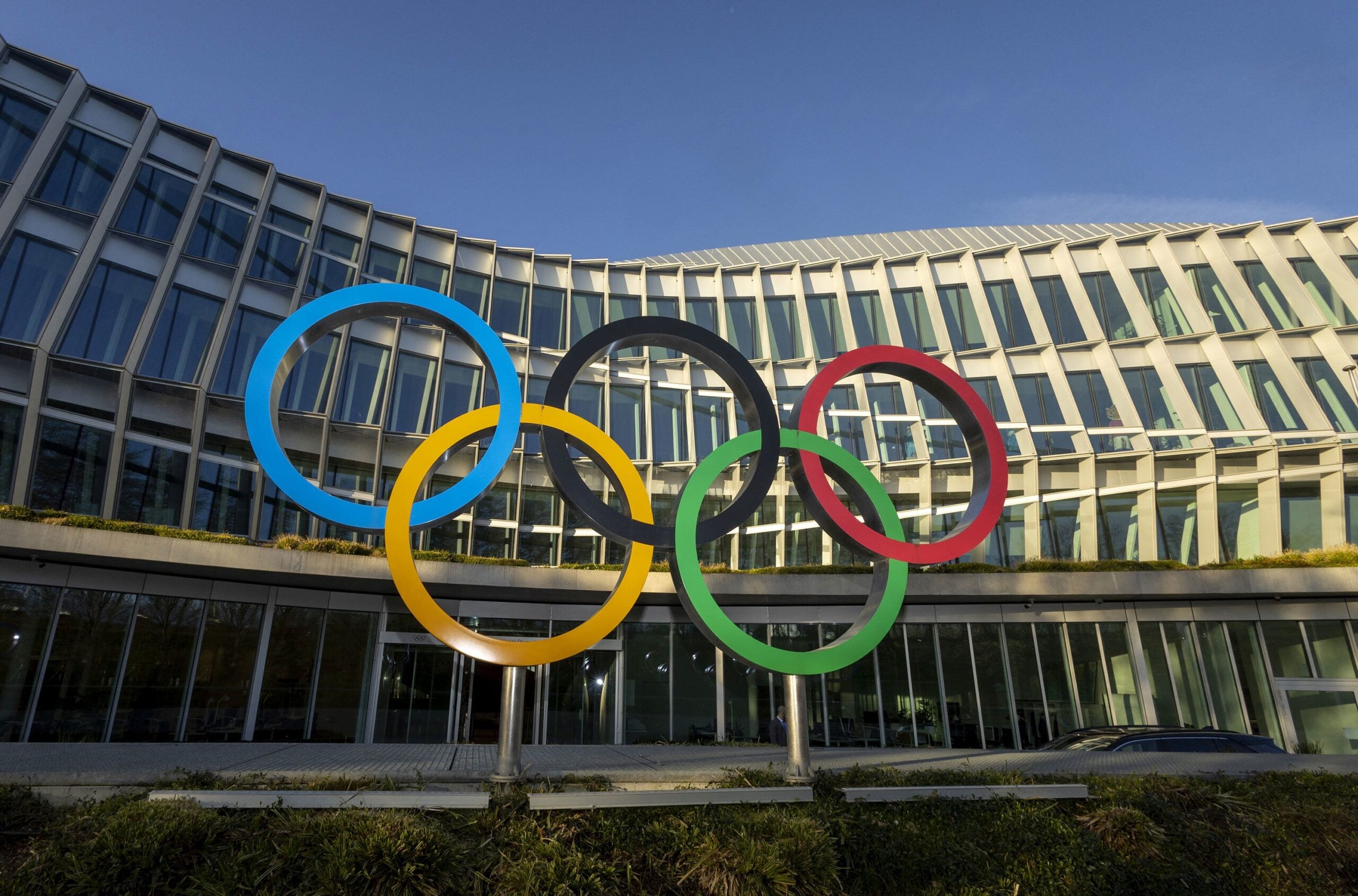
The IOC’s decision on transgender athletes has broader implications for society, particularly in terms of how gender is understood and classified. Gender identity is a deeply personal and complex issue, and the IOC’s decision reflects the ongoing struggle to balance biological factors with the rights of individuals to express their gender identity freely.
The policy also highlights the broader societal tensions between science, politics, and personal identity. As gender identity becomes an increasingly important issue in the public sphere, the debate over how to accommodate transgender and intersex individuals will continue to shape the policies and practices of various institutions, including sports organizations.
The Future of Gender and Sports
The IOC’s new policy on transgender athletes marks a turning point in the way gender is perceived and regulated in sports. While the policy aims to ensure fairness and protect the integrity of women’s sports, it also raises important questions about inclusion, representation, and the rights of transgender athletes.
As the debate over gender in sports continues to unfold, it is crucial to strike a balance between fairness and inclusivity, recognizing the unique challenges faced by transgender athletes while ensuring that all competitors have an equal opportunity to succeed. The IOC’s decision will undoubtedly have a lasting impact on the future of gender and sports, and it remains to be seen how the policy will evolve in the years to come.