
Table of Contents
- The Controversial Comment From Joe Rogan
- The History of Using War to Stay in Power
- Joe Rogan’s Confusion About the War
- The Influence of Israel on the U.S. Decision
- Trump’s Role in the War
- The Betrayal Felt by Trump Supporters
- The Role of the Epstein Files in the Larger Narrative
- The Morality of War in 2026
- Trump’s Potential Manipulation by His Advisors
- The Future of U.S.-Iran Relations
- What Does It All Mean?
The Controversial Comment From Joe Rogan
Joe Rogan, the host of The Joe Rogan Experience, recently made waves with his take on the ongoing conflict between the United States and Iran. On the April 2, 2026, episode, Rogan shared his skepticism about the reasoning behind the war, suggesting that U.S. leaders, including former President Donald Trump, may have initiated the conflict to divert public attention from the growing controversy surrounding the Epstein files.
Rogan’s theory centers on the idea that in history, wars have often been used as distractions to rally public support and shift the focus away from domestic issues. He didn’t directly link the war with the Epstein case but mentioned that if he were in a position of power, launching a war could serve as a diversion from scandals that were hard to ignore. This remark raised eyebrows, particularly given the swirling accusations surrounding Trump and the ongoing investigations into his past associations.
The History of Using War to Stay in Power
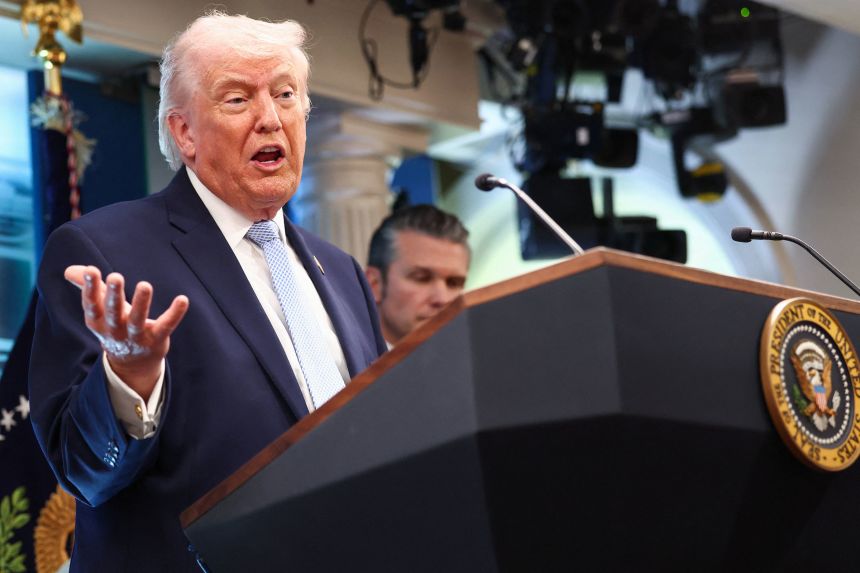
Rogan further discussed the historical precedent for leaders using military conflicts as a method to secure their positions. In the past, leaders have initiated wars to rally their citizens, strengthen their grip on power, and stifle opposition. While Rogan didn’t explicitly claim that Trump had engaged in such a tactic, he suggested that if someone were “psychotic” enough to do so, it would be a logical step.
He argued that, in extreme cases, the potential to ignite a war and distract from embarrassing political controversies could be enticing. For many people, especially those who feel betrayed by their government, this theory rings true. After all, Trump ran for president on a platform promising to end unnecessary wars, only to later find himself in one.
Joe Rogan’s Confusion About the War
On the podcast, Rogan expressed confusion about why the United States entered a war with Iran in the first place. He noted that the reasons given for the conflict seemed vague and unconvincing. “Supposedly, they’re trying to stop the terrorists,” Rogan commented, questioning the official justification.
This sentiment was echoed by many Americans who felt similarly uninformed about the true motives behind the war. The conflict was launched under the premise of protecting national security, but for many, the reasons seemed unclear and contradictory. Rogan’s reaction was one of disbelief—“When we started bombing Iran, I was like this can’t be true.”
The Influence of Israel on the U.S. Decision
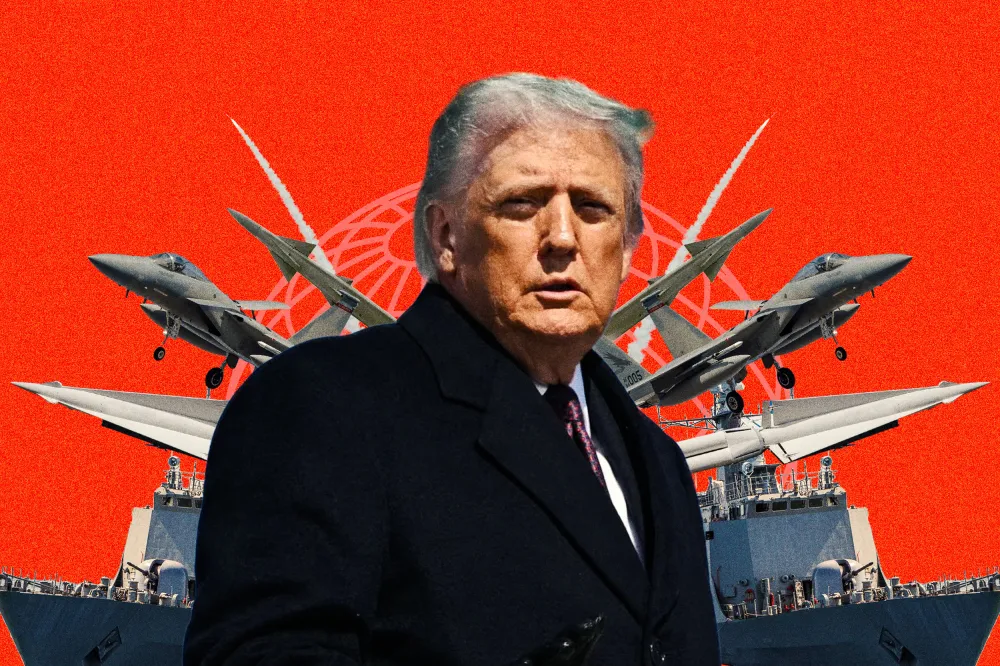
Rogan also alluded to the influence of other nations, particularly Israel, in the U.S.’s decision to engage in the war. He raised the possibility that Israel’s interests might have played a significant role in the U.S. decision to launch an attack. Rogan’s comments echo growing concerns that the U.S. is often drawn into conflicts based on foreign interests, rather than clear domestic benefit.
This speculation adds another layer to the mystery surrounding the war with Iran. If the U.S. is acting in the interests of another nation, the public may find it even harder to justify the loss of life and resources involved in the conflict.
Trump’s Role in the War
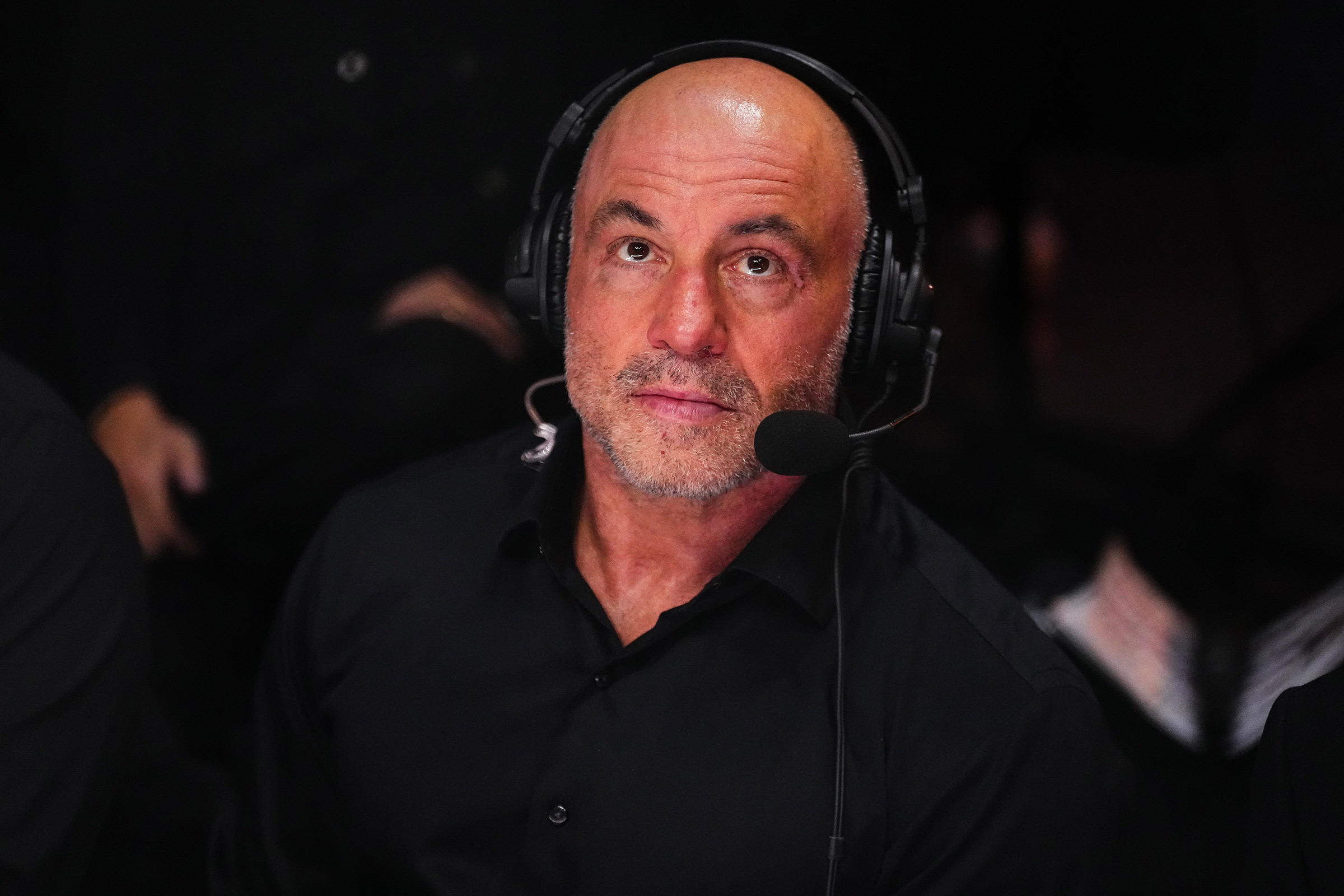
Interestingly, Rogan speculated that Trump himself might not have fully understood the ramifications of the war. He suggested that Trump may have been misled by those within his administration who pushed for military action. According to Rogan, these individuals might have failed to provide Trump with a clear and nuanced perspective on the situation.
This idea adds a level of complexity to the narrative. Could Trump have been unknowingly manipulated into engaging in the war? Or was he aware of the broader implications but chose to act anyway? These are questions that many Americans continue to ask, as they try to make sense of the conflict and its lasting impact.
The Betrayal Felt by Trump Supporters
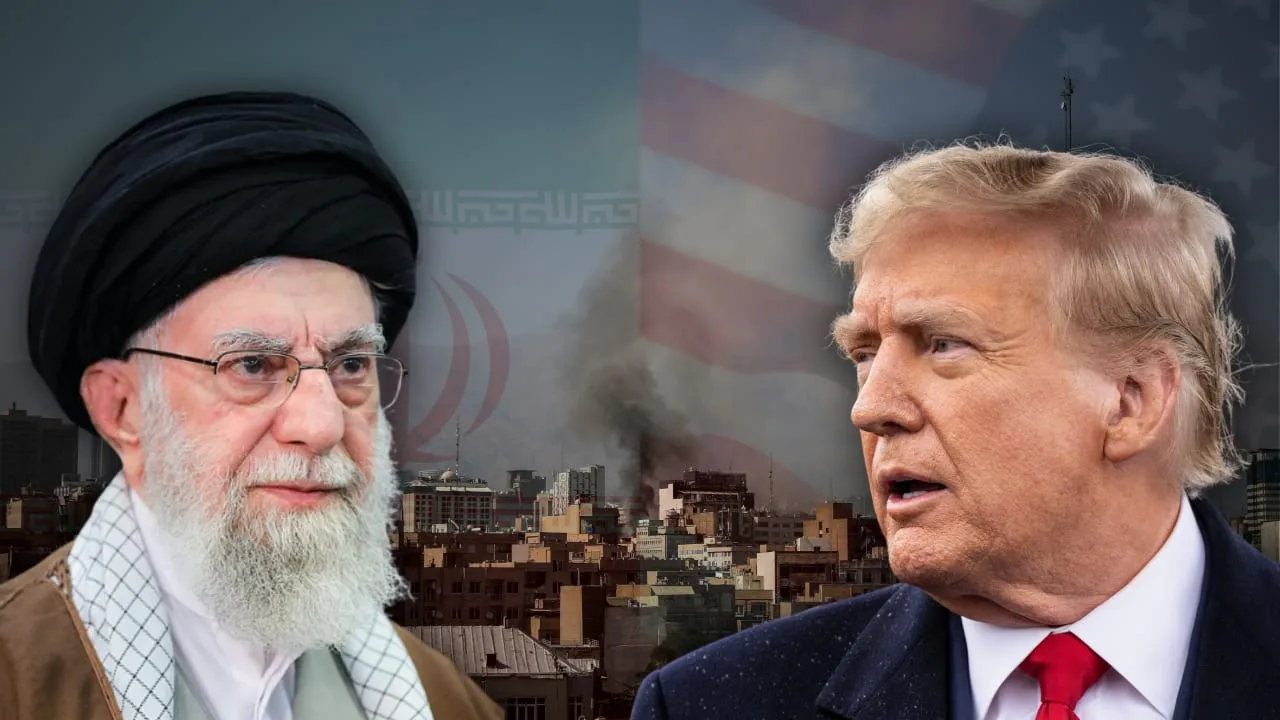
Rogan also spoke about the sense of betrayal felt by Trump’s supporters, many of whom voted for him because of his promise to avoid unnecessary wars. Trump’s campaign was built on the idea of keeping the U.S. out of foreign entanglements, yet he ended up embroiled in one of the most controversial conflicts of his presidency.
This discrepancy between Trump’s campaign rhetoric and his actions has led to a feeling of disillusionment among his base. For many, the war with Iran represents a betrayal of the promises that led them to support him in the first place. This frustration has only added fuel to the fire of political division in the U.S.
The Role of the Epstein Files in the Larger Narrative
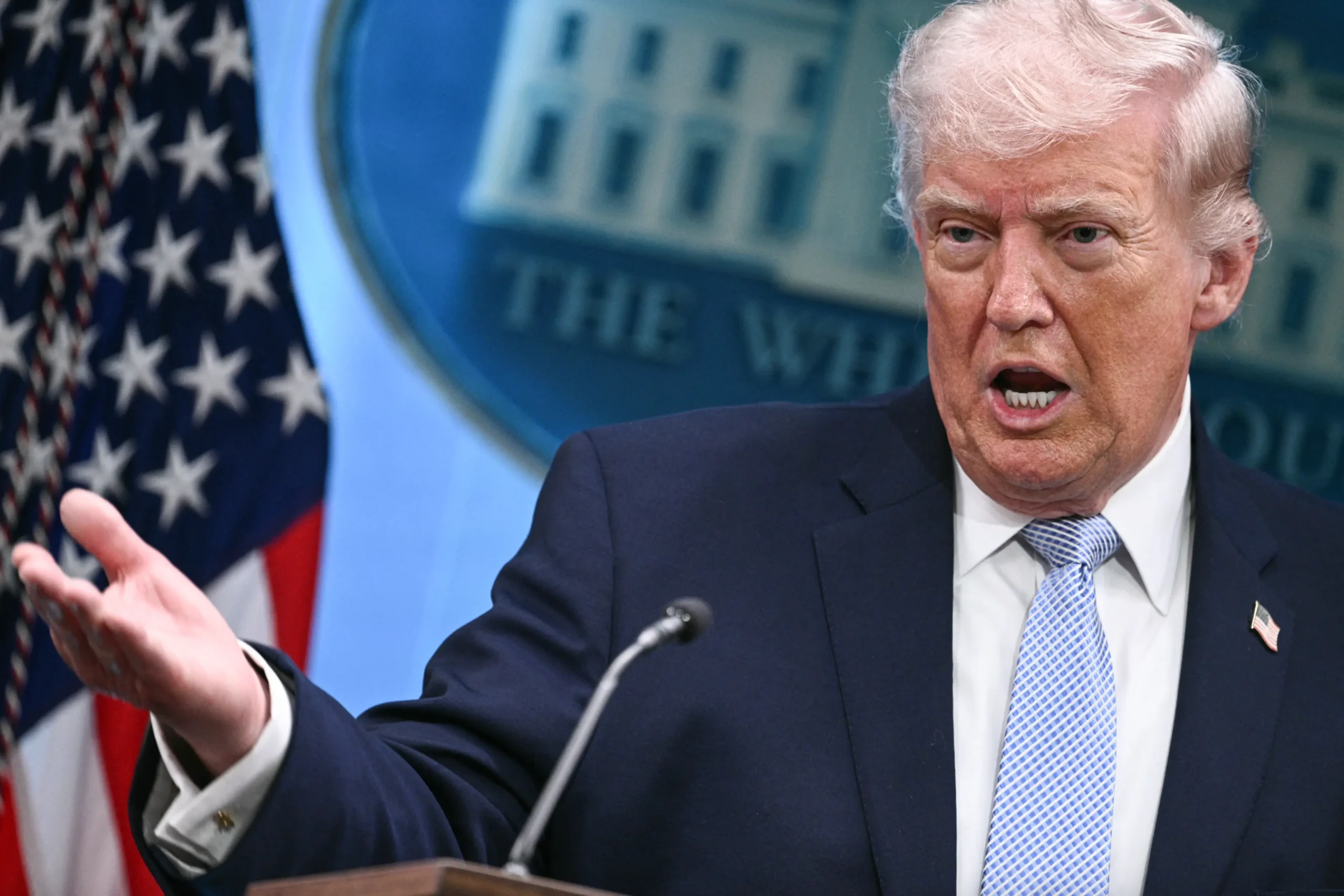
While Rogan never explicitly mentioned Jeffrey Epstein during his podcast, it’s clear that the ongoing investigation into Epstein’s associates and his death remains a central issue in the public eye. The Epstein case has been linked to a number of high-profile individuals, including Trump, and has led to increasing speculation about the lengths to which powerful people will go to protect their secrets.
Could the war with Iran have been a way to divert attention from the Epstein files? While Rogan was careful not to make this direct claim, the timing of the conflict and the ongoing investigation into Epstein’s death have certainly raised eyebrows. For many, the two events are inextricably linked.
The Morality of War in 2026
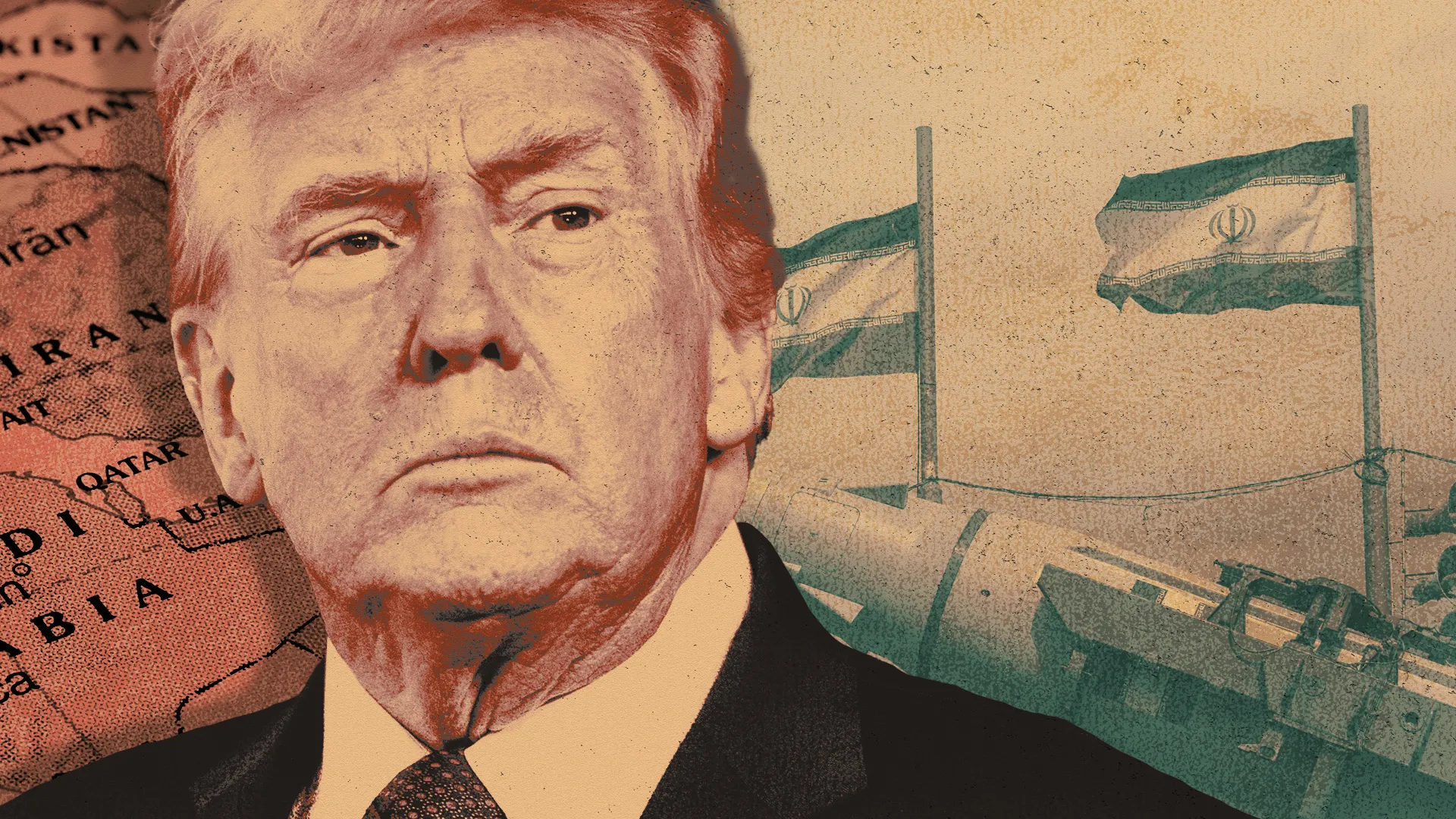
Rogan didn’t hold back in expressing his concerns about the morality of war in 2026. He painted a bleak picture of a world where drones and missiles are used to target civilians, including schools and apartment buildings. “The idea that the only way to solve problems is by dropping bombs on people is — it’s so crazy,” Rogan stated.
These comments serve as a stark reminder of the human cost of war. In an era where technological advancements have made warfare more efficient but also more deadly, the impact on innocent civilians cannot be ignored. For Rogan, the question is no longer about whether war is justified, but about whether it is even morally acceptable in today’s world.
Trump’s Potential Manipulation by His Advisors
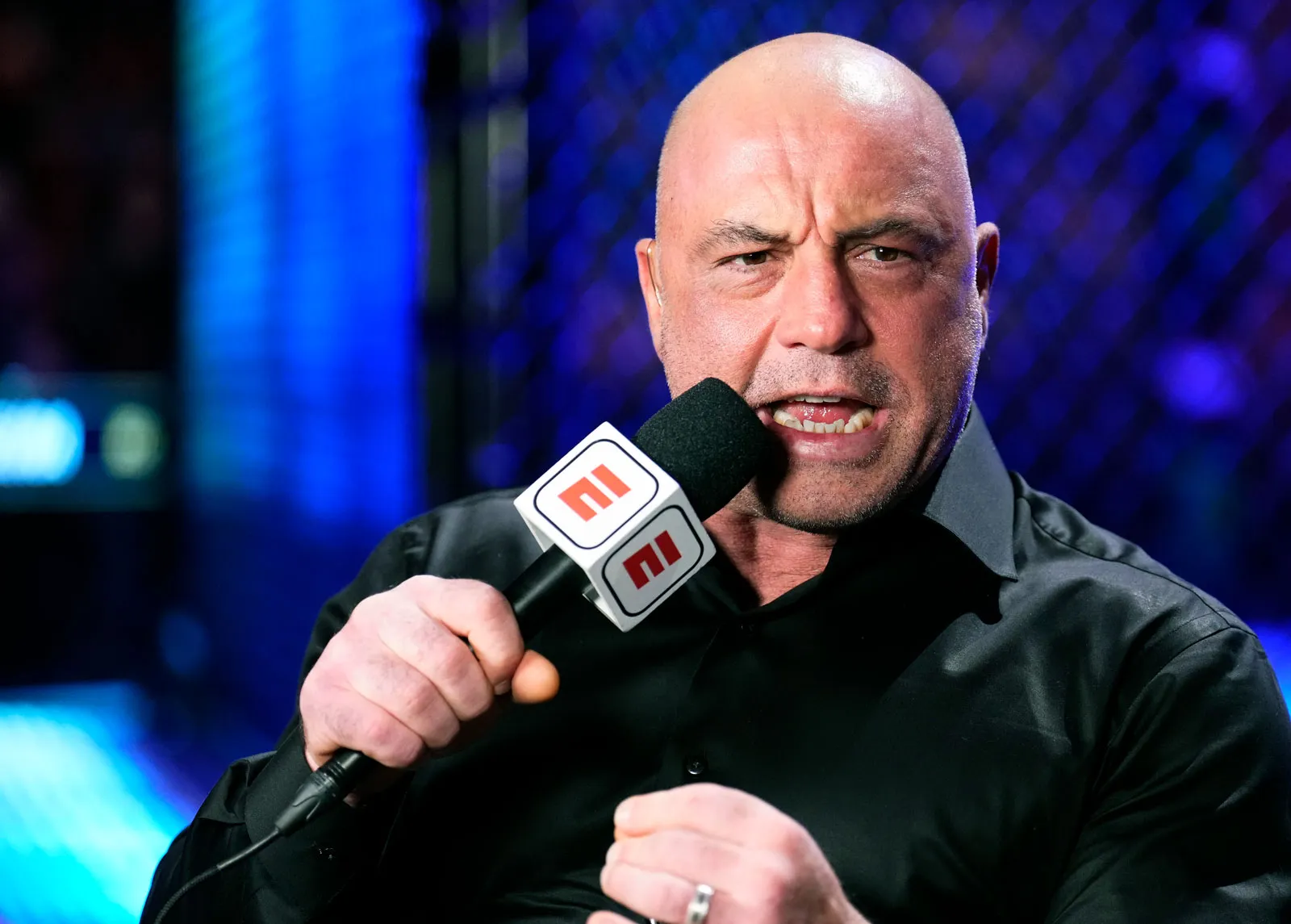
The idea that Trump may have been manipulated by his advisors into engaging in the war raises serious questions about his role in the decision-making process. Rogan suggested that Trump may have been misled by those around him, who didn’t give him a complete picture of the situation. This theory paints a picture of a leader who is not entirely in control of his own administration.
While some may view this as a plausible explanation, others argue that Trump was fully aware of what he was doing. Regardless of the truth, this speculation has added fuel to the fire of political debate surrounding the war with Iran.
The Future of U.S.-Iran Relations

Looking ahead, the conflict with Iran is likely to have long-lasting implications for U.S. foreign policy. The war has already strained relations between the U.S. and other countries, particularly those in the Middle East. It has also raised questions about the future of U.S. involvement in foreign conflicts and the role that Israel and other allies play in shaping American military decisions.
For many, the war with Iran is just the latest chapter in a long history of U.S. foreign interventions. Whether it will serve as a turning point in U.S. foreign policy remains to be seen.
What Does It All Mean?
The conflict with Iran has sparked intense debate about the motivations behind U.S. military action and the role of key players, including Donald Trump and Israel. Joe Rogan’s comments have added an additional layer of intrigue to the discussion, suggesting that the war may have been a strategic move to deflect attention from the Epstein files. While this theory remains speculative, it raises important questions about the nature of modern warfare and the lengths to which political leaders will go to protect their interests.
As the situation continues to unfold, one thing is clear: the war with Iran is far from over, and its impact will be felt for years to come.