
Table of Contents
- The Delays and Cancellations of Data Centers
- The Environmental Impact of Data Centers
- Rural Communities: The Hidden Costs
- The U.S. Government’s Role and Supply Chain Solutions
- The Growing Public Distrust of Data Center Expansion
- The Financial Implications for Tech Giants
- The Future of Data Center Construction
- The Need for a Sustainable Approach
The Delays and Cancellations of Data Centers
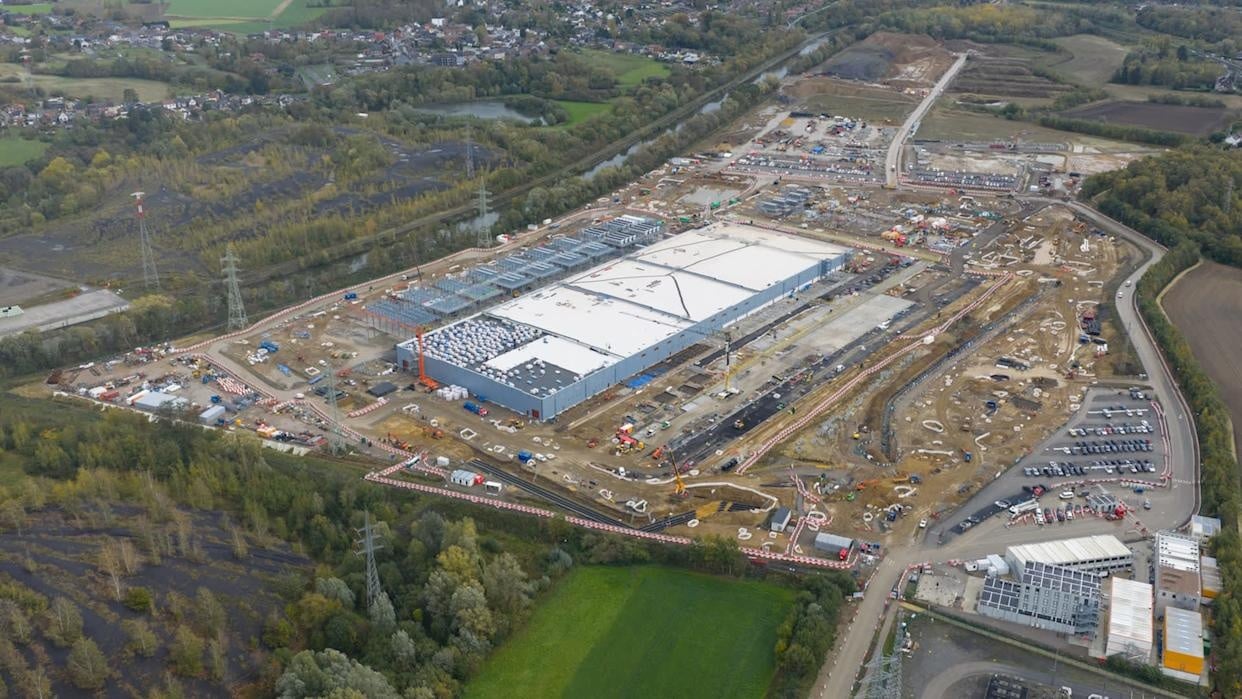
In a sector already struggling with high demand, the delay or cancellation of approximately half of the U.S. data centers planned for 2026 could significantly hinder technological progress. According to industry analysts, these delays are primarily due to complications in securing essential components, such as power supplies and cooling systems. Supply chain disruptions, which have plagued global industries since the COVID-19 pandemic, have proven especially detrimental to the construction of these high-tech facilities. As companies increasingly rely on foreign imports to meet their needs, U.S.-based manufacturers have struggled to ramp up capacity fast enough, leading to project setbacks.
Andrew Likens, energy and infrastructure lead at Crusoe Energy Systems, expressed the frustration of many in the industry, stating, “If one piece of your supply chain is delayed, then your whole project can’t deliver.” The situation is exacerbated by the increasing reliance on overseas suppliers for critical components, including electrical parts, making it even harder to meet the demands of a rapidly growing industry.
The Environmental Impact of Data Centers
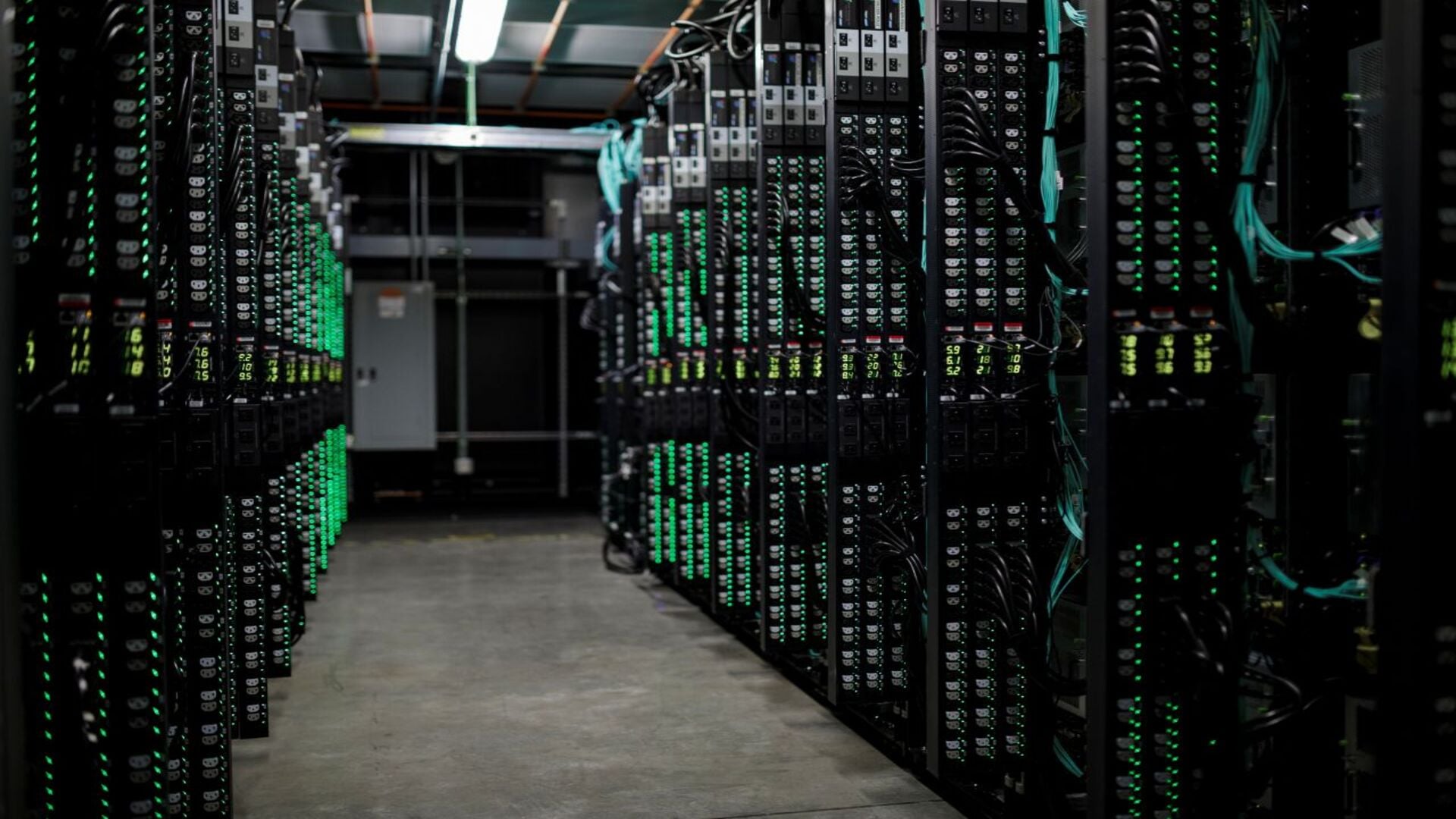
As the construction of new data centers faces delays, the growing environmental concerns surrounding these facilities continue to rise. Data centers are notorious for their massive power consumption, and experts are increasingly calling attention to their environmental footprint. According to reports, some data centers are expected to consume up to 12 gigawatts of power, which raises significant concerns about energy sustainability.
For years, industry leaders have been working to improve energy efficiency in data centers. Yet, despite advances in technology, many of the new projects planned for 2026 are still relying on power-hungry designs. With energy demand expected to skyrocket, some are questioning whether expanding the number of data centers is truly sustainable in the long run.
On social media platforms, such as X (formerly Twitter), many users have expressed frustration over the proliferation of data centers, calling for companies to pivot toward improving the efficiency of existing infrastructure instead of building new, power-hungry centers. One post summed up the sentiment with a GIF of actor Matthew McConaughey, accompanied by the caption: “You gotta pump those numbers up, those are rookie numbers.”
Rural Communities: The Hidden Costs
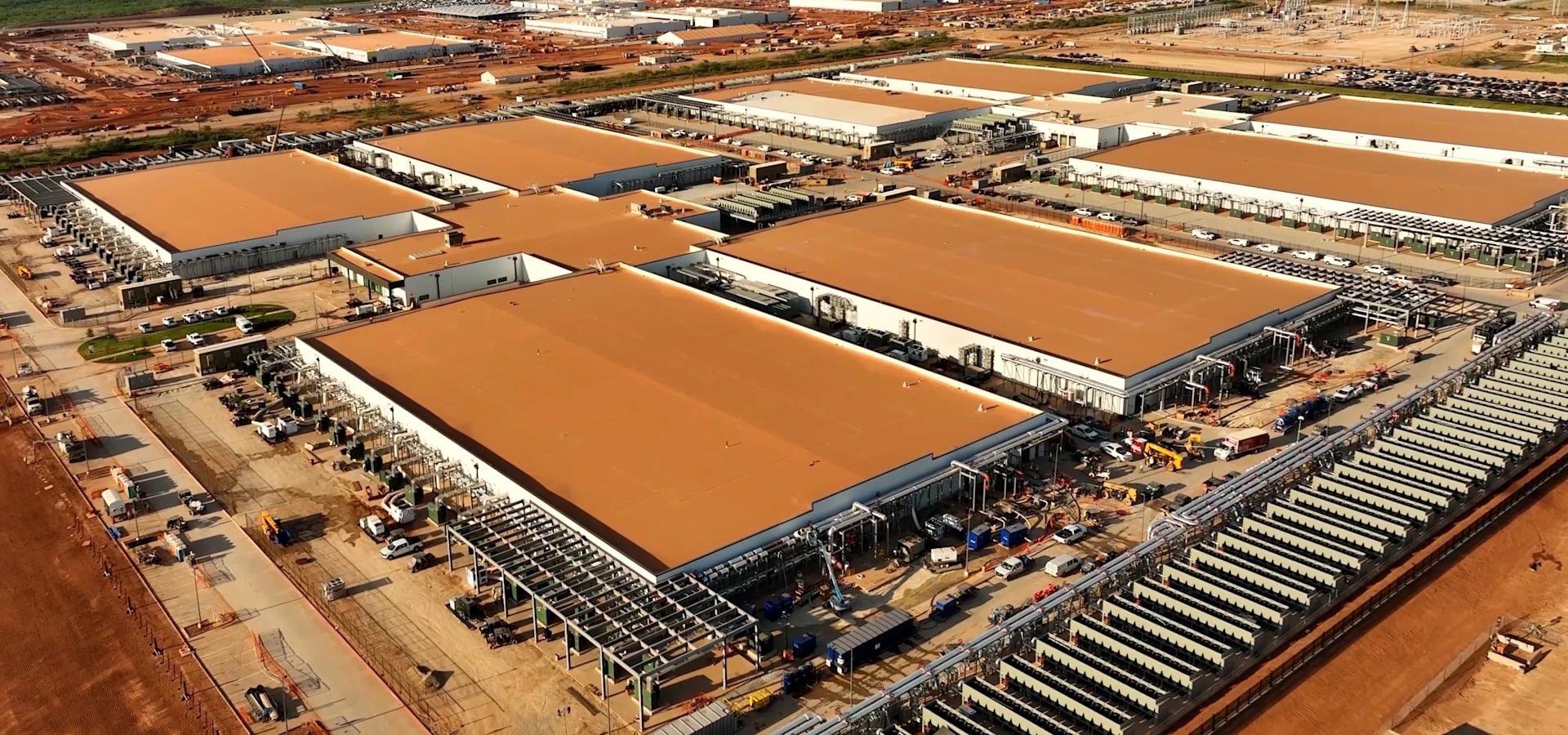
While the environmental impact of data centers is a major concern, rural communities are also bearing the brunt of the expansion. Many tech giants are increasingly targeting undeveloped land in rural areas to build their massive data centers. These facilities require vast amounts of space, often in areas that were previously untouched by large-scale industrial development.
Local residents have expressed concerns about the detrimental effects these centers can have on their communities. Rural towns are grappling with the consequences of the land being repurposed for these high-tech projects. Issues such as rising electricity costs, increased traffic, and environmental degradation are at the forefront of community concerns. One commenter on social media encapsulated the sentiment, saying, “Less data, more clean water, peaceful neighborhoods, fresh air. We do not need these data centers.”
The U.S. Government’s Role and Supply Chain Solutions
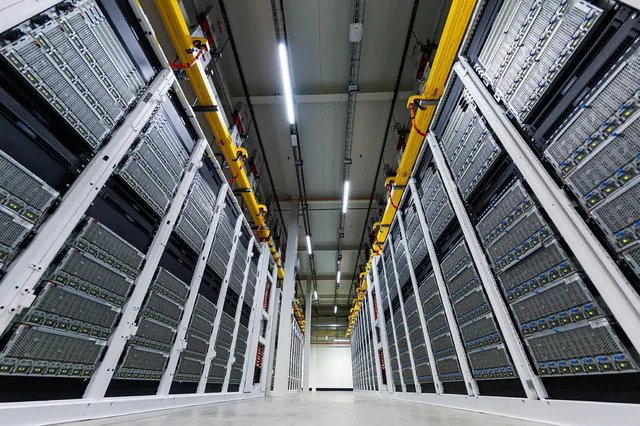
The U.S. government has recognized the mounting challenges in the construction of data centers and has made efforts to reduce the country’s dependence on foreign imports, particularly from China. However, these efforts have shown minimal progress in terms of domestic capacity for electrical build-out. While tech giants have lobbied for better supply chain solutions, the government’s initiatives to boost local manufacturing capabilities have not moved quickly enough to keep pace with demand.
This disconnect between policy goals and the realities of infrastructure development is becoming a growing concern for the tech industry. Analysts from Sightline Climate note that, despite announcements of new data centers consuming massive amounts of power, only a third of these projects have even begun construction. This stark discrepancy underscores the difficulties that the industry faces in balancing ambitious expansion plans with the current limitations of U.S. manufacturing and supply chains.
The Growing Public Distrust of Data Center Expansion
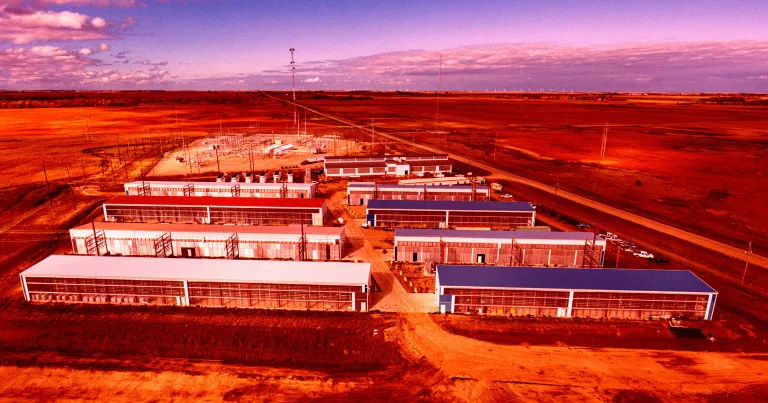
Public opinion is also shifting as more residents become aware of the consequences of data center expansion in their communities. On platforms like X, users have expressed dissatisfaction with the current state of affairs. Many argue that the industry should prioritize improving the efficiency of existing data centers rather than continuing to build new ones. The prevailing sentiment is that the focus should shift from expansion to ensuring that the existing infrastructure is sustainable and environmentally responsible.
In a country already facing issues with energy consumption and climate change, the expansion of data centers presents a clear dilemma. As communities become more vocal about the potential harms of these facilities, the push for more sustainable solutions grows louder. The concerns expressed by residents highlight a growing public awareness of the environmental and social costs of unchecked technological expansion.
The Financial Implications for Tech Giants
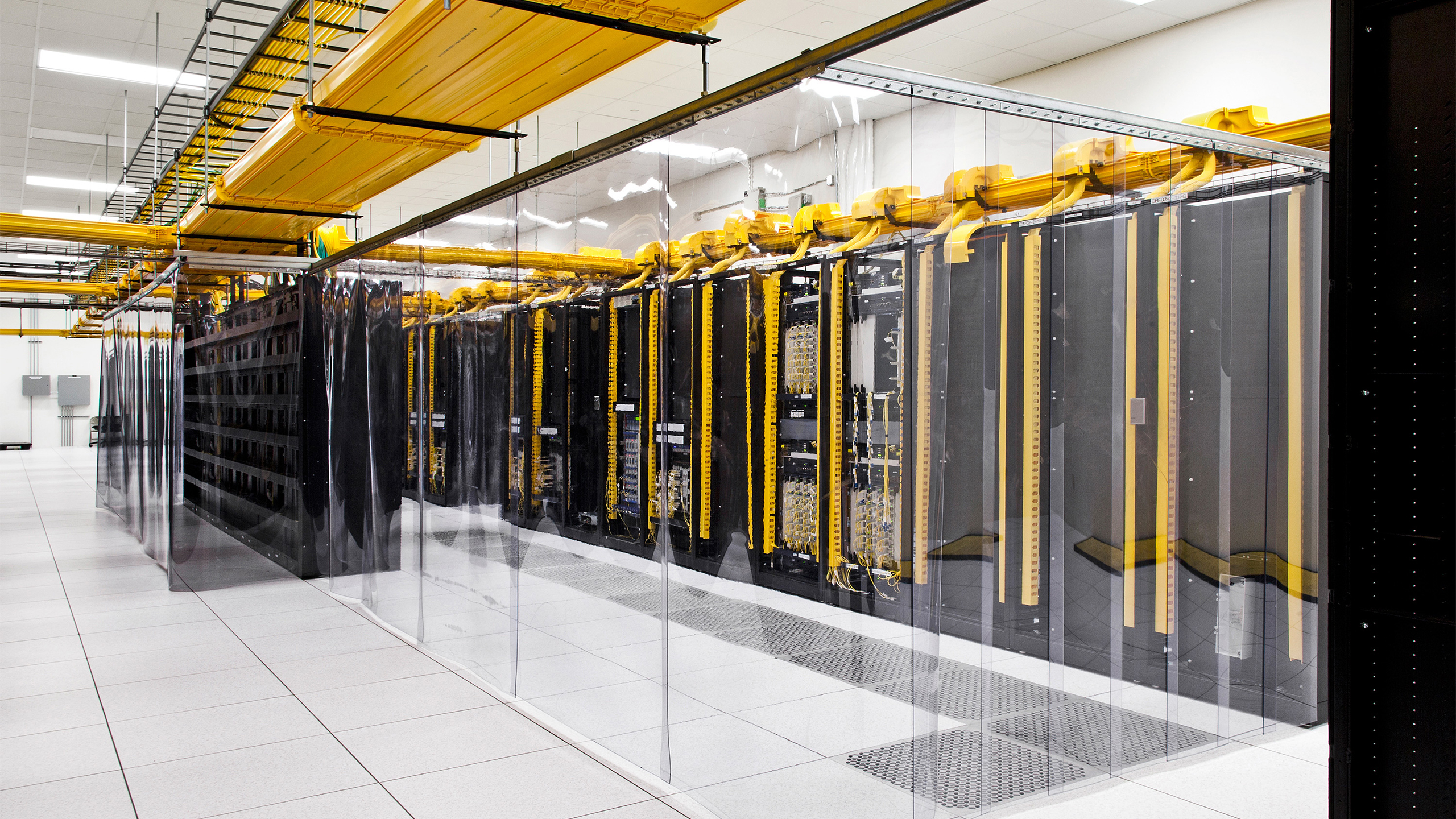
For the tech companies involved in the construction of these data centers, the financial implications of delays and cancellations are substantial. These firms, including some of the largest players in the industry, have billions of dollars tied up in infrastructure projects set to launch in 2026. With nearly half of these projects now delayed or canceled, tech giants face the risk of significant financial losses and reputational damage.
These delays also impact the companies’ ability to scale their services to meet growing demand. As more businesses shift to cloud computing and digital operations, the need for data storage and processing power continues to rise. However, with fewer data centers coming online as planned, tech companies will likely face increased pressure to optimize their existing facilities to handle this increased demand.
The Future of Data Center Construction
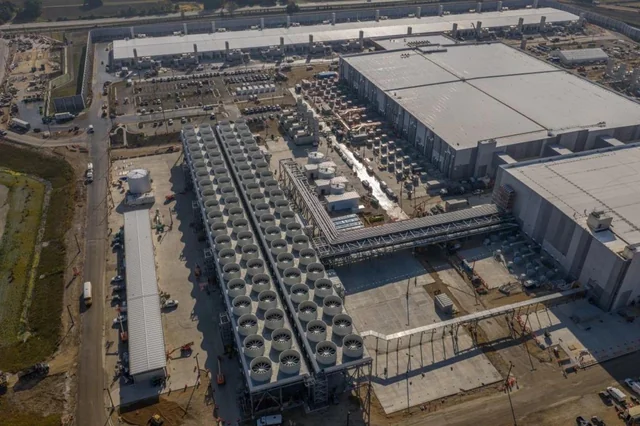
Looking ahead, the future of data center construction remains uncertain. Supply chain disruptions are expected to continue, and the lack of domestic manufacturing capacity could make it even harder to meet the needs of the rapidly expanding industry. As reliance on foreign imports grows, the delays in the construction of new data centers could worsen.
The industry is already exploring alternative solutions to address these challenges. Some companies are focusing on improving the energy efficiency of existing data centers, while others are investing in new technologies that could reduce their reliance on traditional power sources. However, it remains to be seen whether these innovations will be enough to offset the delays and cancellations that have become a common theme in the data center sector.
The Need for a Sustainable Approach
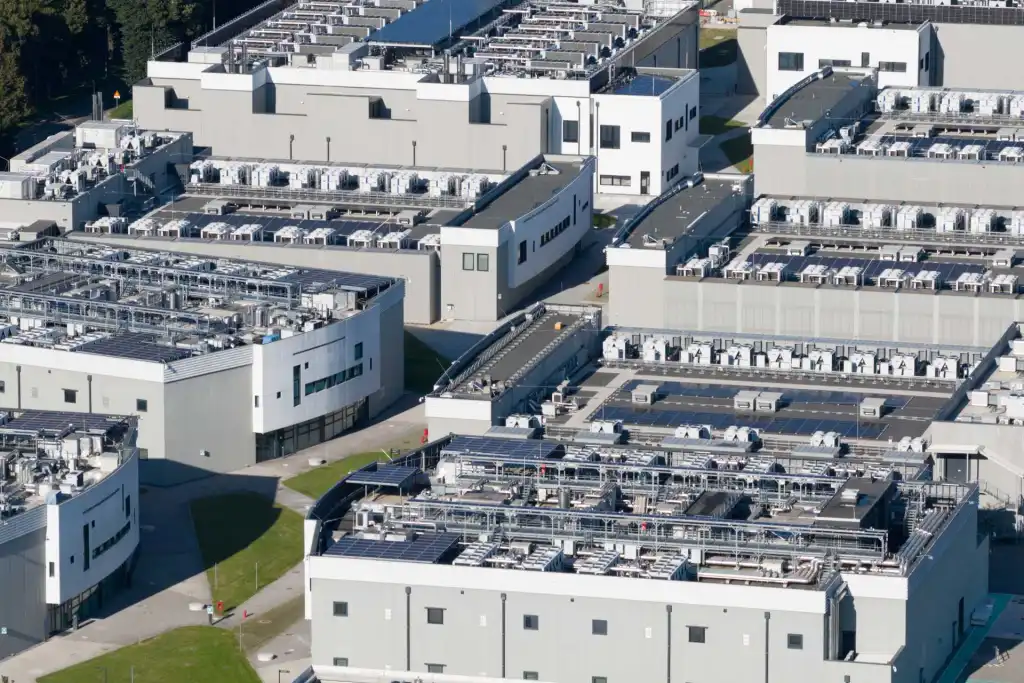
As the number of delayed or canceled data centers continues to rise, it is clear that the current approach to expansion is unsustainable. Supply chain issues, environmental concerns, and the lack of domestic manufacturing capacity are all contributing to a growing crisis in the data center industry. The future of data center construction depends on a shift in priorities—moving away from unchecked expansion and toward more sustainable practices that prioritize energy efficiency and environmental responsibility.
The public’s increasing resistance to the construction of new data centers highlights the urgent need for a more balanced approach. As the industry faces these challenges, it must consider the long-term implications of its expansion efforts, both for the environment and the communities impacted by these massive projects.