
Table of Contents
- Trump’s Intervention in Iran’s Justice System
- The Iranian Judiciary’s Response
- The Controversial Cases of the Eight Women
- Trump’s Strategic Timing: The Ceasefire and Diplomatic Efforts
- Iran’s Denial of Execution Orders
- The Role of Human Rights Activists
- The Political Ramifications of Trump’s Actions
- The Global Reactions to Trump’s Announcement
- What This Means for U.S.–Iran Relations
Trump’s Intervention in Iran’s Justice System
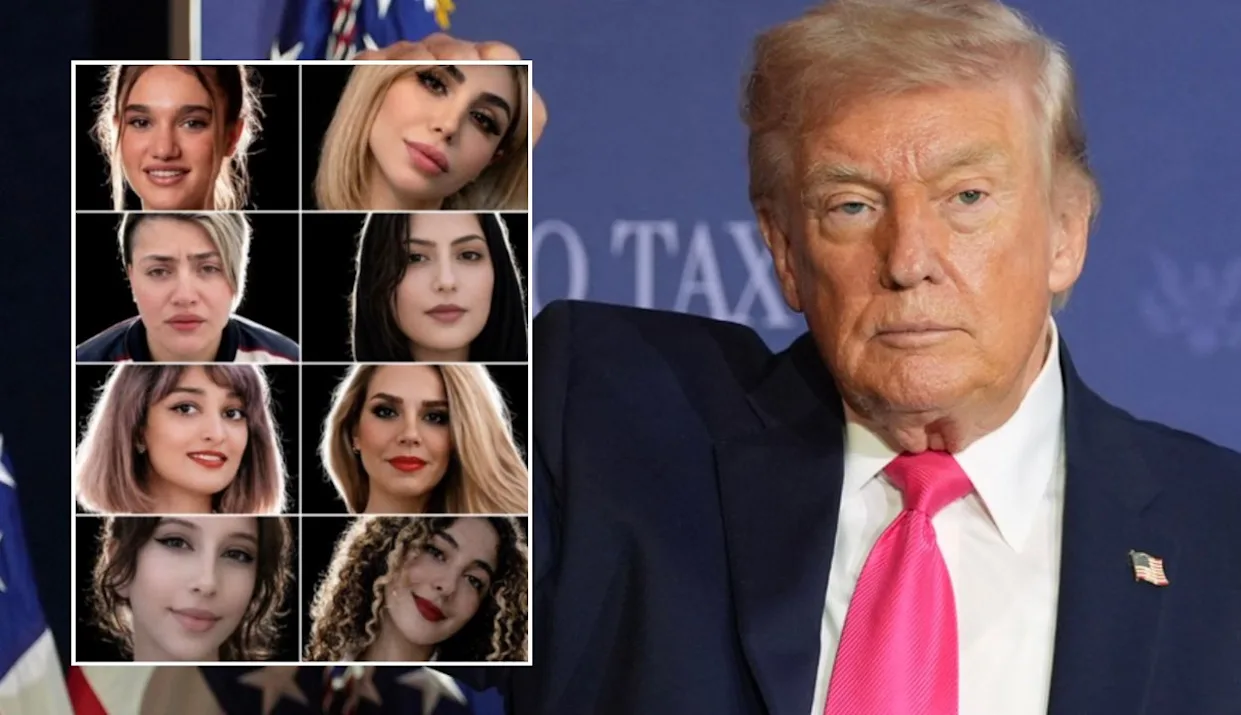
President Trump’s involvement came after weeks of mounting pressure from human rights groups and international organizations. The eight women, who had been part of protests in early 2026 against the Iranian government, were at the center of an escalating crisis. Their sentences had been described as a severe crackdown on dissent, drawing criticism from global leaders and civil rights groups.
Trump’s involvement in the case was unprecedented, as he intervened directly with the Iranian leadership, calling for mercy and an end to the executions. “I have just been informed that the eight women protestors who were going to be executed tonight in Iran will no longer be killed,” Trump stated on his Truth Social platform. “Four will be released immediately, and four will be sentenced to one month in prison.” He emphasized that Iran had respected his request and had taken action to prevent what could have been a diplomatic disaster.
The Iranian Judiciary’s Response
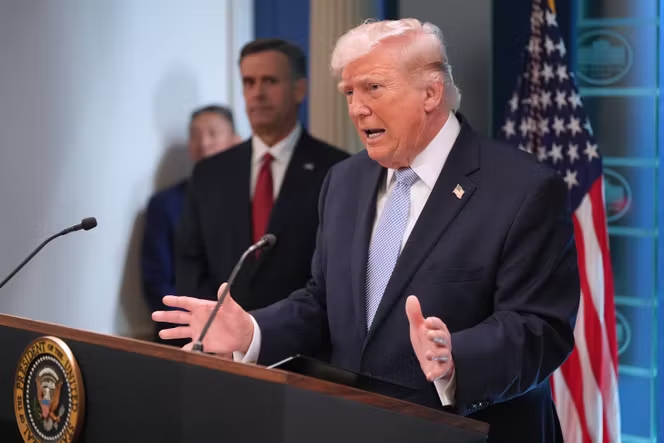
Despite Trump’s public claims, Iran’s judiciary issued a statement contradicting the U.S. president’s account. According to Iranian officials, the women had never been slated for execution, labeling Trump’s statements as “misleading.” The judiciary explained that while some of the women had indeed been arrested and charged, the charges were not likely to result in death sentences. Instead, the accused would face potential prison terms, the length of which would depend on the outcome of their trials.
Iran’s response to Trump’s claims was dismissive, suggesting that the former president had fallen victim to misinformation. The Iranian government’s official stance was that the legal process was ongoing, and there had been no official announcement of executions. Still, the timing of the judicial statement, coming just hours after Trump’s post, raised questions about the true state of affairs inside the Iranian legal system.
The Controversial Cases of the Eight Women
Among the eight women, one name stood out: Bita Hemmati, who was sentenced to death for allegedly participating in protests that led to clashes with Iranian forces in January 2026. Human rights organizations reported that Hemmati and her co-defendants were accused of throwing objects at security forces and engaging in violent protests, which Iranian authorities claimed amounted to terrorism. These actions were portrayed as a direct challenge to the government’s authority.
However, activists argued that the charges were politically motivated and reflected Iran’s broader efforts to suppress dissent. Groups such as the Human Rights Activists News Agency had raised awareness about the cases, highlighting the severe penalties faced by the women. The Iranian government’s crackdown on protestors had already led to thousands of deaths, further escalating the international outcry.
Trump’s Strategic Timing: The Ceasefire and Diplomatic Efforts
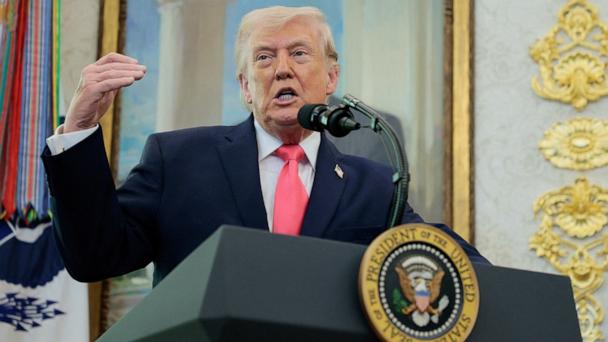
The announcement came just hours after Trump had extended a two-week ceasefire with Iran. This timing raised questions about the relationship between the two events: Was Trump using the threat of violence and international pressure as leverage to secure the women’s freedom? Trump had already warned Iran earlier in the year that the U.S. would take military action if protests were violently suppressed, and this latest move seemed to indicate that he was serious about using such tactics.
The extension of the ceasefire also underscored the complexity of U.S.–Iran relations. Negotiators from both sides had been locked in tense talks, with the U.S. pushing for an agreement to end Iran’s nuclear enrichment program and retrieve highly enriched uranium. The women’s cases became yet another point of contention, as the Trump administration tried to balance human rights concerns with the larger geopolitical objectives of its foreign policy.
Iran’s Denial of Execution Orders
In a statement issued by Iranian authorities, the judiciary denied any intention to execute the women. This claim, however, was quickly contested by those who had been following the women’s cases closely. The Iranian government’s refusal to confirm or deny execution orders left a cloud of uncertainty hanging over the situation. Despite Trump’s claim that he had secured their release, the Iranian government’s conflicting statements left the world uncertain about the actual fate of the women.
Iran’s response also included a direct rebuke of what it termed “fake news.” Officials dismissed Trump’s remarks as inaccurate and claimed that he had been misled by false reports. This public disagreement between the U.S. and Iran further complicated the diplomatic landscape, with both sides presenting competing narratives.
The Role of Human Rights Activists
Human rights activists, particularly those based in the U.S. and Europe, had been instrumental in bringing attention to the cases of the eight women. Activist groups had long campaigned against Iran’s harsh treatment of female protestors, who were often subjected to arrest, torture, and execution for their participation in protests against the regime. Their work to publicize the cases of the eight women, including sharing their names and photographs on social media, played a crucial role in pushing for international intervention.
One such activist, Masih Alinejad, who has lived in the U.S. since 2009, helped to publicize the cases of the eight women, drawing attention to their plight. Alinejad’s activism highlighted the difficult circumstances faced by many Iranian women who challenge the government. Despite the Iranian government’s insistence that the women had not been sentenced to death, these efforts played a pivotal role in securing their reprieve.
The Political Ramifications of Trump’s Actions
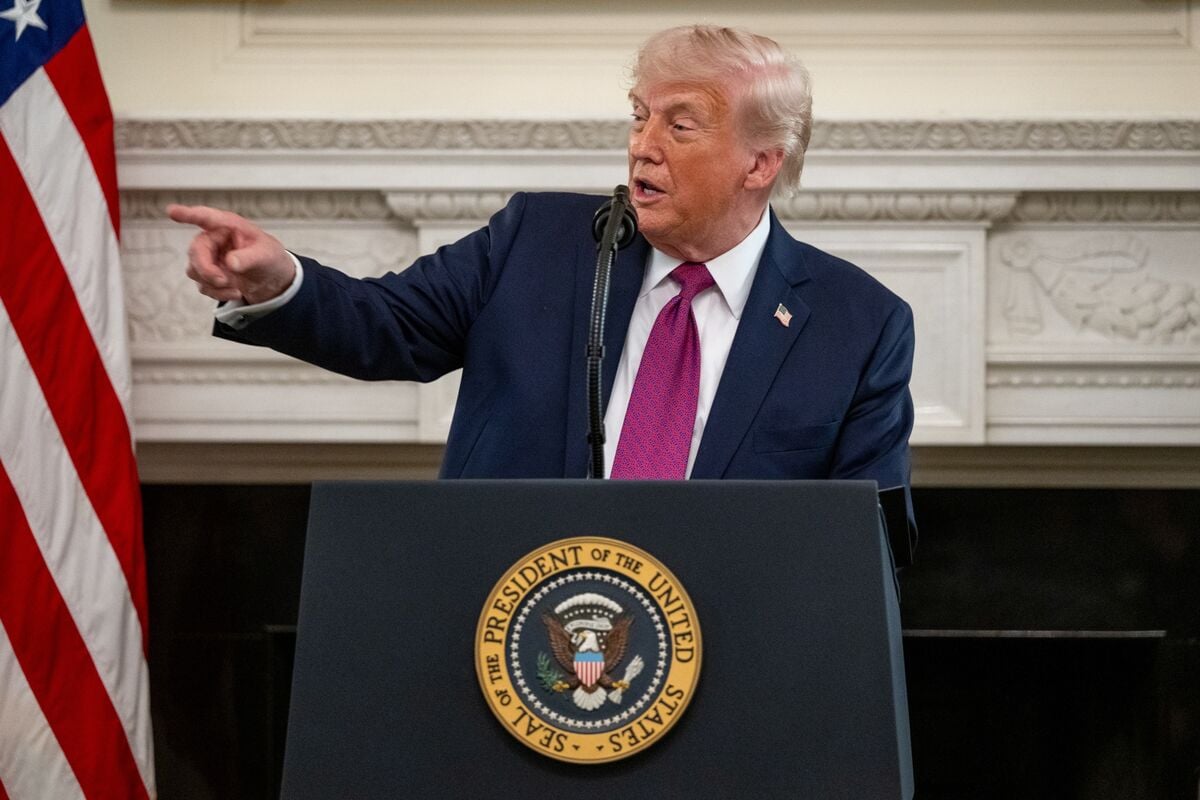
Trump’s intervention in the case of the eight women marked a significant development in U.S. foreign policy toward Iran. His decision to personally engage in this matter was in line with his broader “America First” approach, which emphasized direct action over multilateral negotiations. While his efforts to halt the executions may be seen as a diplomatic victory, they also raise questions about the broader implications of such unilateral actions.
Critics of Trump’s foreign policy have pointed out that his reliance on direct negotiations with authoritarian regimes has often led to inconsistent results. In this case, while Trump succeeded in preventing the executions, the Iranian government’s public dismissal of his claims suggests that such diplomatic victories may be short-lived.
The Global Reactions to Trump’s Announcement
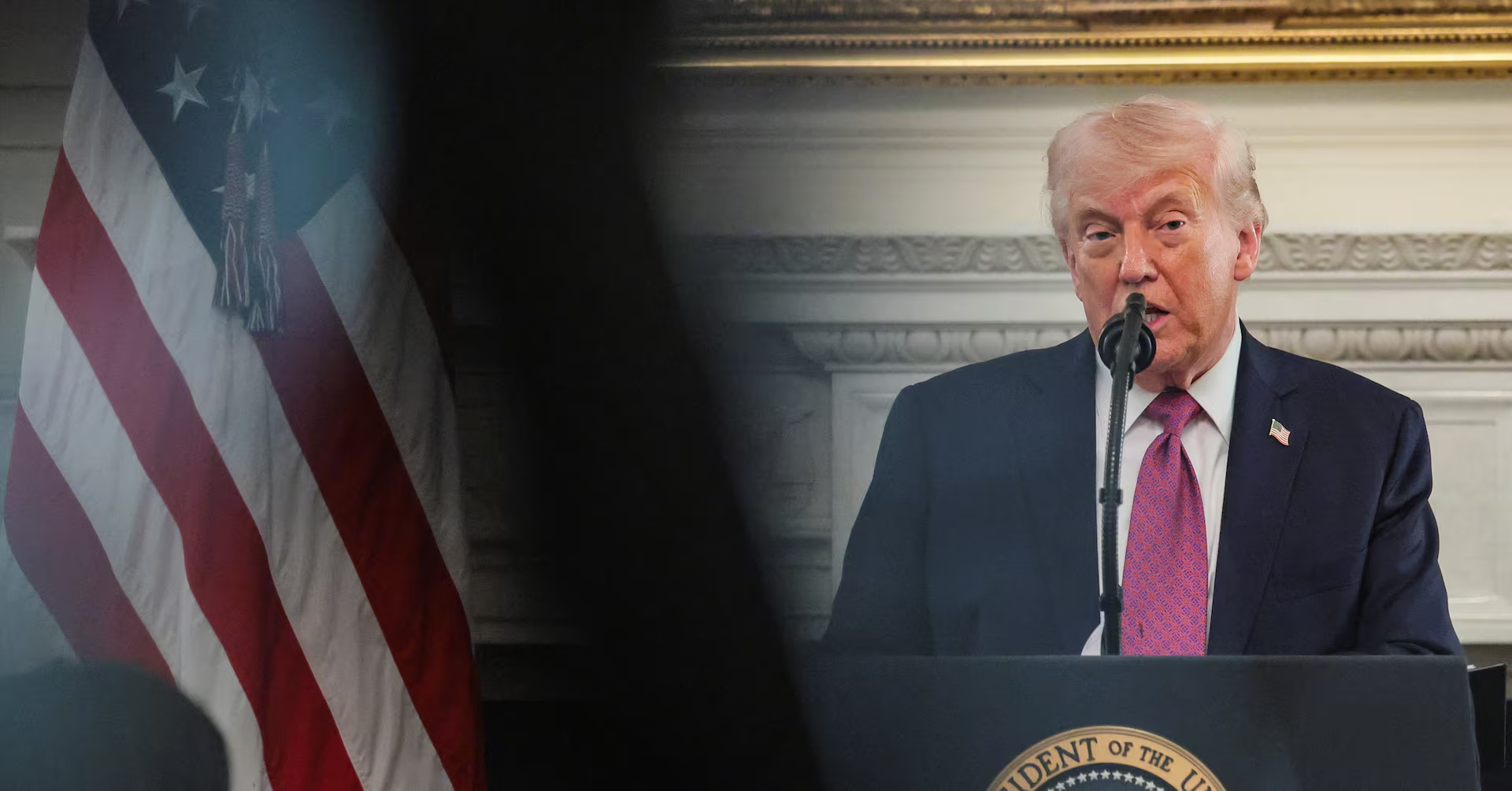
The global community reacted with mixed emotions to Trump’s announcement. Human rights organizations hailed the halt to the executions as a victory for justice, but the uncertainty surrounding the true intentions of the Iranian government left many skeptical. International leaders called for greater transparency from Iran and urged the U.S. to continue its pressure on Tehran to end human rights violations.
However, not all reactions were positive. Some critics argued that Trump’s intervention in the case was politically motivated and that it reflected his tendency to prioritize short-term wins over long-term diplomatic solutions. The question of whether this move would lead to a lasting change in Iran’s treatment of protestors remains unanswered.
What This Means for U.S.–Iran Relations
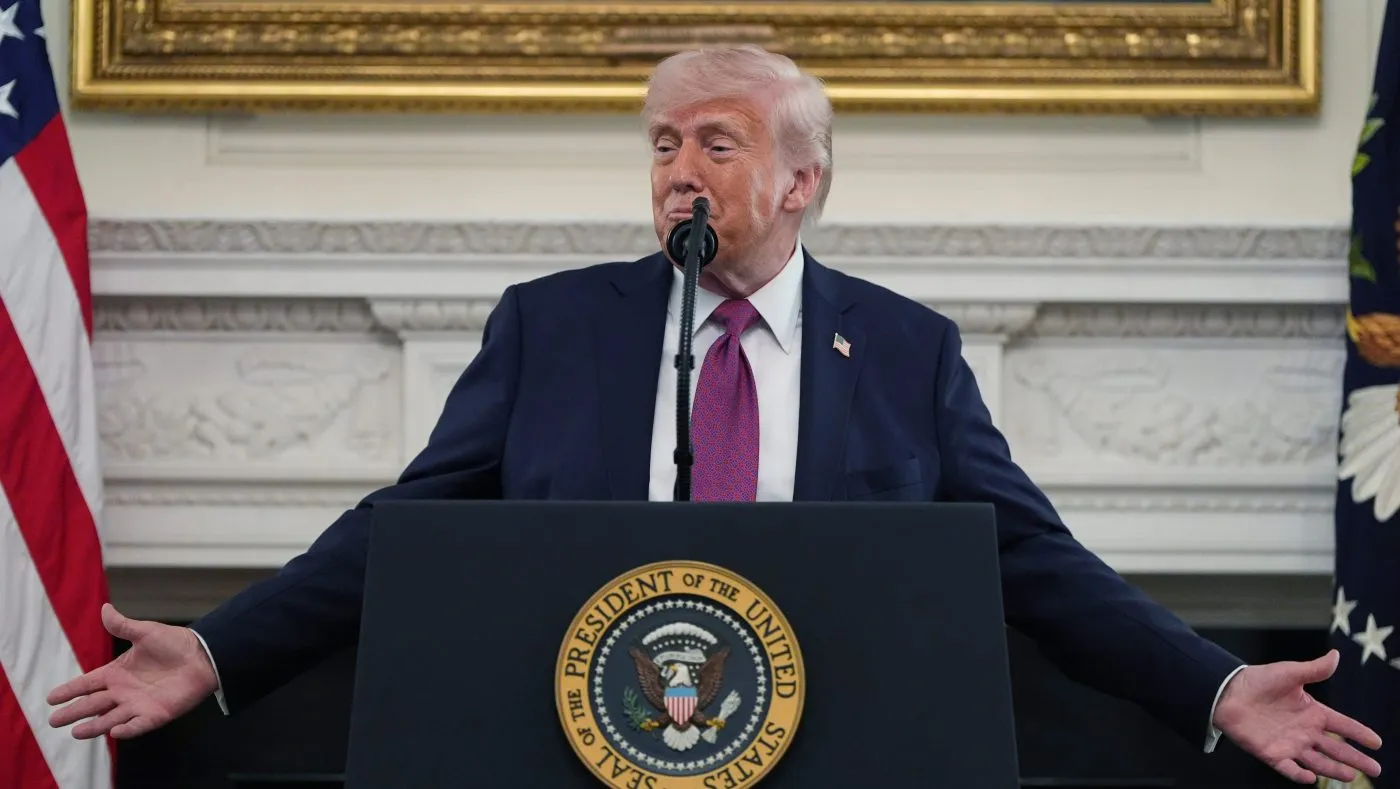
The release of the eight women is a significant development, but it remains to be seen whether it will have a lasting impact on U.S.–Iran relations. While the immediate crisis may have been averted, the larger issues at play — including Iran’s nuclear program and its ongoing human rights abuses — remain unresolved. Trump’s actions may have secured a temporary reprieve for the women, but they also highlighted the challenges of dealing with a regime that is both unpredictable and resistant to external pressure.
As the situation continues to evolve, it is clear that U.S.–Iran relations remain fragile. The women’s cases may serve as a small victory for human rights, but the broader diplomatic efforts to resolve the conflict will require continued engagement and careful negotiation.