
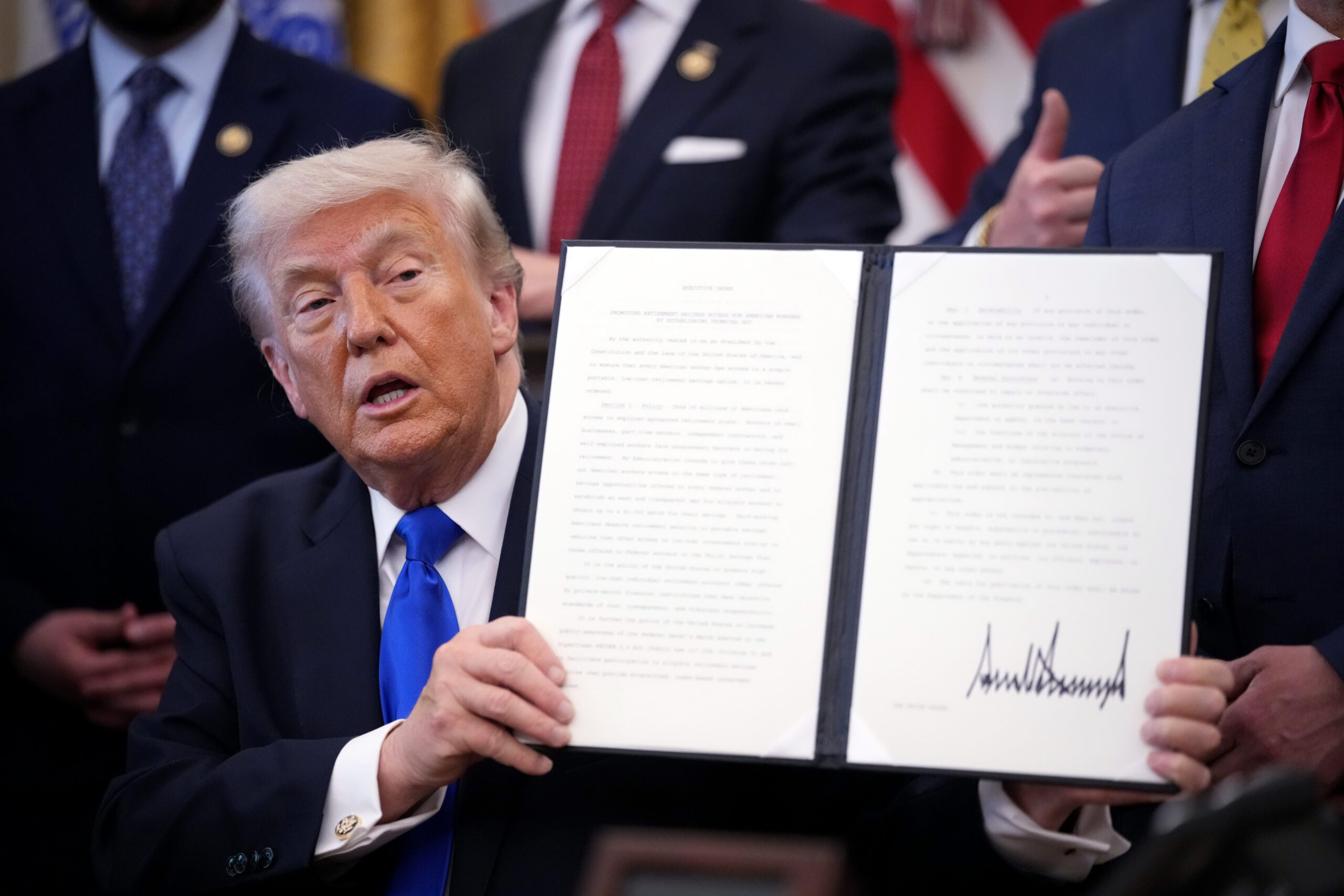
When President Donald Trump signed a new executive order on April 30, the announcement immediately raised one big question for millions of Americans: who will actually qualify for the new retirement plan? The plan, expected to launch in early 2027, is designed to give workers who do not have access to employer-sponsored retirement accounts a new way to save for the future. According to the White House, the program could help small business employees, part-time workers, independent contractors, and self-employed Americans open low-cost retirement accounts and possibly receive up to $1,000 in matching support.
Table of Contents
- What the New TrumpIRA Plan Is Designed to Do
- Why the White House Says This Plan Is Needed
- Who May Be Eligible for the Plan
- How the $1,000 Match Could Work
- Why This Matters for Small Business Workers
- Why Independent Contractors Could Benefit
- The Comparison to Federal Employee Retirement Accounts
- What Americans Should Watch Before 2027
- A Bigger Political Message About Retirement Security
- What This Means for the Future
What the New TrumpIRA Plan Is Designed to Do
The proposed program centers on a new website called TrumpIRA.gov, which Trump said Americans will be able to use starting in January 2027. Through that platform, eligible workers would be able to open a new Individual Retirement Account, often called an IRA, with access to what the administration describes as high-quality and low-cost retirement options. The White House said the goal is to give everyday workers access to the same kind of retirement savings structure that federal employees already enjoy through the Thrift Savings Plan.
Why the White House Says This Plan Is Needed
The administration said tens of millions of working Americans still do not have employer-sponsored retirement plans. That group includes many workers in small businesses, gig economy workers, contractors, part-time employees, freelancers, and self-employed people who often have to save for retirement without an employer match. Trump framed the plan as a way to close that gap, saying many Americans helped build the country but were left without the same retirement advantages available to government workers or employees at larger companies.
Who May Be Eligible for the Plan
Based on the White House description, the plan is aimed especially at Americans who do not currently have access to a workplace retirement plan with matching contributions. That includes people working for small businesses, people with part-time jobs, independent contractors, and self-employed workers. The administration also said every American would be able to visit TrumpIRA.gov and explore opening an account, though the specific rules for who qualifies for the $1,000 match are expected to become clearer before the program launches.
How the $1,000 Match Could Work
The most attention-grabbing part of the proposal is the potential $1,000 match. The White House described the plan as an easy and transparent way for eligible workers to obtain up to $1,000 in matching support for their savings. In simple terms, this suggests that workers who contribute their own money into a qualified TrumpIRA account may receive additional money to boost their retirement savings. However, the article does not provide the exact contribution requirement, income limits, or whether the match will be available every year or as a one-time benefit.
Why This Matters for Small Business Workers
Many small businesses do not offer 401(k) plans because of administrative costs, complexity, or limited resources. For workers, that can mean years of employment without an automatic retirement savings structure. Trump’s proposal attempts to address that problem by moving access outside the traditional employer system. Instead of waiting for an employer to create a plan, workers could use a government-backed platform to connect with private-sector financial institutions offering low-cost IRA accounts.
Why Independent Contractors Could Benefit
Independent contractors and self-employed workers often face an even bigger challenge. They may earn income from multiple clients, work irregular hours, or have fluctuating income from month to month. Without an employer-sponsored plan, saving for retirement can feel optional, confusing, or easy to delay. A centralized retirement platform could make the process easier by giving these workers a clear starting point. If the $1,000 match is available to them, it could also create a stronger incentive to begin saving earlier.
The Comparison to Federal Employee Retirement Accounts
Trump said the plan would give Americans access to the same type of retirement accounts that federal workers enjoy. The White House compared the idea to the Thrift Savings Plan, which is known for simple investment options and low fees. That comparison matters because fees can quietly reduce retirement savings over time. If the new IRA program truly offers low-cost options, it could help workers keep more of their long-term gains instead of losing money to high management costs.
What Americans Should Watch Before 2027
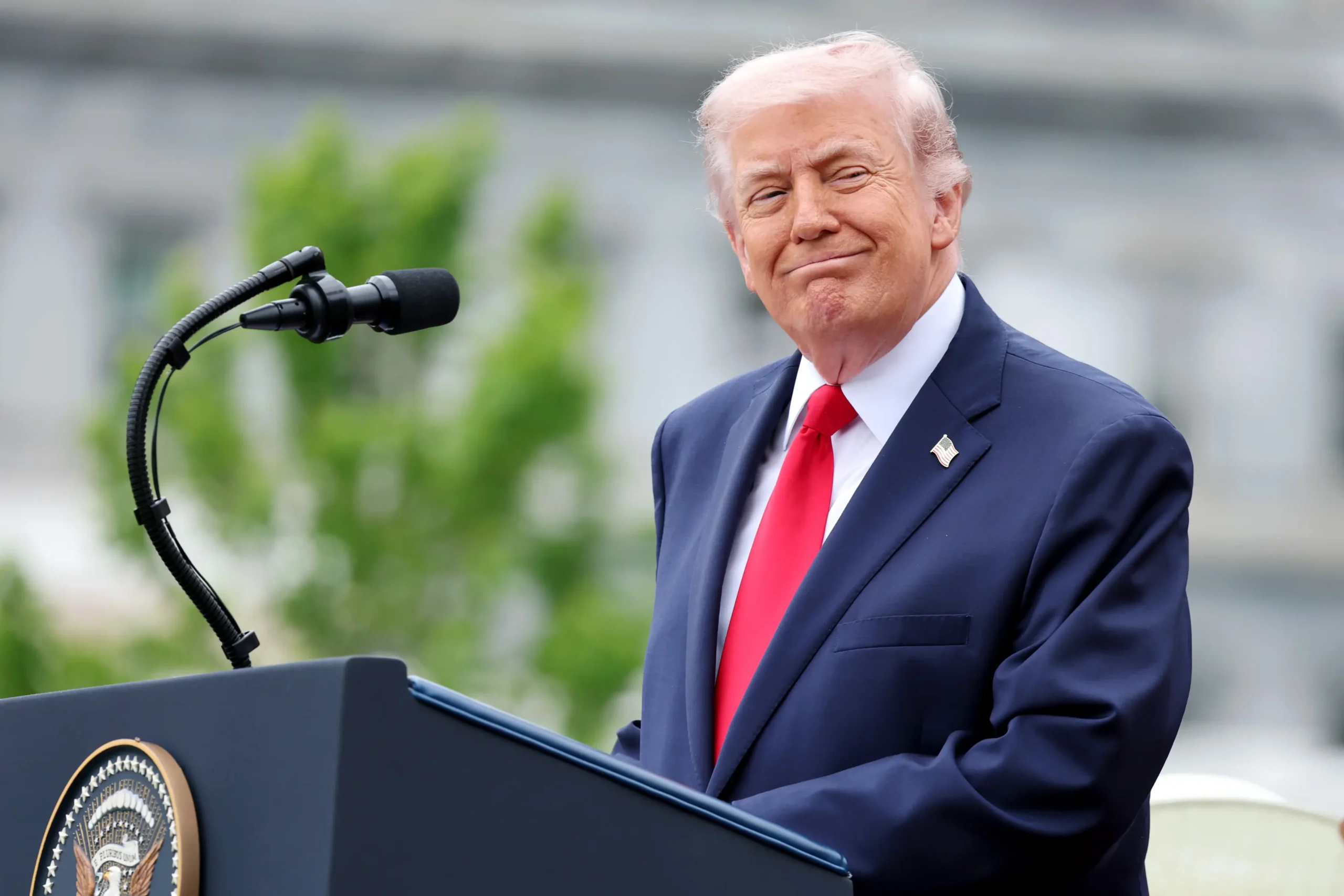
The biggest details are still missing. Americans should watch for official guidance on income eligibility, account contribution limits, the exact match formula, approved financial institutions, and whether the match applies to new savers only or also to people who already have IRA accounts. They should also pay attention to whether the program requires congressional funding or can be implemented fully through executive action and existing agency authority. These details will determine whether the plan becomes a major retirement benefit or a smaller program with limited reach.
A Bigger Political Message About Retirement Security
The announcement also carries a broader political message. Trump has repeatedly pointed to stock market gains and rising 401(k) balances, but many Americans do not have 401(k) accounts at all. By targeting workers who are often left outside the employer retirement system, the administration is trying to position the plan as a benefit for working Americans who feel excluded from traditional savings programs. Whether it succeeds will depend on how simple the program is, how generous the match becomes, and how quickly workers trust the system enough to enroll.
What This Means for the Future
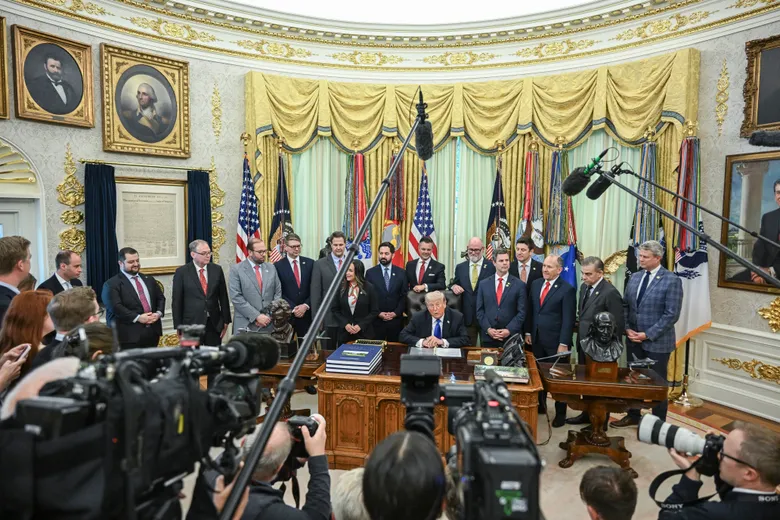
The Trump retirement plan could become a major shift in how Americans save if it reaches the workers it is designed to help. For people without employer-sponsored retirement plans, even a simple IRA account and a possible $1,000 match could be a meaningful start. But the promise will depend on the details. Until the website launches and the final rules are released, the best answer is this: workers most likely to benefit are those without access to a workplace retirement plan, especially small business employees, part-time workers, independent contractors, and the self-employed.