
Table of Contents
- Walmart’s Response to Rising Theft Concerns
- The Rising Tide of Retail Theft: A Growing Crisis
- Self-Checkout vs. Traditional Checkout: What’s Really Happening?
- The Impact of Theft on Retailers and Consumers
- Other Retailers Following Walmart’s Lead
- The Role of Legislation in Shaping Self-Checkout Policy
- What’s Next for Self-Checkout Technology?
- The Future of Retail: Moving Beyond Self-Checkout?
Walmart’s Response to Rising Theft Concerns
Self-checkout machines were once heralded as the future of retail, promising a faster and more efficient way for customers to pay for goods. However, Walmart is pulling back on this technology as it grapples with a sharp rise in theft at its self-checkout lanes. The decision to reduce the number of these machines follows an alarming trend in retail theft, with some locations experiencing significant losses due to “skip-scanning” — where items are intentionally or accidentally not scanned.
Walmart has already removed self-checkouts from one of its South Philadelphia locations, according to the Philadelphia Inquirer, and is planning to continue the trend in other stores. A Walmart spokesperson stated that the move was focused on improving customer service, ensuring shorter lines and a more efficient in-store experience. While some customers may appreciate the return to traditional checkout lanes, others are concerned about the implications for convenience.
The Rising Tide of Retail Theft: A Growing Crisis
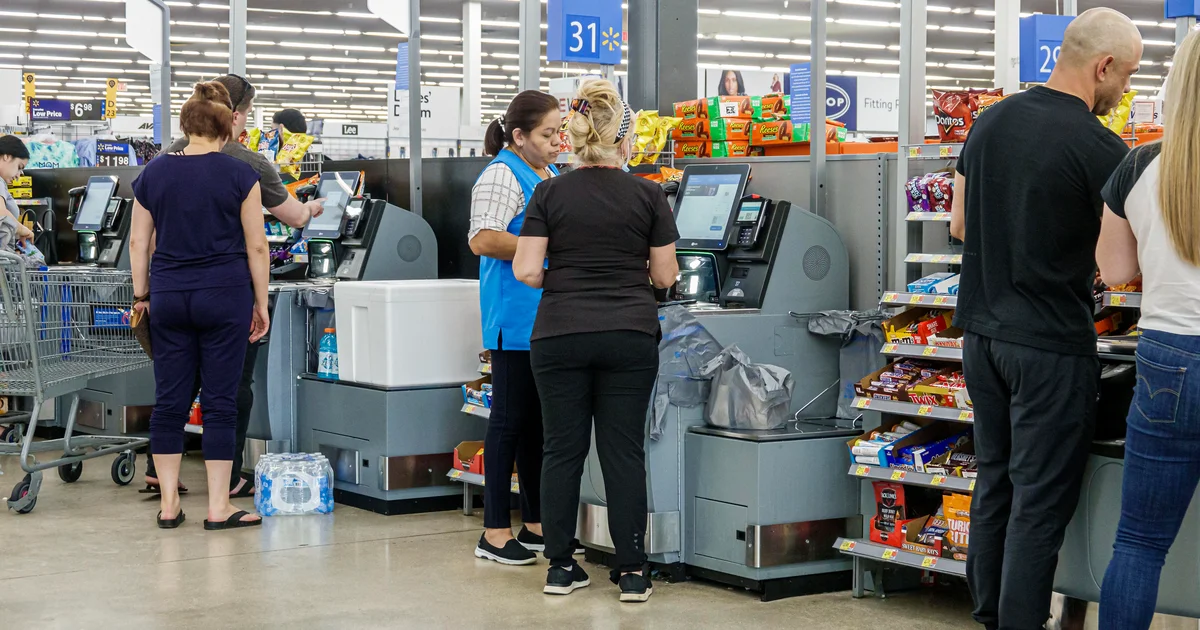
Walmart’s pullback from self-checkouts is part of a broader trend in retail, as more companies face the reality that the convenience of these machines comes with a hefty price: rising theft. A 2025 survey from LendingTree found that 27% of shoppers admitted to deliberately stealing from self-checkouts, with another 36% acknowledging they had accidentally failed to scan items. This form of theft, while not always intentional, has been wreaking havoc on retailers’ bottom lines.
Self-checkouts are often more vulnerable to theft compared to staffed registers, with industry experts pointing out that losses can be as high as 4% of all transactions at self-checkout lanes, compared to only 0.2% at traditional manned tills. The National Retail Federation’s 2025 report put the total cost of retail theft in the U.S. at a staggering $90 billion annually, with self-checkout theft being one of the largest contributors.
Self-Checkout vs. Traditional Checkout: What’s Really Happening?
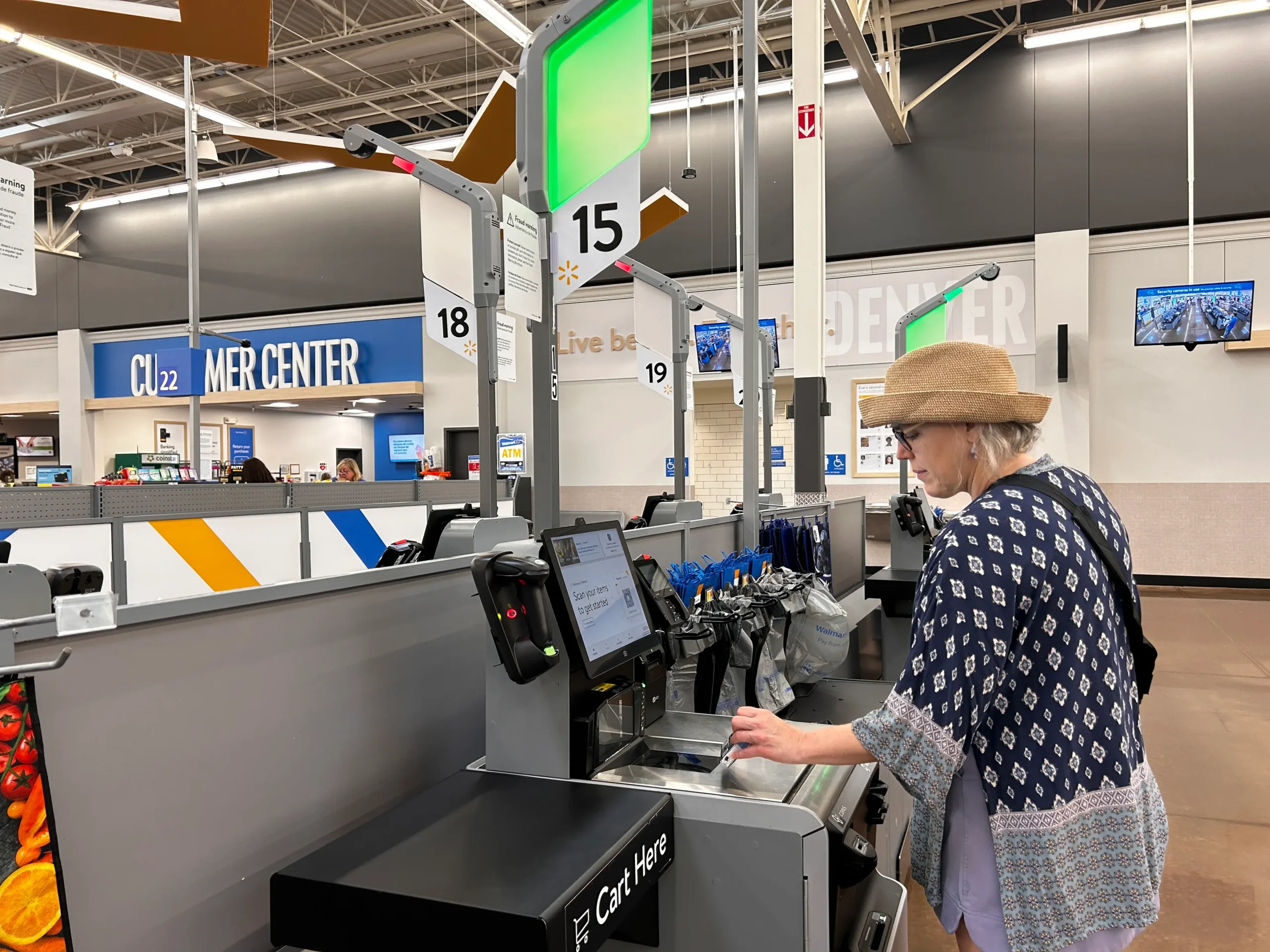
Despite the negative press surrounding self-checkouts, the technology has not been completely discarded. Walmart is still investing in alternatives, such as its Scan & Go system, which uses mobile phones to scan items as customers shop. However, the focus now is on improving in-store efficiency with more traditional staffed checkouts, which have been brought back to certain locations as part of Walmart’s new strategy.
While some customers may welcome the return of human cashiers, there are concerns about slower service and longer wait times during busy shopping hours. Walmart’s reversion to staffed lanes comes as part of its plan to overhaul 650 stores, with a focus on improving customer experience and reducing the risks associated with self-checkout technology.
The Impact of Theft on Retailers and Consumers
Theft at self-checkouts has become a serious issue not only for large chains like Walmart but also for smaller retailers who rely on these systems. With the rise in “shrink” — the retail term for inventory loss due to theft or error — stores have been forced to reconsider the cost-benefit of self-checkouts.
The true cost of theft extends beyond just the financial loss. “Skip-scanning” and other forms of theft can lead to an increase in operational costs, which are often passed on to consumers in the form of higher prices. As retailers struggle to find the right balance between innovation and security, shoppers may find themselves paying the price for this increasing problem.
Walmart’s decision to cut back on self-checkouts and reintroduce more staffed lanes is a direct response to this dilemma. While customers may miss the convenience of self-service, the move may be seen as necessary to ensure a more secure and customer-friendly environment.
Other Retailers Following Walmart’s Lead
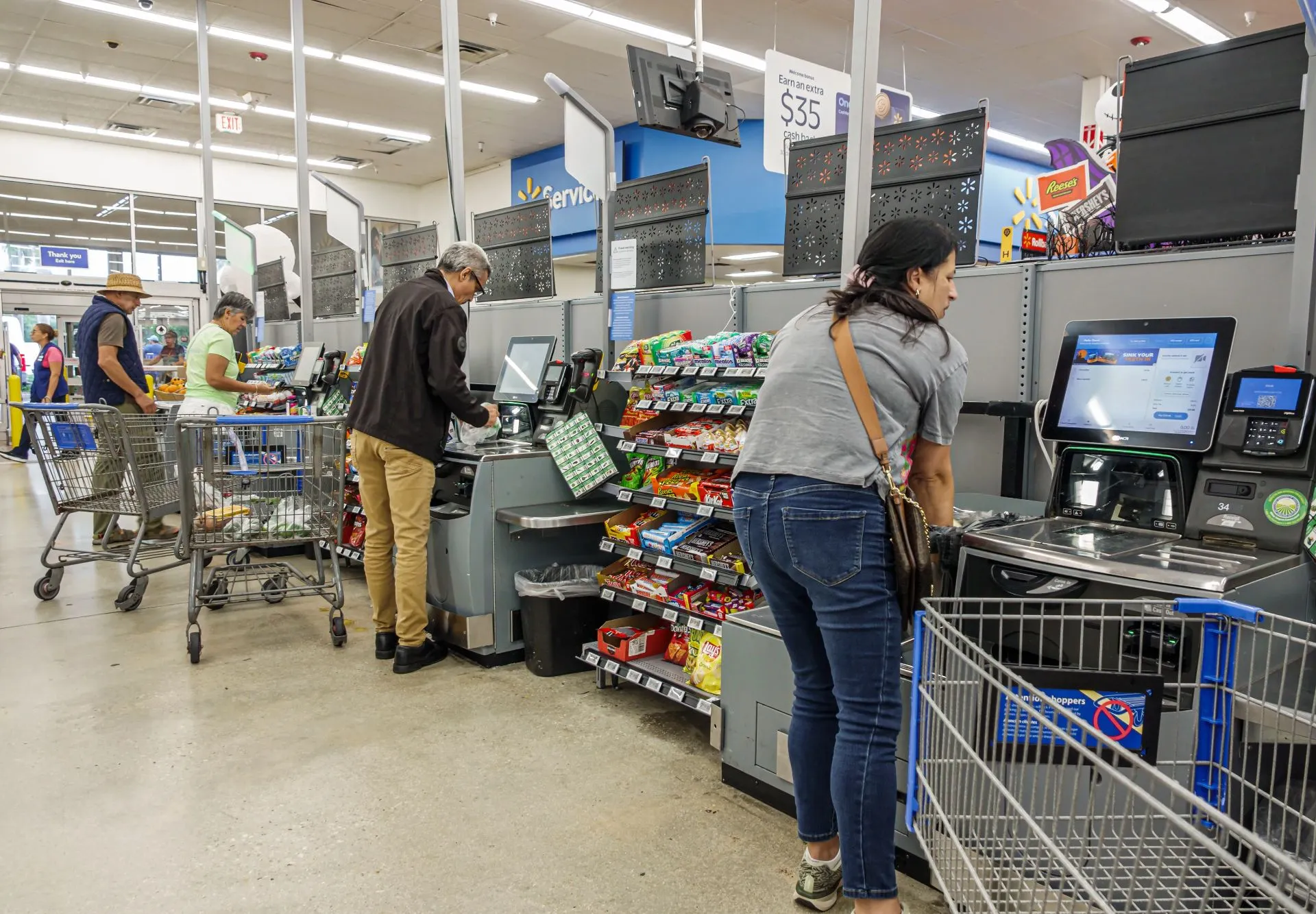
Walmart is not alone in reassessing its approach to self-checkout technology. Competitors like Target, Costco, and Dollar General are also adjusting their strategies, scaling back the use of self-checkouts in certain locations. For example, Target has introduced stricter rules on the number of items allowed per self-checkout transaction, while Dollar General has removed self-checkouts from some of its stores entirely.
This trend reflects a growing consensus within the retail industry that the self-checkout model, while efficient, may no longer be sustainable when faced with the increasing risk of theft. Retailers are finding that the technology simply isn’t worth the cost, especially as more and more people find ways to exploit it.
The Role of Legislation in Shaping Self-Checkout Policy
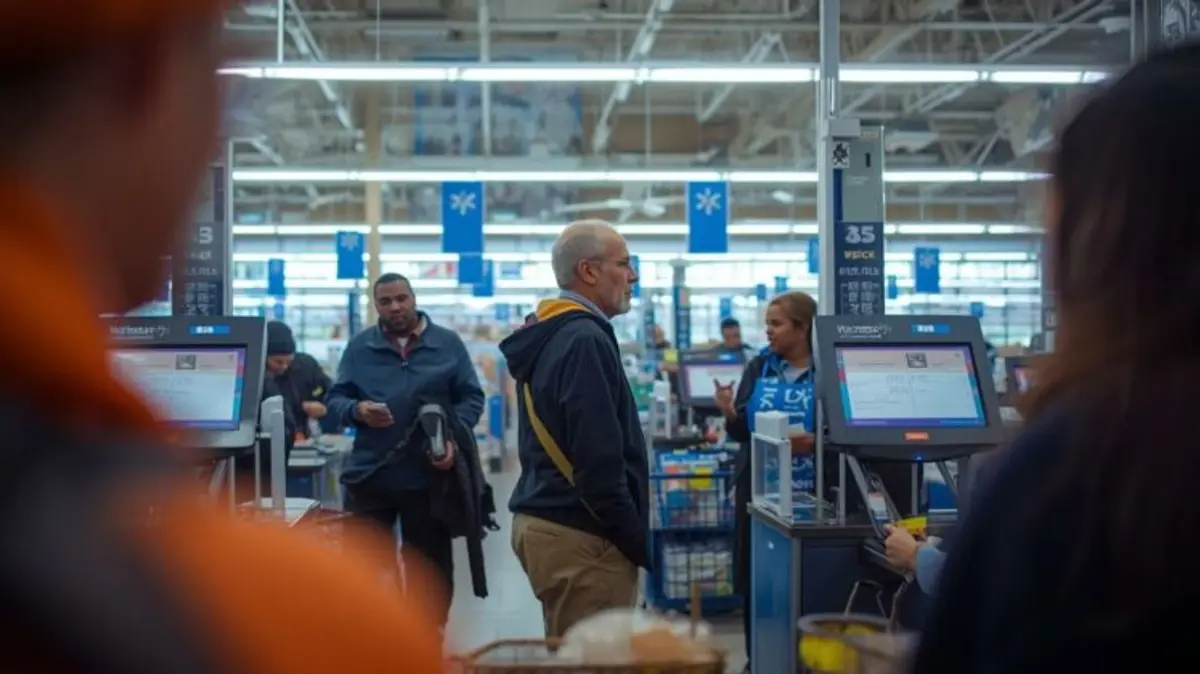
As retailers like Walmart adjust their self-checkout strategies, lawmakers are beginning to step in with new regulations designed to address the rise in theft. Several U.S. states, including California, New York, and Ohio, are considering or have already implemented new rules aimed at curbing misuse of self-checkout systems.
Proposed regulations include limits on the number of items that can be scanned at self-checkouts, as well as minimum staffing requirements to ensure that customers are properly monitored. These measures are designed to make self-checkout systems less vulnerable to theft, while also giving customers a smoother and more secure shopping experience.
What’s Next for Self-Checkout Technology?
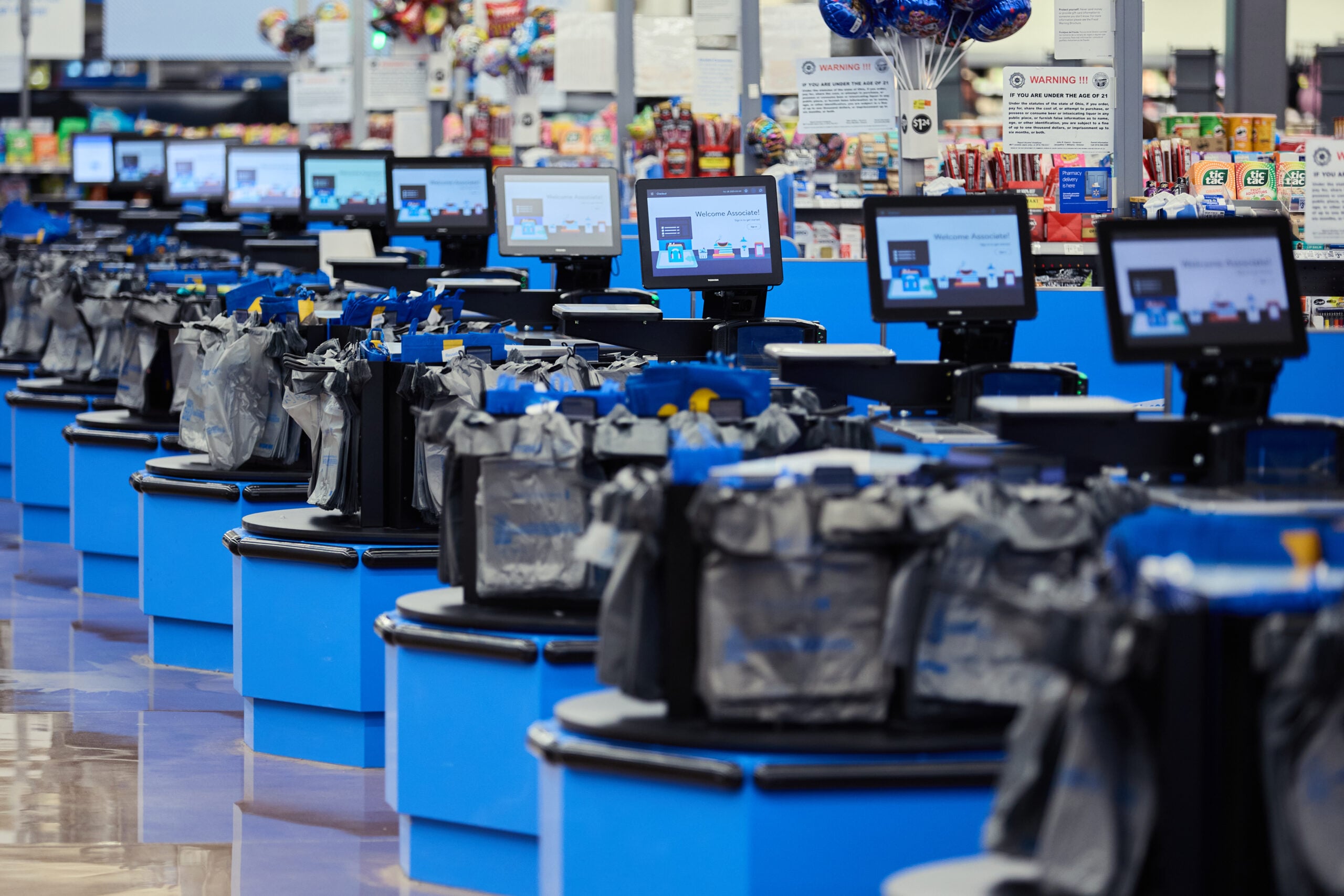
While Walmart and other major retailers are scaling back their self-checkout machines, the technology isn’t going away entirely. In fact, many stores are looking for ways to innovate and integrate more advanced systems to minimize theft while maintaining the convenience of self-service. For example, Walmart is exploring the use of biometric technology and artificial intelligence to improve self-checkout systems, making it harder for customers to cheat the system.
However, it remains to be seen whether these technological solutions can effectively reduce theft without introducing new challenges. As retailers continue to experiment with various methods of self-checkout and customer service, the future of retail technology will likely see further changes, with a focus on striking a balance between convenience, security, and customer satisfaction.
The Future of Retail: Moving Beyond Self-Checkout?
The pushback against self-checkout technology is just one part of a larger conversation about the future of retail. With theft rates on the rise, retailers are grappling with the challenge of finding new ways to serve customers efficiently without sacrificing security. Walmart’s decision to scale back self-checkouts and invest in more staffed lanes is a reflection of this struggle, as the company looks to address both customer convenience and security concerns.
As the retail industry continues to evolve, the role of technology in the shopping experience will undoubtedly be a key topic of debate. While self-checkouts have played a major role in shaping modern retail, their future remains uncertain. The next few years will likely see further innovation in the industry as retailers strive to find new ways to meet customer needs while keeping theft under control.