
Table of Contents
- The Discovery in Searchlight
- Laws and Regulations Surrounding Cremated Remains
- The Mysterious Nature of the Discovery
- Federal Land Management and the Scattering of Ashes
- The Investigative Effort and What We Know So Far
- The Scale of the Discovery: Why It Matters
- The Ongoing Investigation: What Comes Next?
- A Grim Discovery with Serious Implications
The Discovery in Searchlight
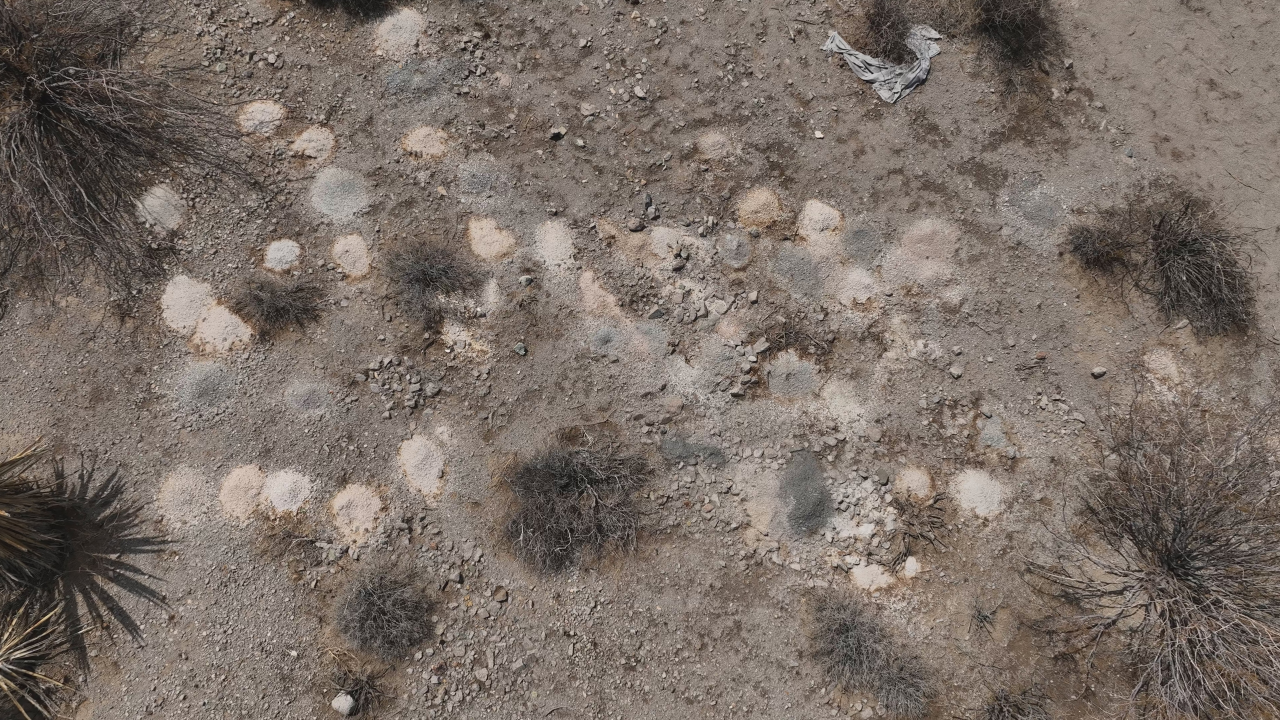
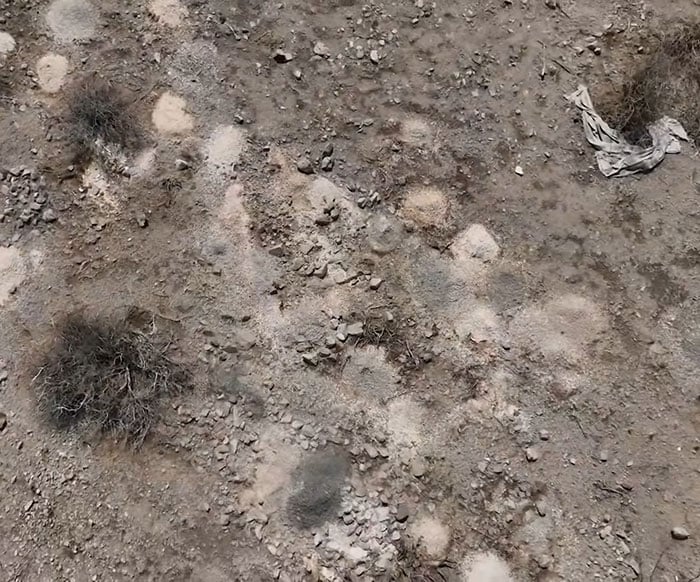
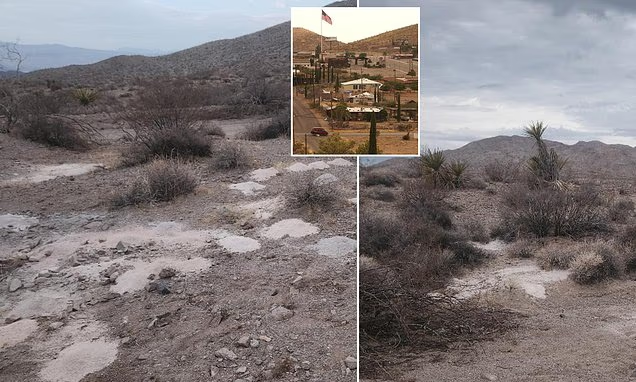
The discovery took place on July 28, when a passerby stumbled across what seemed like a strange and disorganized scene along a dirt road just outside Searchlight. Despite being exposed to the scorching Nevada sun and seasonal rains, the remains—referred to as “cremains”—appeared to be intentionally arranged into neat piles. This was not the chaotic scattering one might expect, but a deliberate placement of remains, which raised immediate concerns about the circumstances surrounding their disposal.
Adding to the mystery were the fragments of urns and zip ties found at the scene. These fragments suggested that the cremated remains had been moved from containers—likely urns—into the desert, but for reasons that remain unclear. The discovery of the mounds, positioned in an organized manner, struck investigators as odd and left them wondering if something more sinister was at play.
The Bureau of Land Management (BLM), the agency responsible for overseeing federal lands, confirmed that the remains were indeed human. A joint investigation was launched between the BLM and the Las Vegas Metropolitan Police Department, aiming to uncover who was responsible for the improper disposal of these cremains and why they had been placed in such a manner.
Laws and Regulations Surrounding Cremated Remains
While scattering ashes on public or federally managed land is not illegal in Nevada, there are strict guidelines in place to ensure that human remains are treated with dignity and respect. These regulations stipulate that the act of scattering ashes should be carried out in a manner that reflects the reverence of the deceased, and no commercial entity is allowed to dispose of cremains on public land.
Under Nevada state law, the scattering of ashes must be done with care and should not create public health or safety concerns. However, the piles found in Searchlight raised immediate questions: Was this a case of negligence, or were there deeper issues at play regarding the improper disposal of remains by a commercial entity? Authorities are now investigating whether the remains found in the desert were part of a larger pattern of unauthorized practices.
The Mysterious Nature of the Discovery
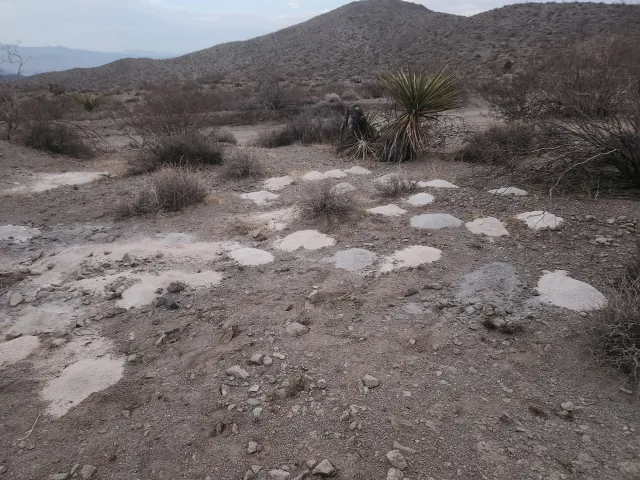
What makes this discovery even more puzzling is the sheer number of cremains found in one location. There were more than 100 distinct piles, which far exceeded the amount one might expect to be scattered by a single family or group. The neatness of the piles—despite exposure to harsh desert conditions—suggests that they were deliberately placed rather than randomly scattered or blown by the wind.
The remains had no personal identifiers, such as markers, records, or items associated with the deceased. Investigators had no clear way to determine who the remains belonged to, and there was no immediate link to any specific funeral home or cremation provider. The discovery seemed to be isolated, and despite initial theories that the remains might be linked to a recently closed funeral home, further investigation revealed no connection.
This lack of identifying information, coupled with the organized nature of the disposal, has added to the complexity of the case. It raises serious questions about how and why these remains were handled in such a manner.
Federal Land Management and the Scattering of Ashes
The Bureau of Land Management (BLM) is tasked with overseeing the proper use of federal lands, and the disposal of cremains falls under its jurisdiction. BLM guidelines clearly outline the rules for scattering ashes, but the rules are meant to ensure that public lands do not become de facto cemeteries. The piles found in Searchlight appear to violate this principle, suggesting that the scattering of these cremains may have been an unauthorized, commercial operation.
While individuals may request permission to scatter ashes on public lands, this permission is granted on a case-by-case basis. However, commercial entities such as funeral homes are prohibited from disposing of cremated remains on public lands due to the large volume involved. The sheer scale of the remains found in the Nevada desert raises the possibility that this was a commercial operation gone awry, though authorities have yet to determine if this was the case.
The Investigative Effort and What We Know So Far
Following the discovery of the cremains, the investigation quickly escalated into a joint effort between the Bureau of Land Management and the Las Vegas Metropolitan Police Department. Forensic teams confirmed that the remains were human, but the next challenge was determining their origin. Investigators examined records from local funeral homes and cremation providers to see if any large amounts of cremated remains had been unaccounted for. However, there were no clear links between the remains and any business in the region, ruling out the possibility that they were abandoned due to a funeral home’s closure.
In addition to this, investigators were perplexed by the presence of zip ties and urn fragments, which suggested that the remains had been transported from another location. Yet, no clear answers have been forthcoming, and authorities are still working to determine how the cremains came to be abandoned in the desert and who is responsible for their improper disposal.
The Scale of the Discovery: Why It Matters
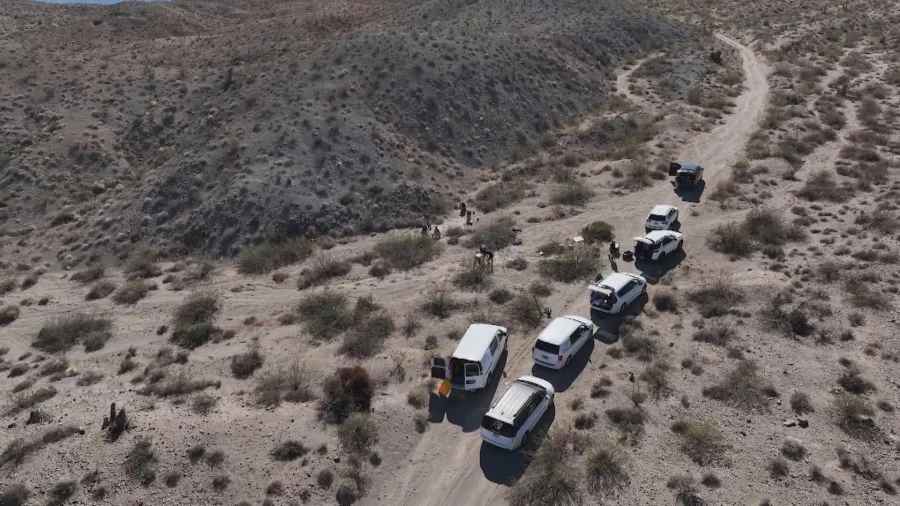
The number of cremated remains found in the desert is significant because it goes beyond what could be expected from a few scattered individuals. With more than 100 piles of cremains, the situation becomes more complex, raising the likelihood of systematic disposal. This has led investigators to consider whether this case could be connected to a larger-scale operation, and if so, whether such an operation might be operating outside of legal or ethical boundaries.
The harsh desert conditions, including wind and rain, would typically scatter ashes within a short amount of time. The fact that these cremains maintained their pile-like shape despite these conditions suggests that they were deliberately placed, making it even more critical for investigators to figure out who was responsible and why the cremains were disposed of in this manner.
The Ongoing Investigation: What Comes Next?
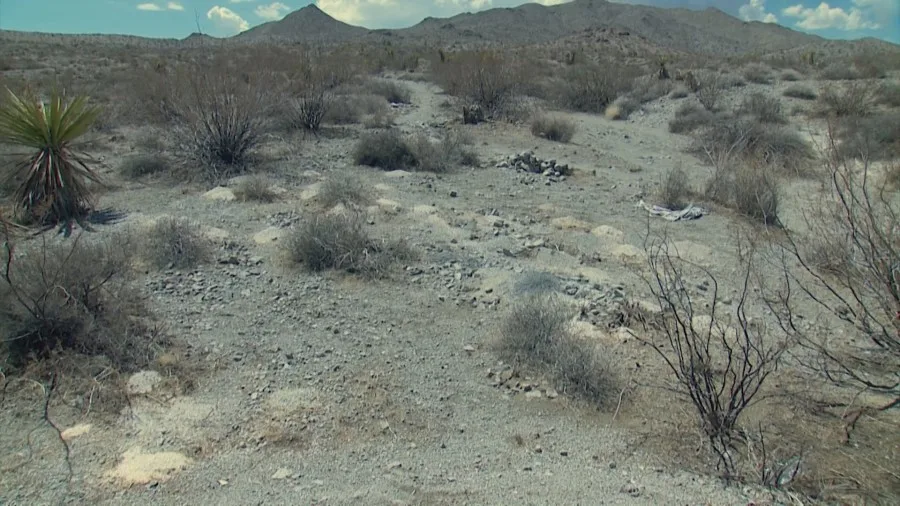
As of now, investigators are focused on piecing together how the cremains arrived at the site and who is responsible for their placement. Due to the lack of identifying markers and the unusual nature of the discovery, the case remains a mystery. Investigators are working with funeral homes and crematories in the area to trace whether any unaccounted-for cremated remains may have been improperly disposed of.
The BLM has also encouraged anyone with information about the case or missing cremains to come forward, especially since the sheer number of cremains discovered suggests that the families of the deceased may be unaware of how their loved ones’ ashes were treated. Funeral records and client lists may prove crucial in identifying the source of the cremains and determining whether any laws were violated in the process.
A Grim Discovery with Serious Implications
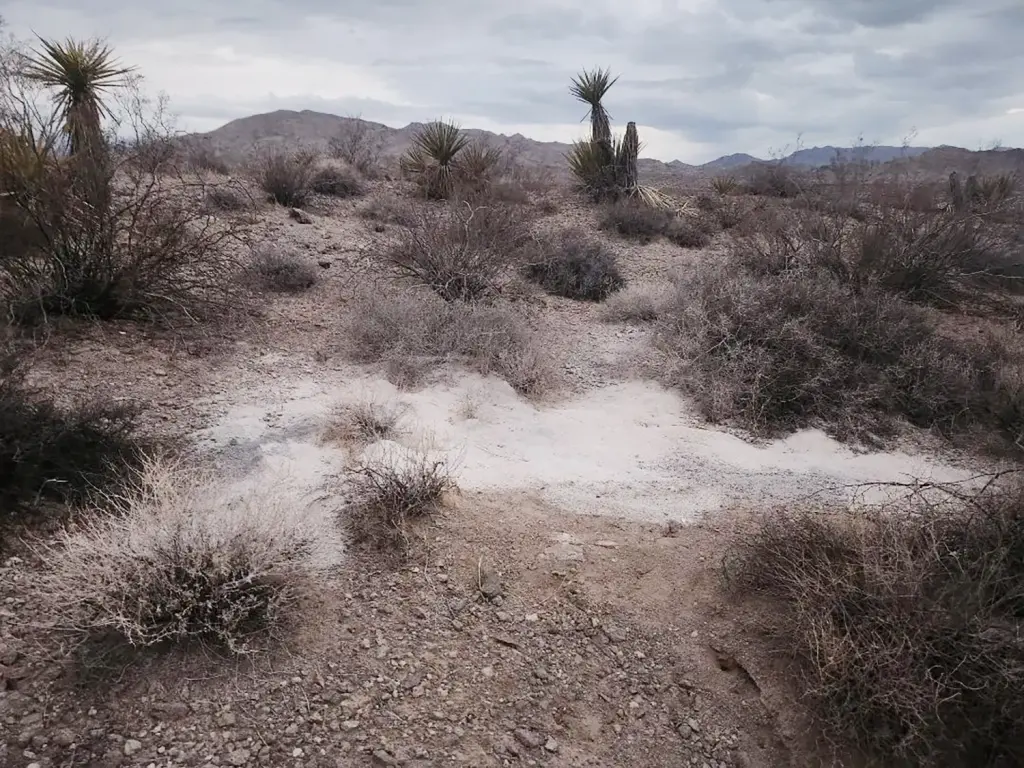
The discovery of over 100 piles of cremated human remains in the Nevada desert has raised a series of questions that are still unanswered. While it’s possible that this case involves simple negligence, the scale and organization of the piles suggest something far more complex. Authorities are working tirelessly to determine the cause and accountability for this disturbing discovery, and the case is sure to have legal, ethical, and regulatory implications for the handling of human remains in the future.
As the investigation continues, the Searchlight discovery serves as a stark reminder of the importance of treating the deceased with dignity and respect. The case also highlights the need for stricter oversight of the practices surrounding the disposal of cremains, especially in areas managed by public agencies like the Bureau of Land Management. Until more answers are revealed, this unsettling mystery remains one of the most curious and significant cases of recent years.