
Table of Contents
- Understanding the Science of Inheritance
- The Grandmother Hypothesis: A Genetic Link to Longevity
- Genetic Relationship: Why Does It Matter?
- The Importance of Maternal Grandmothers in Childcare
- Impact on Child Health and Well-being
- The Evolution of Grandmother Roles Across Generations
- Emotional and Developmental Benefits of Maternal Grandmothers
- The Long-term Impact of Maternal Grandmothers on Adult Health
- Conclusion: The Enduring Legacy of Maternal Grandmothers
- The Grandmother Hypothesis: A Genetic Link to Longevity
- Genetic Relationship: Why Does It Matter?
- The Importance of Maternal Grandmothers in Childcare
- Impact on Child Health and Well-being
- The Evolution of Grandmother Roles Across Generations
- Emotional and Developmental Benefits of Maternal Grandmothers
- The Long-term Impact of Maternal Grandmothers on Adult Health
- The Enduring Legacy of Maternal Grandmothers
Understanding the Science of Inheritance
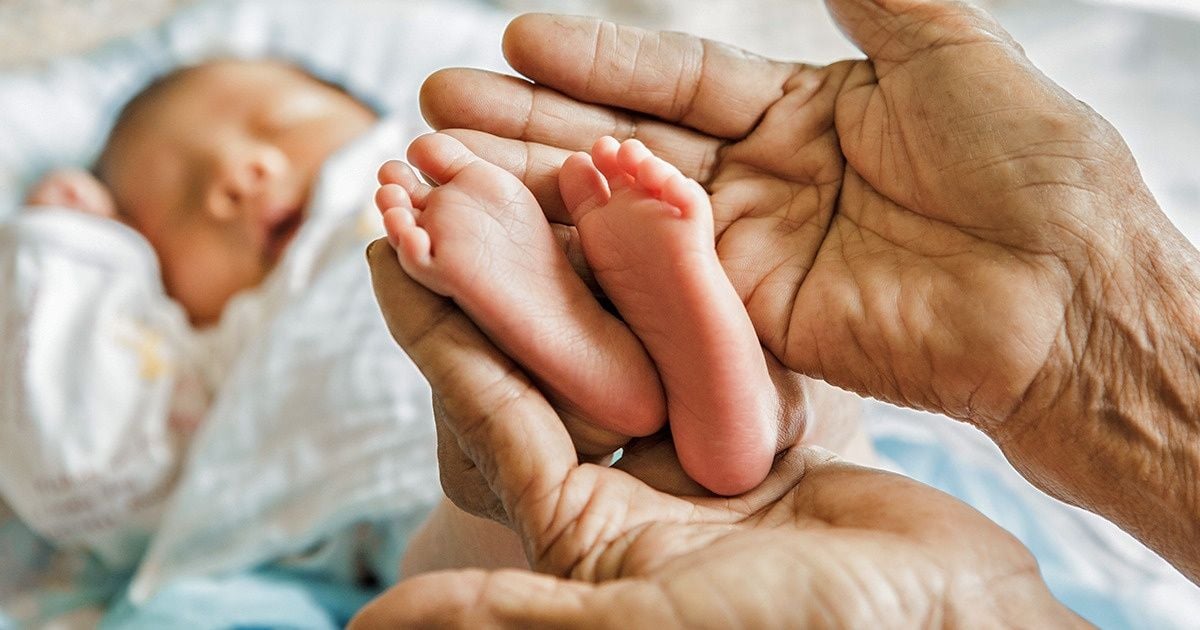
To fully appreciate the importance of maternal grandmothers, we need to first understand the science of inheritance. Each of us inherits half of our DNA from our mother and half from our father. Our DNA, which carries the information that governs our growth, development, and health, is organized into chromosomes. Humans have 46 chromosomes, with 22 pairs being identical and the 23rd pair determining gender.
What makes maternal grandmothers unique in this process is their direct contribution to a child’s genetic makeup through the X chromosome. While both parents contribute to a child’s genetic material, it’s the maternal grandmother’s X chromosome that holds particular importance. Maternal grandmothers pass down 25% of their genetic material to both their grandsons and granddaughters, but the X chromosome plays a pivotal role in this transmission. This genetic tie is the key to why maternal grandmothers are so crucial for the well-being and development of their grandchildren.
The Grandmother Hypothesis: A Genetic Link to Longevity
Scientific theories suggest that the maternal grandmother’s genetic contribution extends far beyond genetic inheritance. The “Grandmother Hypothesis,” a concept popularized by anthropologist Leslie Knapp, posits that post-menopausal women—particularly maternal grandmothers—have an important role in ensuring the survival of their grandchildren. This theory argues that maternal grandmothers, having a closer genetic connection to their granddaughters and grandsons, are more likely to invest in the survival and well-being of their descendants, thus enhancing longevity.
Knapp and her team conducted extensive research, analyzing birth and death records spanning centuries across various populations. The results revealed that when a maternal grandmother was involved in a child’s life, the child had a higher chance of survival, especially in cases of infant mortality. The study also found that maternal grandmothers—because of their closer genetic ties—were more likely to invest time and resources in their grandchildren’s well-being. This genetic predisposition might explain why a maternal grandmother’s influence is often more significant than that of a paternal grandmother.
Genetic Relationship: Why Does It Matter?
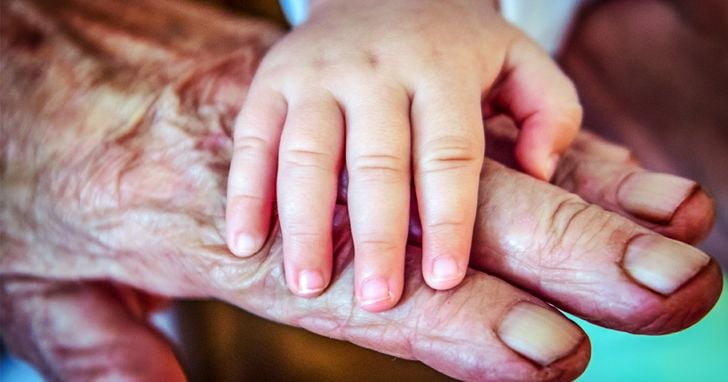
The genetic connection between a child and their maternal grandmother is closer than that with their paternal grandmother. This closeness has practical implications for the level of care and attention a maternal grandmother is likely to provide. A mother’s genetic link to her daughter—or a grandmother’s genetic link to her granddaughter—creates a stronger bond, and in turn, this bond influences the degree of involvement in a child’s life.
Studies suggest that maternal grandmothers are more likely to invest in the health and survival of their grandchildren due to this closer genetic connection. For example, a maternal grandmother’s involvement can significantly affect a grandchild’s chances of thriving, particularly in environments where resources are scarce or during times of crisis.
The Importance of Maternal Grandmothers in Childcare
The role of the maternal grandmother in a child’s life extends far beyond genetics. Studies have shown that the involvement of maternal grandmothers in a child’s upbringing provides not only financial and emotional support but also a unique set of experiences and wisdom. These grandmothers often have more time to devote to their grandchildren, particularly as they are no longer burdened with child-rearing duties themselves.
Maternal grandmothers often act as nurturing figures who offer a sense of comfort, security, and unconditional love to their grandchildren. Their life experiences and insights often provide valuable perspectives that parents may not have. From imparting traditional knowledge and cultural values to offering advice on child-rearing, the maternal grandmother’s wisdom is invaluable.
Impact on Child Health and Well-being
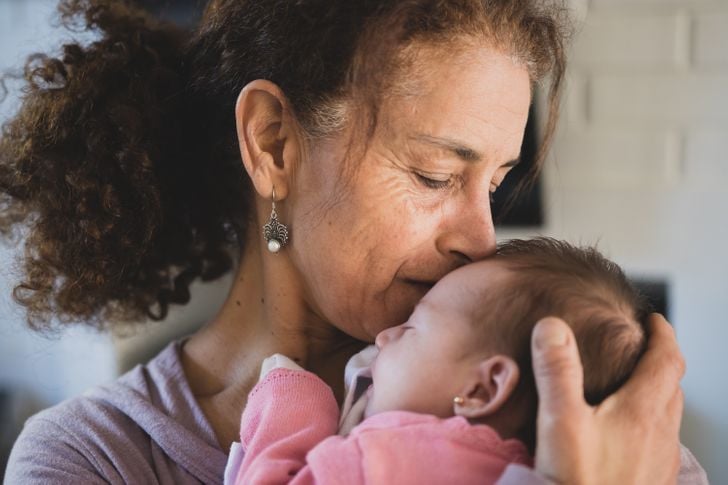
Scientific studies have shown that children with involved maternal grandmothers tend to experience better overall health. The emotional bond between a maternal grandmother and her grandchild contributes to healthier development, helping children navigate the challenges of life with greater resilience. These children are often more emotionally secure, with improved mental health and lower levels of stress.
Maternal grandmothers also contribute to the physical well-being of their grandchildren. In many cultures, grandmothers are primary caregivers who help support the child’s basic needs. Whether it’s providing nutritious meals, offering a safe environment, or encouraging healthy behaviors, maternal grandmothers can play a critical role in a child’s development, ensuring they grow up in a nurturing and supportive environment.
The Evolution of Grandmother Roles Across Generations
Historically, the role of grandmothers—especially maternal grandmothers—has been a cornerstone of family structures. As women have moved into the workforce and social dynamics have shifted, the role of the maternal grandmother has evolved but remains central in the lives of many children.
Research suggests that in cultures where grandmothers are involved in raising grandchildren, those grandchildren tend to have better social outcomes. This relationship not only benefits the child but also enhances the grandmother’s sense of purpose, contributing to her own well-being. The involvement of maternal grandmothers is thus a symbiotic relationship that benefits both generations.
Emotional and Developmental Benefits of Maternal Grandmothers
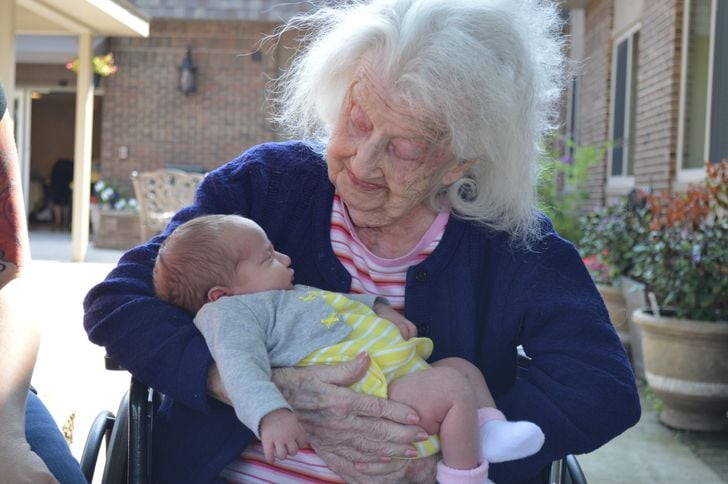
One of the most significant impacts of having a maternal grandmother in a child’s life is the emotional and developmental support she provides. Studies have shown that children who grow up with strong, supportive relationships with their maternal grandmothers tend to develop better social and emotional skills. These children are often more empathetic, confident, and well-adjusted.
Grandmothers often serve as emotional anchors in a child’s life, offering guidance during challenging moments and serving as models of resilience. The presence of a maternal grandmother provides a source of unconditional love and support, contributing significantly to a child’s mental and emotional growth.
The Long-term Impact of Maternal Grandmothers on Adult Health
The influence of a maternal grandmother doesn’t end during childhood. Long-term studies have shown that individuals who have a close relationship with their maternal grandmother are more likely to experience positive outcomes in adulthood. These individuals tend to have better mental health, a stronger sense of self, and better coping mechanisms when faced with life’s challenges.
In addition to providing emotional support, maternal grandmothers contribute to building strong, positive family structures. Their influence extends across generations, creating a foundation of love and wisdom that benefits not only their grandchildren but also future generations. In essence, the impact of a maternal grandmother is not just limited to childhood—it shapes the entire course of a person’s life.
Conclusion: The Enduring Legacy of Maternal Grandmothers
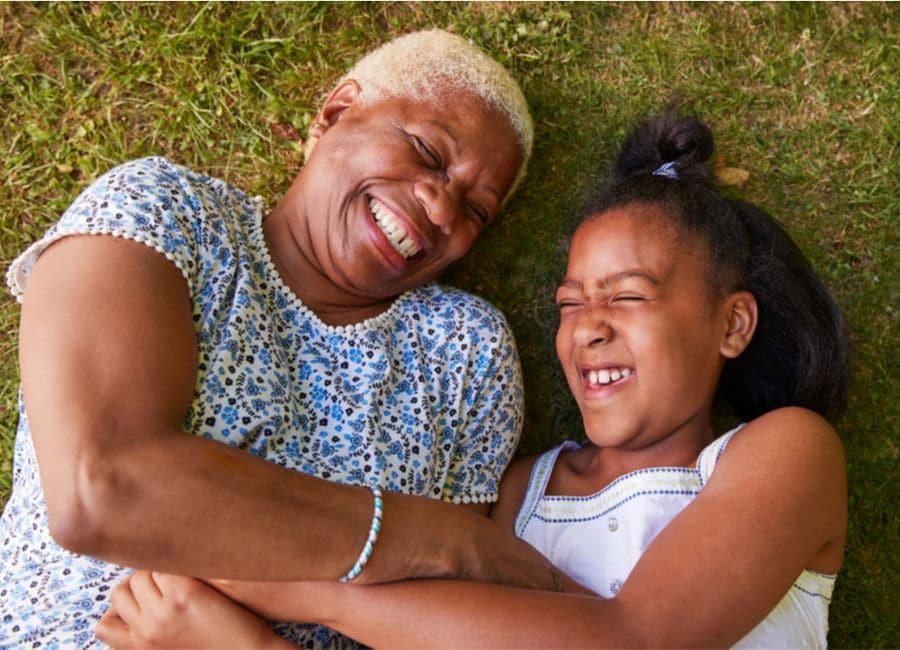
The role of the maternal grandmother in a child’s life is nothing short of essential. From a genetic standpoint, maternal grandmothers share a deeper connection with their grandchildren than paternal grandmothers, which directly influences their involvement and care. But beyond genetics, maternal grandmothers offer emotional, social, and developmental benefits that positively impact a child’s growth and well-being.
Whether they are imparting wisdom, offering unconditional love, or providing guidance, maternal grandmothers shape the lives of their grandchildren in profound ways. As we recognize and appreciate the invaluable contributions of maternal grandmothers, we see how essential they are in shaping the future of generations to come.Understanding the Science of Inheritance
To fully appreciate the importance of maternal grandmothers, we need to first understand the science of inheritance. Each of us inherits half of our DNA from our mother and half from our father. Our DNA, which carries the information that governs our growth, development, and health, is organized into chromosomes. Humans have 46 chromosomes, with 22 pairs being identical and the 23rd pair determining gender.
What makes maternal grandmothers unique in this process is their direct contribution to a child’s genetic makeup through the X chromosome. While both parents contribute to a child’s genetic material, it’s the maternal grandmother’s X chromosome that holds particular importance. Maternal grandmothers pass down 25% of their genetic material to both their grandsons and granddaughters, but the X chromosome plays a pivotal role in this transmission. This genetic tie is the key to why maternal grandmothers are so crucial for the well-being and development of their grandchildren.
The Grandmother Hypothesis: A Genetic Link to Longevity
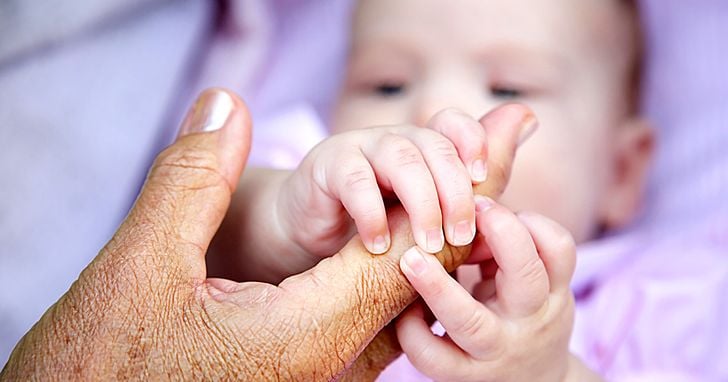
Scientific theories suggest that the maternal grandmother’s genetic contribution extends far beyond genetic inheritance. The “Grandmother Hypothesis,” a concept popularized by anthropologist Leslie Knapp, posits that post-menopausal women—particularly maternal grandmothers—have an important role in ensuring the survival of their grandchildren. This theory argues that maternal grandmothers, having a closer genetic connection to their granddaughters and grandsons, are more likely to invest in the survival and well-being of their descendants, thus enhancing longevity.
Knapp and her team conducted extensive research, analyzing birth and death records spanning centuries across various populations. The results revealed that when a maternal grandmother was involved in a child’s life, the child had a higher chance of survival, especially in cases of infant mortality. The study also found that maternal grandmothers—because of their closer genetic ties—were more likely to invest time and resources in their grandchildren’s well-being. This genetic predisposition might explain why a maternal grandmother’s influence is often more significant than that of a paternal grandmother.
Genetic Relationship: Why Does It Matter?
The genetic connection between a child and their maternal grandmother is closer than that with their paternal grandmother. This closeness has practical implications for the level of care and attention a maternal grandmother is likely to provide. A mother’s genetic link to her daughter—or a grandmother’s genetic link to her granddaughter—creates a stronger bond, and in turn, this bond influences the degree of involvement in a child’s life.
Studies suggest that maternal grandmothers are more likely to invest in the health and survival of their grandchildren due to this closer genetic connection. For example, a maternal grandmother’s involvement can significantly affect a grandchild’s chances of thriving, particularly in environments where resources are scarce or during times of crisis.
The Importance of Maternal Grandmothers in Childcare
The role of the maternal grandmother in a child’s life extends far beyond genetics. Studies have shown that the involvement of maternal grandmothers in a child’s upbringing provides not only financial and emotional support but also a unique set of experiences and wisdom. These grandmothers often have more time to devote to their grandchildren, particularly as they are no longer burdened with child-rearing duties themselves.
Maternal grandmothers often act as nurturing figures who offer a sense of comfort, security, and unconditional love to their grandchildren. Their life experiences and insights often provide valuable perspectives that parents may not have. From imparting traditional knowledge and cultural values to offering advice on child-rearing, the maternal grandmother’s wisdom is invaluable.
Impact on Child Health and Well-being
Scientific studies have shown that children with involved maternal grandmothers tend to experience better overall health. The emotional bond between a maternal grandmother and her grandchild contributes to healthier development, helping children navigate the challenges of life with greater resilience. These children are often more emotionally secure, with improved mental health and lower levels of stress.
Maternal grandmothers also contribute to the physical well-being of their grandchildren. In many cultures, grandmothers are primary caregivers who help support the child’s basic needs. Whether it’s providing nutritious meals, offering a safe environment, or encouraging healthy behaviors, maternal grandmothers can play a critical role in a child’s development, ensuring they grow up in a nurturing and supportive environment.
The Evolution of Grandmother Roles Across Generations
Historically, the role of grandmothers—especially maternal grandmothers—has been a cornerstone of family structures. As women have moved into the workforce and social dynamics have shifted, the role of the maternal grandmother has evolved but remains central in the lives of many children.
Research suggests that in cultures where grandmothers are involved in raising grandchildren, those grandchildren tend to have better social outcomes. This relationship not only benefits the child but also enhances the grandmother’s sense of purpose, contributing to her own well-being. The involvement of maternal grandmothers is thus a symbiotic relationship that benefits both generations.
Emotional and Developmental Benefits of Maternal Grandmothers
One of the most significant impacts of having a maternal grandmother in a child’s life is the emotional and developmental support she provides. Studies have shown that children who grow up with strong, supportive relationships with their maternal grandmothers tend to develop better social and emotional skills. These children are often more empathetic, confident, and well-adjusted.
Grandmothers often serve as emotional anchors in a child’s life, offering guidance during challenging moments and serving as models of resilience. The presence of a maternal grandmother provides a source of unconditional love and support, contributing significantly to a child’s mental and emotional growth.
The Long-term Impact of Maternal Grandmothers on Adult Health
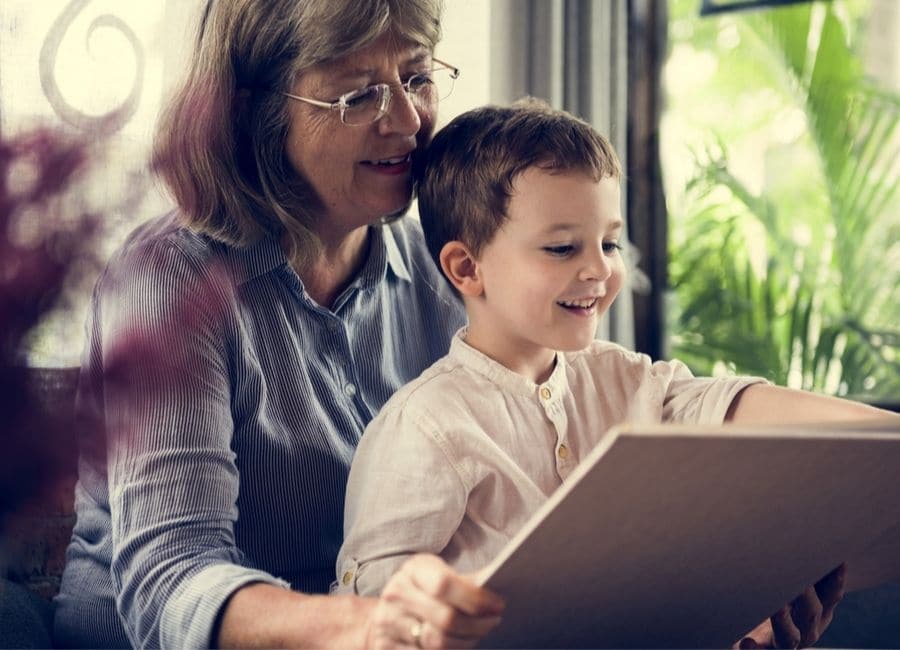
The influence of a maternal grandmother doesn’t end during childhood. Long-term studies have shown that individuals who have a close relationship with their maternal grandmother are more likely to experience positive outcomes in adulthood. These individuals tend to have better mental health, a stronger sense of self, and better coping mechanisms when faced with life’s challenges.
In addition to providing emotional support, maternal grandmothers contribute to building strong, positive family structures. Their influence extends across generations, creating a foundation of love and wisdom that benefits not only their grandchildren but also future generations. In essence, the impact of a maternal grandmother is not just limited to childhood—it shapes the entire course of a person’s life.
The Enduring Legacy of Maternal Grandmothers
The role of the maternal grandmother in a child’s life is nothing short of essential. From a genetic standpoint, maternal grandmothers share a deeper connection with their grandchildren than paternal grandmothers, which directly influences their involvement and care. But beyond genetics, maternal grandmothers offer emotional, social, and developmental benefits that positively impact a child’s growth and well-being.
Whether they are imparting wisdom, offering unconditional love, or providing guidance, maternal grandmothers shape the lives of their grandchildren in profound ways. As we recognize and appreciate the invaluable contributions of maternal grandmothers, we see how essential they are in shaping the future of generations to come.