
Table of Contents
- The Need for Transparency in Law Enforcement
- Governor Sherrill’s Statement
- Background on ICE’s Use of Face Coverings
- The Law’s Impact on Immigration Raids
- Similar Efforts Across the Nation
- Opposition from the Department of Homeland Security
- The Legal Battle Between New Jersey and the Trump Administration
- The Public’s Reaction to the Law
- The Broader Context of Immigration in New Jersey
- What’s Next for Immigration Law in New Jersey
- Conclusion
The Need for Transparency in Law Enforcement
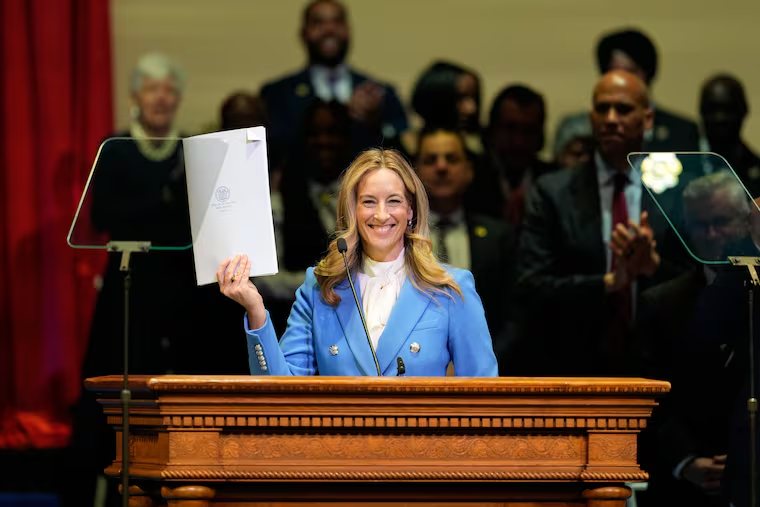
Governor Sherrill’s new law comes in response to growing concerns about the lack of transparency in immigration enforcement operations. Federal Immigration and Customs Enforcement (ICE) agents have often been accused of concealing their identities during raids, which some argue undermines the public’s trust in law enforcement. Sherrill, a Democrat who took office in January 2026, made it clear that her administration will not tolerate masked federal agents who refuse to identify themselves, particularly when conducting immigration operations in communities across New Jersey. By requiring officers to present identification before detaining individuals, the law ensures that those who interact with law enforcement know exactly who they are dealing with.
Governor Sherrill’s Statement
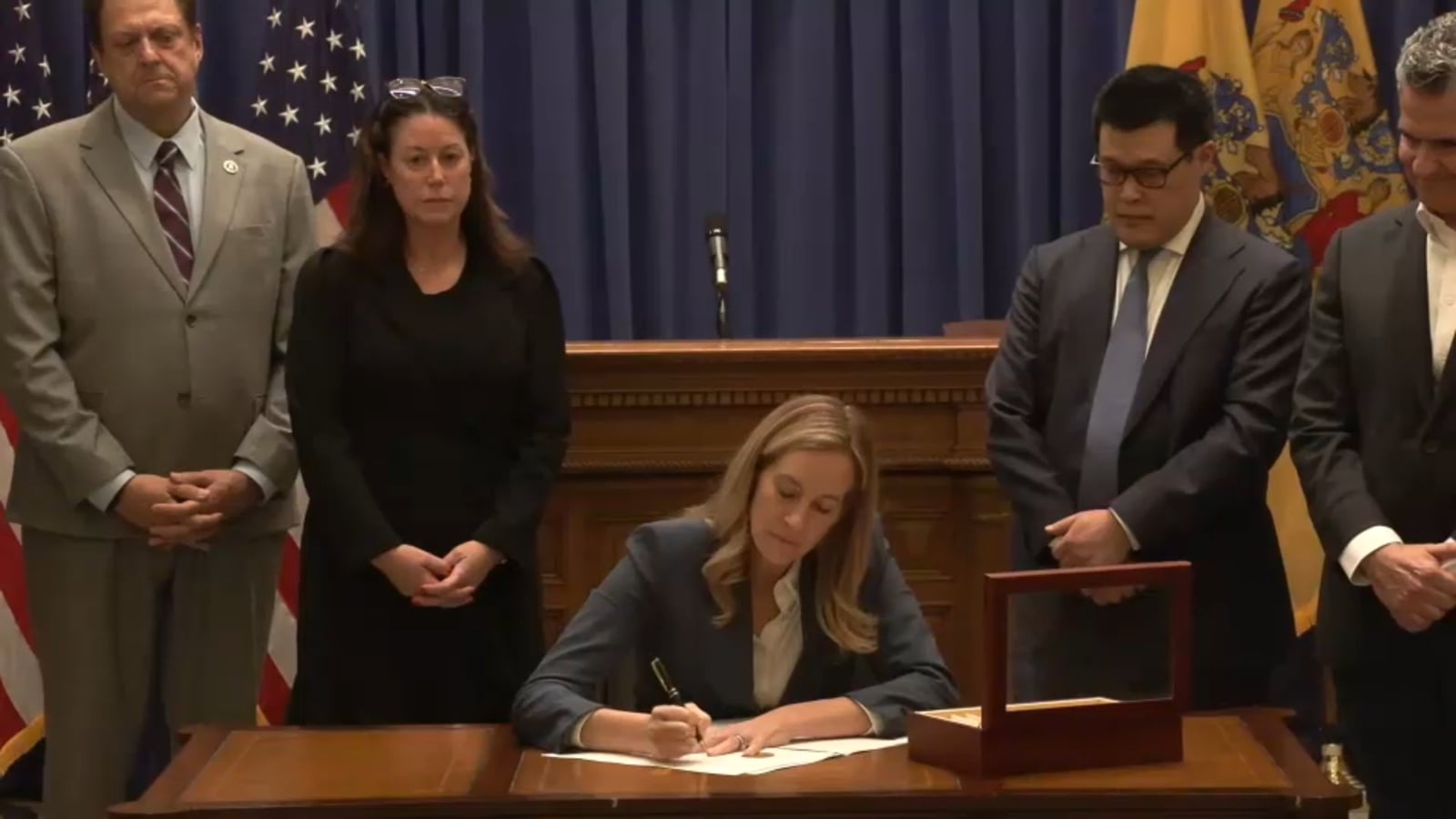
During the signing of the legislation, Governor Sherrill made a powerful statement about the importance of accountability in law enforcement. “I can’t believe we have to say this, but in the United States of America, we’re not going to tolerate masked roving militias pretending, pretending to be well-trained law enforcement agents,” she said. Sherrill emphasized that the law is meant to protect the residents of New Jersey from the overreach of federal authorities and ensure that law enforcement agencies uphold the highest standards of transparency. This new restriction is also part of a broader legislative package aimed at safeguarding the rights of New Jersey residents and reinforcing the rule of law.
Background on ICE’s Use of Face Coverings
The use of face coverings by ICE agents has become a controversial issue in recent years, especially in the context of immigration enforcement. Many have raised concerns about the practice, arguing that it fosters an atmosphere of fear and intimidation in immigrant communities. Masked agents are harder to identify, making it more difficult for individuals to challenge unlawful detentions or seek legal recourse. In response to these concerns, several states have moved to introduce legislation that would limit or prohibit the use of face coverings by law enforcement, particularly in immigration enforcement operations.
The Law’s Impact on Immigration Raids
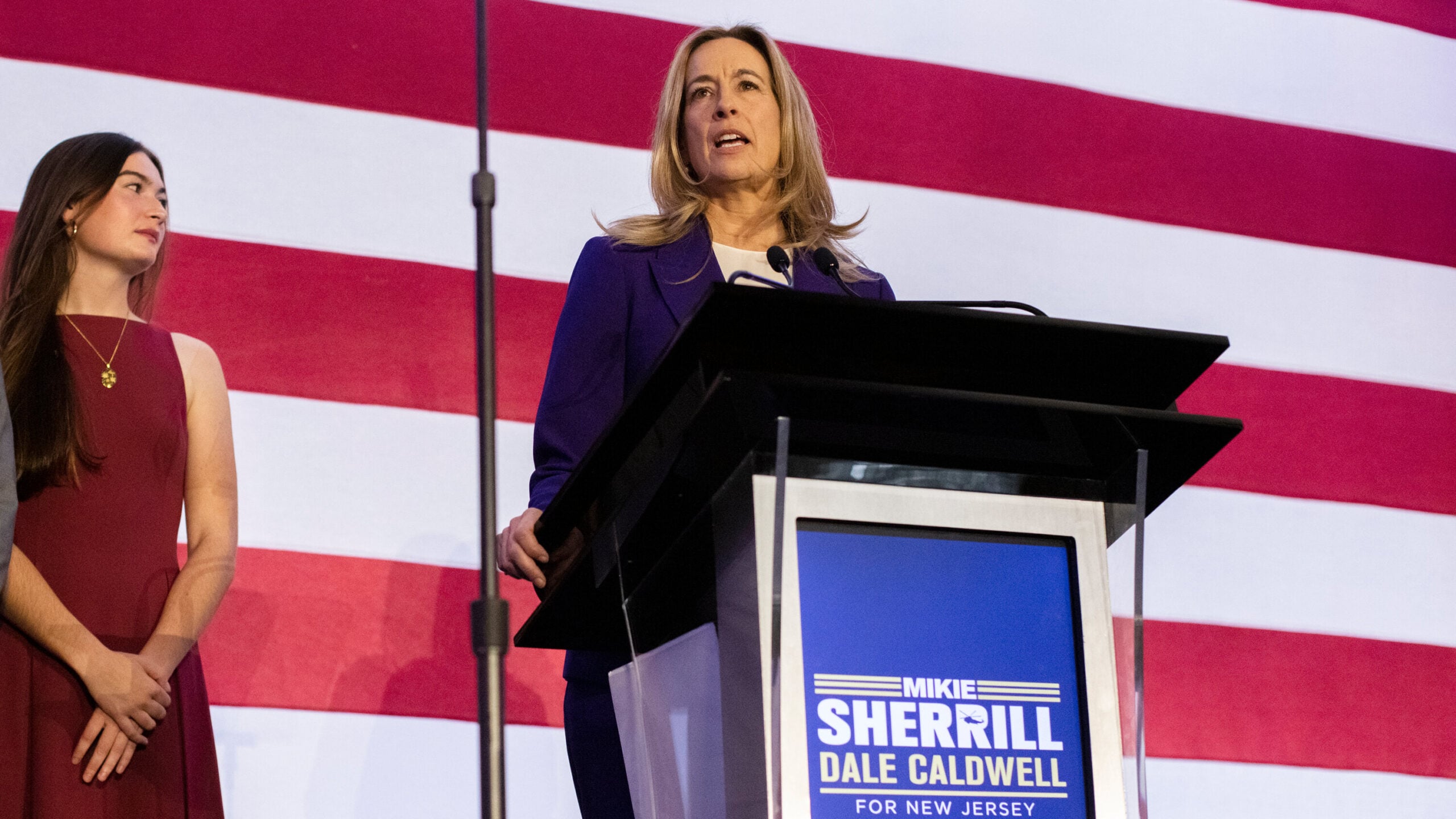
The law signed by Governor Sherrill is expected to have a significant impact on how ICE conducts immigration raids in New Jersey. By requiring agents to wear identifiable badges or other forms of identification, the law aims to ensure that individuals detained during immigration operations are treated with dignity and respect. This move is especially important in communities that have been targeted by ICE raids, as many residents have expressed fear and distrust toward law enforcement agencies. The legislation seeks to create a safer and more transparent environment for all residents, regardless of their immigration status.
Similar Efforts Across the Nation
New Jersey is not the only state addressing the issue of masked ICE agents. Just earlier this year, Washington Governor Bob Ferguson also signed a law limiting the use of face coverings for ICE agents. Like New Jersey’s law, Washington’s measure is aimed at increasing transparency and ensuring that federal agents are held accountable for their actions. These legislative efforts are part of a broader movement among Democrats in Congress and in state legislatures across the country to rein in the powers of federal immigration enforcement and restore public trust in law enforcement.
Opposition from the Department of Homeland Security

The Department of Homeland Security (DHS) has strongly criticized these efforts to limit ICE agents’ use of face coverings. DHS officials argue that such legislation could put agents at risk and compromise their ability to carry out their duties effectively. In response to Washington’s new law, DHS called the move “irresponsible, reckless, and dangerous,” claiming that it would make immigration enforcement more difficult and potentially jeopardize national security. The department has vowed to resist these state-level measures, arguing that they are unconstitutional and undermine federal authority.
The Legal Battle Between New Jersey and the Trump Administration
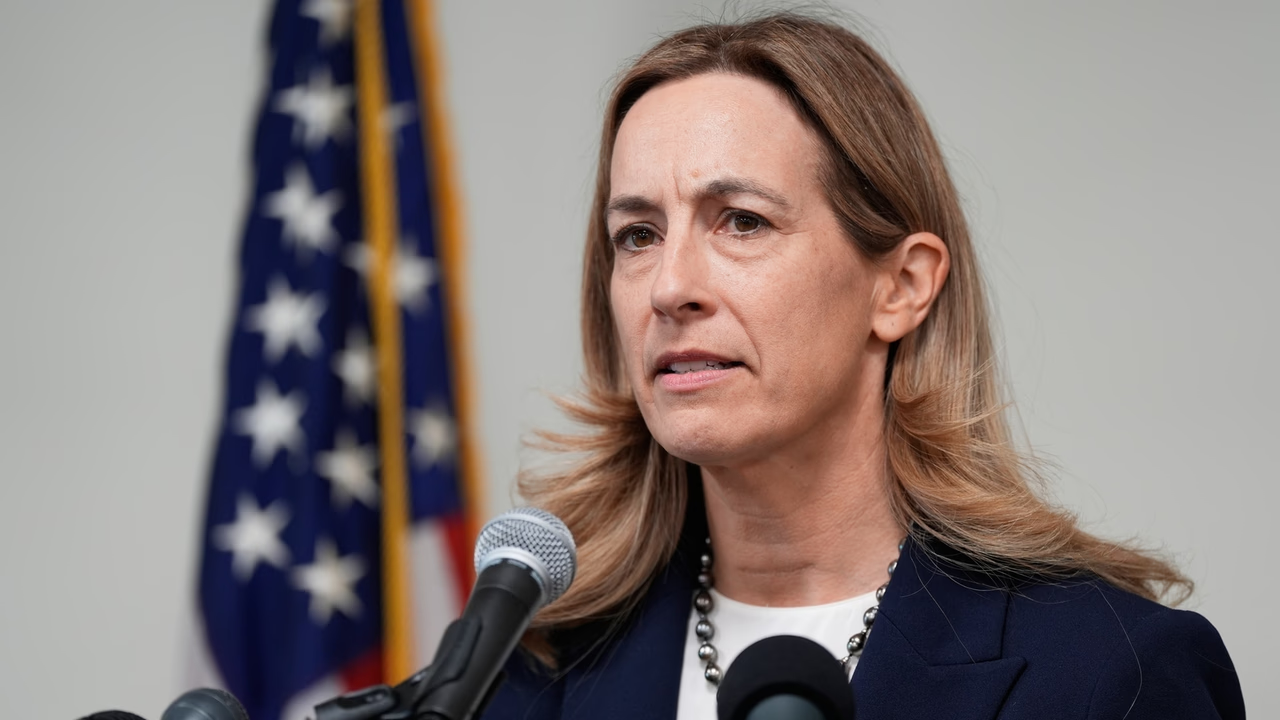
Governor Sherrill’s law comes at a time when New Jersey is already engaged in a legal battle with the Trump administration over its policies on immigration enforcement. Earlier this year, Sherrill signed an executive order that prohibits federal immigration agents from making arrests in nonpublic areas of state property, including courthouses and correctional facilities. The Trump administration has already filed a lawsuit against the state, arguing that Sherrill’s executive order infringes on federal immigration powers. This ongoing legal clash between state and federal authorities highlights the growing tensions over immigration enforcement and the balance of power between federal and state governments.
The Public’s Reaction to the Law

The law has garnered both praise and criticism from different sectors of society. Immigrant advocacy groups and civil rights organizations have applauded Governor Sherrill’s decision, calling it a victory for transparency and accountability. These groups argue that the law will help protect vulnerable immigrant communities from unlawful detentions and harassment by ICE agents. On the other hand, some critics, particularly conservative commentators and law enforcement officials, argue that the law is a political move designed to undermine federal immigration enforcement. They warn that such measures could embolden illegal immigration and undermine the effectiveness of ICE’s operations.
The Broader Context of Immigration in New Jersey

New Jersey has long been a key battleground for immigration policy, with a large immigrant population and a history of contentious debates over how to handle immigration enforcement. The state has made efforts to protect immigrants in recent years, with laws that limit cooperation between local law enforcement and federal immigration authorities. Governor Sherrill’s latest law is part of a broader effort to create a more inclusive and welcoming environment for immigrants while balancing the needs of law enforcement and public safety.
What’s Next for Immigration Law in New Jersey

As the legal battle over Sherrill’s policies continues, it remains to be seen what impact this new law will have on immigration enforcement in New Jersey and across the United States. The state’s efforts to limit ICE’s powers and increase transparency in law enforcement may serve as a model for other states seeking to rein in federal immigration authority. However, with ongoing opposition from the federal government, the future of these state-level measures is uncertain. The question remains: will more states follow New Jersey’s lead, or will the Trump administration continue to push back against these efforts to reshape immigration enforcement?
Conclusion
Governor Mikie Sherrill’s signing of the law limiting ICE agents’ use of face coverings is a bold move in the ongoing debate over immigration enforcement in the United States. By prioritizing transparency and accountability, Sherrill’s administration aims to build trust between law enforcement and the communities they serve. However, the law is not without controversy, as it faces opposition from federal officials and some conservative groups. As the legal battle unfolds, the outcome of this policy may set a precedent for how other states address issues of immigration enforcement and law enforcement transparency in the years to come.