
Table of Contents
- The Request for Religious Exemption
- The Catholic Church’s Teaching on Abortion and Vaccines
- The Conflict: Domski’s Religious Beliefs vs. Company Policy
- The Jury’s Decision and Award
- The Legal Basis for the Case
- BCBSM’s Defense and Response
- The Broader Context: Religious Discrimination Lawsuits
- The Role of Religious Beliefs in Workplace Policies
- The Impact of the Case on Religious Exemption Policies
- The Future of Religious Exemption Lawsuits
- Conclusion
The Request for Religious Exemption
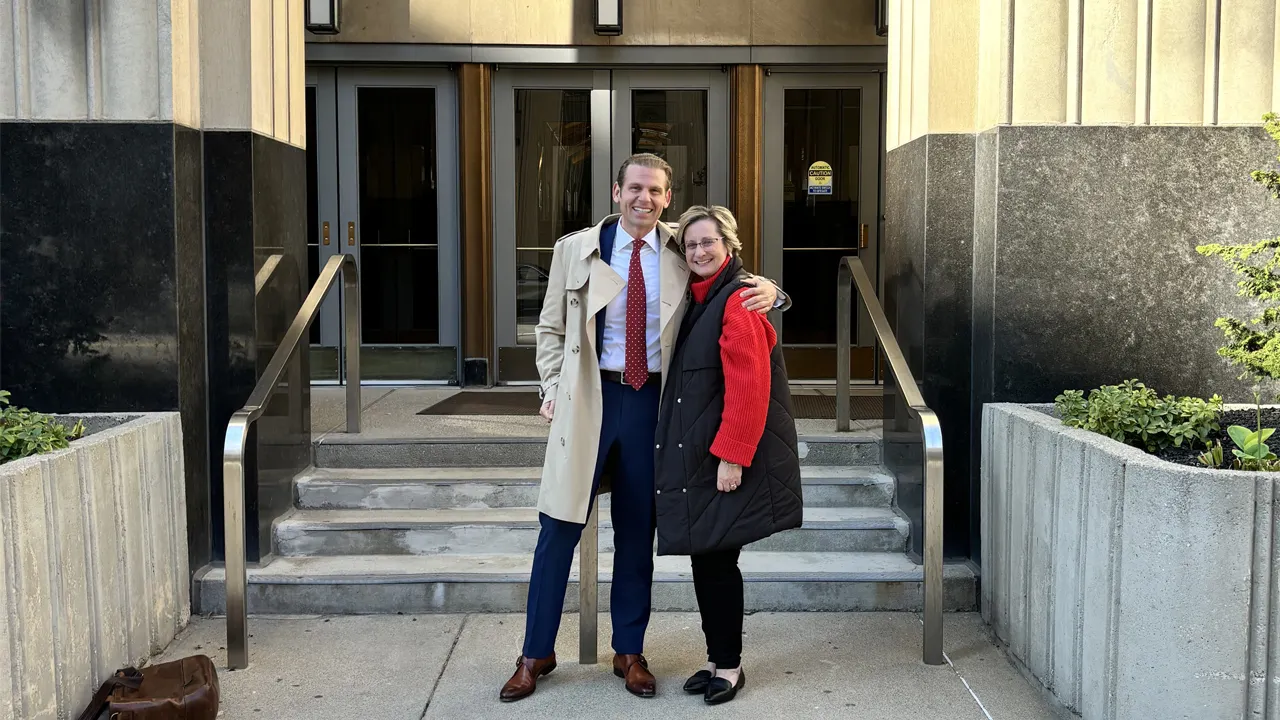
Lisa Domski’s case began when she submitted a religious exemption request to BCBSM, citing her deeply held Catholic belief that abortion is a “moral evil.” The vaccines approved for use during the pandemic, she argued, had been developed or tested using fetal cell lines that originated from aborted fetuses. Domski explained that receiving the vaccine would “distance her relationship with God” and be “a terrible sin.” Despite her explanation and her role working remotely, BCBSM denied her request for an exemption and later fired her for non-compliance with the vaccine mandate.
The Catholic Church’s Teaching on Abortion and Vaccines
The Catholic Church’s stance on abortion is clear, calling it a “gravely contrary” act against the moral law. The Catechism of the Catholic Church teaches that life must be protected from conception, and abortion is considered a “moral evil.” However, when it came to COVID-19 vaccines, the Vatican issued a statement in December 2020 that clarified its position. While it acknowledged that some vaccines were developed using cell lines from aborted fetuses, it deemed it morally permissible for Catholics to receive these vaccines, provided no other options were available. The Vatican stressed, however, that vaccination must remain voluntary and that individuals should make their decision based on conscience.
The Conflict: Domski’s Religious Beliefs vs. Company Policy

Despite the Vatican’s stance on the moral permissibility of the vaccines, Domski’s personal beliefs led her to refuse the vaccine. She argued that accepting the vaccine would violate her conscience and her religious values. She presented a strong case based on her understanding of Catholic teaching, asserting that her refusal was rooted in her faith. BCBSM, however, argued that her position did not meet the criteria for a religious exemption. This conflict between religious belief and company policy would ultimately lead to Domski’s legal battle.
The Jury’s Decision and Award
After hearing Domski’s case, the jury found that BCBSM had unlawfully discriminated against her based on her religious beliefs. The jury concluded that BCBSM had failed to provide a reasonable accommodation for Domski’s religious objections to the vaccine mandate. The verdict included nearly $1.7 million in back pay and front pay, $1 million in noneconomic damages, and a staggering $10 million in punitive damages. The punitive damages were awarded to punish BCBSM for its actions and to deter future discrimination against employees based on their religious beliefs.
The Legal Basis for the Case
Domski’s legal team, led by attorney Jon Marko, argued that BCBSM had violated both federal and state laws prohibiting religious discrimination. The jury found that Domski’s religious objection was sincere, and BCBSM had failed to appropriately consider her request for accommodation. According to Marko, BCBSM had a pattern of denying religious exemption requests, with 75% of such requests being rejected. This failure to engage with employees’ sincerely held religious beliefs formed the crux of the case, highlighting systemic issues within the company’s approach to religious accommodation.
BCBSM’s Defense and Response
In response to the verdict, BCBSM issued a statement expressing disappointment in the jury’s decision. The company maintained that it had worked to promote the health and safety of its employees and communities through its vaccine mandate. BCBSM further claimed that its accommodation process complied with both state and federal laws and was designed to respect the religious beliefs of its employees. Despite the ruling, the company indicated that it would explore its legal options and review its approach to religious exemptions in the future.
The Broader Context: Religious Discrimination Lawsuits

Domski’s case is not an isolated incident. Across the country, thousands of employees have filed lawsuits after their requests for religious exemptions from COVID-19 vaccine mandates were denied. These lawsuits, many of which focus on the use of fetal cell lines in vaccine development, have resulted in significant legal battles. Other organizations, such as NorthShore University Health System in Illinois and Bay Area Rapid Transit in California, have faced similar lawsuits and been forced to settle, paying millions of dollars to employees who were denied religious accommodations.
The Role of Religious Beliefs in Workplace Policies
Domski’s lawsuit highlights a larger issue of how religious beliefs intersect with workplace policies. While the federal government and companies have implemented vaccine mandates as a public health measure, employees have the legal right to seek religious exemptions. The question of how far employers must go to accommodate religious beliefs, particularly when those beliefs conflict with public health requirements, has been at the center of many legal challenges. Domski’s victory sets an important precedent for future religious discrimination cases in the workplace, particularly regarding vaccine mandates.
The Impact of the Case on Religious Exemption Policies
This landmark case is likely to influence how companies handle religious exemption requests in the future. Many legal experts predict that the ruling will lead to increased scrutiny of employer practices concerning religious accommodations. Companies may be forced to review their exemption processes to ensure that they are in compliance with anti-discrimination laws and respect employees’ sincerely held religious beliefs. As vaccine mandates continue to be a topic of debate, this case may prompt other individuals to seek legal recourse if they feel their religious beliefs are being unfairly dismissed by their employers.
The Future of Religious Exemption Lawsuits
With the growing number of religious exemption lawsuits related to COVID-19 vaccine mandates, the legal landscape surrounding religious discrimination in the workplace is evolving. While the legal right to request religious accommodations remains intact, it is clear that employers must be careful in how they handle such requests. As seen in Domski’s case, failure to accommodate an employee’s religious beliefs can result in significant financial penalties. The broader impact of this ruling may inspire more individuals to assert their rights to religious accommodations, potentially reshaping workplace policies across the nation.
Conclusion
Lisa Domski’s legal victory in her religious discrimination lawsuit against Blue Cross Blue Shield of Michigan is a significant moment in the ongoing debate over religious rights and workplace policies. The jury’s award of $12.7 million underscores the importance of accommodating sincerely held religious beliefs, particularly when they conflict with company policies like vaccine mandates. As more lawsuits related to religious exemptions continue to emerge, employers across the country will need to carefully consider how they handle requests for accommodations. Domski’s case serves as a powerful reminder that employees have the right to stand up for their faith, and the legal system will protect those rights when they are violated.