
Table of Contents
- From Nobel-Winning Drug to COVID-19 Controversy
- The Legislative Journey of House Bill 25
- What HB 25 Proposes: Over-the-Counter Ivermectin with Safety Measures
- Supporters vs. Opponents of HB 25
- The Public Health Implications of Over-the-Counter Ivermectin
- The Role of Political and Grassroots Advocacy in Healthcare Policy
- The Scientific Debate: Ivermectin’s Safety and Efficacy
- Financial and Legal Considerations of HB 25
- Cultural and Social Context: A Polarized Debate on Medical Freedom
- The Future of Ivermectin and Medical Autonomy in Texas
From Nobel-Winning Drug to COVID-19 Controversy
Ivermectin was first discovered by Japanese scientist Satoshi Ōmura and American parasitologist William C. Campbell in the 1970s. The drug gained worldwide acclaim after being recognized for its ability to treat parasitic diseases such as river blindness and lymphatic filariasis, winning the Nobel Prize in Physiology or Medicine in 2015. Initially celebrated for its humanitarian impact, ivermectin became an essential tool in global public health, particularly in developing countries.
However, its role evolved dramatically during the COVID-19 pandemic when ivermectin gained attention as a potential treatment for the virus. Early studies showed promise, but concerns arose as the studies used doses that were not achievable in humans. Despite these limitations, misinformation about ivermectin’s potential to treat COVID-19 spread quickly, and a significant portion of the public began demanding easier access to the drug.
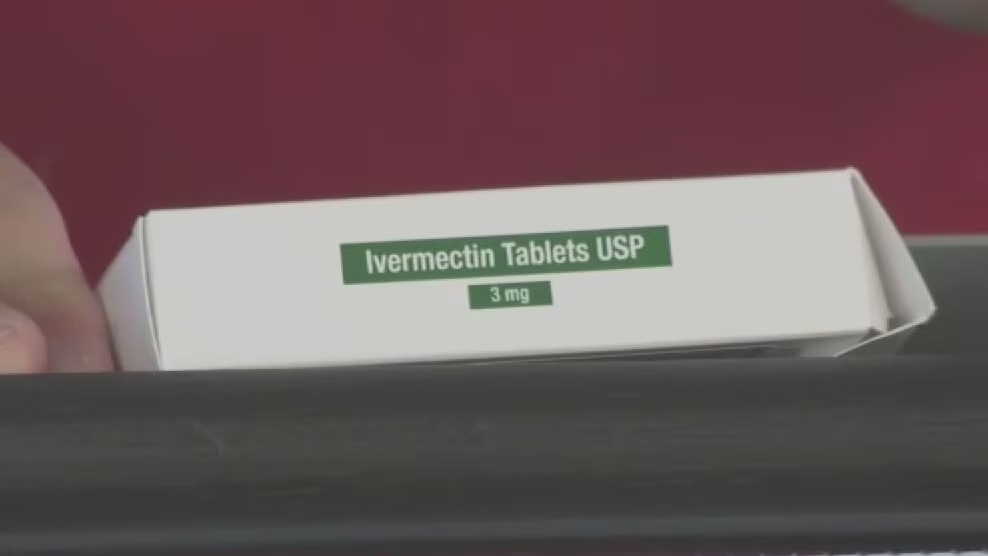
In Texas, this demand culminated in the introduction and passage of HB 25, a bill that would allow pharmacists to dispense ivermectin without a prescription.
The Legislative Journey of House Bill 25

House Bill 25, introduced by State Representative Joanne Shofner of Nacogdoches, is the latest in a series of legislative efforts in Texas aimed at expanding access to ivermectin. The bill would allow pharmacists to distribute the drug without a prescription, provided they follow guidelines designed to ensure the safe use of the medication.
This move is not unprecedented. Earlier in 2025, Shofner introduced a similar bill, HB 3219, which would have made ivermectin more widely available, but the bill stalled in committee. Undeterred, Shofner and advocacy groups like Texans for Vaccine Choice launched a petition that garnered over 7,000 signatures, urging Governor Greg Abbott to prioritize ivermectin access. The pressure led to the inclusion of the issue in a special legislative session, where HB 25 was passed with bipartisan support.
What HB 25 Proposes: Over-the-Counter Ivermectin with Safety Measures
HB 25’s core provision is the authorization for pharmacists to dispense ivermectin without a prescription, with standardized protocols in place. These protocols require pharmacists to counsel patients on the drug’s proper use and inform them of possible side effects, such as dizziness or skin irritation. Additionally, the bill provides pharmacists with legal protections, shielding them from criminal or civil liability when following the law.
The bill’s supporters argue that this approach would provide greater access to ivermectin, especially in rural areas where healthcare services may be limited. They emphasize that the drug has a long history of use in treating parasitic infections with a proven safety profile, making it a reasonable candidate for over-the-counter availability.
Supporters vs. Opponents of HB 25
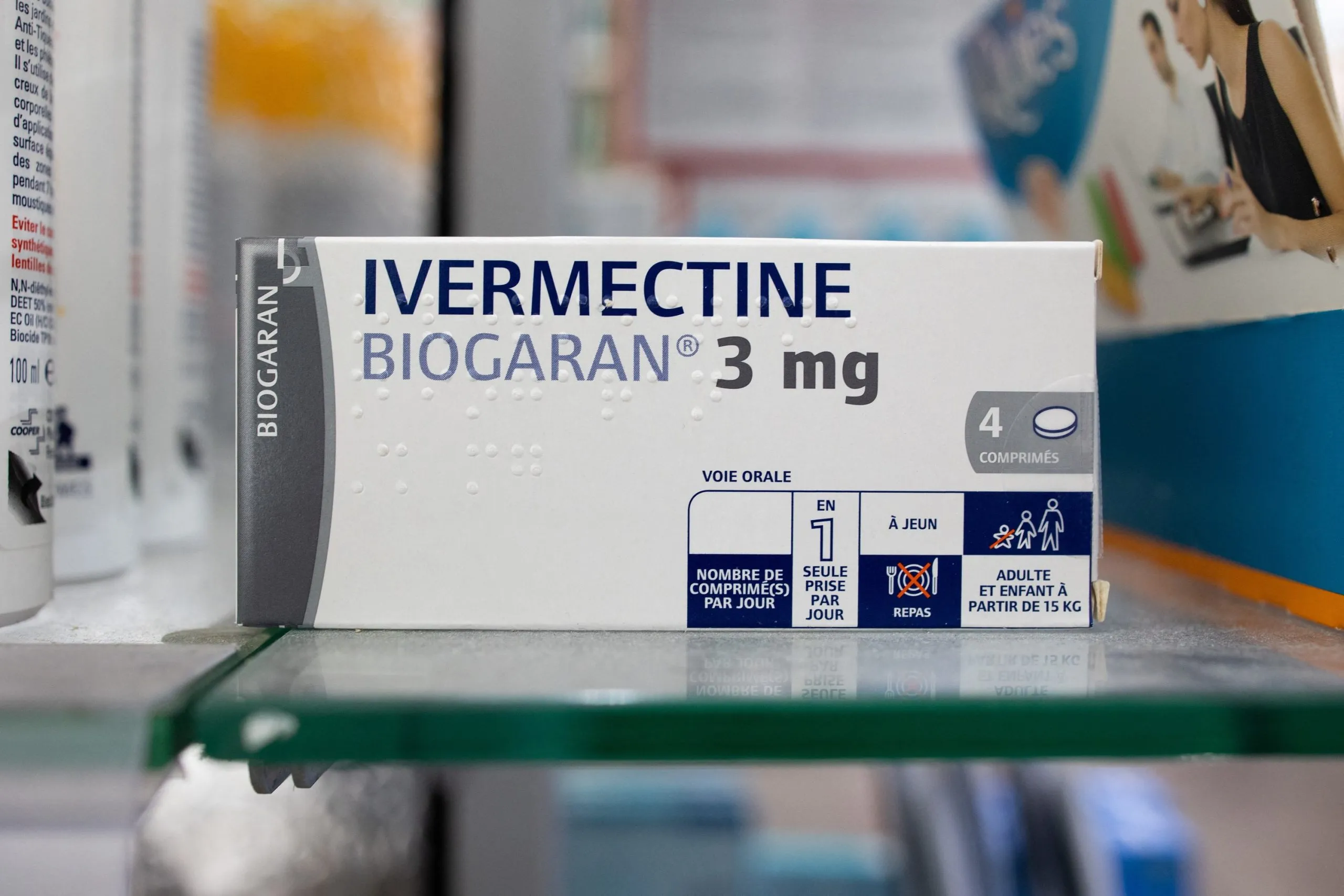
The debate surrounding HB 25 is emblematic of broader national conversations about medical freedom, patient choice, and the role of government in healthcare. Supporters of the bill frame it as a victory for individual rights, particularly for those living in underserved areas. They argue that the state should not stand in the way of citizens accessing safe and affordable medications, especially when the drug in question has been used globally for decades.
However, opponents of the bill are concerned about the risks of undermining the role of medical professionals in patient care. Critics, including many doctors and medical associations, argue that allowing ivermectin to be dispensed without prescription could lead to misuse, particularly if individuals self-medicate without proper oversight. Furthermore, they point out that ivermectin’s effectiveness for COVID-19 has not been proven in large clinical trials, and they warn against the potential for misinformation to lead people toward ineffective treatments.
The Public Health Implications of Over-the-Counter Ivermectin
The central concern with HB 25 is its potential impact on public health. While ivermectin has proven to be an effective treatment for parasitic infections, its use in the treatment of COVID-19 remains unsubstantiated by robust clinical evidence. Health authorities, including the U.S. Food and Drug Administration (FDA) and the Centers for Disease Control and Prevention (CDC), have repeatedly cautioned against the use of ivermectin for COVID-19 outside of approved contexts.
Despite these warnings, the demand for ivermectin remains high, fueled by social media, anecdotal reports, and a general mistrust of federal health authorities. By approving HB 25, Texas would be diverging from federal health guidelines, further stoking the controversy surrounding ivermectin’s use.
The Role of Political and Grassroots Advocacy in Healthcare Policy

The passage of HB 25 highlights the growing influence of political movements in shaping healthcare policy. Advocates for ivermectin access, such as Texans for Vaccine Choice, have successfully mobilized public opinion, leading to widespread grassroots support for the bill. With over 7,000 signatures on the petition, public demand for easier access to the drug was impossible to ignore, compelling lawmakers to take action.
At the same time, the bill reflects broader trends in Texas politics, where the state’s leadership has prioritized individual rights and freedoms in healthcare decisions. The bill’s passage also reflects a growing divide between state and federal approaches to public health, with Texas lawmakers positioning themselves in opposition to federal authorities on several healthcare issues.
The Scientific Debate: Ivermectin’s Safety and Efficacy
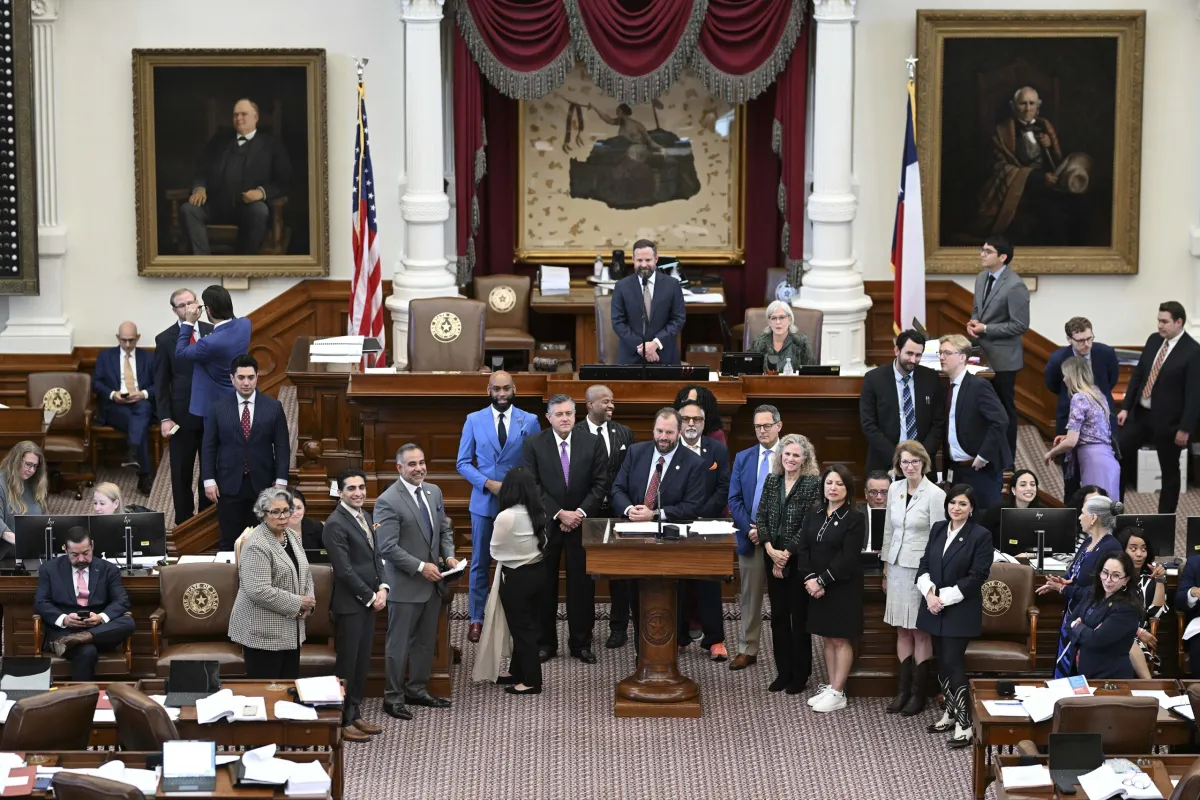
Ivermectin’s history in medical science is undeniable. The drug has been credited with saving millions of lives by treating parasitic diseases like river blindness. However, its use in COVID-19 treatment has sparked intense debate within the medical community. While some early studies suggested that ivermectin might have antiviral properties, subsequent research has failed to establish its efficacy as a COVID-19 treatment.
The controversy has only deepened as social media platforms have become hotbeds for misinformation, with many individuals clinging to anecdotal evidence in the absence of clinical validation. Critics of HB 25 argue that granting over-the-counter access to ivermectin could perpetuate these misconceptions and lead to widespread misuse.
Financial and Legal Considerations of HB 25

The financial implications of HB 25 are significant. While proponents argue that the law will save money for patients and provide easier access to a low-cost drug, opponents worry about the long-term costs of potential misuse. They question whether the state should bear the financial burden of addressing adverse health effects stemming from unsupervised use of ivermectin.
Additionally, the bill’s legal provisions, which grant pharmacists immunity from civil or criminal liability when dispensing ivermectin, raise concerns about the responsibilities of healthcare professionals. Many fear that this could lead to a lack of accountability for adverse outcomes, leaving patients vulnerable to potential harm.
Cultural and Social Context: A Polarized Debate on Medical Freedom
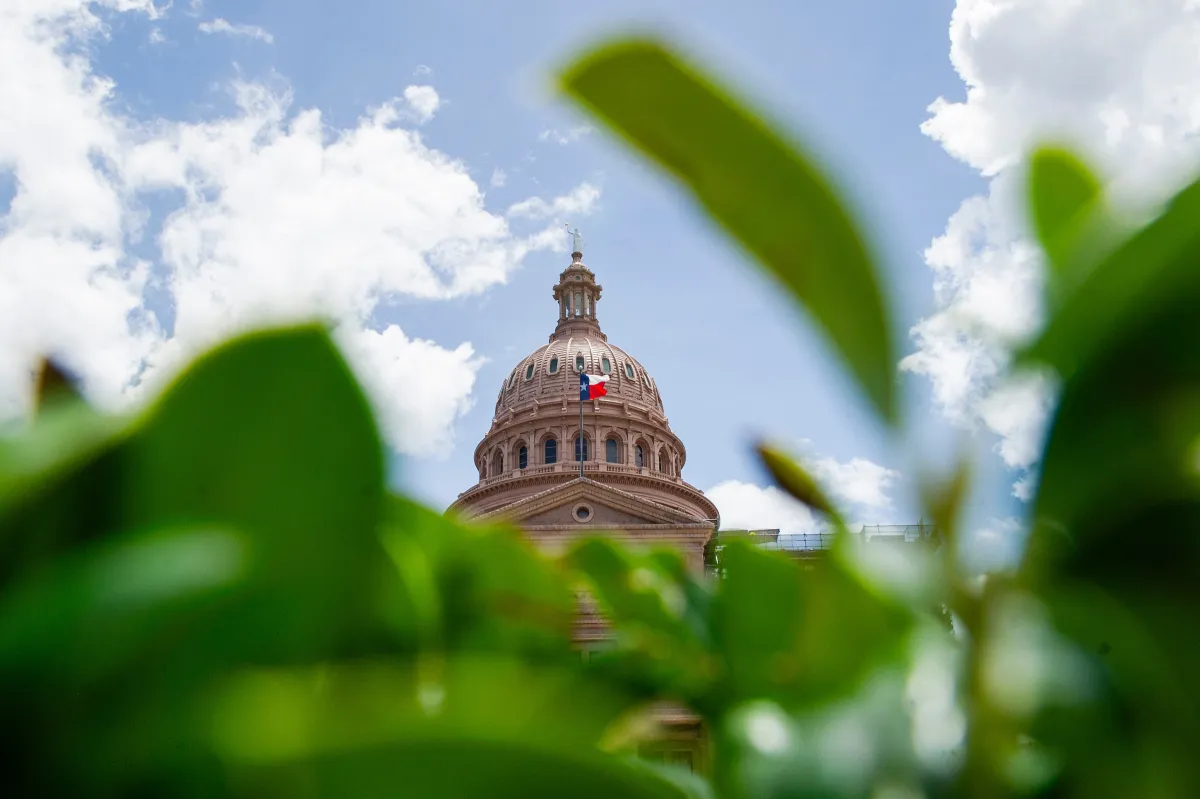
At the heart of the debate over HB 25 is a broader cultural conflict between individual autonomy and public health responsibility. Supporters of the bill see it as a win for medical freedom, believing that patients should have the right to make their own healthcare decisions without government interference. This sentiment has gained traction in recent years, particularly in the wake of the COVID-19 pandemic, where lockdowns, mandates, and government restrictions have sparked widespread protests.
Opponents, on the other hand, argue that public health policies should prioritize scientific evidence and expert guidance. They warn that expanding access to ivermectin without adequate oversight could set a dangerous precedent, encouraging other states to bypass federal health regulations in favor of politically motivated decisions.
The Future of Ivermectin and Medical Autonomy in Texas

As Texas moves toward enacting HB 25, the nation watches closely. The bill represents more than just a local healthcare decision; it reflects broader national conversations about patient rights, medical freedom, and the intersection of science and politics. While the debate over ivermectin is far from over, the passage of HB 25 signals a shift in how healthcare policy may be shaped in the future—one where state legislatures assert greater control over medical decisions in the face of federal health guidelines.
The outcomes of this legislation will not only affect the future of ivermectin in Texas but could also set a precedent for other states grappling with similar issues. Whether this move will ultimately benefit patients or pose a public health risk remains to be seen, but the conversation has sparked a crucial discussion about the balance between individual choice and collective safety in healthcare.