
Table of Contents
- What is Mamdani’s ‘Tax the Rich’ Plan?
- The Target of the Tax: Second Homes Above $5 Million
- Fierce Backlash from the Wealthy Elite
- Mamdani’s Response: Advocating for Reform
- Critics Argue the Tax Could Drive Businesses Away
- Mamdani’s “Fundamentally Unfair System” Argument
- The Impact on New York’s Real Estate Market
- Similar Efforts Across the U.S.
- The Future of Taxing the Wealthy
- The Future of New York’s Tax Policies
What is Mamdani’s ‘Tax the Rich’ Plan?
Mayor Zohran Mamdani’s “tax the rich” initiative seeks to impose a new tax on luxury second homes in New York City, with a focus on properties valued over $5 million. Mamdani argues that the city’s wealthy residents are storing their wealth in properties that remain vacant much of the time, avoiding paying city and state income taxes. The goal of the tax is to redistribute this wealth and make New York more affordable for middle- and low-income residents. This initiative is part of Mamdani’s broader campaign to address economic inequality and the rising cost of living in the city.
The Target of the Tax: Second Homes Above $5 Million
The proposed tax would apply to second homes with a market value exceeding $5 million, a category that includes some of New York City’s most opulent properties. Mamdani and his supporters argue that these luxury homes are often left empty, serving as status symbols for the ultra-wealthy while contributing little to the city’s economy. By taxing these properties, Mamdani believes he can generate revenue that will be used to fund affordable housing and public services for the city’s working-class residents.
Fierce Backlash from the Wealthy Elite
The response to Mamdani’s plan has been swift and emotionally charged. Steven Roth, the CEO of Vornado, one of the largest real estate firms in New York, did not hold back in his criticism. During an earnings call, Roth compared the phrase “tax the rich” to “disgusting racial slurs,” calling it “hateful” and accusing Mamdani of promoting class warfare. Roth’s comments highlight the deep animosity between the city’s business elite and Mamdani’s administration, which has positioned itself as a champion of working-class New Yorkers.
Ken Griffin, the hedge fund manager behind Citadel, also expressed his displeasure, calling Mamdani’s campaign-style video about the tax “creepy and weird.” Griffin, who owns a $238 million penthouse in New York, was the target of Mamdani’s video, which singled out his home as an example of the “fundamentally unfair” system. Griffin has since threatened to expand his business operations in Miami, citing the hostile environment in New York under Mamdani’s leadership.
Mamdani’s Response: Advocating for Reform
In response to the backlash, Mamdani’s office issued a statement defending the tax proposal as a necessary step toward creating a more equitable city. The mayor’s team emphasized that the goal of the tax was not to punish the wealthy but to address the growing affordability crisis in New York. “We want all New Yorkers to succeed, including business owners and employers like Ken Griffin,” said a spokesperson for Mamdani. “But that does not negate the fact that the city’s tax system is broken and needs to be reformed.”
Mamdani has consistently argued that the city’s wealthy residents have benefited from a system that allows them to hoard wealth without contributing adequately to the city’s infrastructure. The proposed tax is seen as a way to rebalance the scales and ensure that the city’s richest are paying their fair share to support the services that keep New York functioning.
Critics Argue the Tax Could Drive Businesses Away
While Mamdani’s proposal has found support among progressives and those advocating for wealth redistribution, many of New York City’s business leaders have expressed concerns that the tax will drive away the wealthy residents and businesses that are essential to the city’s economy. Roth, along with other critics, warned that the tax could lead to an exodus of high-income individuals, who may choose to move their wealth and operations to other cities with more favorable tax policies.
In particular, Griffin’s comments about relocating to Miami reflect broader concerns within the business community about New York’s future as a global financial hub. The city has long attracted the world’s wealthiest individuals, who invest heavily in real estate and contribute to the city’s economic growth. However, as taxes and regulations increase, some fear that New York may lose its status as a top destination for wealthy residents and businesses.
Mamdani’s “Fundamentally Unfair System” Argument
Mamdani’s tax proposal centers around the argument that the current system is “fundamentally unfair” because it allows the wealthiest New Yorkers to hoard properties that generate little to no economic activity. By targeting second homes, Mamdani aims to capture wealth that is largely insulated from the city’s economic realities, where housing costs are skyrocketing and millions of residents struggle to make ends meet.
Mamdani believes that taxing luxury properties could help alleviate some of these inequalities by redistributing wealth to fund initiatives such as affordable housing. However, critics argue that this strategy may not address the root causes of the affordability crisis, such as a lack of affordable housing construction and a shortage of rental properties for middle- and low-income residents.
The Impact on New York’s Real Estate Market
The real estate market in New York City is a key driver of the city’s economy, with luxury properties often commanding eye-popping prices. Mamdani’s tax could have a significant impact on the market, particularly in high-end neighborhoods like the Upper East Side, where second homes are often seen as safe investments for wealthy individuals looking to park their money. The tax may make these properties less attractive to potential buyers, especially if it raises the overall cost of ownership.
Some real estate analysts argue that the tax could lead to a decrease in property values in the luxury segment, which could have ripple effects throughout the market. On the other hand, proponents of the tax argue that it could increase the availability of affordable housing by shifting resources away from luxury developments and into public housing projects.
Similar Efforts Across the U.S.
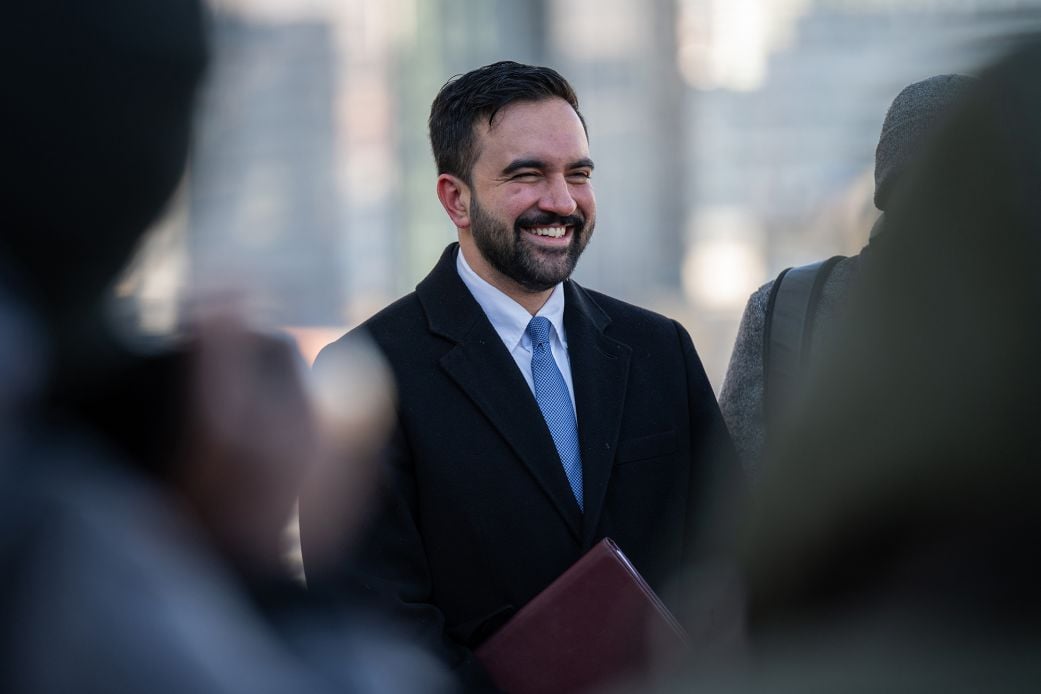
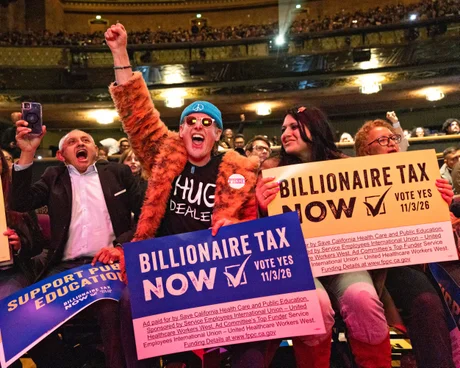
Mamdani’s plan is not the only effort to increase taxes on the wealthy in the U.S. Other cities and states have also proposed similar measures in an effort to address wealth inequality. In Massachusetts, a surtax on income over $1 million was passed in 2022, while Washington State and Rhode Island are considering taxes on income above $1 million. In California, voters will soon decide on a measure to tax billionaires in the state.
These efforts reflect a growing political push to address wealth inequality by increasing taxes on the rich. However, critics of these policies argue that they could drive wealthy individuals and businesses out of the state, potentially leading to a loss of jobs and economic activity. This debate is playing out in many cities across the country as policymakers grapple with how to address the widening gap between the rich and the poor.
The Future of Taxing the Wealthy
As the debate over Mamdani’s proposed tax continues to unfold, it remains unclear whether the plan will succeed in the long term. The political clash between Mamdani and New York’s business elite underscores the broader ideological divide over how to address wealth inequality in America. On one side, there are those who believe that taxing the rich is a necessary step toward creating a more equitable society. On the other, there are those who argue that such policies could stifle economic growth and drive the wealthy away.
The outcome of this debate will likely shape the future of New York City’s tax policy and its ability to attract businesses and residents in the years to come. Whether Mamdani’s tax succeeds or fails, it will undoubtedly continue to be a point of contention in the broader conversation about wealth, taxation, and the American Dream.
The Future of New York’s Tax Policies
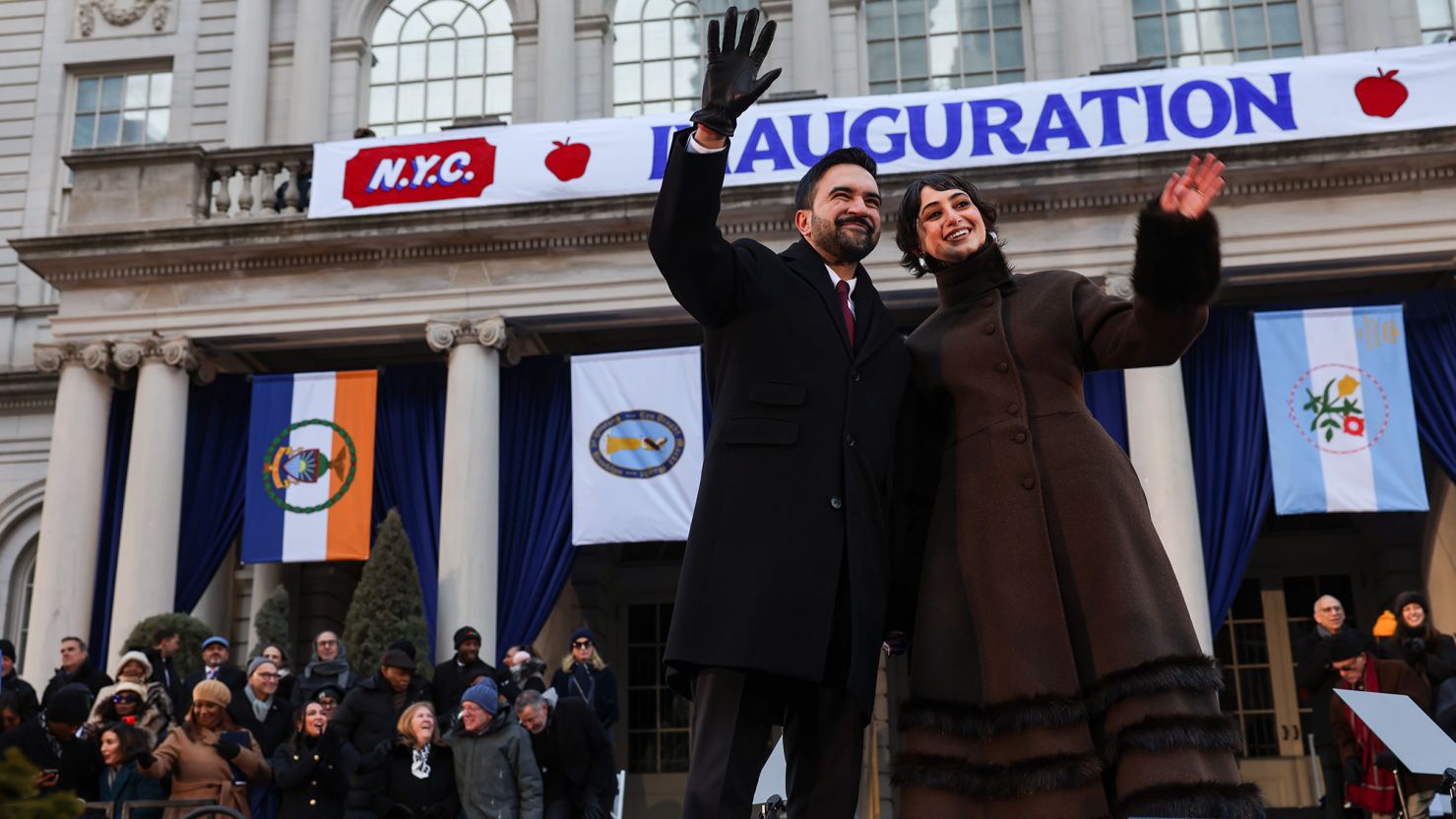
New York City’s proposed tax on second homes owned by the wealthy has sparked a heated debate between business leaders and policymakers. While Mamdani’s plan seeks to address wealth inequality and the housing affordability crisis, critics warn that it could harm the city’s economy by driving away high-income residents and businesses. As the debate continues, it remains to be seen whether the tax will pass and what impact it will have on the future of New York City’s real estate market and its status as a global financial hub.