
Table of Contents
- A Teenager Who Bridged Faith and Technology
- Living a Life of Charity
- A Modern Saint
- The Digital Museum: Spreading Faith in the 21st Century
- The Vatican’s Role in Carlo’s Path to Sainthood
- Relics, Pilgrimages, and the Economics of Devotion
- Medicine, Mystery, and the Limits of Proof
- Carlo as a Symbol for Modern Devotion
- The Global Impact of Carlo’s Canonization
- The Legacy of Carlo Acutis
A Teenager Who Bridged Faith and Technology
Carlo Acutis was born in 1991 in London but grew up in Milan. His parents were largely secular, yet Carlo developed a deep passion for prayer and spirituality at a young age. Despite living in a modern, secular environment, Carlo’s life was guided by faith. He was particularly drawn to the Eucharist and became fascinated by the stories of Eucharistic miracles—cases where the bread and wine in the Catholic Mass were said to have become visibly miraculous.
Carlo’s solution to sharing these miraculous stories? Technology. At just 11 years old, he began building an online museum dedicated to cataloguing Eucharistic miracles, documenting over 100 events from around the world. This “digital museum” made him a curiosity among church circles, as he used the internet to spread faith and share stories of the sacred in a way that was revolutionary for his time.
Living a Life of Charity
Carlo was not just a tech-savvy teenager; he also had a deep commitment to charity. Despite living in relative privilege, Carlo regularly donated his pocket money to the poor and made a habit of cooking meals for the homeless. His mother, Antonia Salzano, remembers him as a quiet, introverted boy with an intense devotion to his faith, but also one who took action to help others. His devotion to faith was not about grand gestures but simple, everyday acts of kindness.
Even as he battled leukemia in 2006, Carlo’s faith remained strong. His dedication to his spiritual practice never wavered, and he continued to attend Mass and pray throughout his illness. When he passed away from leukemia at the age of 15, Carlo left behind a legacy of love, charity, and technology. Little did anyone know, his death would spark a movement that would capture the world’s attention.
A Modern Saint
The process of canonization, which involves the Vatican scrutinizing a person’s life and verifying miracles, is traditionally lengthy and filled with meticulous procedures. Carlo’s path to sainthood was different. After his death, reports of two miraculous healings attributed to his intercession were forwarded to the Vatican’s Dicastery for the Causes of Saints. The miracles, one in Brazil and the other in Italy, were both deemed medically inexplicable after thorough investigation by the Vatican’s medical board.
The miracle in Brazil involved a child with a rare medical condition that caused him to be unable to digest food. After prayers to Carlo and contact with his relics, the child began to eat and gain weight rapidly. In Italy, a young woman who had suffered severe head trauma showed a miraculous recovery after prayers at Carlo’s tomb. The Vatican’s review of these cases led to Carlo’s beatification, and eventually, his canonization as a saint.
The Digital Museum: Spreading Faith in the 21st Century
Carlo’s legacy, however, isn’t just tied to the miracles attributed to him. His use of technology to spread faith has left an indelible mark on how devotion can be expressed in the modern world. Carlo’s online museum, built with the help of computers and the internet, brought centuries-old stories of the Eucharist into the digital age. This blending of the sacred with modern technology has made Carlo a relatable figure for younger generations who live their lives online.
Nicknamed “God’s influencer” and “the patron saint of the internet,” Carlo represents a new kind of saint—one who uses digital tools to reach millions. His sainthood is not just about his personal acts of charity and devotion but also about how he used the tools of the modern world to promote spirituality. His canonization symbolizes the Catholic Church’s willingness to engage with new technologies and the ways in which digital spaces can be used to spread religious messages.
The Vatican’s Role in Carlo’s Path to Sainthood
The Vatican’s process for canonization is rigorous and meticulous. Following Carlo’s death, a postulator was appointed to gather testimonies, writings, and other documentation to argue for his sainthood. The Dicastery for the Causes of Saints, a Vatican office that oversees the process, examines each potential saint’s life for evidence of holiness and any miraculous events attributed to their intercession. For Carlo, the two miracles—one in Brazil and one in Italy—were key to his beatification and subsequent canonization.
In addition to the miracles, Carlo’s devotion to charity, his love for the Eucharist, and his use of technology to spread the faith helped solidify his place in the Church’s pantheon of saints. The Vatican’s decision to canonize him was seen as not just a recognition of his personal holiness but also a response to the changing landscape of faith in the digital age.
Relics, Pilgrimages, and the Economics of Devotion
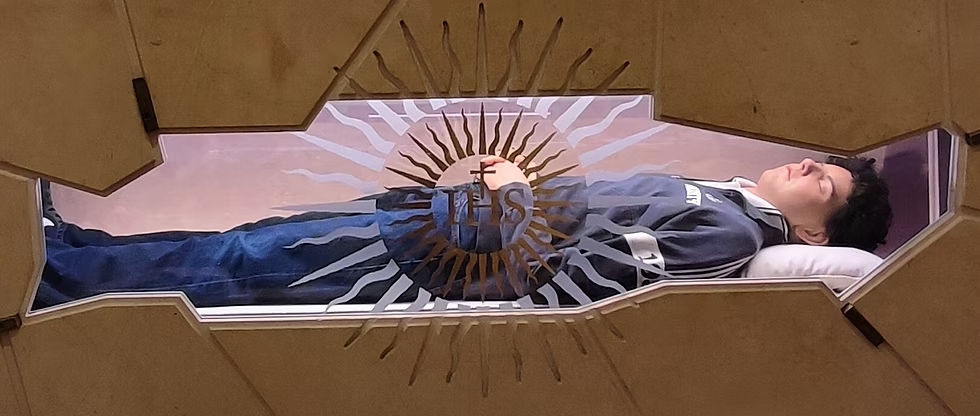
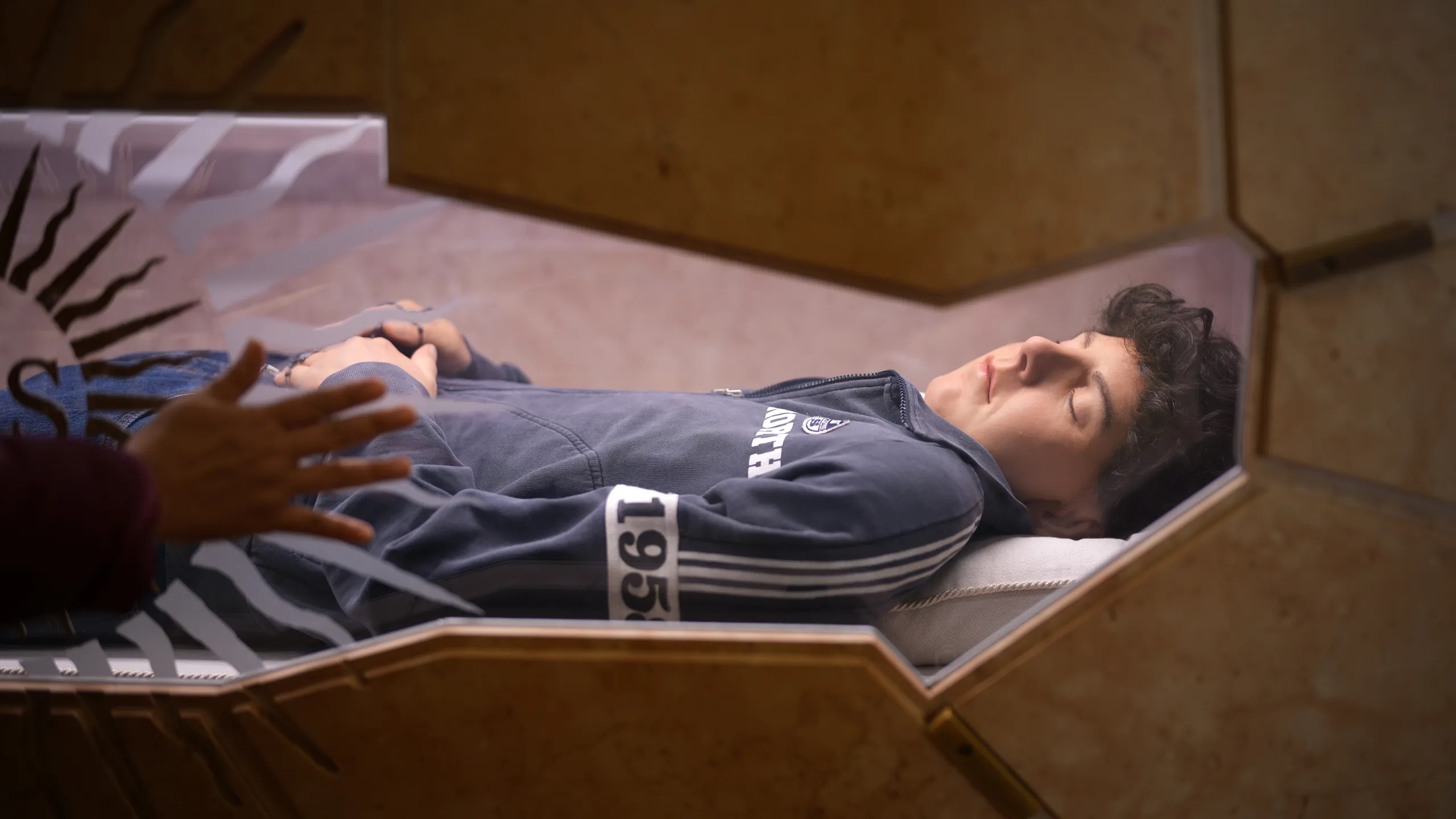
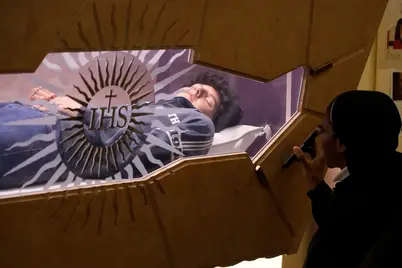
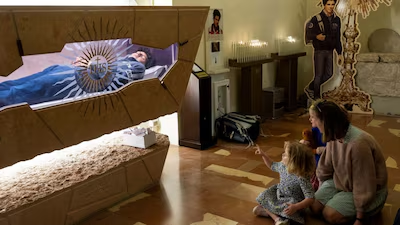
Like many saints, Carlo’s relics have become the focal point for pilgrims. His tomb in Assisi has become a site of veneration, where people from around the world come to pay their respects and seek his intercession. Carlo’s relics, including pieces of his clothing, have traveled to churches and shrines, becoming tangible links between the sacred and the everyday.
The economic implications of this form of pilgrimage are not insignificant. As tourists and pilgrims flock to Assisi, local businesses benefit from the influx of visitors. However, critics of the Church’s emphasis on relics argue that the process can seem commercialized, with shrines turning into destinations that boost attendance and donations. Despite these concerns, for believers, the act of touching a relic or praying at a saint’s tomb holds profound spiritual significance.
Medicine, Mystery, and the Limits of Proof
The Vatican’s investigation into Carlo’s miracles highlights the tension between faith and science. While the medical board of the Dicastery for the Causes of Saints operates with scientific scrutiny, the miracles they approve are not scientifically explained. They are considered “inexplicable” according to current medical knowledge, which does not claim to prove supernatural causes but rather points to the lack of any natural explanation.
The role of medicine in the process of canonization has long been a point of contention. While skeptics argue that what seems inexplicable today may be explainable with future medical advancements, believers find comfort in the recognition of miracles as signs of divine intervention. For those affected by illness, the recognition of such events provides closure and hope, even if the cause remains unknown.
Carlo as a Symbol for Modern Devotion
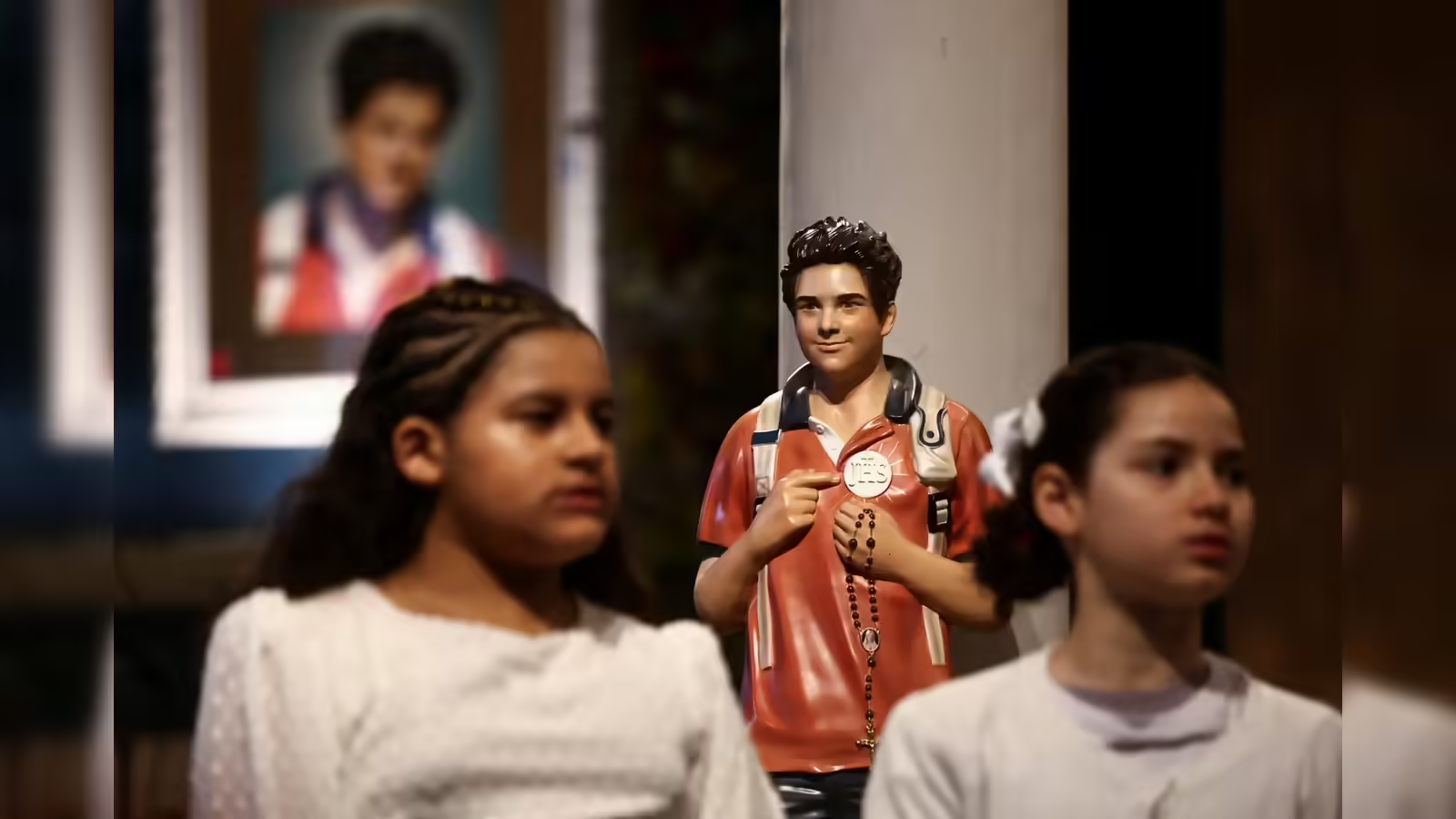
Carlo Acutis represents a modern kind of saint, one who used his interests and skills to serve others and spread the faith. His story resonates particularly with younger generations, who often experience their faith through digital platforms. The canonization of Carlo also marks a shift in how the Catholic Church approaches sainthood, acknowledging that holiness can be found in unexpected places—even in a teenager’s digital archive of Eucharistic miracles.
Carlo’s sainthood challenges traditional notions of what it means to be holy in today’s world. His story is a testament to how faith can be lived out in a contemporary context and how new tools like the internet can be used for good. His canonization also demonstrates the Church’s adaptability in embracing modern technologies and finding ways to connect with younger generations.
The Global Impact of Carlo’s Canonization
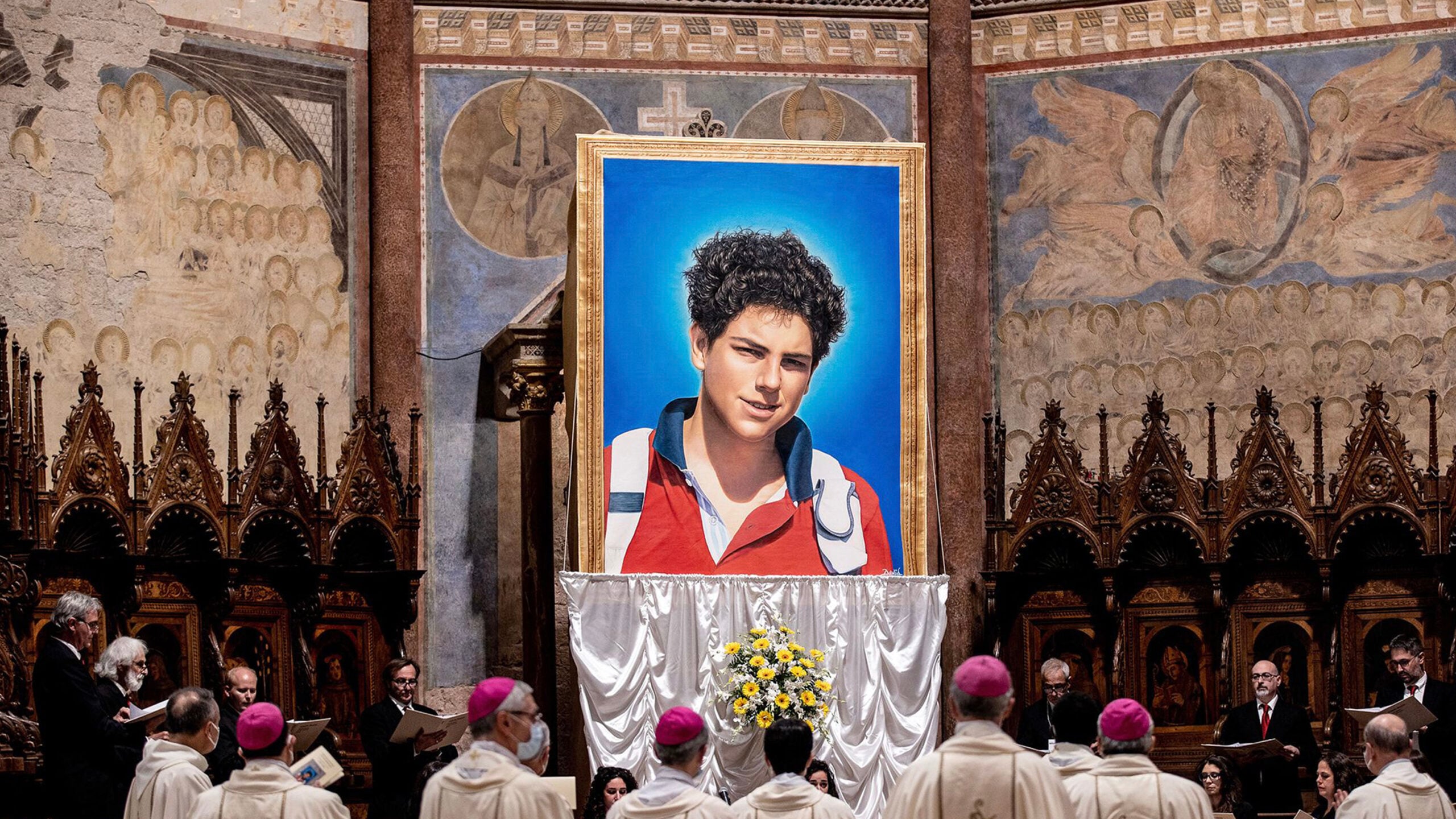
Since Carlo’s canonization, his story has become a global phenomenon. Pilgrims from all over the world travel to Assisi to visit his tomb, seeking both spiritual solace and a connection to this modern-day saint. For many, Carlo is a reminder that holiness is not confined to the past; it can be present in the lives of ordinary young people today, living in a digital, connected world.
As the patron saint of the internet, Carlo’s canonization represents the intersection of faith and technology in a way that no saint before him has. His ability to reach millions through his digital presence makes him a unique and powerful symbol of how technology can be harnessed to promote faith in the modern world.
The Legacy of Carlo Acutis
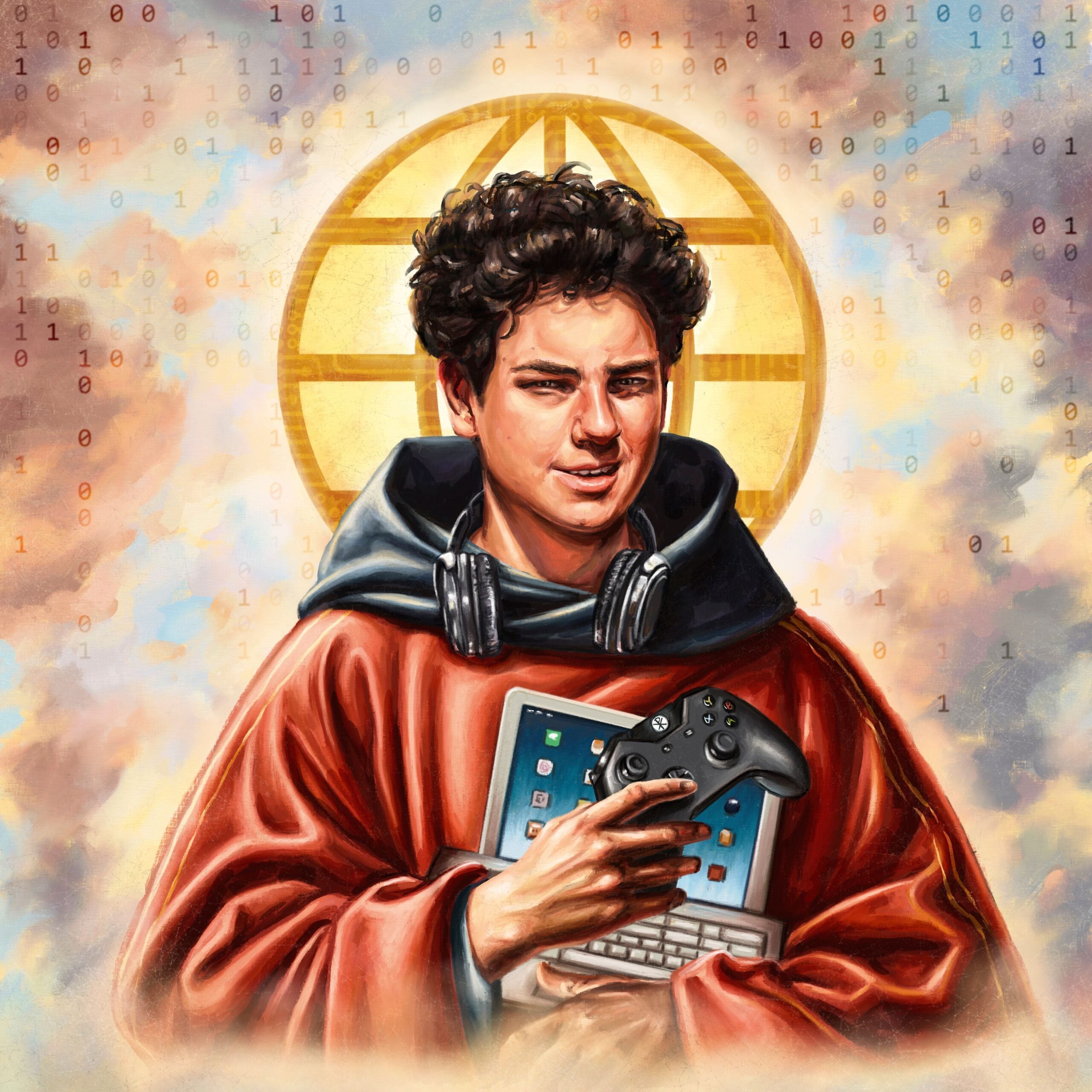
Carlo Acutis’s story is one of faith, technology, and a commitment to charity that transcends time. His canonization not only acknowledges his personal holiness but also serves as a powerful example of how the Church can evolve and adapt in the digital age. Carlo’s legacy is one that will continue to inspire future generations, particularly young people, to see the sacred in the everyday, whether through a computer screen, an act of charity, or a prayer of devotion. For Carlo, holiness was never about grand gestures—it was about living faithfully, quietly, and with love in a world that needs it more than ever.