
Table of Contents
- What is Fast Fashion?
- The Environmental Impact of Fast Fashion
- How Much Clothing Ends Up in Landfills?
- Exploitation of Low-Wage Workers
- How Can a T-Shirt Be So Cheap? The Business Model of Fast Fashion
- The Hidden Supply Chains Behind Fast Fashion
- A Response to Fast Fashion
- How to Spot Fast Fashion
- Consumerism and the Impact of Fast Fashion
- What You Can Do to Fight Fast Fashion
What is Fast Fashion?
Fast fashion refers to the rapid production and consumption of low-cost, trendy clothing. Retailers produce garments quickly, often copying designs from runway shows, and sell them at incredibly low prices to keep up with fast-moving trends. This model has made clothing more accessible to the masses, but it has also led to a cycle of overproduction and overconsumption. As trends fade, so do the garments, leading to their quick disposal and replacement with newer styles. While affordable fashion is tempting, its cost to the environment and human workers is often hidden from consumers.
The Environmental Impact of Fast Fashion
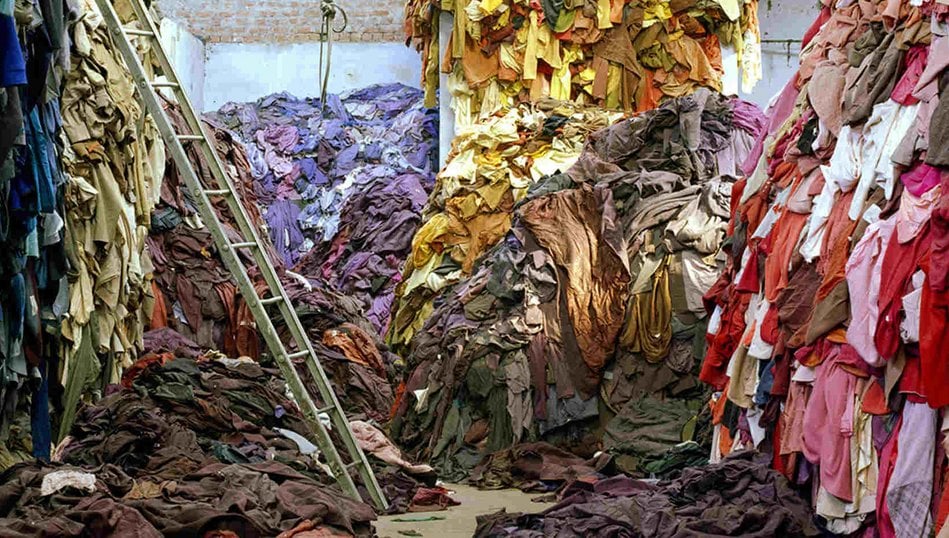
One of the most significant concerns with fast fashion is its toll on the environment. The fashion industry is the second-largest polluter in the world, second only to the oil industry. Fast fashion brands rely heavily on synthetic materials such as polyester, which is made from fossil fuels. These materials are not biodegradable and contribute to the growing problem of microplastic pollution in our oceans. Furthermore, the dyeing process used for textiles is one of the largest sources of water pollution, with toxic chemicals often dumped into rivers and streams.
Additionally, the industry’s carbon footprint is staggering, with estimates suggesting that it contributes up to 10% of global CO2 emissions. The overuse of water in textile manufacturing compounds the issue, with millions of liters required to produce just one pair of jeans. This unsustainable model places immense strain on the planet’s resources, creating a cycle of waste and environmental degradation.
How Much Clothing Ends Up in Landfills?
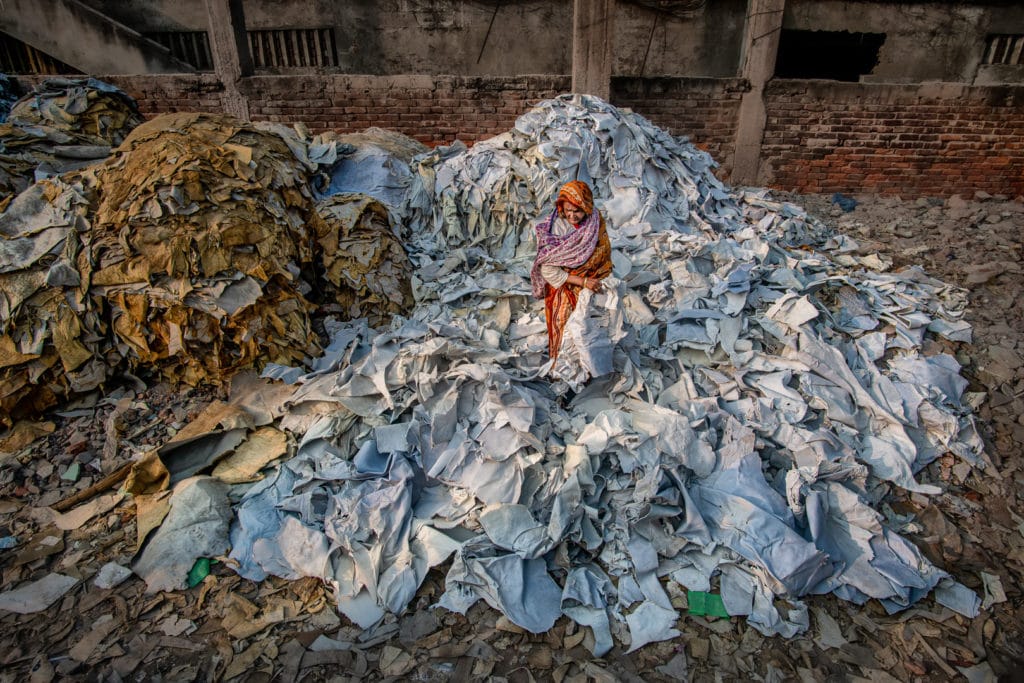
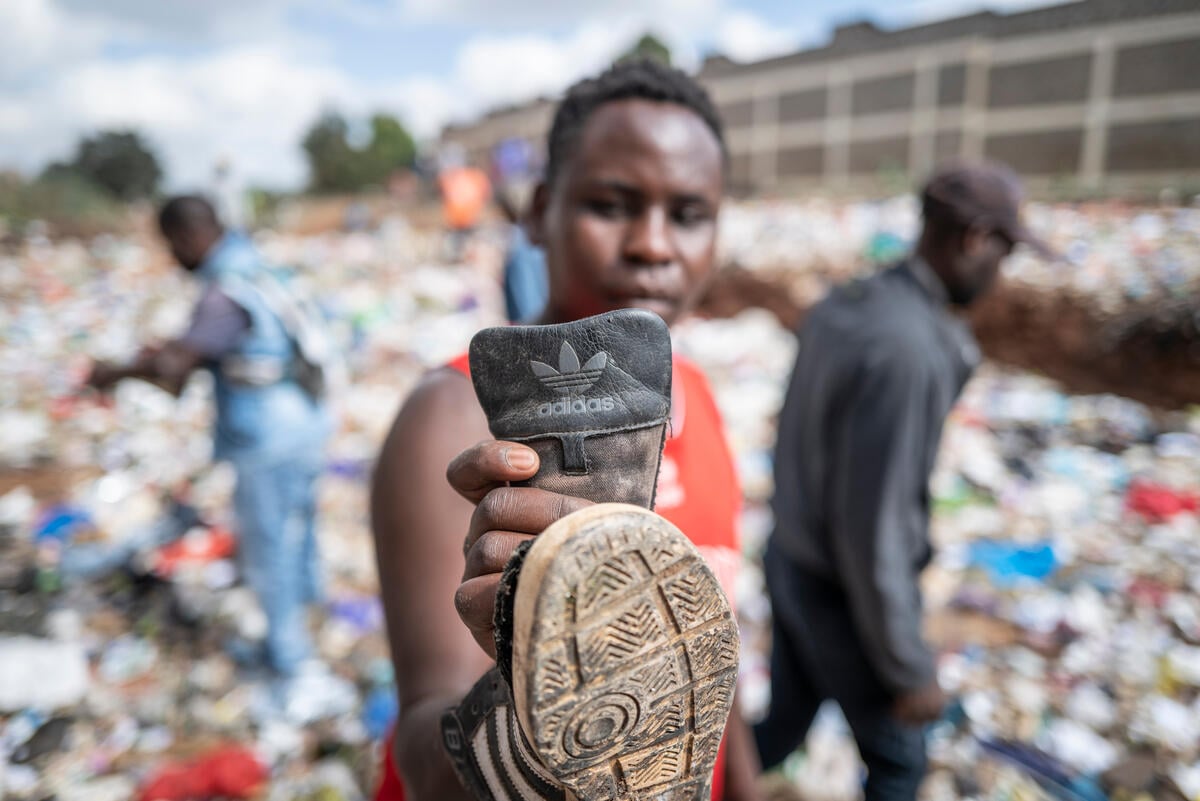
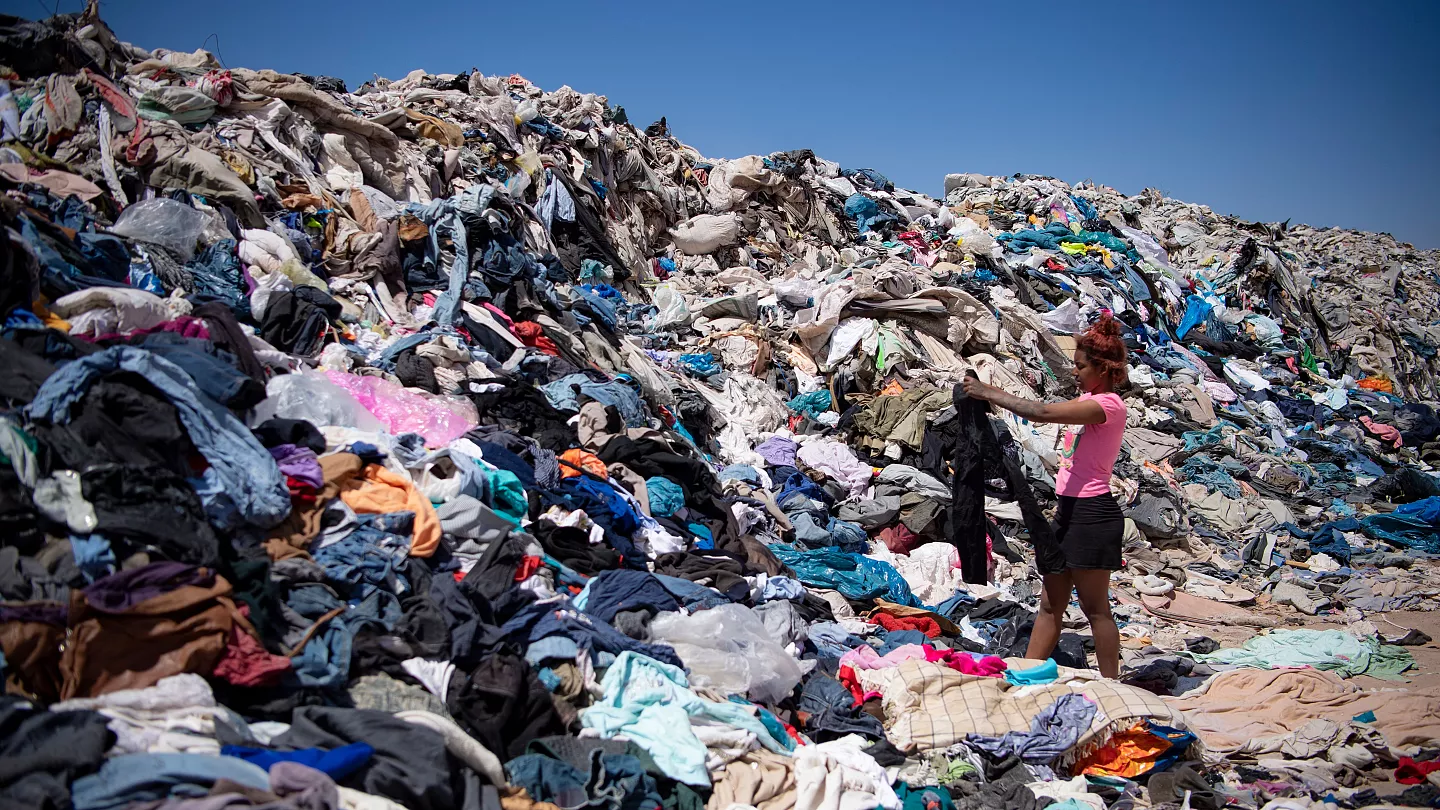
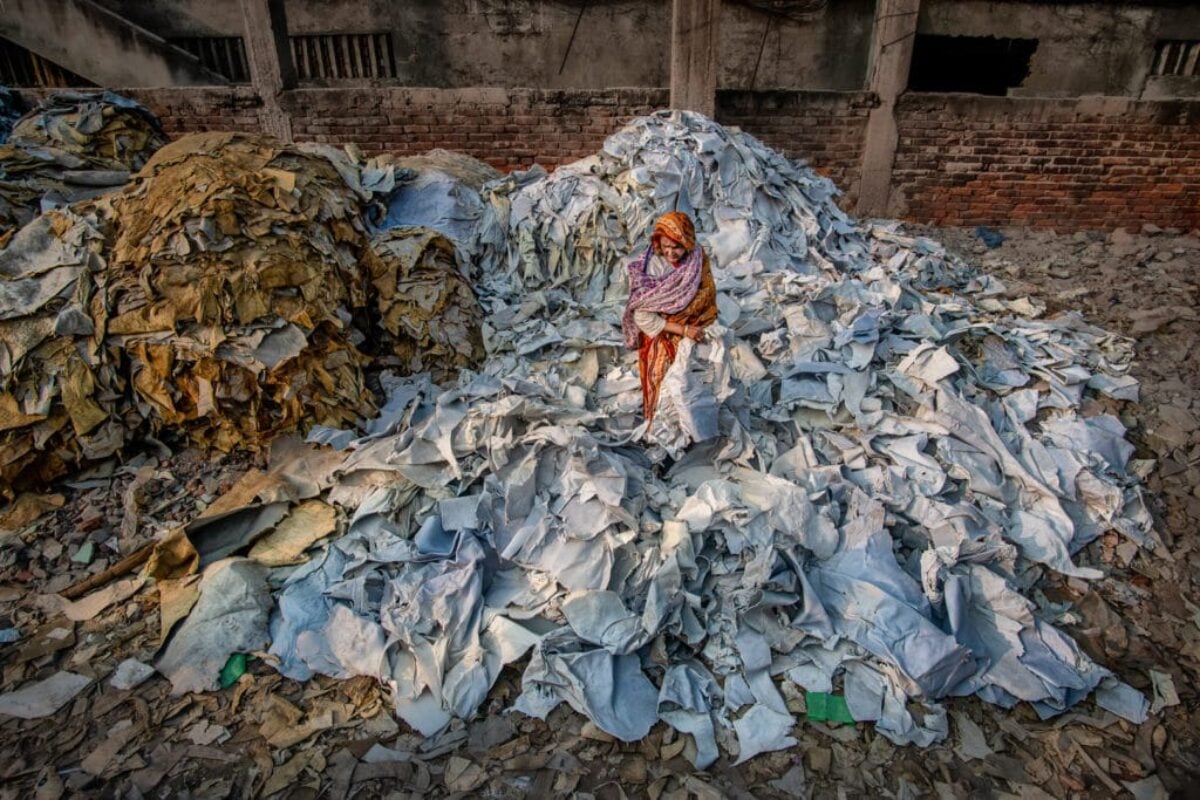
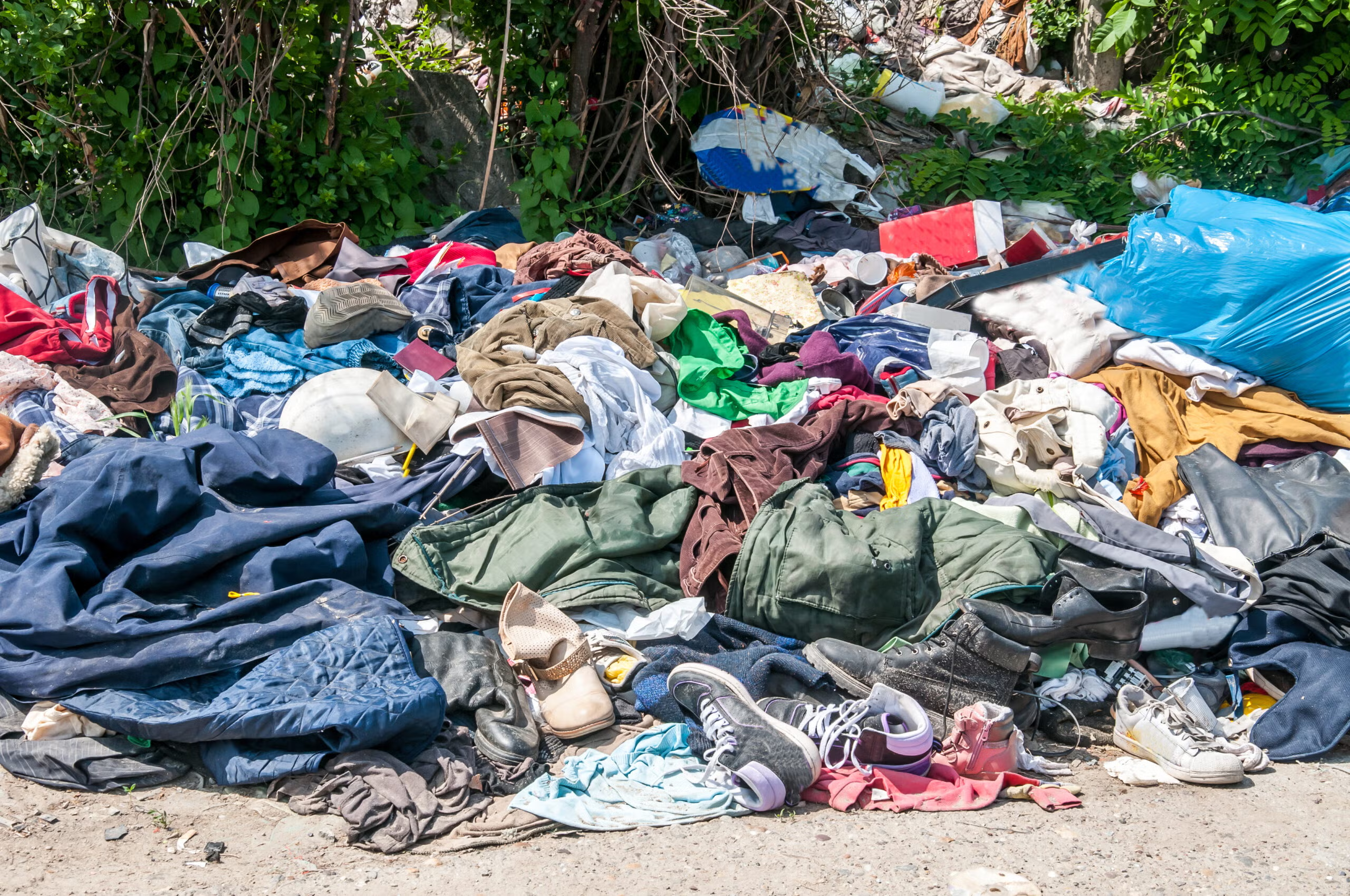
Fast fashion’s contribution to global waste is another pressing issue. Every year, millions of tonnes of clothing are discarded, much of it ending up in landfills. In New Zealand alone, around 180,000 tonnes of textile waste are thrown away each year, equivalent to 6,429 shipping containers of discarded garments. On a global scale, a shocking 92 million tonnes of textile waste are produced annually, with much of it being sent to landfills or incinerated. The sheer volume of waste generated by fast fashion highlights the unsustainable nature of the industry and its failure to consider the lifecycle of its products.
Much of this waste is composed of low-quality garments made from synthetic fibers, which do not decompose and remain in the environment for centuries. While some clothing is donated, the overproduction of fast fashion ensures that even secondhand garments often end up in landfills when there is simply no demand for them.
Exploitation of Low-Wage Workers
Behind the cheap prices of fast fashion lies a workforce that is often exploited, overworked, and underpaid. Garment workers in developing countries, particularly in Southeast Asia and South Asia, are paid as little as a few dollars per day to produce clothing for global brands. These workers are often subjected to poor working conditions, long hours, and little to no labor rights protections. Women, who make up the majority of garment workers, are especially vulnerable to abuse, discrimination, and exploitation.
Moreover, many workers face hazardous conditions in factories, including exposure to toxic chemicals, poor ventilation, and unsafe machinery. The fast-paced, high-pressure environment in these factories often leads to physical and mental health issues for the workers, while companies in wealthier countries profit from the cheap labor. This system perpetuates a cycle of poverty and inequality, where workers are denied the basic dignity and rights they deserve.
How Can a T-Shirt Be So Cheap? The Business Model of Fast Fashion
The key to the success of fast fashion lies in its business model, which relies on reducing costs at every stage of production. By using cheap, synthetic materials and outsourcing labor to countries with low wages, fast fashion brands can produce clothing at a fraction of the cost of higher-quality garments. This allows them to sell clothes at incredibly low prices, often lower than the cost of manufacturing itself.
Fast fashion brands also rely on economies of scale, producing massive quantities of clothing to create efficiencies in manufacturing. This allows them to maintain their profit margins even when individual garments are sold at a loss. The result is a system of overproduction, where clothing is made quickly and cheaply, worn a few times, and then discarded. This cycle encourages consumers to buy more and more, fueling the demand for ever-newer, cheaper clothing.
The Hidden Supply Chains Behind Fast Fashion
While consumers may think they’re buying from a well-known brand, the reality is that many of these brands outsource production to factories located in countries with lax labor laws and weak environmental protections. This outsourcing allows fast fashion companies to avoid accountability for the conditions in which their clothing is made.
Reports from organizations like Tearfund’s Ethical Fashion Report have found that as much as 40% of clothing imported into countries like New Zealand could be produced using forced or child labor. Brands that rely on outsourcing often fail to monitor their supply chains effectively, choosing to ignore the human and environmental costs associated with their production processes. This lack of transparency means that consumers have no way of knowing where or how their clothes were made, leaving the workers who produce them vulnerable to exploitation.
A Response to Fast Fashion
In response to the harmful effects of fast fashion, the slow fashion movement advocates for a more sustainable and ethical approach to clothing production. Slow fashion emphasizes quality over quantity, focusing on garments that are made to last and designed with sustainability in mind. This movement encourages consumers to invest in timeless pieces, support local artisans, and reduce their overall consumption.
Slow fashion also calls for greater transparency in the supply chain, with brands being held accountable for the conditions in which their garments are produced. By prioritizing environmental and social responsibility, slow fashion aims to create a more equitable and sustainable industry, where both workers and the planet are treated with respect.
How to Spot Fast Fashion
If you want to avoid contributing to the fast fashion crisis, it’s important to know how to spot fast fashion brands. One of the easiest ways is by looking at the materials used in the clothing. Synthetic fibers such as polyester, nylon, and spandex are commonly used in fast fashion due to their low cost, but these materials are not biodegradable and contribute to microplastic pollution.
Another way to identify fast fashion is by checking the price point. If the clothing is unusually cheap, it’s likely produced using cheap materials and labor. Fast fashion brands often prioritize low prices and high turnover, so if a store is constantly updating its stock with new items at bargain prices, it’s a good indication that it’s part of the fast fashion industry.
Consumerism and the Impact of Fast Fashion
Fast fashion thrives on consumerism—the idea that we need to constantly buy more, dispose of the old, and stay on top of the latest trends. This mindset encourages a throwaway culture, where clothing is no longer valued for its quality or craftsmanship but for its ability to serve as a temporary trend. Fast fashion companies fuel this cycle by continually releasing new collections, creating a sense of urgency and competition among consumers.
The constant demand for new clothing feeds into a system of overproduction, where environmental and social costs are ignored in favor of profit. To break this cycle, we need to rethink our relationship with clothing, focusing on quality, longevity, and sustainability instead of fleeting trends.
What You Can Do to Fight Fast Fashion
There are several ways consumers can reduce their impact on the fast fashion industry and embrace more sustainable practices. One of the most effective ways is to buy less and buy better. By choosing higher-quality items that will last longer, you can reduce your overall consumption and lessen the demand for cheap, disposable clothing.
Supporting local and ethical brands that prioritize sustainable production practices is another key step in combating fast fashion. Additionally, buying second-hand clothing, repairing garments, and learning to upcycle can help extend the life of your wardrobe while reducing waste.
It’s also important to advocate for stronger regulations in the fashion industry, pushing for transparency and accountability from fast fashion companies. By supporting movements like slow fashion and demanding change, we can work together to create a more sustainable and ethical clothing industry.