
Table of Contents
- What is Hantavirus? Understanding the Virus
- Timeline of the MV Hondius Outbreak
- WHO’s Official Statement on the Hantavirus Outbreak
- Early Detection is Key
- The Impact of the Outbreak on Passengers and Their Families
- Quarantine and Medical Response
- Can Hantavirus Become the Next Global Pandemic?
- Lessons from the COVID-19 Pandemic
- Preparing for Future Threats
- Moving Forward with Caution and Clarity
What is Hantavirus? Understanding the Virus
Hantavirus is a deadly disease transmitted primarily through the urine, saliva, and droppings of infected rodents. While human-to-human transmission is rare, it has occurred in some cases, contributing to fears surrounding its potential to spread more widely. The virus can cause two distinct syndromes: Hantavirus Pulmonary Syndrome (HPS) and Hemorrhagic Fever with Renal Syndrome (HFRS). These conditions can lead to severe complications, including acute kidney failure and respiratory distress, which in some cases may result in death.
Though cases of Hantavirus are rare, the recent outbreak aboard the MV Hondius cruise ship has brought the disease to global attention. The passengers who have fallen ill with the virus were quickly isolated, and health authorities are actively monitoring the situation to contain any further spread.
Timeline of the MV Hondius Outbreak
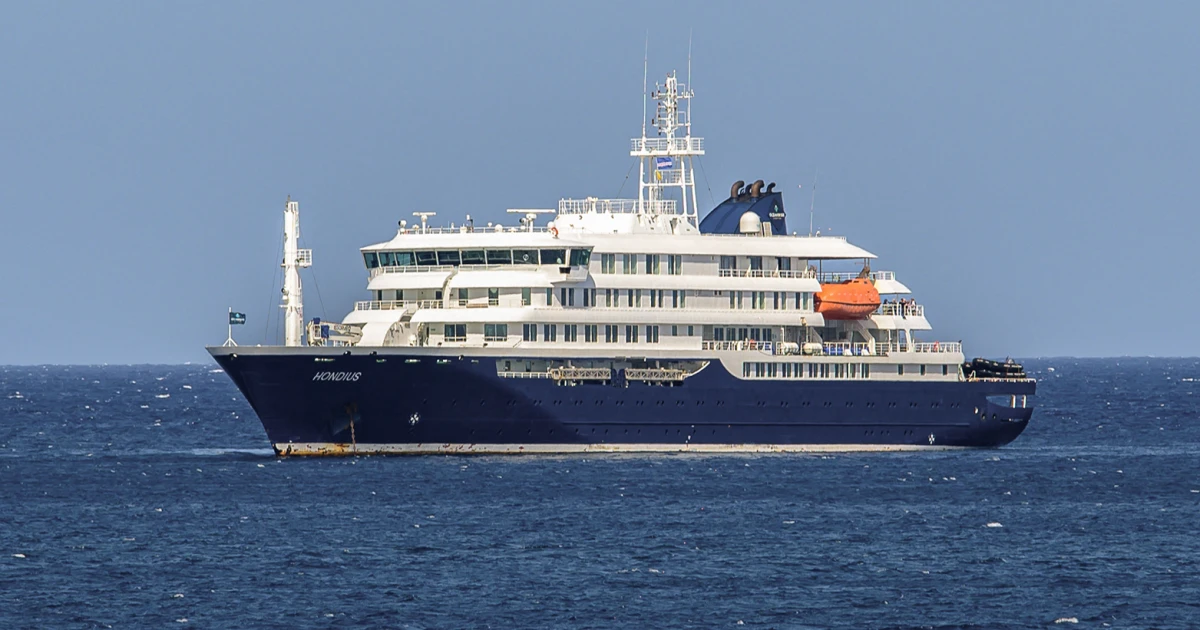
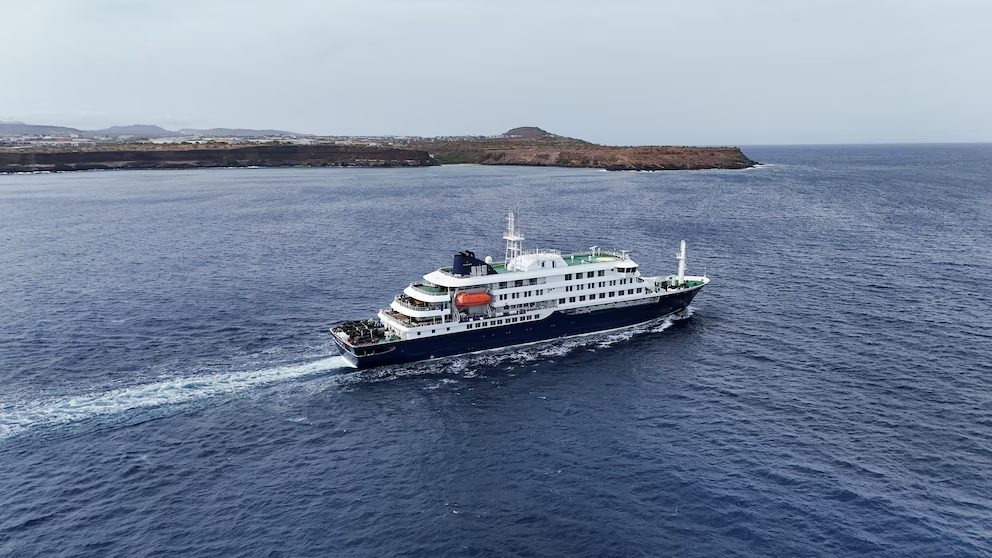
The outbreak began after the MV Hondius cruise ship, which departed from Ushuaia, Argentina on April 1, 2026, and sailed toward Cape Verde, began to experience a cluster of illnesses among its passengers. By May 3, 2026, three passengers had died from suspected Hantavirus infections. This sent alarm bells ringing throughout the health community, prompting immediate investigations into the cause of the outbreak.
The ship was then anchored in Cape Verde, where health officials began the process of isolating the affected individuals and ensuring that proper quarantine measures were in place. As the ship continued its journey toward the Canary Islands, questions surrounding the spread of the virus and its potential to become a global health threat intensified.
WHO’s Official Statement on the Hantavirus Outbreak
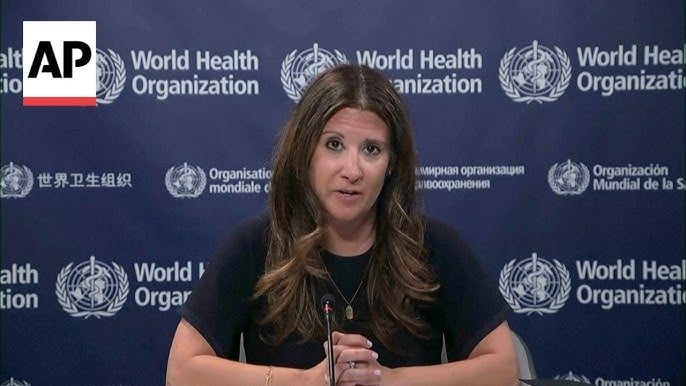
During a recent press briefing, Maria Van Kerkhove, an epidemiologist with the WHO, addressed concerns regarding the outbreak. “This is not the next COVID, but it is a serious infectious disease,” she said, offering reassurance that while the disease is deadly, it is not as easily transmissible as the coronavirus. Van Kerkhove highlighted that Hantavirus infections are uncommon, and for most people, the risk of exposure remains low.
She continued by stressing the importance of accurate information during outbreaks, urging people not to panic. “Most people will never be exposed to this,” she explained, adding that it is crucial to understand one’s actual risk of infection. While the virus poses a danger to those who contract it, the public should not assume it will lead to another global pandemic.
Early Detection is Key
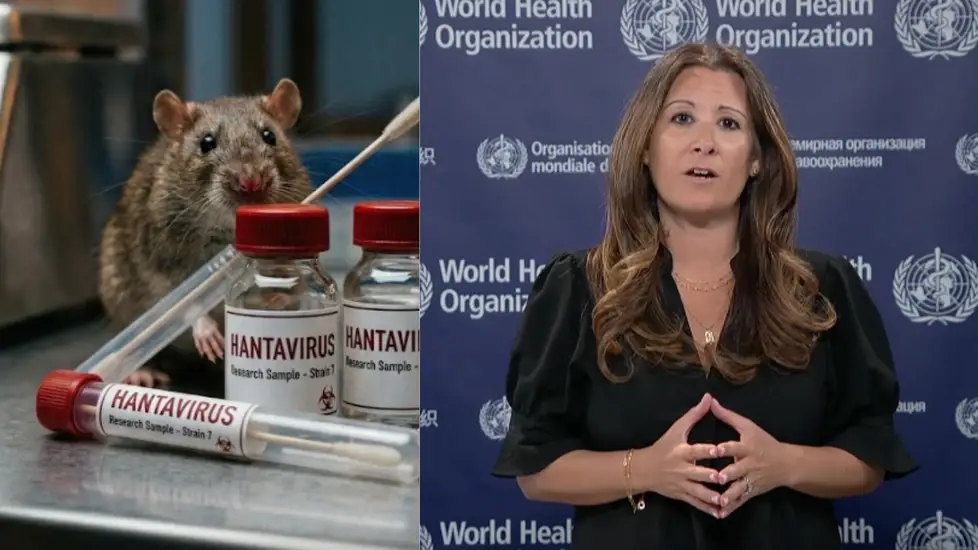
Hantavirus can cause two different diseases, each with its own set of symptoms. Hantavirus Pulmonary Syndrome (HPS) typically affects the lungs and begins with early symptoms such as fatigue, fever, muscle aches, and nausea. As the disease progresses, patients may experience coughing, shortness of breath, and tightness in the chest. If left untreated, it can lead to respiratory failure, which can be fatal.
The second form, Hemorrhagic Fever with Renal Syndrome (HFRS), affects the kidneys and can cause symptoms such as intense headaches, back pain, abdominal pain, and fever. In more severe cases, HFRS can result in internal bleeding, low blood pressure, and acute kidney failure. The incubation period for both forms of the virus can vary, with symptoms emerging anywhere from one to eight weeks after exposure.
The Impact of the Outbreak on Passengers and Their Families
As the outbreak on the MV Hondius continues to unfold, passengers and their families are understandably concerned. One of the passengers, retired British police officer Martin Anstee, was among the infected. In a recent interview from his hospital bed, Anstee revealed that his symptoms were initially mild but later worsened. “I’m doing OK. I’m not feeling too bad,” he said, “but there are still lots of tests to be done.”
His wife, Nicola, expressed the trauma of watching her husband go through the illness, stating, “It’s been a very traumatic few days. The fear with this virus is that it can deteriorate very quickly, but thankfully he is stable now.” While Anstee’s condition has improved, the fear surrounding the virus remains, as passengers continue to be isolated on board the ship.
Quarantine and Medical Response
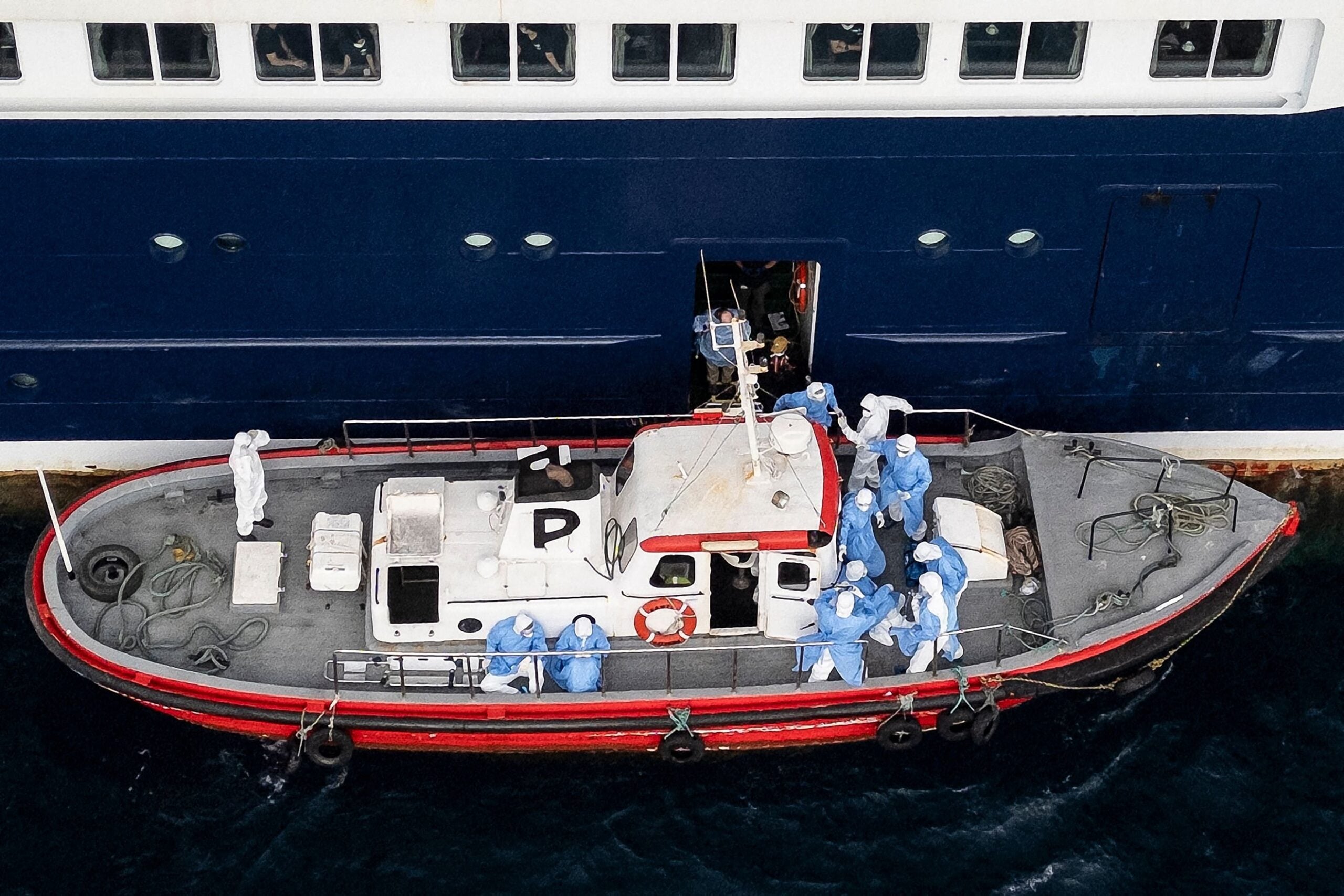
In response to the outbreak, health officials have enacted strict quarantine measures aboard the ship. Infected passengers have been isolated in medical facilities in Cape Verde, and the remaining passengers are being closely monitored. The World Health Organization, along with national health agencies, is working to ensure that proper medical care and precautionary measures are in place to prevent further spread.
The ship’s journey to the Canary Islands is being carefully coordinated to ensure that all passengers are properly screened and that any infected individuals are treated promptly. The outbreak aboard the MV Hondius highlights the importance of swift and coordinated responses during infectious disease outbreaks, especially when dealing with potentially fatal diseases like Hantavirus.
Can Hantavirus Become the Next Global Pandemic?
While the outbreak aboard the MV Hondius has certainly raised alarm, the WHO has downplayed the likelihood that Hantavirus will evolve into a pandemic on the scale of COVID-19. Unlike the novel coronavirus, which spread rapidly due to human-to-human transmission, Hantavirus is primarily transmitted through rodents, with only a few documented cases of person-to-person transmission. As Van Kerkhove noted, most people are unlikely to be exposed to the virus, making widespread transmission unlikely.
However, the WHO urges vigilance, especially in areas where outbreaks may occur. The virus’s potential to cause serious illness remains a concern, but the risk of global spread remains low at this time. Public health officials continue to monitor the situation closely, and further outbreaks in confined spaces like cruise ships or large gatherings could pose risks if proper containment measures are not followed.
Lessons from the COVID-19 Pandemic
The recent Hantavirus outbreak serves as a reminder of the ongoing threat posed by infectious diseases. The global health community learned many lessons from the COVID-19 pandemic, particularly in terms of early detection, rapid response, and international cooperation. While Hantavirus is not expected to cause a pandemic of the same scale, the lessons learned from COVID-19 have helped prepare health organizations for future outbreaks.
Health experts emphasize the importance of preparedness and surveillance systems, which can help identify and contain outbreaks before they spread. Effective communication and transparency, as demonstrated by the WHO’s prompt response, are also key to managing public fears and ensuring that accurate information is shared with the public.
Preparing for Future Threats
As the world continues to recover from the COVID-19 pandemic, the need for robust public health infrastructure has never been more evident. The outbreak of Hantavirus on the MV Hondius underscores the importance of proactive measures to safeguard public health, particularly in sectors such as travel and tourism, where outbreaks are more likely to spread.
Governments and health agencies must remain vigilant and invest in systems that can quickly detect and respond to emerging infectious diseases. By strengthening international collaboration and maintaining strict health protocols, we can better mitigate the risks of future outbreaks and ensure that the world is prepared for whatever health challenges lie ahead.
Moving Forward with Caution and Clarity
The Hantavirus outbreak aboard the MV Hondius is a stark reminder of the unpredictability of infectious diseases. While the WHO has assured the public that Hantavirus does not pose the same global threat as COVID-19, the virus’s potential to cause serious illness remains a concern. Continued vigilance, accurate information, and prompt medical responses will be crucial in managing this outbreak and preventing future pandemics.
As we move forward, it’s important to remember the lessons learned from COVID-19 and continue to prioritize public health and safety. With the right measures in place, the global community can minimize the impact of future outbreaks and ensure that we are better prepared for whatever health challenges arise.