

Table of Contents
- A Detailed Account
- The Ecological and Legal Implications of Ant Trafficking
- The Growing Demand for Ants in China
- The Legal Case Against Zhang Kequn
- Ant Trafficking in Kenya
- The Role of the Kenyan Government in Combatting Wildlife Trafficking
- What the Case Means for Wildlife Trafficking in the Future
- The Role of Consumer Demand in Ant Trafficking
- The Ecological Impact of Ant Trafficking
- Addressing Ant Trafficking and Wildlife Protection
A Detailed Account
Zhang Kequn was arrested at Nairobi’s Jomo Kenyatta International Airport after authorities found more than 2,200 live garden ants in his luggage. The ants were concealed in plastic containers, a common method for smuggling live wildlife, which are often shipped illegally to meet the growing demand for exotic pets. Zhang, who initially pleaded not guilty to the charges, later admitted to attempting to smuggle the ants, which were intended for sale in China, where ant colonies are highly prized by collectors and enthusiasts.
The discovery was made on March 15, 2026, when airport officials noticed suspicious activity from Zhang. Upon further inspection, they found the ants stored in makeshift containers. Zhang’s attempt to transport the ants undetected was foiled, and he was arrested shortly after. This arrest was a part of broader efforts by Kenyan authorities to clamp down on wildlife trafficking and enforce stricter regulations regarding the transportation of live animals.
The Ecological and Legal Implications of Ant Trafficking
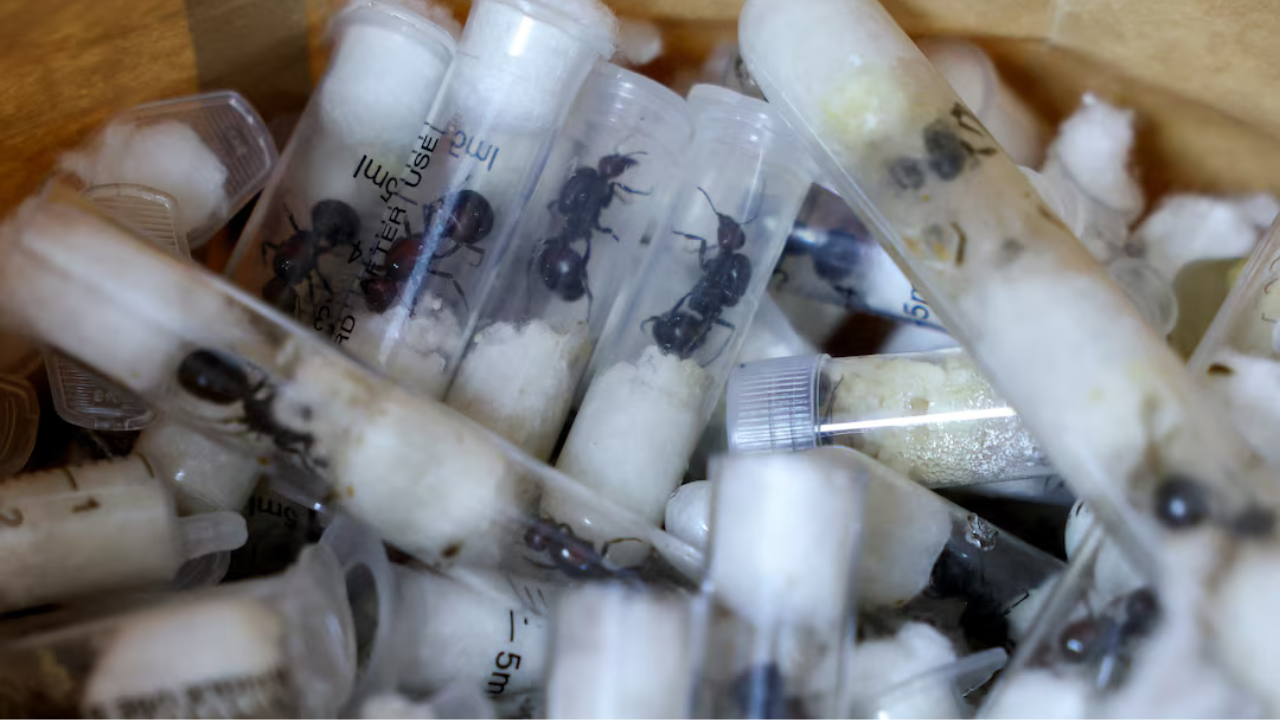
The illegal trade in ants may seem trivial compared to more widely known wildlife trafficking crimes, such as ivory poaching or illegal wildlife hunting. However, the smuggling of ants presents unique ecological challenges. Garden ants, along with other species, play a crucial role in local ecosystems, including soil aeration and the dispersal of seeds. The removal of these species from their natural habitat disrupts local biodiversity, posing potential risks to the environment.
Furthermore, the smuggling of live wildlife, including ants, violates international wildlife protection laws and regulations. Kenya, as a member of the Convention on International Trade in Endangered Species (CITES), is bound by these regulations, which are designed to prevent the illegal trafficking of species that are threatened or endangered. While garden ants are not necessarily endangered, the practice of smuggling them contributes to the larger issue of unregulated wildlife trade.
The Growing Demand for Ants in China
The case of Zhang Kequn is part of a broader trend where enthusiasts, particularly in China, are willing to pay large sums of money for live ants, especially those from rare or unique species. These ants are often kept in transparent containers called “formicariums,” where collectors study their complex social structures and behaviors. The fascination with ants in formicariums has become a popular hobby in China, leading to a rise in demand for live ants.
This demand has fueled a new wave of smuggling, as traffickers seek to meet the needs of the growing market. In many cases, ants are captured in one country, transported illegally to another, and sold for exorbitant prices to collectors. The increase in ant smuggling poses a significant challenge for wildlife authorities, who are struggling to address the growing issue of biopiracy and unregulated wildlife trafficking.
The Legal Case Against Zhang Kequn

Zhang’s trial took place in Nairobi’s Jomo Kenyatta International Law Courts, where he was charged with dealing in live wildlife species. The magistrate overseeing the case, Irene Gichobi, emphasized the importance of deterrent sentences, noting that ant trafficking is becoming an increasingly common crime in Kenya. “Noting the increasing and rising cases of dealing in large quantities of garden ants and the negative ecological side effects of massive harvesting, there is a need for a stiff deterrent,” Gichobi said.
Zhang, who initially pleaded not guilty to the charges, later changed his plea to guilty. His defense lawyer has stated that Zhang intends to appeal the sentence. The legal ramifications of the case highlight Kenya’s commitment to enforcing wildlife protection laws and sending a strong message about the consequences of trafficking even seemingly insignificant species.
Ant Trafficking in Kenya
The case of Zhang Kequn is not isolated. In fact, it is part of a broader trend of ant trafficking in Kenya, a country that has become a significant source of illegal wildlife exports. Over the past few years, authorities have noticed a rise in cases where garden ants and other small species are being trafficked out of the country. In 2025, four men were fined 1 million shillings each for attempting to smuggle thousands of ants, signaling a shift in the types of wildlife being targeted by traffickers.
Experts have warned that the trafficking of smaller species, including ants, could have long-term environmental consequences. While large animals like elephants and rhinoceroses often dominate headlines in wildlife trafficking cases, the exploitation of smaller creatures can also lead to imbalances in ecosystems. The authorities’ crackdown on ant trafficking is part of a larger effort to curb all forms of illegal wildlife trade.
The Role of the Kenyan Government in Combatting Wildlife Trafficking

The Kenyan government has been actively involved in combatting wildlife trafficking, with authorities working to strengthen regulations and enforce harsher penalties for those caught engaging in illegal wildlife trade. The government has partnered with international organizations, such as CITES, to address the growing issue of illegal wildlife trafficking and ensure that traffickers are held accountable.
In the case of Zhang Kequn, the government’s swift response and the court’s decision to impose a fine and jail term reflect Kenya’s commitment to tackling wildlife trafficking. Officials have emphasized the need for stricter monitoring at airports and ports to prevent the smuggling of animals and insects. As a member of CITES, Kenya is responsible for ensuring that its wildlife is not exploited for illegal trade.
What the Case Means for Wildlife Trafficking in the Future
The sentencing of Zhang Kequn and the increasing number of ant trafficking cases in Kenya highlight the need for more comprehensive measures to prevent the illegal wildlife trade. As traffickers turn to less conventional species like ants, it becomes clear that the scope of wildlife trafficking is expanding. In the future, authorities may need to implement more sophisticated surveillance techniques and improve international cooperation to combat this growing threat.
Public awareness campaigns are also crucial in educating people about the importance of preserving biodiversity and the negative impact of wildlife trafficking. Consumers who purchase rare or exotic animals must be made aware of the environmental harm caused by the illegal wildlife trade.
The Role of Consumer Demand in Ant Trafficking
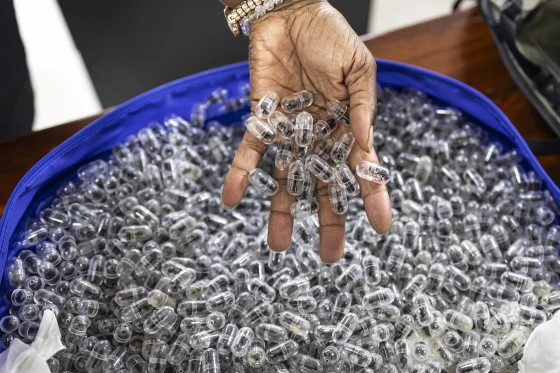
The demand for live ants, particularly in countries like China, plays a significant role in driving the illegal trade. As long as there is a market for these creatures, traffickers will continue to exploit vulnerable species and smuggle them across borders. In the case of Zhang Kequn, the demand for garden ants in China led to his decision to smuggle the insects out of Kenya.
To combat this, it is essential for consumers to recognize their role in the problem. By choosing not to support the illegal wildlife trade and opting for more sustainable alternatives, consumers can help reduce demand for smuggled species. Efforts to raise awareness about the impact of purchasing exotic animals or insects can play a crucial role in curbing wildlife trafficking.
The Ecological Impact of Ant Trafficking
While the trafficking of garden ants may seem like a small issue, it has significant ecological ramifications. Ants play a critical role in ecosystems by aerating the soil, helping to decompose organic matter, and maintaining the balance of local biodiversity. Removing ants from their natural habitats disrupts these delicate systems and can have cascading effects on the environment.
Furthermore, the smuggling of ants often involves capturing them in unsustainable ways, leading to a depletion of local ant populations. This can have long-term consequences for the species and their habitats, which rely on healthy, balanced ecosystems. The ecological impact of ant trafficking underscores the need for stronger protections and regulations to prevent the exploitation of these important creatures.
Addressing Ant Trafficking and Wildlife Protection

The case of Zhang Kequn serves as a stark reminder of the growing issue of wildlife trafficking, even in less conventional species like ants. While garden ants may seem insignificant compared to larger animals, their trafficking still poses serious risks to the environment and local ecosystems. As consumer demand for exotic pets continues to rise, the need for stricter enforcement of wildlife protection laws becomes increasingly urgent.
Kenya’s efforts to combat wildlife trafficking, including the sentencing of Zhang, are a step in the right direction, but more needs to be done to address the underlying issues. Stronger international cooperation, better consumer education, and stricter regulations are essential to curbing the illegal wildlife trade and protecting the planet’s biodiversity for future generations.