
Table of Contents
- The Satirical Article That Went Viral
- Why Bernie Sanders Became A Target For The Joke
- How Satire Became Harder To Recognize Online
- Why Political Hypocrisy Stories Spread So Fast
- The Long Running Debate Over Wealth And Socialism
- Social Media Turned Satire Into Political Ammunition
- Why Many People Mistook The Story For Real News
- Political Branding In The Internet Era
- Why Satire Still Matters In Political Culture
- What The Viral Story Reveals About Modern Politics
The Satirical Article That Went Viral
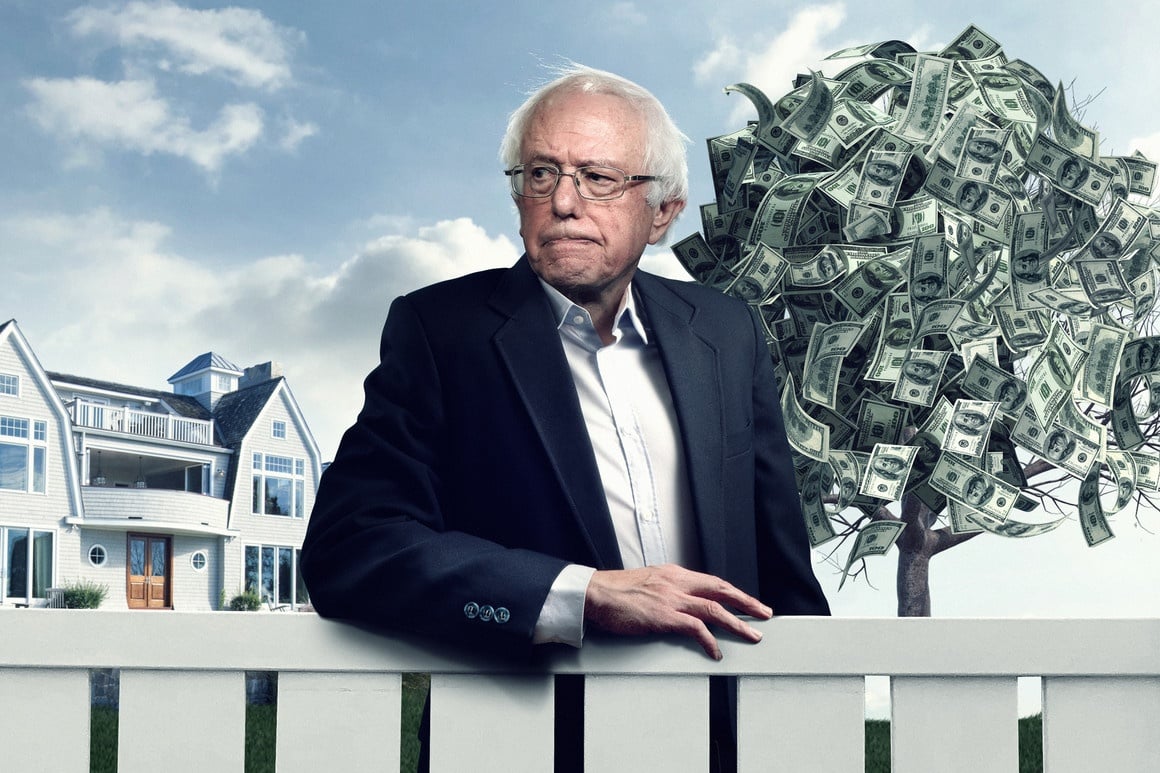
The article presented Bernie Sanders as a self sacrificing hero willing to purchase another expensive property “for the greater good.” It exaggerated his public image and political rhetoric to comedic extremes.
In the fictional story, Sanders supposedly claimed he would continue buying luxury homes in order to stop wealthy oligarchs from controlling all available real estate. The article also mocked political fundraising culture by joking that Sanders later asked supporters to donate money so he could furnish the new property before billionaires bought all the furniture.
For readers familiar with Babylon Bee, the humor style was immediately recognizable. The site frequently publishes exaggerated political satire designed to parody public figures and ideological contradictions.
However, as screenshots spread across social media detached from their original context, many users encountered the story without realizing it was satire. Some believed it was genuine news. Others used it as ammunition in political arguments regardless of its fictional nature.
This reaction demonstrated how easily satirical content can become part of real political discourse once it enters algorithm driven online environments.
Why Bernie Sanders Became A Target For The Joke
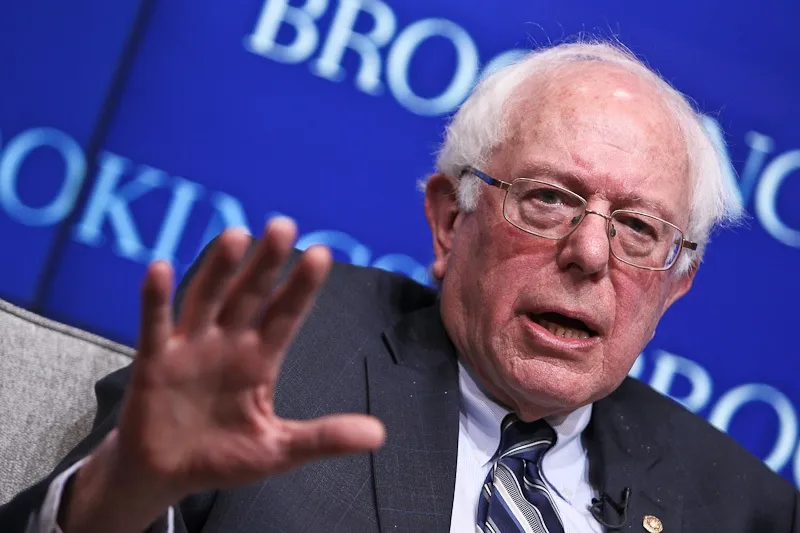
The satire resonated because Bernie Sanders has spent decades positioning himself as one of America’s most vocal critics of wealth inequality, billionaires, and corporate power.
Throughout his political career, Sanders has argued that excessive wealth concentration damages democracy and leaves ordinary workers behind. His campaigns focused heavily on issues like healthcare, student debt, taxation of the wealthy, housing affordability, and workers’ rights.
At the same time, Sanders himself became financially successful through book sales, speaking engagements, and years in public office. Reports about his multiple homes became recurring talking points among critics who accused him of hypocrisy.
Supporters argue there is an important distinction between being wealthy and supporting policies aimed at reducing inequality. Critics argue that politicians attacking the rich while personally living comfortably creates obvious contradictions.
The Babylon Bee article exaggerated this tension for comedic effect, turning Sanders into a caricature of a politician supposedly fighting wealth accumulation by accumulating more wealth himself.
The humor worked because it amplified a debate people were already having.
How Satire Became Harder To Recognize Online
One reason the article spread so widely is because satire increasingly blends into ordinary political content online.
In earlier decades, satirical publications existed more clearly within entertainment spaces. Today, social media feeds combine journalism, memes, opinion, parody, propaganda, and misinformation into one endless stream.
Users scroll rapidly through headlines without always checking sources. Emotional reactions often happen before context is understood. A satirical headline can easily be mistaken for genuine reporting if it matches existing political assumptions.
This creates strange situations where satire sometimes spreads more effectively among people who believe it is real.
Political polarization intensifies this effect. If a satirical story confirms someone’s view of a politician, they may share it immediately without verifying its authenticity. Meanwhile, opponents may react with outrage even after learning it was intended as comedy.
The result is an internet culture where satire often functions simultaneously as humor, political criticism, and accidental misinformation.
Why Political Hypocrisy Stories Spread So Fast
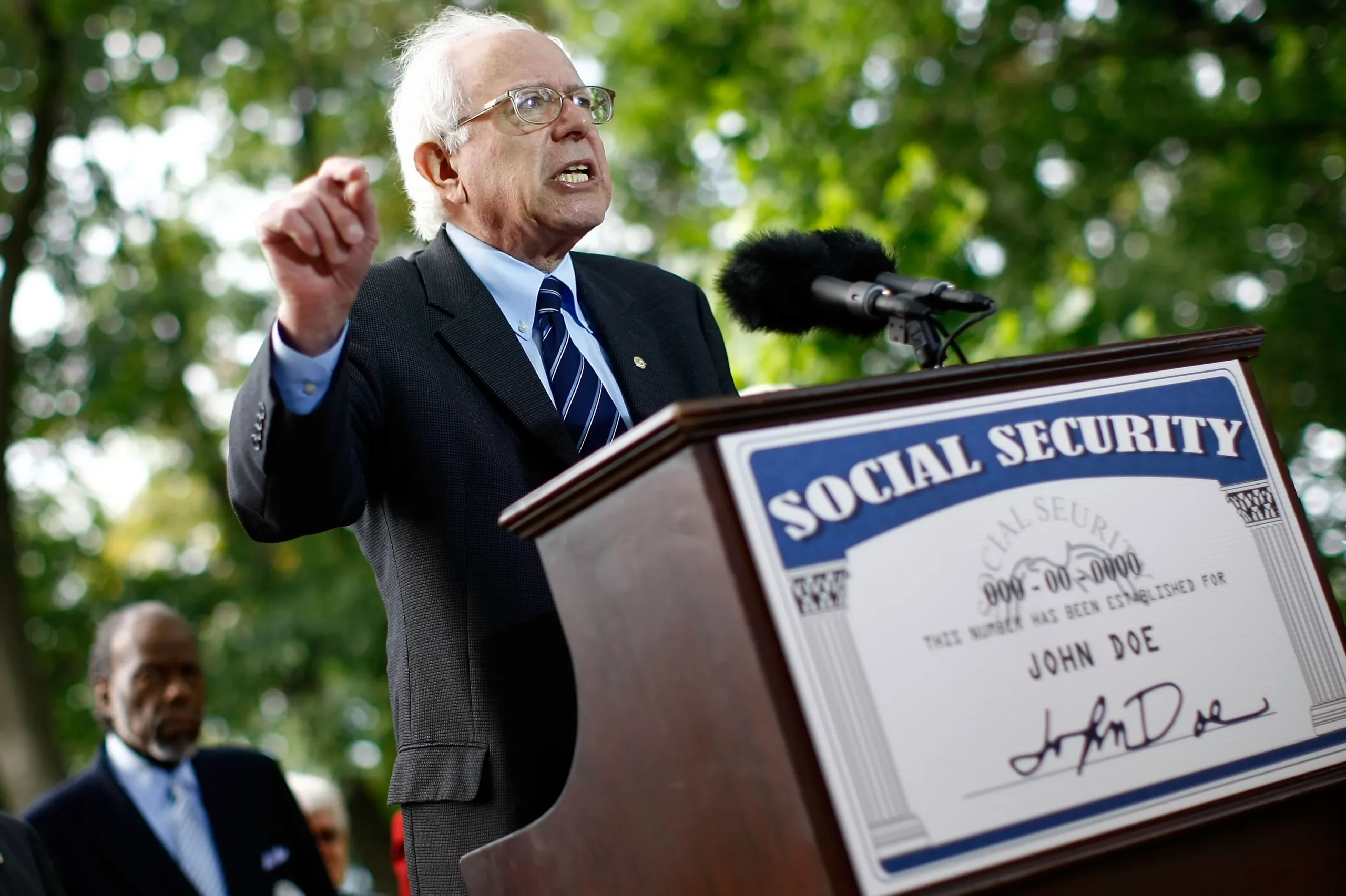
Stories involving hypocrisy consistently perform well online because they trigger strong emotional reactions across ideological groups.
People dislike perceived contradictions, especially from public figures. When politicians appear to violate their own principles, audiences feel emotionally validated exposing the inconsistency.
For critics of Bernie Sanders, the idea of a socialist leaning politician owning multiple homes feels symbolically powerful. Whether fair or not, it creates a narrative that is easy to understand and emotionally satisfying for opponents.
Supporters respond differently. Many argue Sanders’ wealth is relatively modest compared to billionaires he criticizes and that advocating for fairer economic systems does not require living in poverty personally.
But online platforms rarely reward nuanced discussions. Simpler emotionally charged narratives spread faster.
The Babylon Bee article succeeded because it compressed a complicated ideological debate into one highly shareable joke.
The Long Running Debate Over Wealth And Socialism
The viral reaction also reflects broader confusion about what political figures like Sanders actually argue regarding wealth.
Critics often portray Sanders as anti wealth entirely. In reality, his political arguments generally focus more on wealth concentration, taxation policy, corporate influence, healthcare access, and economic inequality rather than banning personal success itself.
Still, optics matter heavily in politics.
When politicians criticize luxury lifestyles while appearing wealthy themselves, opponents often frame it as hypocrisy regardless of policy details. This dynamic is not unique to Sanders. Politicians across the spectrum face scrutiny whenever personal lifestyles seem inconsistent with public messaging.
The debate touches deeper philosophical questions as well. How much wealth is acceptable before criticism of inequality loses credibility? Can wealthy individuals sincerely advocate for redistribution policies? Does personal success invalidate criticism of broader economic systems?
These questions have no universally accepted answers, which is why the topic remains politically explosive.
Social Media Turned Satire Into Political Ammunition
Once the article began circulating online, users quickly transformed it into a political weapon.
Some conservatives shared it mockingly to criticize Sanders and progressive economic policies. Some progressives dismissed it as dishonest framing meant to distract from discussions about corporate wealth inequality.
Others simply enjoyed the absurdity of the humor without taking the politics seriously.
What mattered most was engagement. The article generated comments, reposts, arguments, memes, reaction videos, and political debates across multiple platforms.
Modern algorithms reward exactly this kind of emotionally reactive content. Satire becomes especially powerful because it invites both laughter and outrage simultaneously.
This environment encourages increasingly exaggerated political communication. Content creators understand that emotionally provocative framing spreads farther than careful nuance.
The Bernie Sanders satire became less important as comedy itself and more important as fuel for ongoing ideological conflict online.
Why Many People Mistook The Story For Real News
Part of the reason the article fooled some readers is because modern politics already feels increasingly surreal.
Over the past decade, real headlines have often sounded so extreme that satire struggles to remain distinguishable from reality. Public trust in institutions and media has also declined, making audiences more vulnerable to emotionally persuasive content.
Additionally, many readers consume information through screenshots or reposts rather than original articles. Context disappears quickly once headlines are separated from their sources.
Babylon Bee frequently publishes stories written in realistic journalistic formats. Without familiarity with the publication, casual readers may interpret articles literally.
This creates broader concerns about information literacy. As satire, parody, misinformation, and propaganda continue blending together online, distinguishing fact from fiction becomes increasingly difficult for ordinary users.
The Sanders article demonstrated how quickly fictional content can influence real political perceptions.
Political Branding In The Internet Era

The viral success of the article also reflects how modern political branding operates.
Politicians today are not only policymakers. They are online characters constantly interpreted, mocked, defended, and transformed into memes by millions of users.
Bernie Sanders already possesses a highly recognizable public image. His outspoken criticism of billionaires, his Brooklyn accent, his economic messaging, and even his appearance have all become internet shorthand for broader political ideas.
That recognizability makes him an ideal target for satire.
Online audiences instantly understand the joke structure because Sanders already occupies a symbolic role within political culture. The satire works less because of factual details and more because it exaggerates an existing public persona.
This phenomenon affects politicians across the spectrum. Viral culture rewards figures with easily recognizable identities that can be converted into memes, jokes, and symbolic narratives.
Why Satire Still Matters In Political Culture

Despite the confusion satire sometimes creates, it remains an important part of democratic culture.
Political satire has historically served as a way to challenge authority, expose contradictions, and encourage public scrutiny of powerful figures. Comedy often reaches audiences emotionally in ways traditional reporting cannot.
Programs, cartoons, comedians, and satirical publications have long shaped public conversations around politics. Humor can simplify complex issues while also making political engagement more accessible.
However, the digital era changes how satire functions. Instead of existing mainly within clear entertainment contexts, satirical content now competes directly inside algorithm driven information ecosystems.
This increases both its influence and its risks.
When audiences cannot easily distinguish satire from reality, political polarization may deepen further. But at the same time, satire continues reflecting genuine public frustrations and anxieties.
The Bernie Sanders article resonated precisely because it touched real tensions surrounding wealth, ideology, and political branding.
What The Viral Story Reveals About Modern Politics

The reaction to the Bernie Sanders satire ultimately reveals something larger about today’s political environment.
Modern audiences are exhausted by political conflict yet simultaneously addicted to it. Viral stories thrive because they provide emotional stimulation, confirmation of biases, and opportunities for social identity performance online.
The satire succeeded because it compressed complicated economic and ideological debates into one instantly understandable image: a politician criticizing wealth while allegedly accumulating luxury properties himself.
Whether people laughed, became angry, or believed the story entirely, they participated in the same digital cycle driving modern political discourse.
The episode also shows how blurred the boundaries between entertainment and politics have become. A fictional joke article generated real emotional reactions, real political arguments, and real discussions about economic inequality.
In many ways, that may be the most revealing part of all.
The internet no longer separates political reality from political performance very clearly. Satire, memes, outrage, journalism, and ideology now exist together inside the same endless attention economy.
And in that environment, even a fake story about Bernie Sanders buying another house can become a genuine reflection of America’s ongoing arguments about wealth, power, and political trust.