
Table of Contents
- Trump Mobile Was Marketed as an America First Alternative
- Hundreds of Thousands Paid Deposits for the T1 Phone
- Supporters Are Growing Increasingly Frustrated
- The Fine Print Raised Serious Concerns
- Questions About American Manufacturing Intensified
- Lawmakers Called for an Investigation
- The Smartphone Industry Is Extremely Difficult to Enter
- Some Customers Still Believe the Phone Will Arrive
- The Situation Reflects a Larger Trend in Political Branding
- Uncertainty Continues Surrounding the T1 Phone
Trump Mobile Was Marketed as an America First Alternative
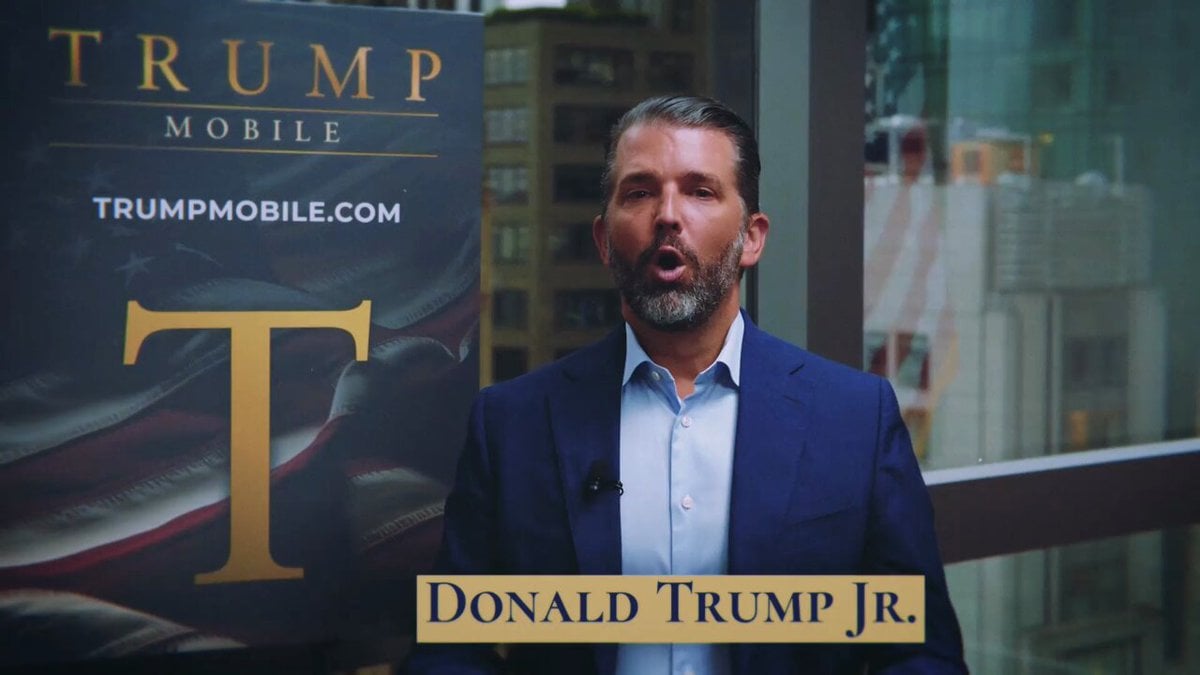
The launch of Trump Mobile came shortly after Donald Trump returned to the White House for his second presidential term. Eric Trump and Donald Trump Jr. promoted the company as a patriotic mobile network that would stand apart from traditional telecommunications giants.
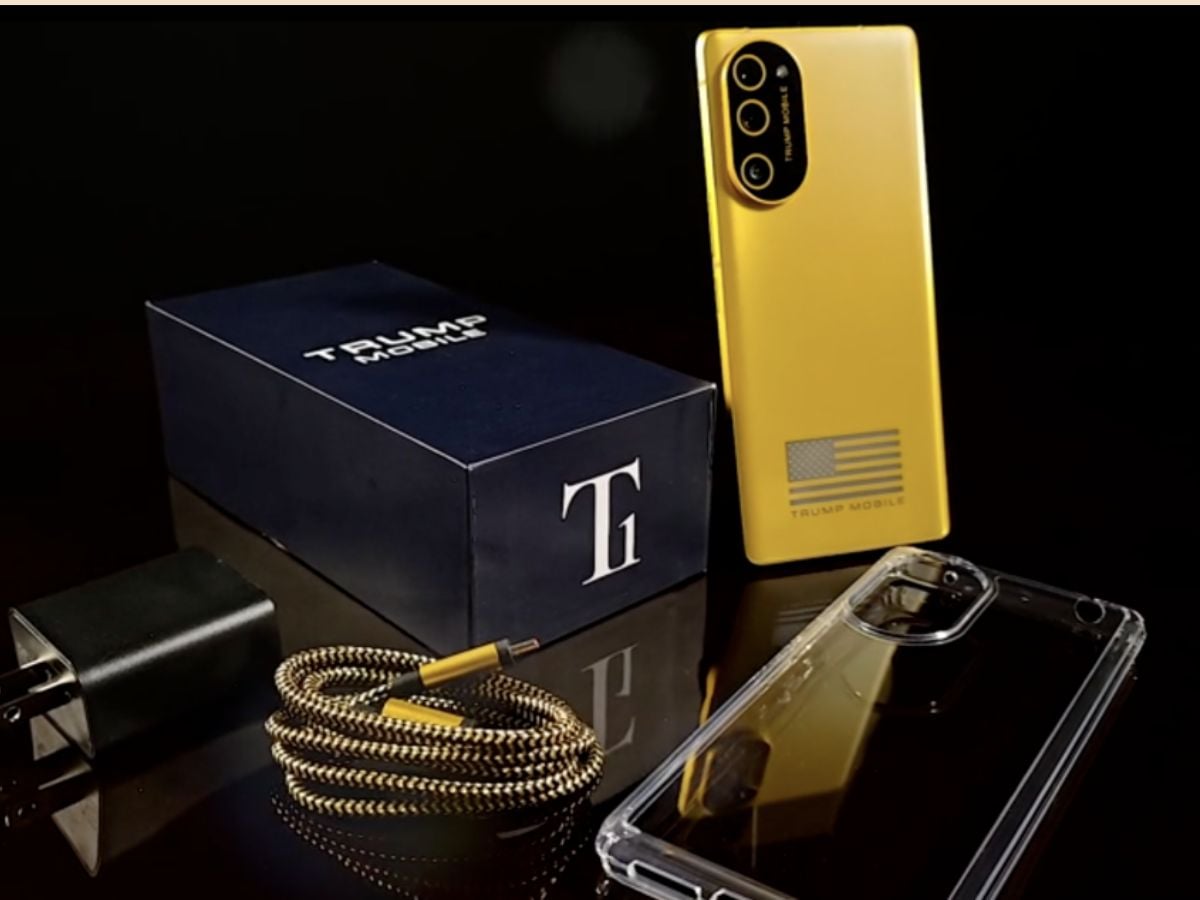
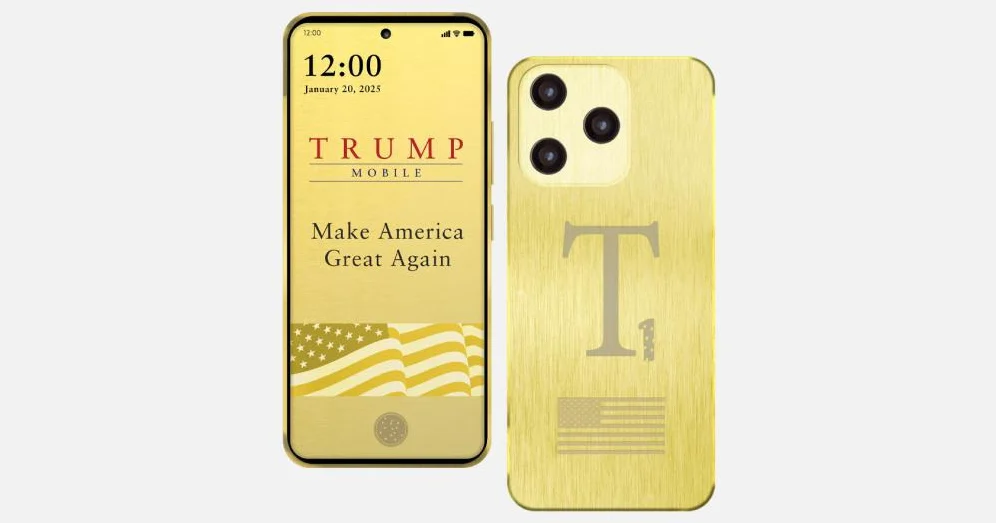
At the center of the campaign was the T1 Phone, a gold colored smartphone that was marketed as a premium American made device. Promotional material suggested the phone would combine conservative branding with domestic manufacturing and customer service based in the United States.
The company also promoted a wireless service that would operate through America’s largest mobile networks while offering a distinctly pro American image. The branding immediately appealed to many conservative consumers who believed large tech companies no longer reflected their values.
Supporters viewed Trump Mobile as more than a phone company. For many buyers, it became a symbolic purchase tied to political identity and economic nationalism.
Hundreds of Thousands Paid Deposits for the T1 Phone
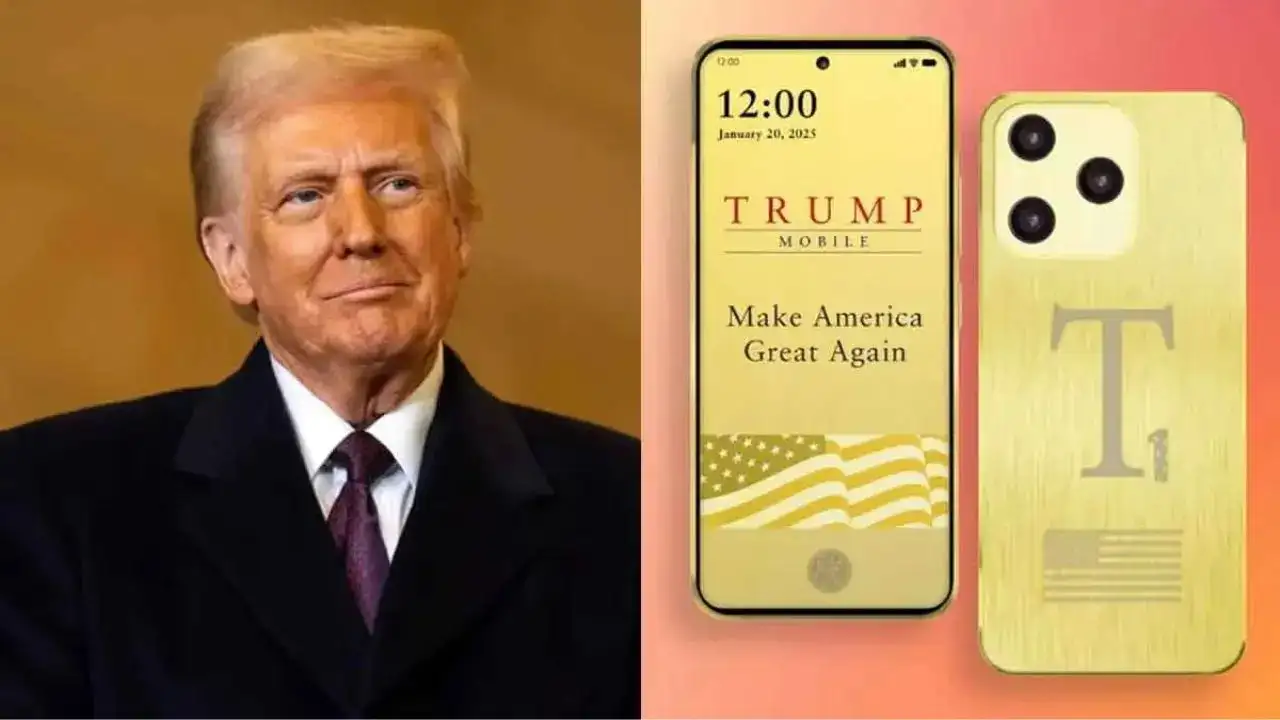
Interest in the device grew quickly after its announcement. Reports suggested that roughly 600,000 people placed $100 deposits to reserve the gold smartphone.
The advertised retail price was listed at $499, which immediately raised questions within the tech industry. Manufacturing smartphones in the United States has historically been extremely expensive due to labor costs, supply chain limitations, and the lack of large scale electronics production facilities.
Still, supporters appeared willing to trust the Trump brand. Buyers were encouraged by repeated claims that the phone would be designed and manufactured in America.
The original launch target reportedly pointed toward an August 2025 release. Customers expected updates as the date approached, but instead the timeline began to shift.
First, the launch window reportedly moved to late 2025. Then it shifted again toward early 2026. Eventually, the release date disappeared entirely from the company’s website.
Instead of a launch announcement, visitors were met with a waitlist.
Supporters Are Growing Increasingly Frustrated
As months passed without a clear explanation, frustration began spreading online. Some Trump supporters who had enthusiastically promoted the device started publicly questioning the company’s silence.
Videos discussing delayed shipments and missing updates circulated across TikTok and other social media platforms. In one widely discussed video, a customer angrily demanded answers after claiming to have ordered multiple phones during the summer launch campaign.
The backlash was especially notable because many of the complaints were coming from Trump supporters themselves. These were not political critics attacking the company from the outside. They were loyal customers who felt ignored after paying deposits months earlier.
Many buyers expected regular production updates, manufacturing photos, or at least confirmation that the device was moving toward release. Instead, the silence surrounding the project fueled speculation that the phone may never reach store shelves.
The situation became even more confusing when people noticed major changes to the language used on the Trump Mobile website.
The Fine Print Raised Serious Concerns
One of the biggest turning points in the controversy came when people closely examined the company’s preorder terms and conditions.
Updated language reportedly clarified that placing a deposit did not actually guarantee customers would receive a phone. The wording explained that the deposit merely provided buyers with a “conditional opportunity” if the company eventually decided to offer the device for sale.
For many customers, this was alarming.
The terms reportedly stated that a deposit was not considered a completed purchase and did not reserve inventory. It also explained that no binding sales agreement existed unless several additional conditions were met, including the company formally making the device available and processing full payment.
While the company indicated refunds would be issued if production was canceled, critics argued the language created significant uncertainty around the entire project.
Some customers worried they had essentially paid to join a waiting list without any guarantee that a physical product would ever exist.
The legal wording may have protected the company from liability, but it also damaged trust among supporters who believed they were preordering a real upcoming smartphone.
Questions About American Manufacturing Intensified
From the beginning, one of Trump Mobile’s biggest selling points was the claim that the phone would be made in America.
Eric Trump publicly emphasized that the company wanted domestic production rather than overseas manufacturing. That message became central to the product’s identity and marketing appeal.
However, industry experts immediately questioned whether such a phone could realistically be built in the United States at the advertised price.
At the time, one of the few smartphones marketed as American made reportedly sold for nearly $2,000, far above the T1 Phone’s listed cost. Analysts pointed out that America currently lacks the large scale smartphone manufacturing ecosystem needed to compete with factories in China, South Korea, or India at lower prices.
As scrutiny increased, observers noticed that Trump Mobile’s language began changing.
References to being fully American made reportedly disappeared from parts of the website. Instead, newer wording described the devices as being inspired by American values or designed with American innovation in mind.
That shift immediately triggered accusations that the original marketing may have exaggerated the manufacturing reality behind the project.
Lawmakers Called for an Investigation
The controversy eventually drew political attention in Washington.
Several Democratic lawmakers reportedly urged the Federal Trade Commission to investigate the company’s marketing claims. Among those mentioned were Senator Elizabeth Warren, Senator Adam Schiff, and Representative Alexandria Ocasio Cortez.
Their concerns centered largely around allegations that the company may have misled customers regarding where the devices would actually be manufactured.
The lawmakers reportedly argued that there was little visible evidence that the T1 Phone existed as a real production ready product. They also questioned why the company was simultaneously selling refurbished iPhones and Samsung devices while promoting an America first branding strategy.
Critics described the situation as a possible bait and switch tactic, especially if customers were led to believe they were supporting an entirely domestic electronics product.
So far, no major public enforcement action has emerged, but the controversy continues generating headlines as customers wait for answers.
The Smartphone Industry Is Extremely Difficult to Enter
Part of the reason experts remain skeptical is because the smartphone business is brutally competitive even for established corporations.
Building a successful phone company requires enormous investments in hardware design, software optimization, manufacturing logistics, regulatory approval, distribution networks, and customer support.
Even large tech firms with billions in resources have struggled to compete against dominant players like Apple and Samsung.
Manufacturing in America creates even greater challenges. Most smartphone supply chains are heavily concentrated in Asia, where companies have spent decades building specialized production infrastructure.
Creating an entirely domestic smartphone operation would likely require years of investment and significantly higher costs than most consumers expect.
That reality has fueled doubts about whether Trump Mobile ever had a realistic path toward delivering a truly American made phone at a mid range price point.
Some Customers Still Believe the Phone Will Arrive
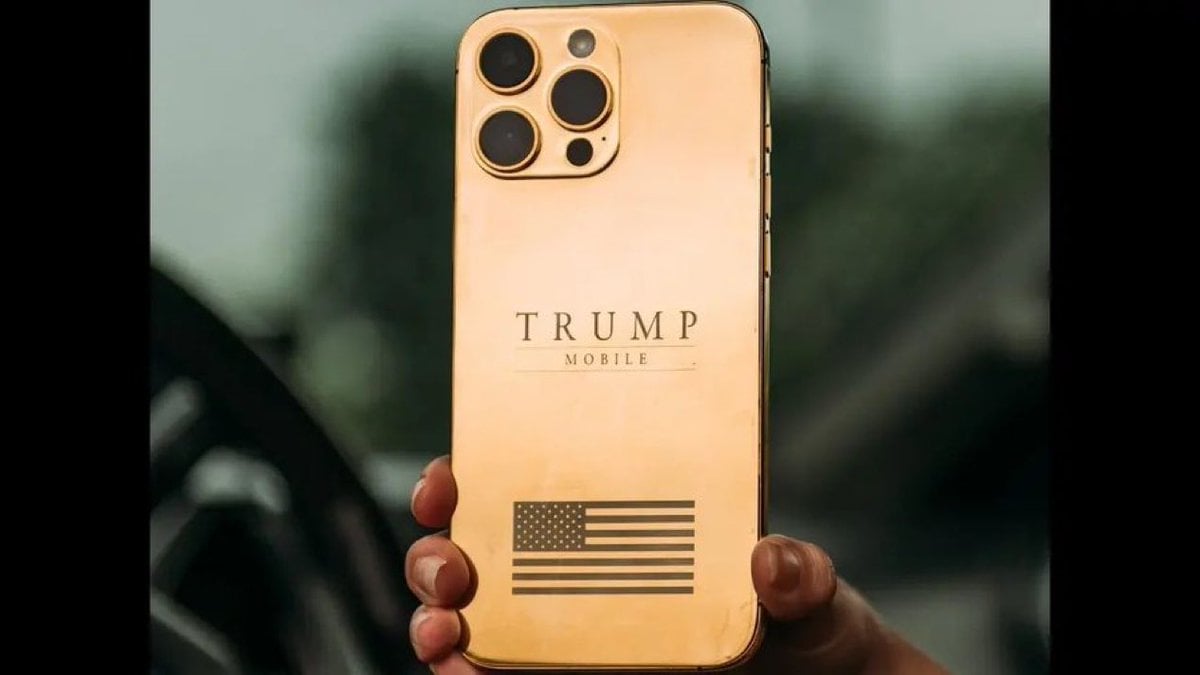
Despite the growing criticism, some Trump supporters continue defending the project.
Many argue that delays are common in technology manufacturing and believe political opponents are unfairly attacking the company because of the Trump name. Others point to ongoing waitlist signups and the continued operation of Trump Mobile’s wireless service as signs that the project is still active.
The mobile network itself reportedly remains functional, allowing customers to use service plans with their existing devices.
Supporters also note that supply chain disruptions and regulatory delays can impact electronics production timelines. Some remain hopeful that the T1 Phone could eventually appear later in 2026.
Still, the longer the silence continues, the harder it becomes for supporters to maintain confidence.
The Situation Reflects a Larger Trend in Political Branding
Trump Mobile also reflects a broader shift in American politics where political identity increasingly overlaps with consumer products.
Over the past decade, politically branded products have expanded into clothing, social media platforms, streaming services, food brands, and financial products. Trump Mobile attempted to extend that model into the telecommunications and technology space.
For supporters, purchasing such products can feel like supporting a movement rather than simply buying a service.
But political branding can also create unique risks. Loyal customers may initially trust the brand more easily, but disappointment can become especially intense when expectations are not met.
The Trump Mobile controversy highlights how emotional loyalty and consumer expectations can collide when ambitious marketing promises fail to materialize.
Uncertainty Continues Surrounding the T1 Phone
As of now, the future of the T1 Phone remains unclear.
There is still no confirmed public release date. Questions about manufacturing remain unresolved. Customers continue debating whether the device is delayed, redesigned, or quietly falling apart behind the scenes.
The company still reportedly offers a waitlist for interested buyers, while maintaining that deposits would be refunded if production is ultimately canceled.
For the hundreds of thousands of people who already placed deposits, the biggest frustration may not simply be the delay itself. It is the uncertainty.
Many supporters believed they were backing a major American technology breakthrough tied to conservative economic values. Instead, they are still waiting for proof that the phone truly exists beyond promotional images and ambitious promises.
Whether the T1 Phone eventually launches or disappears entirely, the controversy has already become one of the most unusual consumer technology stories connected to modern American politics.