
Table of Contents
- New York’s Budget Problems Did Not Appear Overnight
- State Funding Helped Calm Immediate Panic
- The Education Debate Became a Major Flashpoint
- Officials Promised Major Efficiency Savings
- Pension Changes Triggered Strong Backlash
- Wall Street Revenue Helped More Than Expected
- The Political Messaging Became Highly Charged
- Future Economic Risks Still Loom
- Mamdani’s Leadership Style Faces Scrutiny
- The Budget Fight Reflects a Bigger National Question
New York’s Budget Problems Did Not Appear Overnight
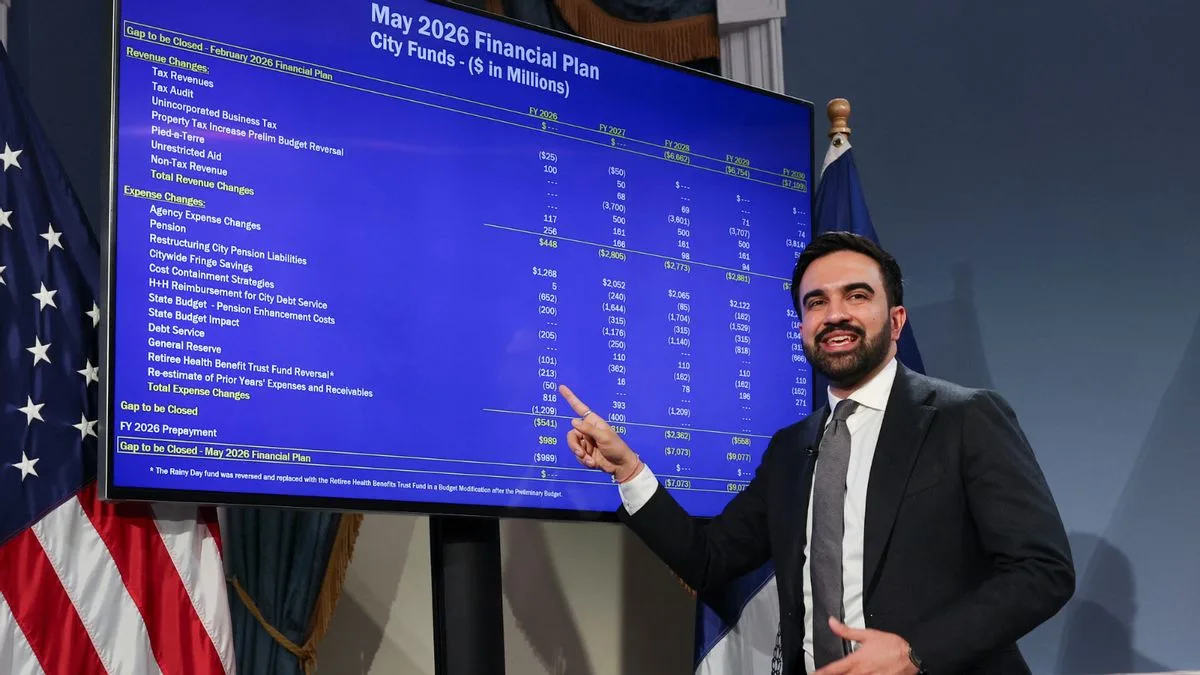
One of the central arguments in the debate involves how the city’s financial situation is being described politically.
Mamdani has reportedly suggested his administration inherited a major budget crisis after taking office. Critics, however, argue the city’s fiscal problems were already widely known long before his election.
For years, economists and watchdog groups warned that New York City spending was growing faster than revenue. State Comptroller Tom DiNapoli had reportedly raised concerns about future deficits well before the current administration arrived.
The city has also spent several consecutive years operating with expenditures exceeding incoming revenue.
That imbalance matters because it creates increasing pressure on future budgets. Temporary economic growth can mask those problems for a while, especially when Wall Street profits remain strong, but long term deficits eventually force difficult choices.
Critics argue that simply framing the issue as a newly discovered crisis risks oversimplifying deeper structural trends that have been developing for years.
State Funding Helped Calm Immediate Panic
A major reason the budget picture improved so suddenly was assistance from New York State.
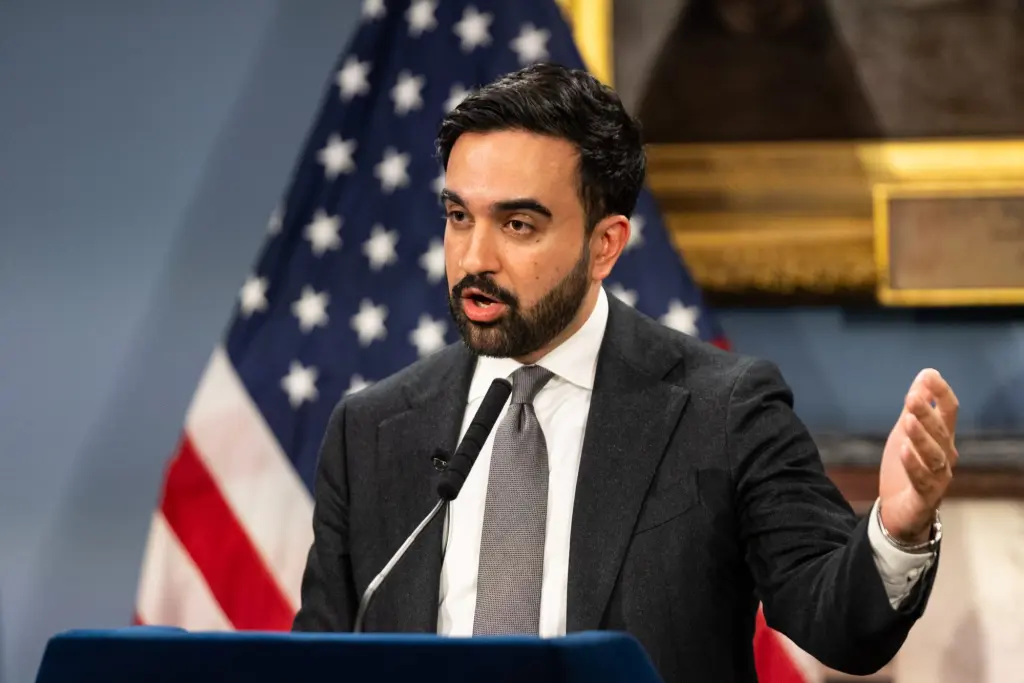
Governor Kathy Hochul and state lawmakers reportedly agreed to provide billions of additional dollars to help stabilize New York City finances over the coming years.
That support dramatically reduced immediate budget pressure.
Without those additional funds, City Hall would likely have faced far more difficult decisions involving hiring freezes, spending reductions, or service cuts. Instead, the administration gained breathing room and political momentum.
Supporters of the mayor argue this demonstrates effective cooperation between city and state government. They see the funding as an investment in maintaining services, avoiding layoffs, and protecting vulnerable communities.
Critics view it differently.
They argue the city essentially relied on outside assistance instead of confronting internal spending growth. In their view, the state bailout delayed necessary reforms rather than solving underlying financial imbalances.
The Education Debate Became a Major Flashpoint
One of the most controversial parts of the budget discussion involves New York City schools.
A state class size mandate had reportedly created additional financial pressure by requiring the city to hire more teachers and expand staffing levels. Supporters of the policy argue smaller classrooms improve educational outcomes and student attention.
Critics counter that the mandate ignores declining enrollment trends across many schools.
Some analysts argue the Department of Education should be consolidating underused schools instead of expanding staffing. Reports indicate more than 100 city schools may soon operate with fewer than 150 students.
That creates an uncomfortable question: should the city continue increasing educational spending while student populations shrink in many neighborhoods?
The debate reflects a larger ideological divide over public spending itself.
Supporters of Mamdani generally oppose austerity measures and argue government should maintain or expand services even during financial stress. Critics argue the city cannot ignore demographic and economic realities forever.
Officials Promised Major Efficiency Savings
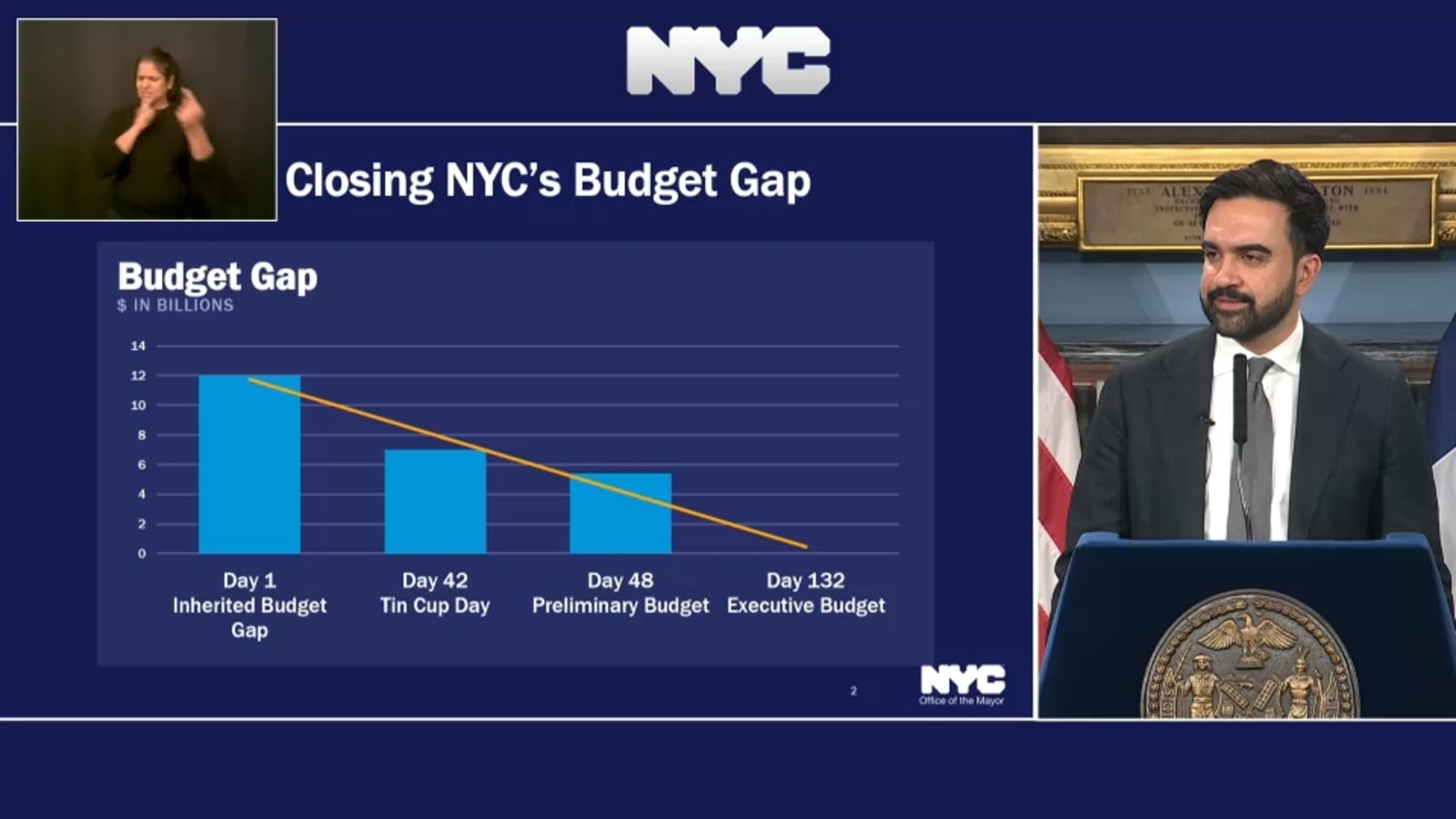
City officials reportedly projected hundreds of millions of dollars in savings through better collections, overtime management, and improved efficiency within public agencies.
On paper, those savings sound substantial.
But critics warn that efficiency promises often appear easier in political speeches than in practice. Large bureaucracies rarely reduce costs smoothly, especially in a city as complex as New York.
Questions immediately emerged about how realistic some projected savings actually are.
What happens if overtime costs increase unexpectedly because of policing needs, emergencies, or staffing shortages? What if projected revenue collections fail to materialize? What if agencies resist reforms?
Budget forecasts frequently depend on optimistic assumptions, and critics worry the city may be relying too heavily on projections rather than guaranteed savings.
That uncertainty fuels concern that future deficits could quickly return even after the current budget gap appears resolved.
Pension Changes Triggered Strong Backlash
Perhaps the most controversial part of the budget strategy involves public pension obligations.
Reports indicate the city and state reached agreements allowing New York City to alter the timeline for paying down certain pension related debt. The debt reportedly originated years ago after pension systems made overly optimistic assumptions about investment performance.
Under the revised plan, payments would reportedly be stretched over a much longer period extending into future decades.
Supporters argue the move creates short term flexibility and prevents painful cuts today. Critics describe it as financial postponement that shifts today’s costs onto future taxpayers.
The issue matters because pensions represent one of the largest long term obligations facing many major American cities.
Delaying repayment may ease current pressure, but it can also increase future burdens through accumulated obligations and interest costs.
Opponents argue the city is essentially borrowing political comfort from future generations.
Wall Street Revenue Helped More Than Expected

Another important factor stabilizing the budget involved stronger than expected tax revenue.
Wall Street bonuses and financial sector profits reportedly produced higher tax collections than analysts initially projected. That additional money helped shrink the apparent budget gap.
However, critics warn that relying heavily on Wall Street revenue creates serious long term risk.
New York’s tax structure depends significantly on high earners and corporate income, both of which fluctuate dramatically depending on economic conditions. During strong financial years, revenue can surge unexpectedly. During downturns, it can collapse quickly.
That volatility makes long term planning extremely difficult.
If financial markets weaken or wealthy residents relocate, the city’s revenue picture could deteriorate rapidly. Some critics argue the administration is acting as though temporary strong revenue growth represents permanent stability.
The Political Messaging Became Highly Charged
The budget fight quickly evolved beyond accounting details into a larger ideological battle.
Supporters of Mamdani framed the budget outcome as proof progressive governance can protect public services without resorting to painful cuts. They argue austerity policies disproportionately hurt working families, public employees, and vulnerable communities.
Critics counter that avoiding difficult decisions now could produce even harsher consequences later.
Some opponents described the budget strategy as dependent on gimmicks, temporary fixes, and state rescue efforts rather than sustainable management. They argue the city is expanding spending commitments without securing reliable long term funding sources.
The debate reflects national political tensions as well.
Progressive leaders across America increasingly argue government should spend aggressively to address inequality and improve services. Fiscal conservatives warn that unchecked spending eventually creates crises that become impossible to ignore.
New York City now sits directly at the center of that larger argument.
Future Economic Risks Still Loom
Even with the current budget temporarily stabilized, major risks remain ahead.
Economic slowdowns could quickly reduce tax collections. Federal policy changes could affect immigration, labor markets, and business investment. Rising pension obligations may continue growing. Public sector labor negotiations could increase salary pressures.
At the same time, New York City still faces expensive long term challenges involving housing, transportation, infrastructure, policing, and homelessness.
Critics argue the current budget does not fully address how those future costs will be sustainably managed.
Supporters respond that maintaining social investment during uncertain times is precisely what government should do.
This tension between immediate social spending and long term fiscal caution sits at the core of the entire debate.
Mamdani’s Leadership Style Faces Scrutiny
The budget controversy has also become a test of Mamdani’s leadership style.
Supporters praise him as a politician willing to reject traditional austerity politics and aggressively pursue outside support for city services. They view his willingness to negotiate with Albany as politically effective.
Critics see something different.
They argue the administration appears reluctant to confront politically difficult spending issues directly. Some worry the mayor is more comfortable finding temporary patches than restructuring expensive systems permanently.
The pressure on Mamdani will likely intensify if economic conditions worsen or projected savings fail to appear.
Balancing ideological commitments with fiscal realities remains one of the hardest challenges any mayor of New York City faces.
The Budget Fight Reflects a Bigger National Question
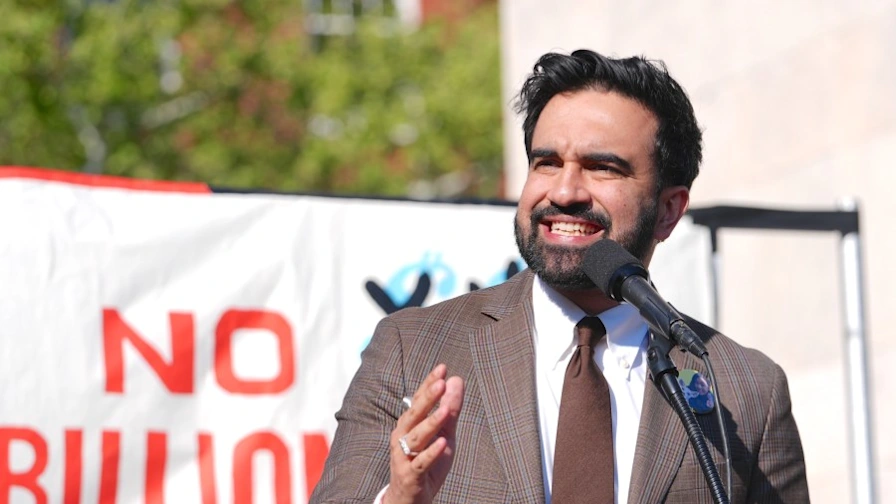
Ultimately, the New York budget battle represents more than a local political story.
Cities across America are confronting similar tensions involving rising costs, pension obligations, housing pressure, labor expenses, and public expectations for services. Many governments are struggling to balance progressive spending priorities with long term fiscal sustainability.
New York simply experiences those tensions on a much larger scale.
The city remains one of the world’s most economically important urban centers, but also one of its most expensive and politically divided. Decisions made there often influence broader national conversations about governance, taxation, and public spending.
That is why the Mamdani budget debate matters far beyond New York.
Supporters believe the city is proving government can avoid austerity while preserving social investment. Critics believe the administration is delaying difficult choices and risking future instability.
For now, the immediate crisis appears calmer.
But many economists and political observers warn the real test has not arrived yet.
Temporary aid, favorable tax receipts, and revised payment schedules can stabilize a budget for a while. The harder challenge is building a financial system capable of surviving economic downturns, demographic shifts, and rising obligations without repeated emergency fixes.
Whether New York’s current strategy represents smart political management or dangerous fiscal postponement may not become fully clear for years.
But one thing is already obvious: the fight over New York City’s future finances is only beginning.