
Table of Contents
- Xi Warned Trump Over Taiwan
- Iran Became a Major Part of the Talks
- Trade and Business Ties Took Center Stage
- The Iran War Shadowed Washington
- US Military Leaders Faced Tough Questions
- Drone Warfare Is Changing US Strategy
- China Used Symbolism During the Visit
- Elon Musk’s Presence Drew Attention
- Domestic Political Storms Continued
- Border Patrol Chief Resigned Suddenly
- US Announced New Humanitarian Funding
- Democrats Criticized Trump’s China Strategy
- A Summit Filled With Risk
Xi Warned Trump Over Taiwan
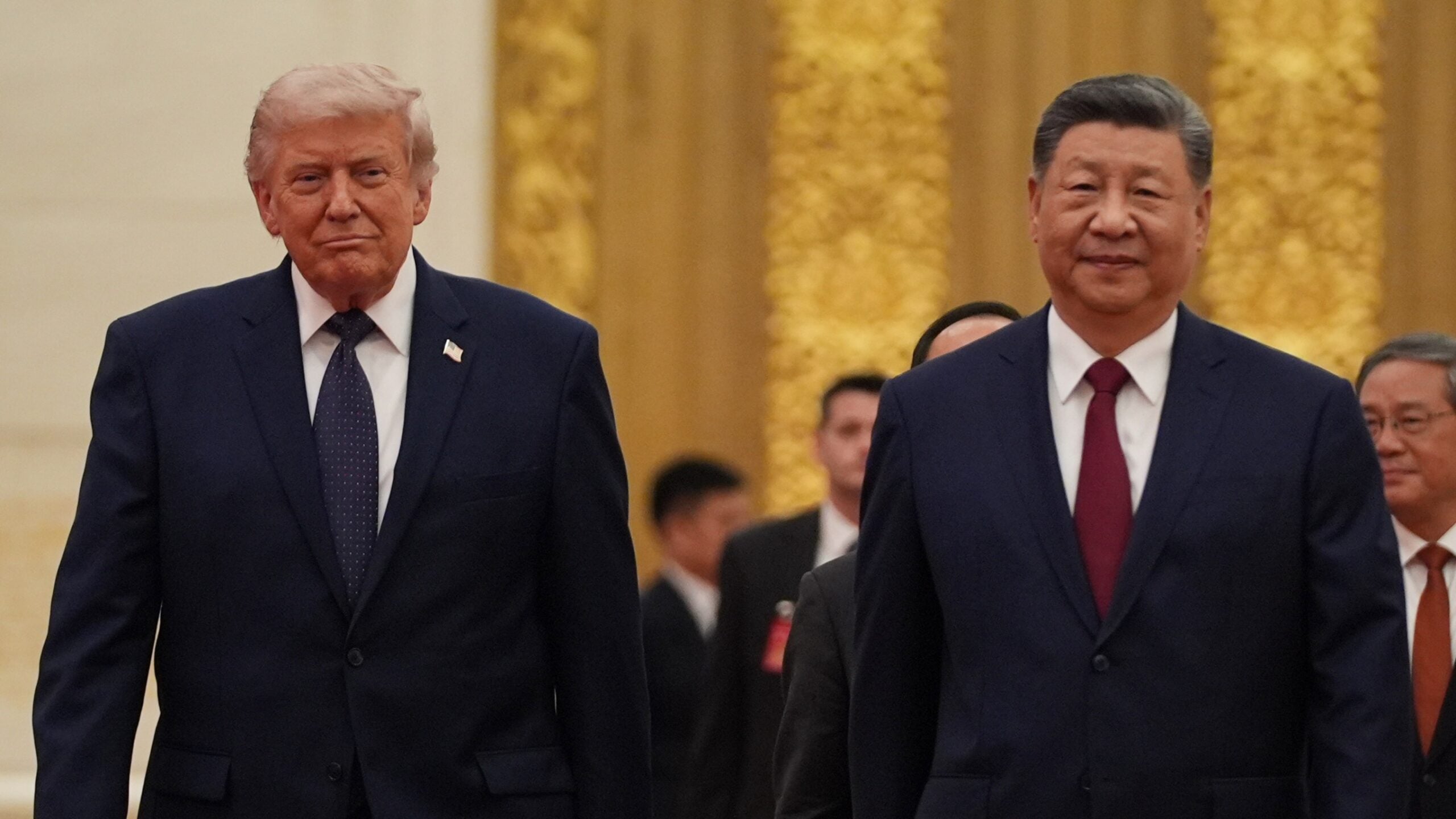
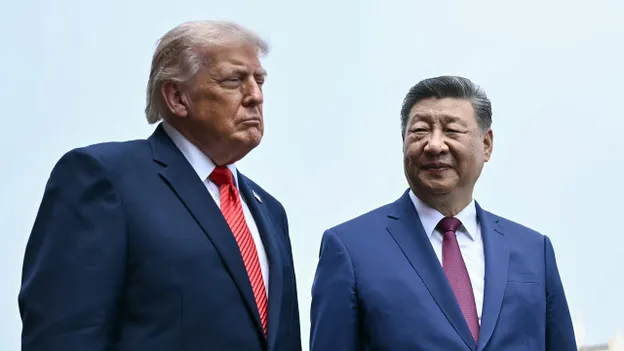
One of the most serious moments came during a closed-door meeting, when Xi reportedly warned Trump that disagreements over Taiwan could push the United States and China into clashes or conflict.
Taiwan remains one of the most dangerous flashpoints in the world. Beijing claims the self-governed island as part of China, while Taiwan maintains its own democratic government and military. The United States does not formally recognize Taiwan as an independent country, but it has long provided weapons and support to help Taiwan defend itself.
Trump authorized an $11 billion arms package for Taiwan in December, but delivery has not yet moved forward. Secretary of State Marco Rubio later warned that it would be a “terrible mistake” for China to try to take Taiwan by force.
Xi’s warning showed that Taiwan remains the issue most likely to turn US-China competition into direct military danger.
Iran Became a Major Part of the Talks
The summit also focused heavily on Iran.
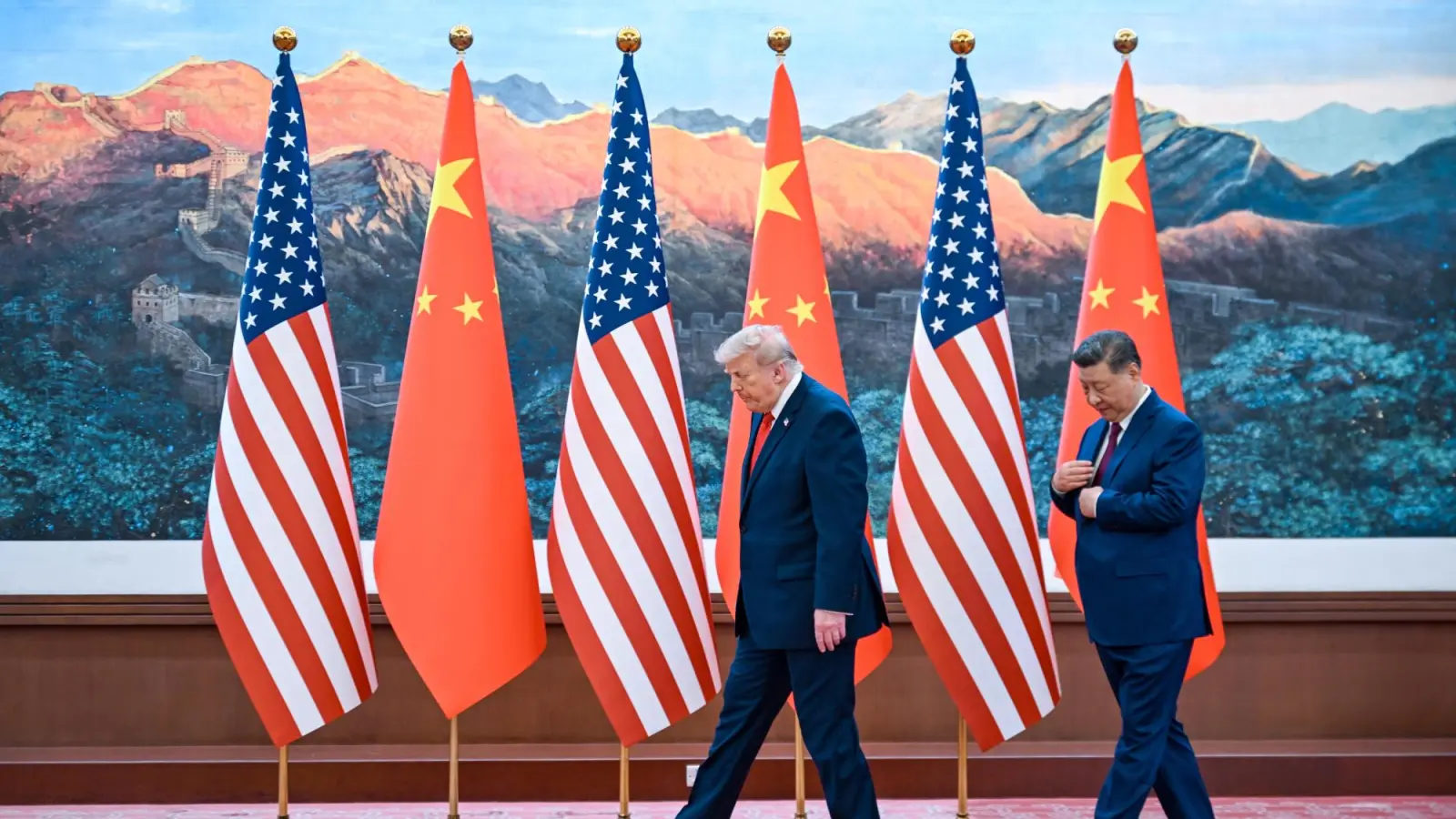
Trump said Xi told him China wanted to help negotiate an end to the Iran war and reopen the Strait of Hormuz, one of the world’s most important oil shipping routes. China is the largest buyer of Iranian oil, giving Beijing major influence over Tehran’s economy.
Trump has hoped Xi would use that leverage to push Iran toward a deal favorable to the United States.
The president also said Xi assured him China would not provide Iran with military equipment. Trump called that a major statement, though questions remain about other forms of support, including intelligence, electronic components, or oil revenue.
China’s position is complicated. It wants stability in the Gulf because of oil imports, but it also does not want to fully align with Washington’s strategy against Iran.
Trade and Business Ties Took Center Stage
Trump also used the summit to focus on business deals.
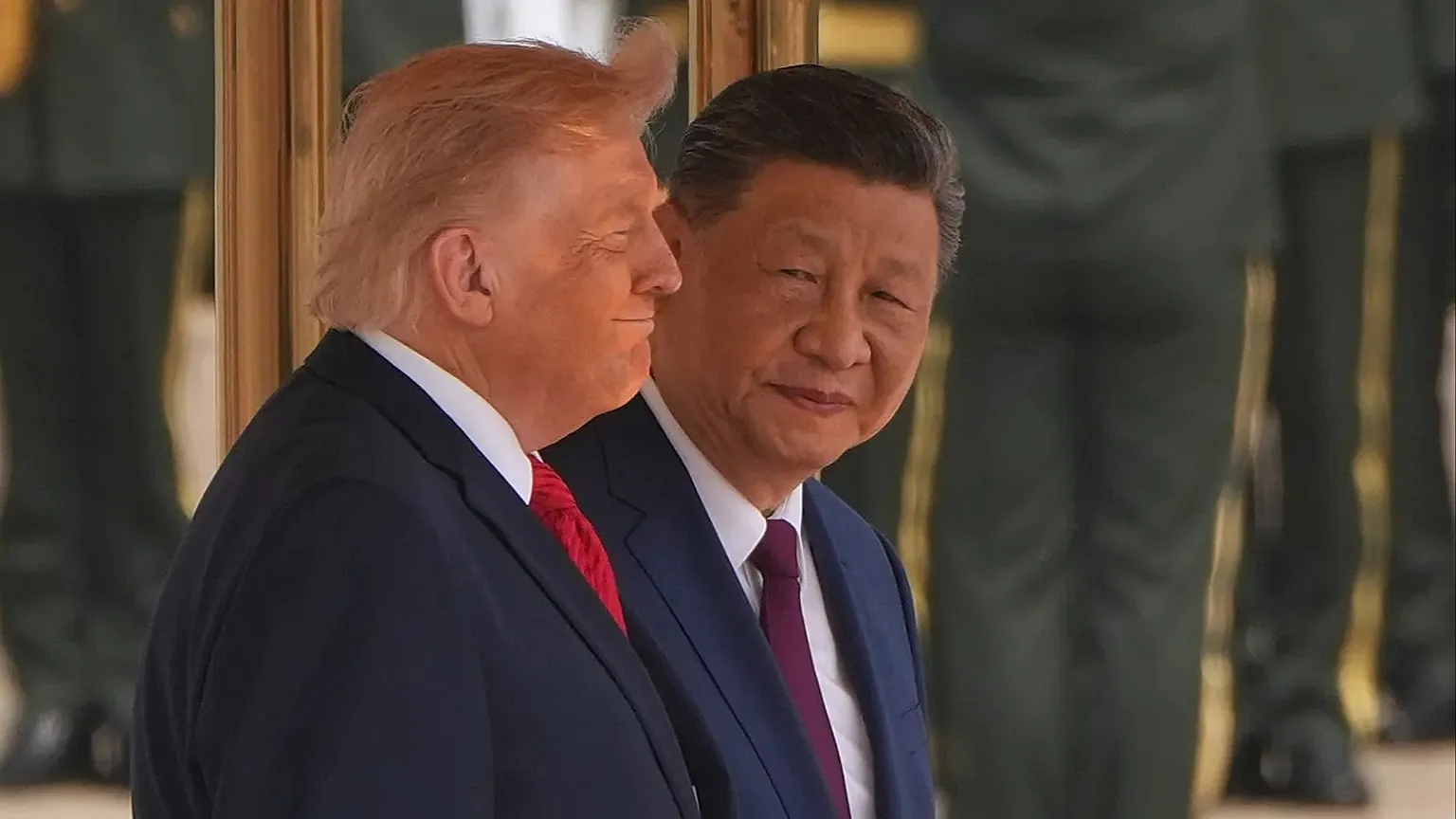
The president wants China to buy more American agricultural products and passenger planes. He also hopes to create a board or mechanism to manage disputes and avoid another trade war like the one triggered by tariff increases last year.
For farmers, manufacturers, and exporters, even modest progress could matter. US-China trade tensions affect soybeans, aircraft, technology, shipping, and consumer prices.
But the deeper issues remain difficult. Washington worries about China’s industrial power, technology ambitions, military growth, and influence over global supply chains. Beijing worries about US tariffs, export controls, and support for Taiwan.
That is why the summit was less about solving everything and more about preventing the relationship from sliding into open crisis.
The Iran War Shadowed Washington
Back in Washington, the Iran war continued to divide Congress.
A Democratic effort to limit Trump’s power to launch further attacks against Iran narrowly failed in the House with a 212 to 212 tie vote. Three Republicans joined Democrats in supporting the resolution, while one Democrat voted against it.
The close vote showed that some Republicans are becoming uncomfortable with Trump continuing the war without congressional approval.
The vote came after a 60-day window in which presidents are expected to seek congressional authorization for ongoing conflict. A close Senate vote the day before showed similar concerns.
Even as Trump negotiated abroad, pressure was growing at home over who controls war powers.
US Military Leaders Faced Tough Questions
Adm. Brad Cooper, the top US military commander in the Middle East, testified before the Senate as lawmakers pressed him about Iran, civilian casualties, drones, and the Strait of Hormuz.
Cooper said Iran’s military capabilities had been dramatically degraded, but he acknowledged Iran still has some ability to strike targets in the region and influence merchant shipping through threats alone.
He also said the US military has the power to reopen the Strait of Hormuz, though he deferred to policymakers because peace negotiations remain sensitive.
The testimony showed that even if Iran has been weakened, the conflict remains far from settled.
Drone Warfare Is Changing US Strategy
One striking detail from the hearing was Cooper’s explanation that American forces have adopted tactics learned from Ukraine.
Ukraine’s experience fighting Russian drones has helped US forces respond to Iranian drone attacks. Cooper said the US has changed tactics and is no longer relying heavily on expensive high-end munitions to shoot down Iranian drones.
That matters because advanced missile interceptors are costly and limited. Using them against cheaper drones can drain military stockpiles quickly.
Cooper said Iran now has only about 10 percent of its drones left, but drone warfare remains a major concern because even low-cost weapons can create major pressure on US forces and allies.
China Used Symbolism During the Visit
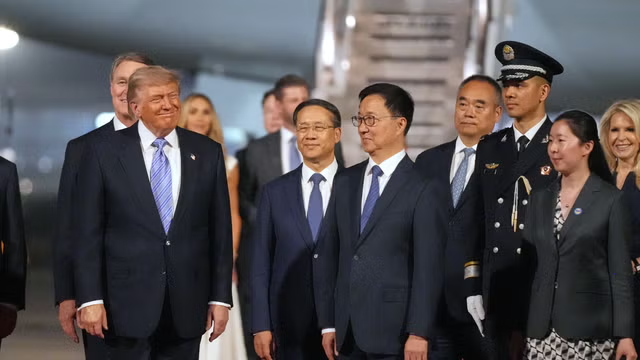
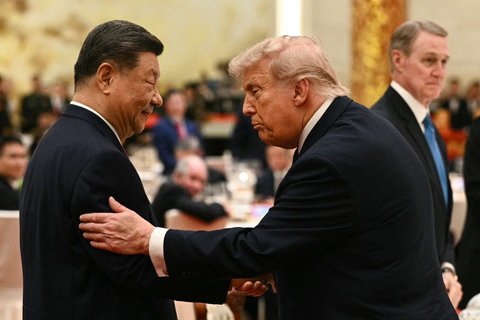
The summit also included highly choreographed diplomatic gestures.
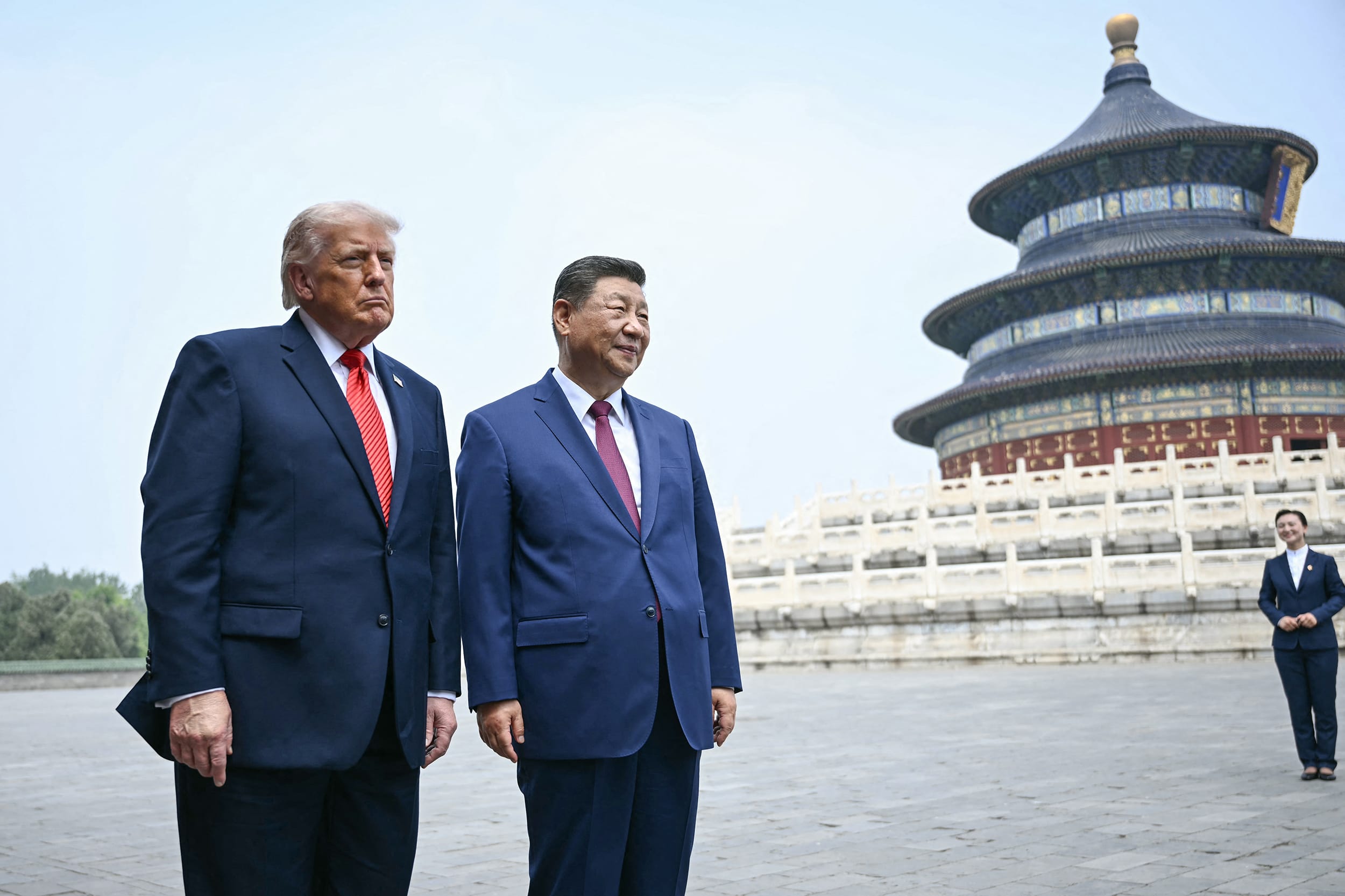
At a state banquet in Beijing, a Chinese military band reportedly played The Village People’s “Y.M.C.A.,” a song Trump frequently uses at rallies and official events. The choice appeared designed to flatter the president and create a familiar moment inside a tense diplomatic setting.
China has used similar symbolic gestures with Trump before. In 2017, “The Stars and Stripes Forever” was played during a ceremony with Chinese honor guards.
These details may seem small, but in diplomacy, symbolism matters. Leaders use music, ceremony, and personal gestures to soften difficult talks and create a sense of respect.
Elon Musk’s Presence Drew Attention
Elon Musk was also part of the US business delegation in Beijing.
His young son, wearing a Chinese-style outfit, was seen walking with him inside the Great Hall of the People. The image drew attention on Chinese social media, where users praised the boy’s clothing. Musk later said his son is learning Mandarin Chinese.
Musk’s presence highlighted how deeply connected American business remains to China, even as Washington and Beijing compete politically and militarily.
Companies like Tesla depend heavily on Chinese manufacturing, Chinese consumers, and Chinese regulators. That makes business leaders important players in the broader US-China relationship.
Domestic Political Storms Continued
While Trump was in Beijing, several other major political stories unfolded in the United States.
The Justice Department accused Yale’s medical school of illegally considering race in admissions, following similar allegations against UCLA. The EPA moved to relax limits on toxic wastewater from coal-fired power plants, drawing praise from industry groups and criticism from environmental advocates.
House Democrats called for Commerce Secretary Howard Lutnick to resign after new questions emerged about his past statements regarding Jeffrey Epstein.
FBI Director Kash Patel also faced scrutiny after emails showed he took part in a “VIP snorkel” outing at the USS Arizona Memorial in Pearl Harbor, where snorkeling is normally restricted because the site is a military cemetery.
These stories showed how crowded and chaotic Washington remained even during one of Trump’s most important foreign trips.
Border Patrol Chief Resigned Suddenly
Another major development came when US Border Patrol chief Michael Banks announced his immediate resignation during a Fox News interview.
Banks said it was “just time” and claimed he had helped move the border from chaos to what he described as the most secure border the country has ever seen.
The Department of Homeland Security and Customs and Border Protection did not immediately comment.
His resignation added another layer of uncertainty to the administration’s immigration enforcement agenda, one of Trump’s most important political priorities.
US Announced New Humanitarian Funding
At the United Nations, US Ambassador Mike Waltz announced an additional $1.8 billion in funding for humanitarian aid.
The money is expected to support victims of natural disasters, famine, and people in urgent crisis. It comes on top of $2 billion announced in December.
The announcement was significant because Trump previously shut down USAID, throwing international aid programs into turmoil. UN humanitarian chief Tom Fletcher warned his agency remains overstretched and underfunded, even as hundreds of millions of people worldwide need help.
The new funding allowed the US to present itself as the largest national donor to the UN, even while its broader foreign aid policy remains controversial.
Democrats Criticized Trump’s China Strategy
Sen. Jeanne Shaheen, the top Democrat on the Senate Foreign Relations Committee, criticized Trump’s approach to China, saying the summit showed a lack of coherent foreign policy.
She argued the US is weakened by the Iran war and said Trump should have taken a stronger stance on Taiwan.
Shaheen, who visited Taiwan with a bipartisan group of senators earlier this year, said strong deterrence is the best way to maintain stability with China.
Her criticism reflected a broader Democratic concern that Trump’s foreign policy is too reactive, too personal, and too vulnerable to pressure from authoritarian leaders.
A Summit Filled With Risk
The Trump-Xi summit did not produce a dramatic breakthrough, but it revealed the enormous stakes surrounding the US-China relationship.
Taiwan remains the most dangerous flashpoint. Iran remains an urgent war and energy crisis. Trade remains fragile. Business ties remain essential but politically complicated.
Both leaders have reasons to avoid direct conflict. The US and China are deeply connected economically, and a military clash would carry catastrophic global consequences. But both sides are also under pressure to look strong.
That is what makes this moment so dangerous.
A summit can calm tensions, but it cannot erase the deeper rivalries driving them.
For now, Trump and Xi appear to be trying to manage conflict rather than resolve it. But with Taiwan, Iran, trade, technology, and military pressure all moving at once, the world is entering a period where one miscalculation could reshape global politics overnight.