
Table of Contents
- Who Was Abu-Bilal al-Minuki?
- Why Africa Has Become a Major ISIS Battleground
- Trump’s Announcement Draws Global Attention
- The Growing US Military Presence in Nigeria
- Why Terrorism in Africa Is Becoming Harder to Ignore
- Could This Impact ISIS Operations Globally?
- Nigeria’s Long Battle Against Extremism
- The Bigger Picture Behind the Operation
Who Was Abu-Bilal al-Minuki?
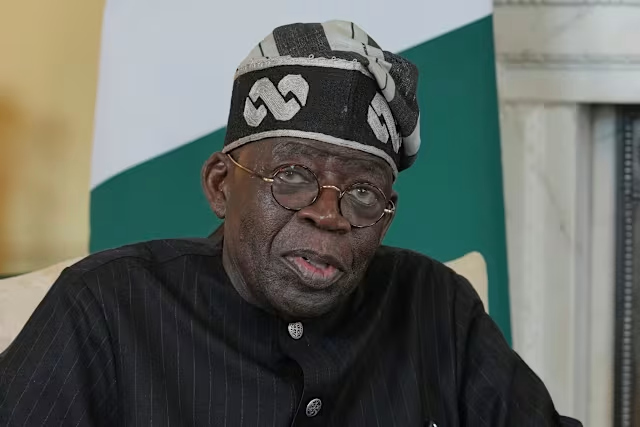
According to U.S. Treasury Department records released during the Biden administration in 2023, Abu-Bilal al-Minuki was designated as a significant global terrorist with ties to ISIS networks operating throughout West Africa. He was reportedly born in Nigeria’s Borno State in 1982, a region that has long served as a hotspot for insurgent activity and extremist recruitment.
Security agencies accused al-Minuki of coordinating attacks, recruitment operations, and logistical support for Islamic State factions spread across several African regions. While many ISIS leaders traditionally operated from Iraq or Syria, experts say Africa has increasingly become one of the group’s most active and dangerous strongholds.
For years, militant groups linked to ISIS have taken advantage of weak governance, poverty, political instability, and remote territories across parts of Africa to expand their influence. Analysts believe leaders like al-Minuki played an important role in strengthening communication and coordination between separate extremist factions operating in Nigeria, the Sahel, and surrounding territories.
Trump’s description of al-Minuki as the “most active terrorist in the world” may sound dramatic, but counterterrorism officials have repeatedly warned that ISIS activity in Africa has quietly intensified while global attention remained focused elsewhere.
Why Africa Has Become a Major ISIS Battleground
For many people outside the region, ISIS is still primarily associated with the wars in Iraq and Syria. However, terrorism experts say the organization has spent years rebuilding influence through affiliate groups in Africa.
Nigeria remains one of the most affected countries. Extremist organizations such as Boko Haram and ISIS-West Africa Province have carried out attacks targeting civilians, military installations, villages, schools, and religious communities. Thousands of people have been killed or displaced over the past decade.
The northeastern part of Nigeria, especially Borno State, has become one of the most unstable areas in the country. Militants have used forests, remote villages, and border regions as safe havens to launch attacks and evade capture.
At the same time, extremist violence has spread beyond Nigeria into neighboring countries including Niger, Chad, Cameroon, Burkina Faso, and Mali. This wider regional crisis has transformed Africa into one of the world’s fastest-growing centers for jihadist activity.
Military analysts say ISIS leadership understands that prolonged instability gives extremist organizations opportunities to recruit young fighters, exploit economic hardship, and expand influence in areas where government control remains weak.
That is one reason why operations targeting high-ranking ISIS figures in Africa are increasingly viewed as strategically important by Western governments.
Trump’s Announcement Draws Global Attention
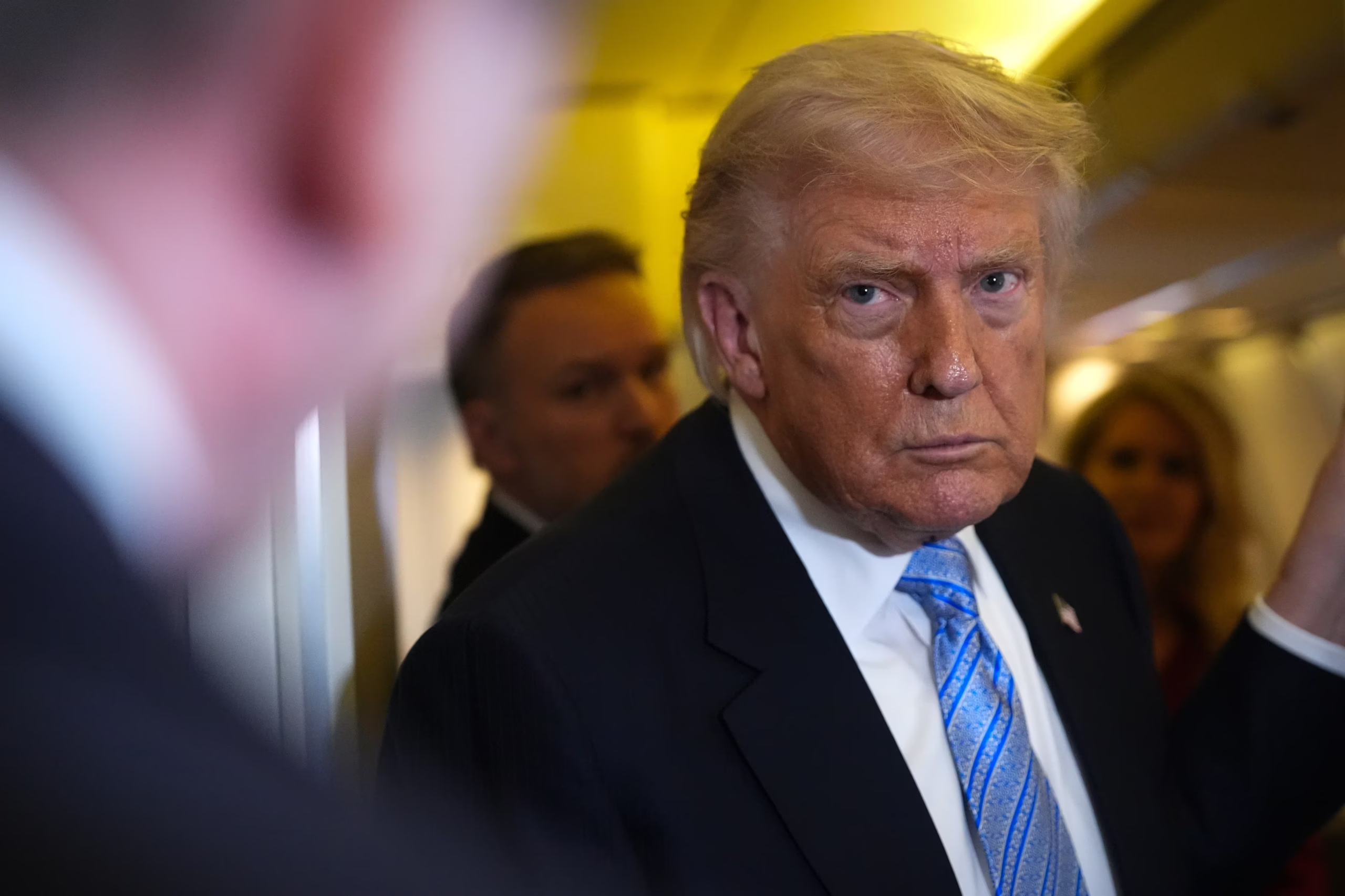
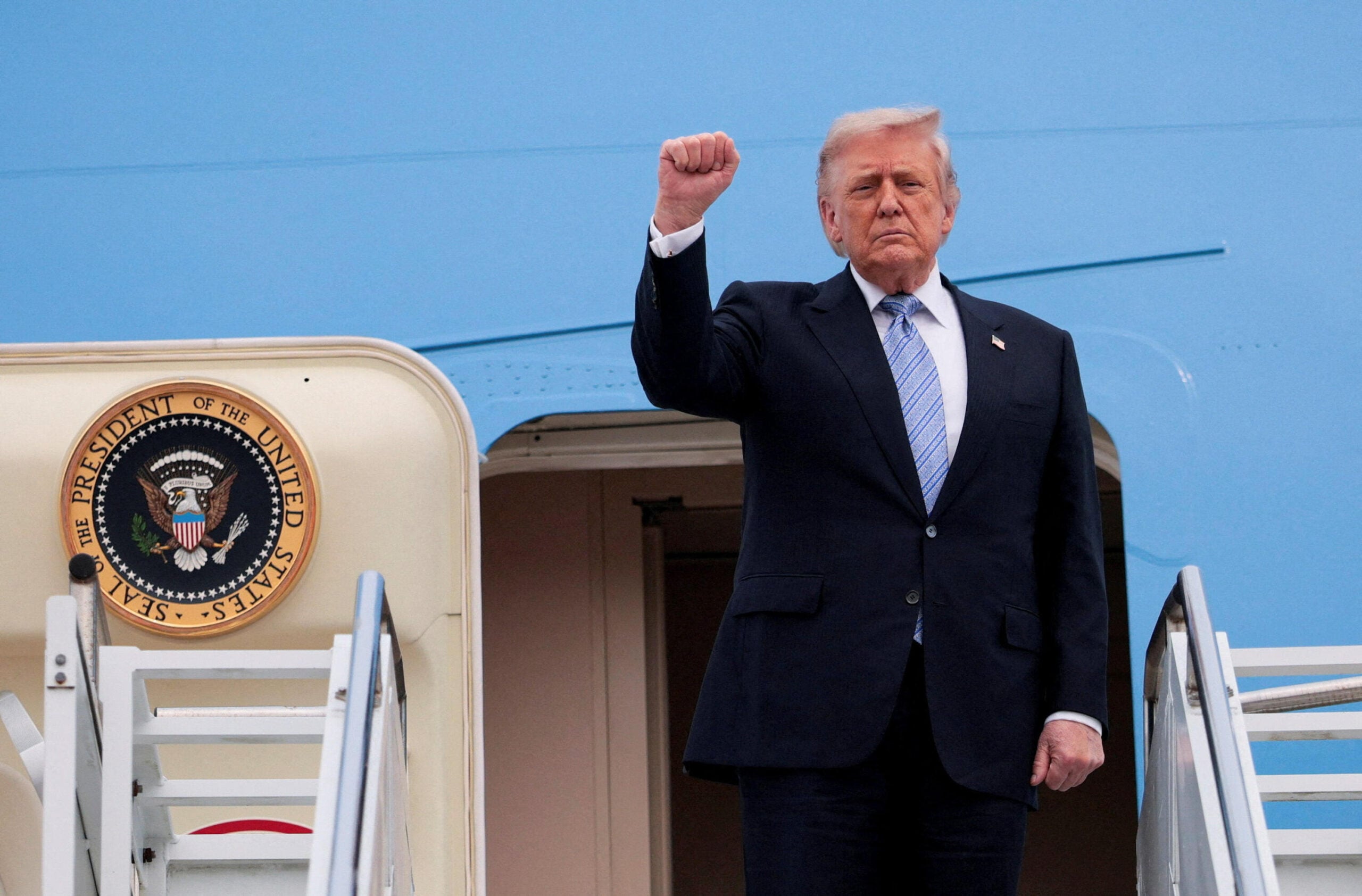
Trump’s statement quickly became one of the most talked-about international security stories of the day. In his post, he framed the mission as both a military success and proof that the United States remains capable of striking high-value terrorist targets anywhere in the world.
“Tonight, at my direction, brave American forces and the Armed Forces of Nigeria flawlessly executed a meticulously planned and very complex mission,” Trump wrote.
He also emphasized intelligence gathering, saying American sources had closely monitored al-Minuki’s movements before the strike was carried out.
Although Trump did not reveal the exact location of the operation, security observers suspect it likely occurred somewhere within northeastern Nigeria or a nearby conflict zone where ISIS-linked militants remain active.
The lack of operational details is not unusual. Governments often withhold information regarding counterterrorism missions to protect intelligence networks, military tactics, and ongoing investigations.
Still, Trump’s announcement generated immediate political discussion because it reinforced one of his long-standing campaign themes: aggressive counterterrorism action and strong military positioning abroad.
The Growing US Military Presence in Nigeria
The operation also highlighted the expanding security cooperation between the United States and Nigeria.
In recent years, Washington has increased intelligence sharing, drone surveillance, and military assistance aimed at helping Nigerian forces combat insurgent groups. Reports indicate the United States has deployed approximately 200 personnel to support training and intelligence coordination efforts in the region.
American officials have repeatedly expressed concern over rising violence linked to ISIS and al-Qaida affiliates across West Africa. U.S. military leaders warn that if extremist groups continue growing unchecked, they could destabilize entire regions and create international security risks beyond Africa.
Last year, American forces reportedly conducted strikes targeting ISIS-linked militants in Nigeria following attacks that killed civilians, including Christians in northern areas of the country.
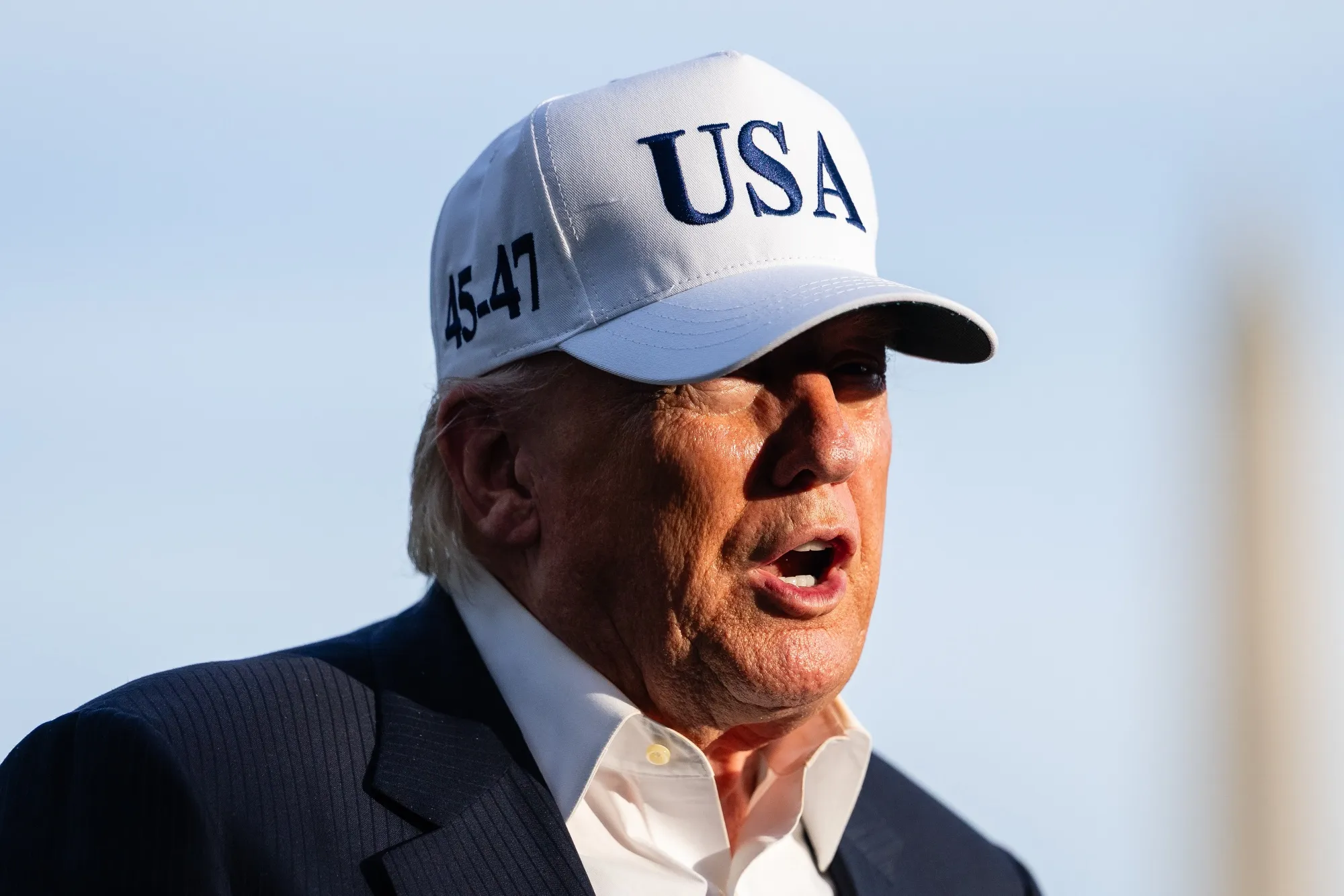
Trump himself has previously criticized Nigerian authorities for failing to adequately protect Christian communities facing violence from Islamist militants. Those comments generated controversy at the time, with some observers accusing him of oversimplifying the conflict, while supporters argued he was drawing attention to serious human rights concerns.
Now, with the death of al-Minuki, Trump appears eager to present the operation as evidence that stronger military coordination can produce significant results.
Why Terrorism in Africa Is Becoming Harder to Ignore
For years, conflicts in Africa often received far less international media coverage than wars in Europe or the Middle East. However, security experts increasingly warn that this lack of attention has allowed extremist organizations to quietly strengthen themselves.
Groups linked to ISIS and al-Qaida have adapted their strategies by focusing on local grievances, weak governments, and underdeveloped regions where economic frustration runs high. Instead of attempting to build a centralized “caliphate” like ISIS once tried in Syria and Iraq, many African affiliates now operate through decentralized insurgencies.
This makes them difficult to eliminate entirely.
Militant organizations can retreat into remote regions, cross porous borders, and blend into vulnerable communities. Even when senior leaders are killed, replacement figures often emerge quickly.
That is why some analysts caution against viewing operations like the killing of al-Minuki as a complete victory. While the mission may disrupt ISIS operations temporarily, experts say the broader conditions fueling extremism still remain.
Poverty, corruption, unemployment, political instability, and weak infrastructure continue creating environments where extremist recruitment can flourish.
At the same time, the humanitarian consequences of these conflicts remain severe. Millions of civilians across parts of Africa face displacement, food insecurity, and violence connected to ongoing insurgencies.
Could This Impact ISIS Operations Globally?
Counterterrorism experts believe removing senior ISIS leadership figures can weaken communication networks and operational planning. Leaders like al-Minuki often serve as coordinators between regional cells, financiers, recruiters, and field commanders.
If intelligence reports accurately reflected his level of influence, his death could temporarily disrupt ISIS-linked operations across parts of West Africa.
However, experts also note that ISIS has historically shown resilience after leadership losses. Following the deaths of several top commanders in Iraq and Syria over the years, the organization repeatedly reorganized and adapted.
The broader concern among Western security agencies is that Africa may now represent the next major stage in ISIS evolution.
Some analysts warn that if extremist groups continue expanding influence across unstable regions, they could eventually develop stronger international operational capabilities, including threats beyond the continent itself.
This explains why the United States and several European governments have increased counterterrorism focus on African insurgencies in recent years.
Nigeria’s Long Battle Against Extremism
Nigeria has spent more than a decade battling insurgent violence that has devastated communities and strained military resources. Boko Haram alone became infamous globally after mass kidnappings, attacks on schools, and brutal assaults targeting civilians.
Although Nigerian forces have achieved some victories over the years, extremist violence has continued through splinter groups and ISIS-affiliated factions.
Security challenges are further complicated by Nigeria’s geography, population size, economic inequality, and regional instability surrounding its borders.
The country’s military has faced criticism at times regarding equipment shortages, intelligence failures, and civilian protection concerns. Yet Nigerian forces also continue operating under enormous pressure while confronting one of Africa’s most persistent insurgency threats.
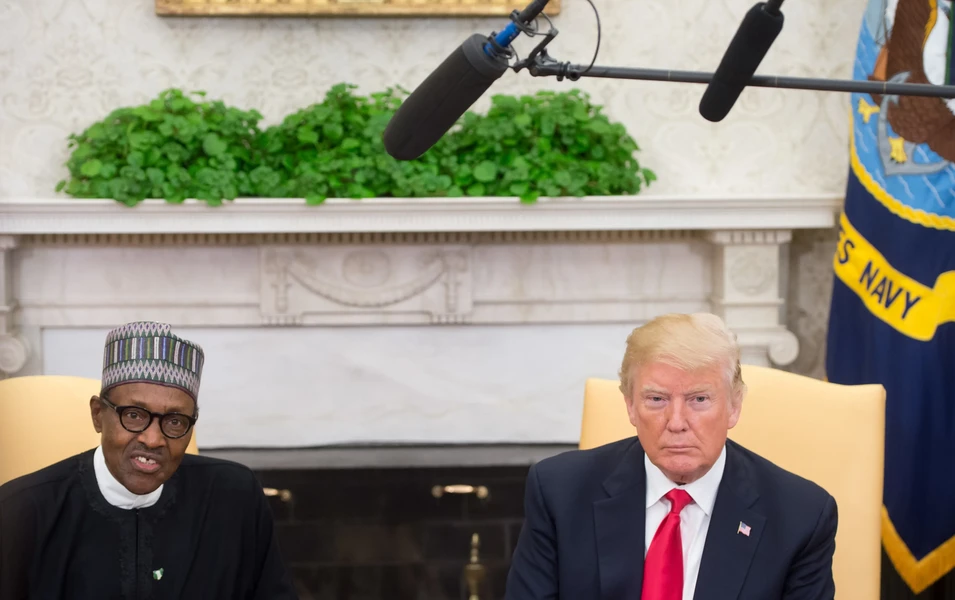
Trump’s public praise of Nigerian military cooperation may strengthen diplomatic security ties between both countries moving forward.
At the same time, some observers believe the operation signals that African counterterrorism partnerships will become increasingly important for future U.S. foreign policy strategies.
The Bigger Picture Behind the Operation
The killing of Abu-Bilal al-Minuki is more than just another headline about a terrorist leader being eliminated. It reflects a much larger shift in global security dynamics.
For years, much of the world associated terrorism primarily with the Middle East. Today, however, extremist violence in Africa is becoming one of the defining international security challenges of the modern era.
The operation also demonstrates how intelligence cooperation, drone surveillance, and multinational military partnerships are shaping modern counterterrorism efforts. Rather than massive troop deployments, governments increasingly rely on targeted operations supported by technology and intelligence networks.
Still, experts warn that military force alone cannot solve the deeper problems fueling extremism.
Long-term stability will likely depend on economic development, stronger governance, anti-corruption efforts, education access, and rebuilding trust within vulnerable communities affected by conflict.
For now, though, Trump’s announcement has once again placed Africa’s growing terrorism crisis into the global spotlight. Whether the death of al-Minuki significantly weakens ISIS operations remains uncertain, but the operation underscores one reality many security analysts have been warning about for years: the fight against extremist groups is far from over, and Africa may increasingly become the center of that battle in the years ahead.