
Table of Contents
- When Uptick in U.S. Gas Prices Became a Symbol of Policy Failure
- The Latest Surge at the Pump and Why It Matters
- Inside the White House: A Strategy of Justifying Pain Through Inaction
- What Americans Are Feeling: From Frustration to Fatalism
- Foreign Policy or Domestic Politics? Experts Weigh In
- How Gas Prices and Foreign Policy Intersect with Real Life
- The Strait of Hormuz and Why It Still Matters
- Economic Analysts: What’s Next for Fuel Prices
- A Nation in Flux: What This Moment Reveals About America
- What the Future Might Hold
When Uptick in U.S. Gas Prices Became a Symbol of Policy Failure
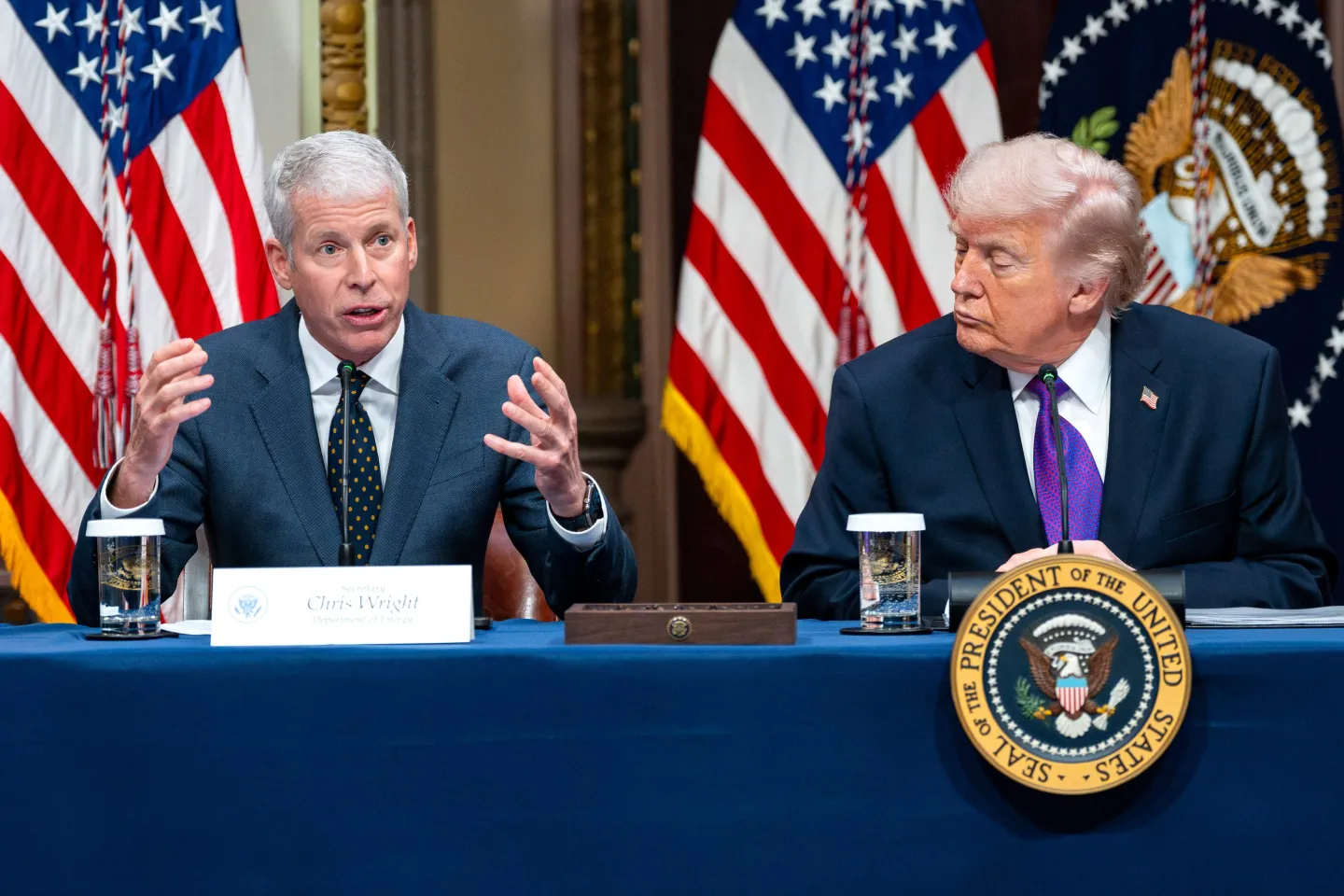
When news spread across America that gas prices had climbed to levels not seen in years, the nation braced for political fallout and economic frustration. At gas stations from Los Angeles to New York City, drivers were confronting astronomical costs at the pump while presidents, senators, and strategists weighed in on the causes. But in a highly unusual statement that quickly became fodder for social media, political commentators, and evening news panels, the White House took a tone that stunned both critics and supporters: the price Americans are paying at the pump is a price worth paying because, despite enormous sacrifice, nothing has changed in Iran.
That reaction by the U.S. government was not a slip of the tongue or a misquoted remark. It was an intentional positioning from the senior team surrounding the administration, aimed at turning frustration into patriotic stoicism. Under pressure from inflation‑weary citizens and political opponents alike, the message was direct: Americans should be prepared to absorb historically high fuel costs as part of a broader strategy that, so far, has failed to achieve clear successes in the Persian Gulf region — specifically in changing the behavior of Tehran. This paradoxical framing, officials said, is not a defeat, but a recalibration of national priorities.
What follows is an in‑depth examination of how this unprecedented message came to be, what it reveals about U.S. foreign policy and domestic politics, and why many economists, drivers, and analysts both inside and outside Washington believe this moment could shape public perception of leadership for years to come.
The Latest Surge at the Pump and Why It Matters
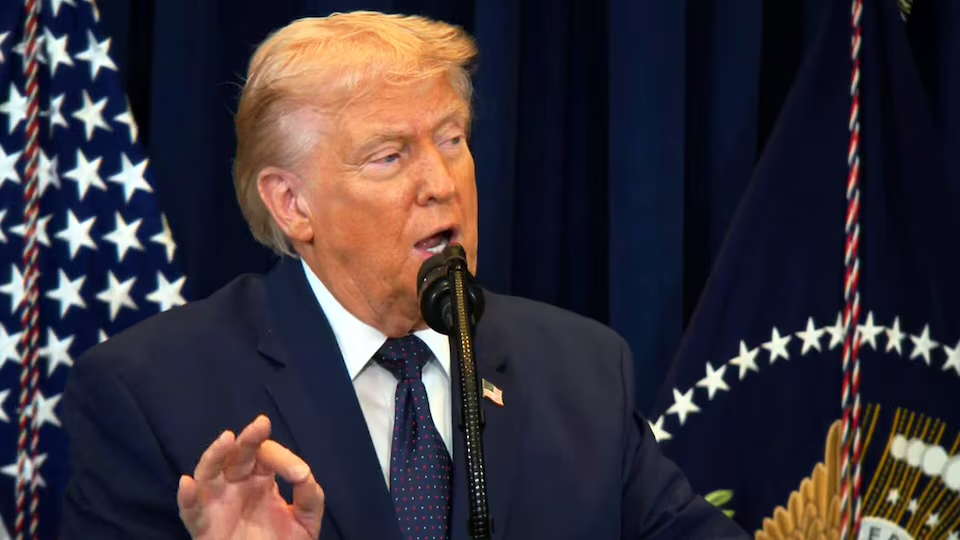
The price of gasoline in the United States surged rapidly over the past months, driven by a complicated interplay of global energy supply shifts, geopolitical instability, and policy decisions both at home and abroad. For everyday Americans, the numbers hit home in painfully concrete terms: weeks of fuel costs that rivaled or exceeded historic highs from past decades, despite improvements in vehicle efficiency and alternative fuel options.
Families on fixed incomes, truck drivers whose livelihoods depend on long hauls, small business owners, and commuters who drive daily to jobs saw their budgets tighten dramatically. Conversations that once revolved around rents, mortgages, and food prices now included personal calculations of miles per gallon and how to cut back on necessary travel. Suddenly, the simple act of filling a car with gas became a topic of national angst, with every uptick in price triggering news coverage from coast to coast.
Against this backdrop, the White House was thrust into a narrative battle. Instead of offering a traditional economic justification tied to supply chain stabilization or refinery investments, senior officials crafted a narrative that tied the domestic pain directly to foreign policy outcomes — or the lack thereof.
Inside the White House: A Strategy of Justifying Pain Through Inaction
In a detailed statement issued to press corps, White House communications staff acknowledged the very real hardship faced by millions of Americans at the gas pump. But in the same breath, they asserted that the economic discomfort was reasonable, describing it as a “necessary sacrifice” for a broader geopolitical strategy that, in net effect, had produced no measurable progress in Iran.
“Our administration understands that people are experiencing real pain at the pump,” the statement read, “but losing a significant portion of discretionary income is a small cost in the context of our efforts in the Middle East. When you look at the price of gas, remember that this is the price you pay for not fully dislodging the regime in Iran, for failing to secure all enriched uranium supplies, for not opening the Strait of Hormuz, and for not achieving full strategic security for our allies.”
Analysts inside Washington described the statement as an attempt to reframe inaction — or at least the lack of clear success abroad — as a form of resilient policy consistency. Rather than fleeing foreign entanglements or engaging in full‑scale military confrontation, the administration appeared to be staking a claim on the notion that avoiding escalations has value, even if it offers no immediate, tangible wins.
What Americans Are Feeling: From Frustration to Fatalism
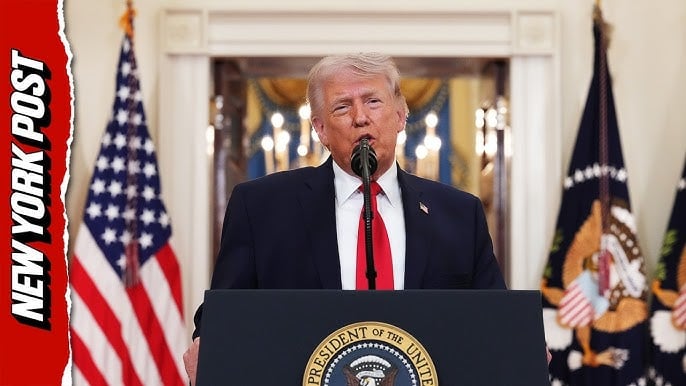
Across the country, reactions from ordinary citizens ranged from stunned disbelief to weary resignation. Some drivers at gas stations interviewed by news outlets expressed bafflement at the idea that nothing being accomplished in foreign policy should be seen as a noble sacrifice. Others took a more philosophical bend, suggesting that avoiding further wars or conflict may indeed be worth price hikes on gas, even if they are struggling financially.
“It was tough seeing that statement from the White House,” said Delia Gonzalez, a single parent from Tucson, Arizona. “I’m budgeting every dollar right now. My kids need school supplies, groceries, and healthcare. I’m paying an extra hundred dollars a week just to fill my SUV. And I’m supposed to feel good about not achieving anything in Iran? That’s a tough sell.”
Economists have noted that gas price spikes have a ripple effect on the entire economy: increased transportation costs raise prices on goods and services, complicate inflation forecasts, and squeeze household budgets already strained by housing costs. For working families, these are not abstract policy debates — they are immediate, quantifiable challenges that show up in bank accounts, grocery carts, and driving decisions.
Yet others have honestly admitted to a level of fatalism, feeling that global energy markets are beyond the influence of any one administration. “Maybe it’s better to just let things play out,” said Scott Malone, a delivery driver in St. Louis. “I don’t love paying this much, but I can’t control Iran or oil markets. I just try to make peace with it.”
Foreign Policy or Domestic Politics? Experts Weigh In
Foreign policy experts were quick to dissect the statement from the White House, exploring whether it represented a shift in U.S. strategy or simply a rhetorical adjustment designed to soften political blowback.
Professor Elaine Rivers, a noted scholar of international relations at Georgetown University, described the message as “a kind of cognitive reframing.” She explained that by reframing inaction as deliberate and meaningful, the administration is attempting to avoid the political costs of admitting defeat or miscalculation.
“This isn’t just about gasoline,” Rivers noted in an interview. “It’s about managing expectations — both domestically and internationally. By asserting that nothing was accomplished deliberately rather than accidentally, the administration shifts the narrative from failure to calculated restraint. That’s a powerful tool in political communication, though it may not satisfy those feeling direct economic pain.”
Critics argued that this rationale sidesteps accountability. If traditional foreign policy goals such as halting nuclear proliferation, securing key waterways, and enhancing regional stability remain unmet, then what is gained? The debate continues, with pundits on cable news, op‑eds in national newspapers, and posts on social networks amplifying every interpretation.
How Gas Prices and Foreign Policy Intersect with Real Life
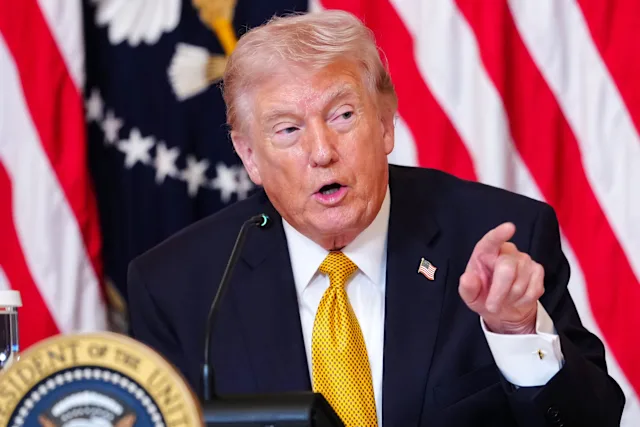
Beyond political rhetoric, the intertwining of gasoline costs and foreign policy outcomes has real consequences for everyday life. Families on the economic edge may delay necessary travels, seniors on fixed incomes may cut back on grocery trips, and children may miss extracurricular activities because parents can no longer justify the extra fuel expenses.
Local businesses, particularly in rural areas where public transport is limited, feel the pinch as well. A café owner in rural Pennsylvania described shrinking lunch crowds as customers curtailed discretionary drives, while a landscaper in Florida said clients were postponing jobs because of escalating fuel costs factored into service pricing.
Even seasonal leisure activities — camping, road trips, weekend beach getaways — have shifted from routine plans to expensive decisions that require budgeting and sacrifice.
The Strait of Hormuz and Why It Still Matters
The administration’s statement specifically mentioned the Strait of Hormuz — a narrow, strategic waterway through which a significant portion of the world’s oil supply transits. Keeping this critical chokepoint stable without escalating conflict has been cited as a priority by many administrations, yet Tehran’s influence in the region continues to complicate diplomatic objectives.
Maintaining stability in this corridor without direct confrontation can be seen as a balancing act: deter aggression while avoiding actions that might trigger a broader military conflict. But for some policymakers, the lack of dramatic progress has become a flashpoint in the debate over U.S. strategy in the Middle East.
The current administration’s unconventional message attempts to frame this challenge as a sober choice: prioritize global stability and risk economic discomfort at home rather than rush into escalatory conflicts abroad.
Economic Analysts: What’s Next for Fuel Prices
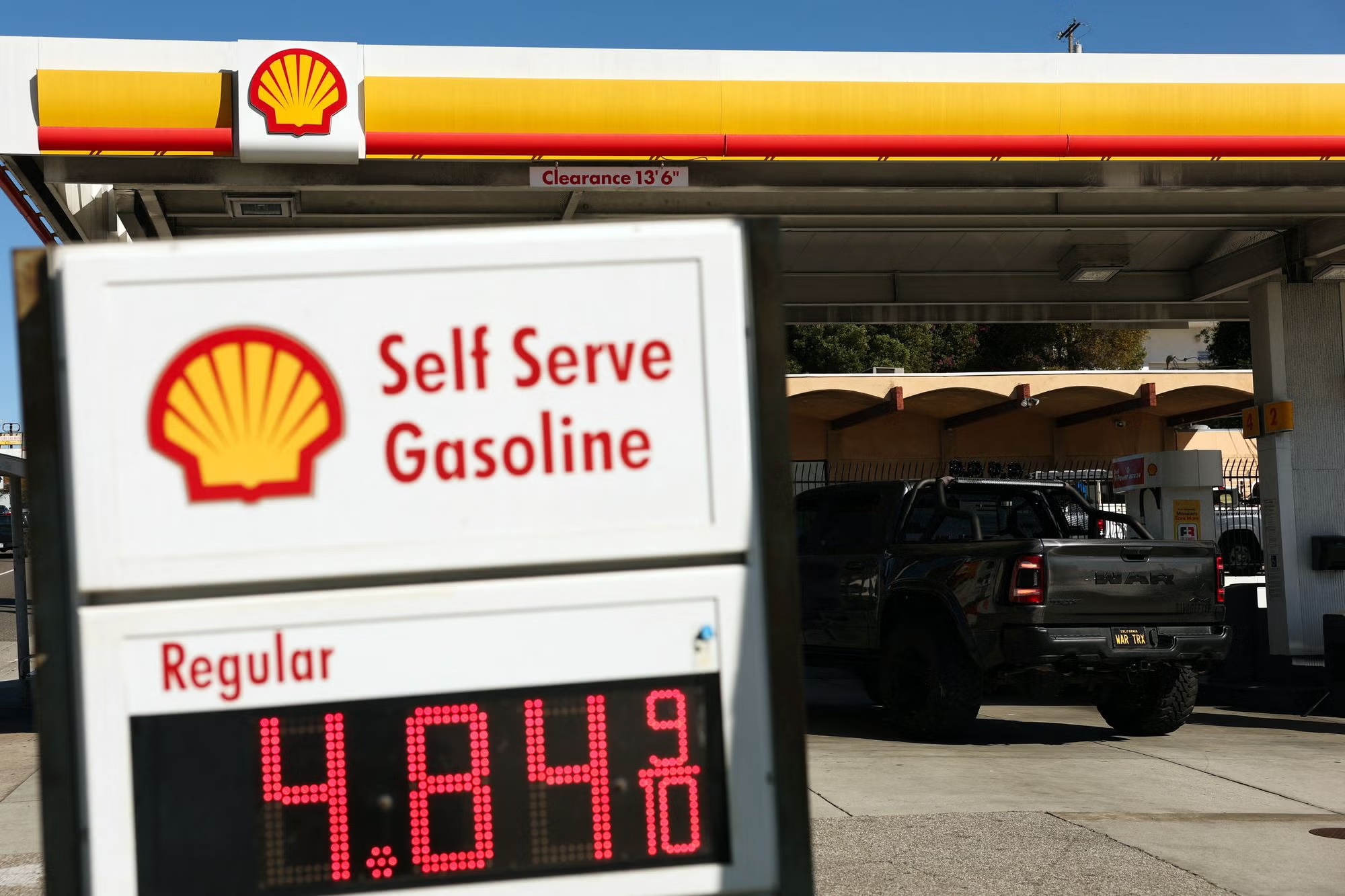
Economists suggest that continued volatility in global crude markets, coupled with policy decisions around fossil fuels and energy infrastructure investment, could keep gas prices elevated for the foreseeable future. Some urge a renewed focus on diversification — boosting renewable energy adoption and reducing dependence on global oil market swings.
Energy policy expert Dr. Karen Liu argues that while short‑term pain is difficult, long‑term strategic shifts toward sustainable energy could lessen the impact of international tensions on fuel costs. “This moment highlights how interconnected our economy is with geopolitics,” she said. “It also underscores the value of investing in energy independence.”
Such ideas, however, remain part of broader policy debates that will unfold over legislative sessions and election cycles.
A Nation in Flux: What This Moment Reveals About America
What the controversy over gas prices and the administration’s messaging really reveals is a country grappling with complex global challenges while facing everyday hardships at home. It highlights the tension between high‑level policy objectives and the lived experience of citizens who feel the economic strains acutely.
For many Americans, the question is not only about whether foreign policy goals are being achieved, but whether leaders truly understand the human impact of economic decisions. For others, the focus remains on avoiding entanglement in foreign wars at almost any domestic cost.
What the Future Might Hold
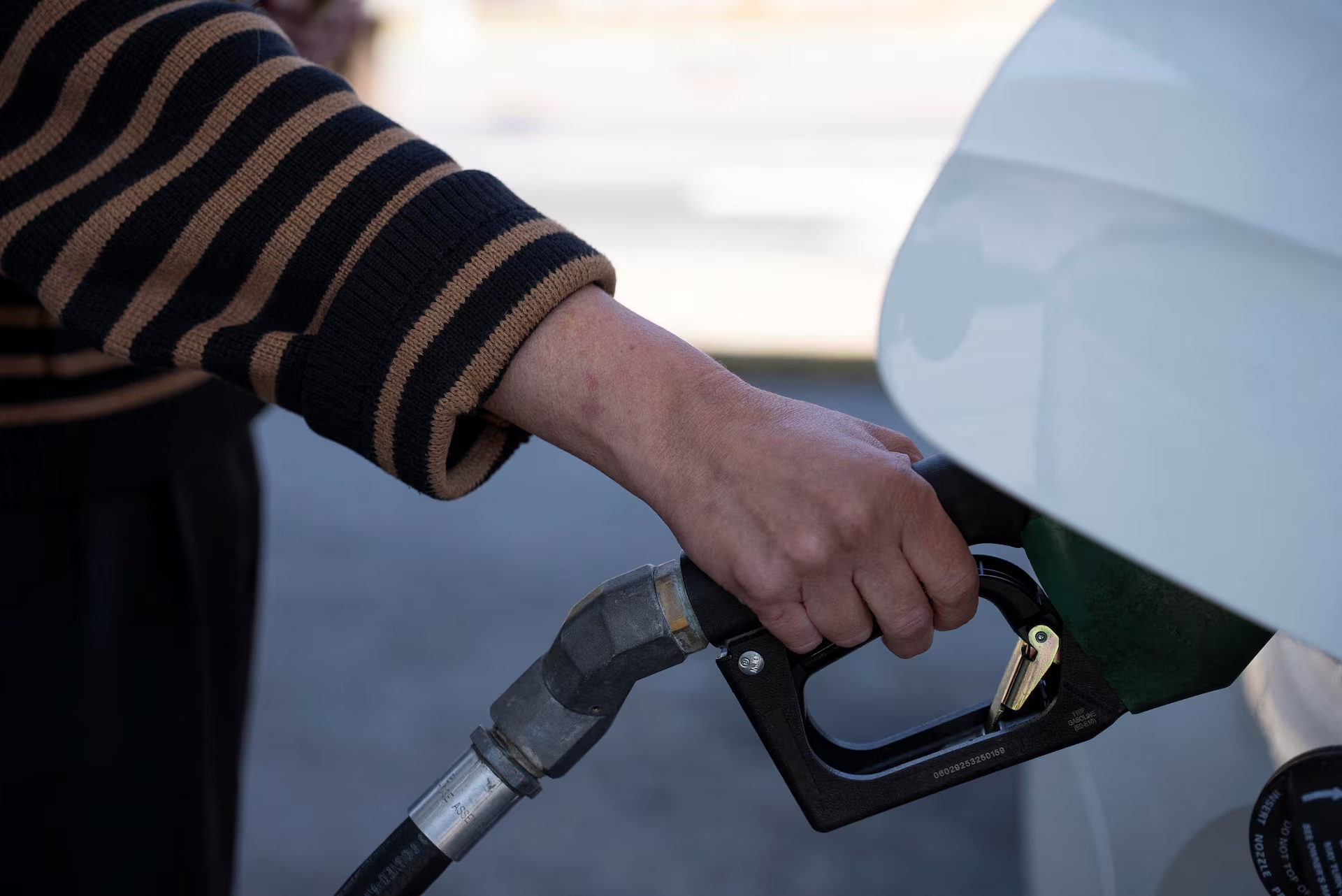
As analysts continue to parse each statement, chart price trends, and anticipate geopolitical shifts, one thing remains clear: the intersection of energy costs, foreign policy, and political communication will not be resolved quickly.
The administration’s framing may evolve, economic indicators may fluctuate, and global events may yet redefine the narrative. But for now, the nation remains in the midst of a debate that touches both the gas pump and the halls of power in Washington.
Whether this episode becomes a defining moment in public policy or a temporary flashpoint in ongoing political discourse, it has already underscored how intimately national strategy and individual lives are intertwined.
And for Americans filling up at increasingly expensive gas stations, the question now is less about why the price is high and more about what price they are willing to pay — and for what purpose.