
Table of Contents
- When Jeff Bezos’ Comments About Billionaire Taxes Set Off a National Debate on Economic Inequality
- Who Jeff Bezos Is and Why His Words Carry Weight
- The Comments That Sparked Controversy
- The Political Pushback From New York Leaders
- Understanding the Case for Taxing the Wealthy
- The Counterpoint: Why Some Argue Higher Taxes Don’t Fix Root Problems
- What Experts Say About Tax Revenue and Public Impact
- Why Income Inequality Remains a Central Political Issue
- How This Debate Shapes Future Policy Directions
- Reflecting on the Future of American Economics
When Jeff Bezos’ Comments About Billionaire Taxes Set Off a National Debate on Economic Inequality
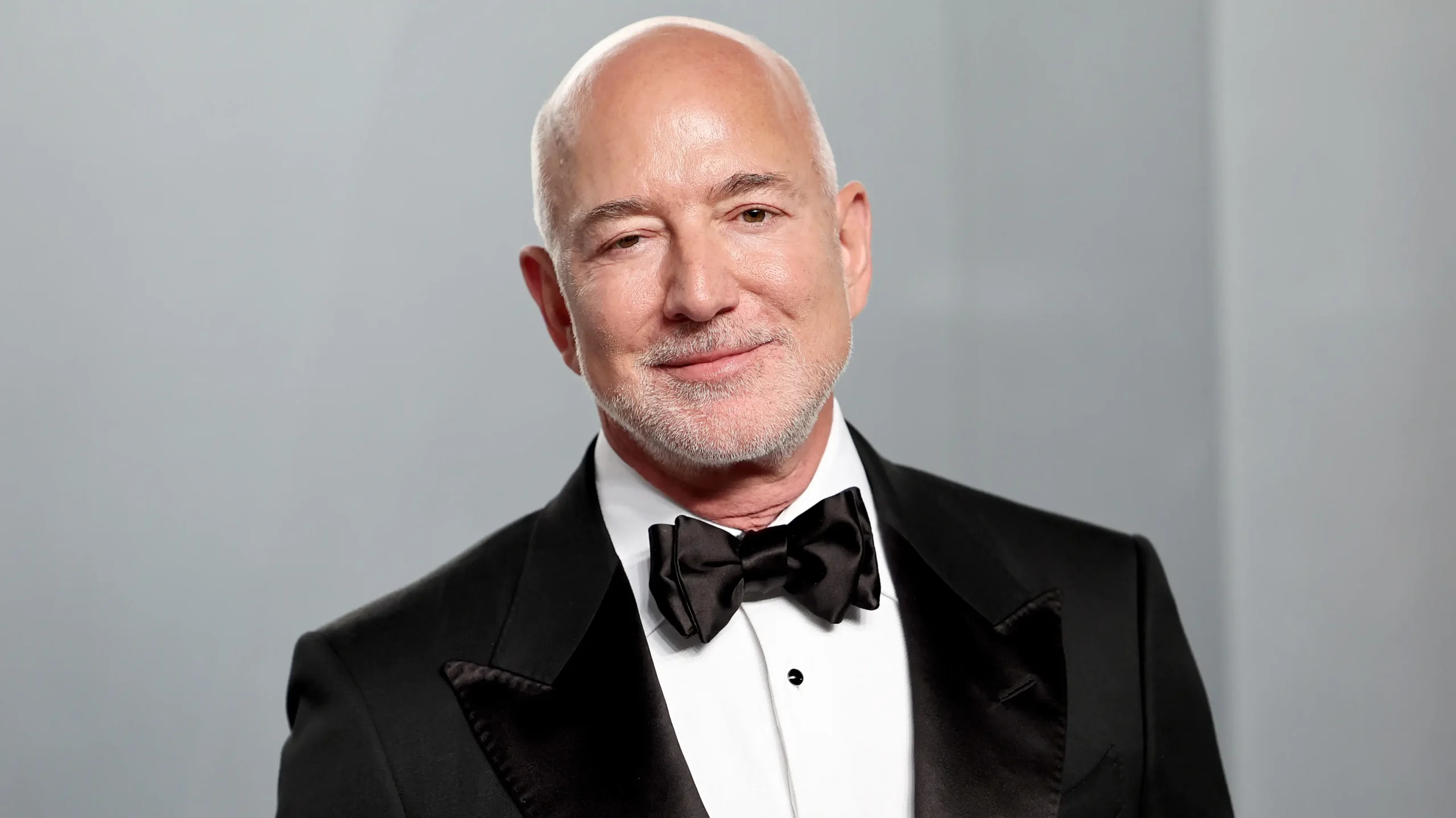
When news broke that Jeff Bezos, one of the world’s richest individuals, publicly declared that raising taxes on billionaires would not uplift average Americans, the financial and political worlds paid close attention. Speaking in a televised interview, Bezos’ remarks ignited a heated debate about wealth, fairness, public policy, and how best to address income inequality in the United States. His comments came at a moment of fierce scrutiny over tax policy, with some local leaders, including New York City Mayor Zohran Mamdani, pushing for higher taxes on high‑income individuals and property owners. What followed was a cascade of responses from both supporters and critics, turning a routine media appearance into a flashpoint in the ongoing conversation about the role of wealth in modern economies.
Bezos’ argument was straightforward yet controversial: according to him, burdening billionaires with higher taxes would not materially change the lives of teachers, nurses, or everyday workers struggling with inflation, healthcare costs, housing prices and stagnant wages. What he proposed instead was a broader look at structural economic challenges facing many families — a perspective that tapped into long‑standing tensions between wealth accumulation, social responsibility, and government intervention. His stance, however, collided with the views of politicians and activists who believe that increased taxation on the ultra‑wealthy is an essential tool to fund public services and create a more equitable society.
In the sections that follow, we examine Bezos’ comments, the policy arguments behind and against billionaire taxes, reactions from political leaders and economists alike, and what this debate could mean for the future of American economic policy.
Who Jeff Bezos Is and Why His Words Carry Weight
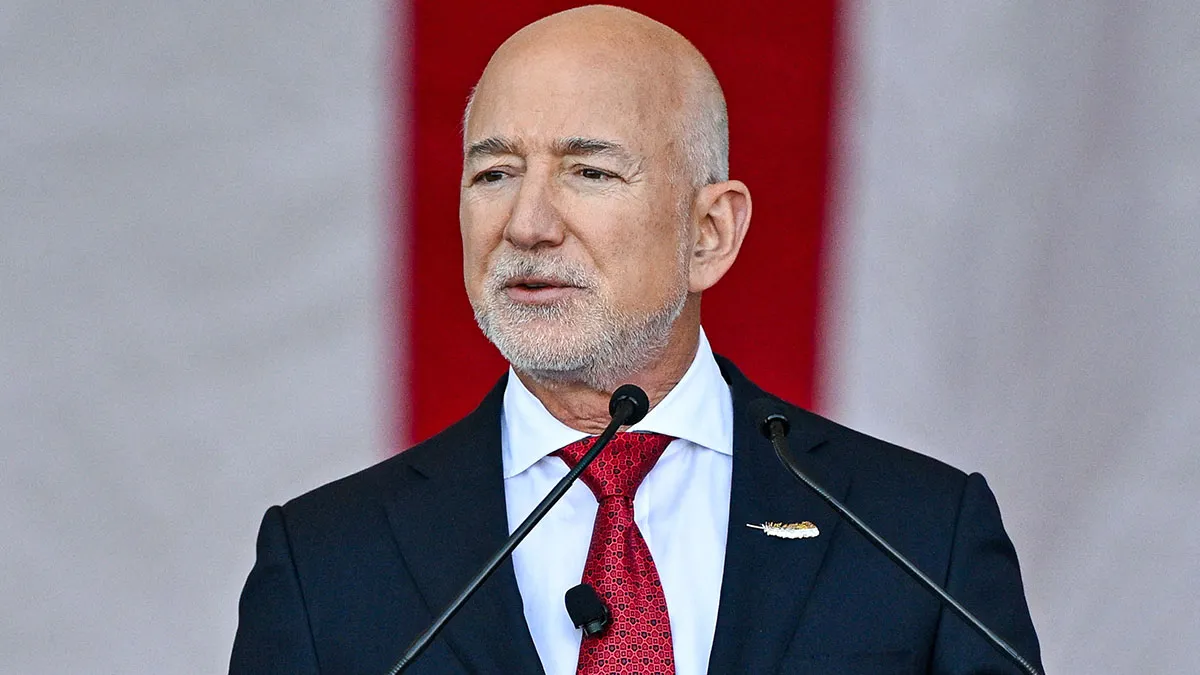
Jeff Bezos is widely known as the founder of Amazon, one of the world’s largest and most influential corporations. Over decades of building, expanding, and evolving the company, he also became one of the richest people on the planet, with an estimated net worth that routinely places him among the top five globally. His influence extends beyond e‑commerce into areas such as space exploration through his aerospace company, investments in media through the ownership of a major newspaper, and ventures in emerging technologies.
When someone of Bezos’ stature speaks about taxes, inequality, or public policy, his words carry outsized attention. To supporters, he is a visionary entrepreneur who created unprecedented economic value. To critics, he represents the extremes of wealth concentration that many believe harm democratic societies and foster inequality.
In this particular conversation, Bezos positioned himself not just as a business leader but as a commentator on public policy, offering insights into what he thinks will — and will not — improve economic conditions for average Americans. His framing sparked immediate attention because tax policy is at the core of political debates about social programs, infrastructure funding and long‑term economic resilience.
The Comments That Sparked Controversy
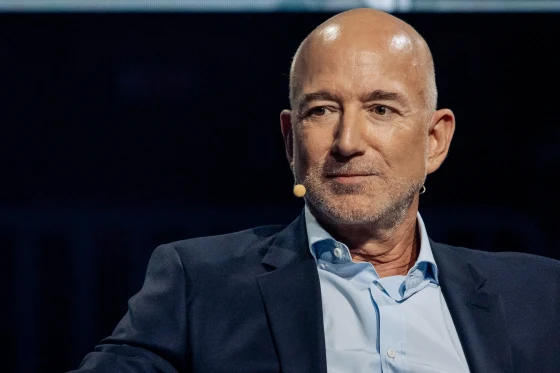
In the interview that triggered widespread discussion, Bezos was asked point‑blank whether taxing billionaires more would help ordinary Americans. His response was unequivocal: even doubling the amount he personally pays in taxes, he said, would not translate into real gains for a teacher in Queens, New York, or similar working families across the country.
“You could double the taxes I pay, and it’s not going to help that teacher in Queens, I promise you,” Bezos said, encapsulating his central argument in a single, provocative statement. He argued that while income inequality is real and concerning, the solution does not lie simply in extracting more from the ultra‑wealthy. Instead, he suggested that structural problems require a broader set of economic policies aimed at strengthening middle‑class wages, expanding opportunity, and alleviating the high cost of living.
Bezos went further to suggest that political leaders often exploit public frustration by pointing fingers at wealthy individuals, using them as convenient villains in broader debates about complex economic challenges. This narrative — he claimed — distracts from addressing issues such as workforce development, education access, and healthcare affordability.
His perspective, while not new in economic discourse, was notable both for its bluntness and for the contrast it presented with current political pushes for more progressive taxation at local and federal levels.
The Political Pushback From New York Leaders
Jeff Bezos’ comments did not go unanswered. New York City Mayor Zohran Mamdani, known for his efforts to expand tax revenues through higher levies on wealthy residents and property owners, responded directly to Bezos’ assertions on social media. In a post that quickly drew attention, Mamdani quipped that he “knows a few teachers in Queens who would beg to differ” with Bezos’ claim about the impact of taxes.
Mamdani’s response reflected a broader ideological clash: while Bezos framed the potential utility of billionaire taxation as marginal in terms of direct impact, Mamdani and like‑minded leaders argue that progressive taxation — when implemented thoughtfully — can fund critical public services, infrastructure and community programs that tangibly improve everyday life.
The mayor’s advocacy for heightened taxation on wealth and property — including proposed policies targeting owners of high‑value residential units that do not serve as primary residences — underscores the depth of the policy divide. In cities like New York, where income and wealth disparities are stark and cost‑of‑living pressures high, calls for redistributive tax measures have grown louder, especially among progressive policymakers.
This public clash between one of the richest private citizens in the world and elected officials fighting for tax reform laid bare the philosophical debate at the heart of American politics: should the wealthy bear a larger share of the fiscal burden, and if so, how can that revenue be used to promote greater equality and prosperity?
Understanding the Case for Taxing the Wealthy
Supporters of higher taxes on the ultra‑wealthy base their arguments on several interconnected points grounded in economic theory, public finance, and notions of social justice. First, they observe that wealth concentration in the hands of a small fraction of the population has never been higher in modern history, raising concerns about economic mobility and fair access to opportunity.
Second, proponents believe that progressive taxation — where higher earners pay a larger percentage of their income or wealth in taxes — can help finance essential public services without unduly burdening low‑ and middle‑income households. Funds raised through such taxes might be allocated to education, healthcare, affordable housing, infrastructure and social safety net programs, proponents argue, all of which contribute to a stronger, more equitable society.
Economists in favor of these policies also point out that the very richest citizens benefit disproportionately from financial systems, legal structures, and public investments that support market stability and corporate growth. In their view, requiring higher contributions from those who benefit most is not just fair but fiscally sensible.
These arguments resonate strongly with many Americans who feel left behind by economic growth and question why working families seem to struggle even as corporate profits and asset values soar.
The Counterpoint: Why Some Argue Higher Taxes Don’t Fix Root Problems
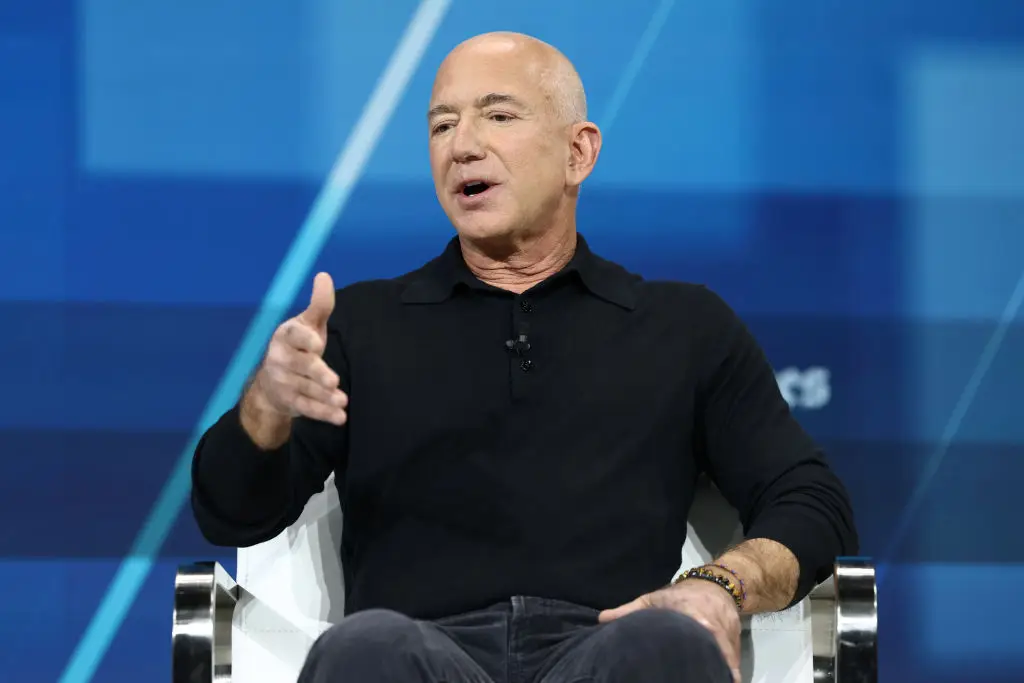
Bezos’ comments reflect one side of a longer debate about whether taxation alone can solve deep‑seated economic issues. His central contention — that taxing billionaires would not meaningfully lift teachers, nurses, or hourly workers — aligns with critics who caution against overreliance on taxation as a policy cure‑all.
This perspective views taxation as only one tool in a larger toolbox that includes investment in education, innovation, workforce training, housing development and regulatory reforms. From this vantage point, simply transferring wealth from one group to another does not inherently create jobs, lower healthcare costs, or reduce student debt. Rather, critics argue, structural economic change requires comprehensive strategies that address productivity, access, and long‑term investment in human capital.
Moreover, some economists raise concerns about potential side effects of higher taxes, such as capital flight, reduced investment incentives, or economic distortions that could slow growth. While these criticisms are contested, they illustrate that the tax‑policy debate is nuanced and multifaceted, not simply a matter of taking more from the wealthy to give to others.
Bezos’ remarks resonated with those who fear that simplistic calls for higher taxation may obscure the complexity of economic reform and the need for a multifactorial approach to growth and opportunity.
What Experts Say About Tax Revenue and Public Impact
In the broader economic conversation, tax policy scholars and public finance experts often emphasize that context matters. Revenue generation can indeed fund critical programs — but how those funds are collected, who pays them and how they are spent makes a significant difference in outcomes.
For example, taxing high incomes might generate revenue, but pairing that with investments in targeted programs for education, job training and small business support could have far more lasting effects on economic mobility than tax increases alone. Similarly, policies that reduce barriers to entry for entrepreneurs or promote competition in key sectors may stimulate growth more effectively than tax reforms alone.
Data points often cited in these discussions illustrate the complexity of the tax landscape. Some studies show that the top one percent of taxpayers contribute a large share of federal tax revenue, reflecting both progressive tax structures and high incomes among that elite group. However, critics of current tax codes argue that loopholes and preferential treatments can undermine the potential benefits of higher rates if not carefully designed.
This landscape complicates the debate: while higher taxes on the wealthy might raise significant revenue, the net effect on everyday citizens depends on how those funds are invested, how efficiently they are deployed, and whether the broader economic environment supports growth and inclusion.
Why Income Inequality Remains a Central Political Issue
Income and wealth inequality have become defining political and economic concerns in the United States and many other developed economies. The gap between average wages and CEO compensation, home prices and wage growth, and corporate profits and worker productivity has widened over decades, leading to a sense among many citizens that the American Dream is slipping out of reach.
This perception fuels the urgency behind debates over tax reform, wage policies, healthcare affordability and education access. Whether one sides with Bezos’ argument that billionaire taxes are insufficient or with progressive leaders who see taxation as essential, the underlying concern is shared: many Americans feel economic progress has not been broadly shared.
Polling data and public sentiment surveys frequently show strong support for policies aimed at reducing inequality, even if there is disagreement on specific mechanisms. The debate reflects broader questions about economic philosophy, social responsibility, and the role of government in shaping opportunities for citizens across the income spectrum.
How This Debate Shapes Future Policy Directions
The clash between Bezos’ public statements and political responses from leaders like Mayor Mamdani signals a deep divide in how Americans approach economic reform. As policymakers at local, state and federal levels consider tax proposals, property levies, and incentives for businesses, the narrative around wealth, fairness and economic growth will remain central.
In urban centers where disparities are especially visible, political pressure for progressive taxation and targeted investment in public services will likely intensify. Conversely, voices warning against oversimplified solutions will continue to highlight structural reforms, innovation policies, and incentives for private sector growth.
This debate will shape election campaigns, legislative efforts, and public discourse for years to come, illustrating that the question of who pays taxes, and how those taxes translate into public value, is far from settled.
Reflecting on the Future of American Economics
In the end, the conversation sparked by Jeff Bezos’ remarks underscores how economic policy debates are layered with philosophical, practical and emotional dimensions. While taxes on the wealthy are one piece of the puzzle, they intersect with broader questions about economic growth, social mobility and collective investment in community well‑being.
Bezos’ perspective — that taxing billionaires alone won’t solve core problems — may resonate with those who see structural complexity. At the same time, leaders advocating for progressive tax reforms highlight the very real struggles many citizens face and the urgency of redistributive measures.
What is clear from this debate is that there are no simple answers. The future of public policy will likely continue to balance competing priorities: fostering innovation, ensuring fair opportunity, funding essential services, and building an economy that works for the many rather than for only a fortunate few.
As this national conversation unfolds, one thing remains certain: discussions about wealth, taxation and fairness will continue to shape the political landscape and influence how Americans imagine their economic future.