

Table of Contents
- When News Broke That Ireland Had Served Pork to Muslim Deportees and Sparked National Outrage
- The Flight That Put Ireland in the Spotlight
- Human Rights Monitor: ‘Inappropriate’ Food Choice
- The Cultural and Religious Implications
- Cost, Oversight and the Broader Deportation Programme
- Reactions From Officials and Government Agencies
- Human Rights Advocates Sound the Alarm
- Why This Matters in a Broader Social Context
- Lessons and Implications for Future Deportation Flights
- Conclusion
When News Broke That Ireland Had Served Pork to Muslim Deportees and Sparked National Outrage
When it emerged in mid‑May that a chartered deportation flight from Ireland to Pakistan served pork‑based meals to Muslim men in custody, the story quickly ignited controversy and widespread debate about cultural sensitivity, government policy and how deportation operations are handled. Details from a government‑appointed human rights monitor’s report revealed that 24 Pakistani men — mostly failed asylum seekers being returned to their home country — were provided a traditional Irish breakfast including pork sausages and other pork products despite traveling to a Muslim‑majority nation with strict dietary norms. In a climate where immigration enforcement is already politically charged, this incident has underscored deeper questions about dignity, respect and procedural oversight in state‑organised deportations. What follows is a detailed look at how this situation unfolded, the criticisms it has prompted, responses from officials and human rights observers, and what it could mean for future deportation practices.
The Flight That Put Ireland in the Spotlight
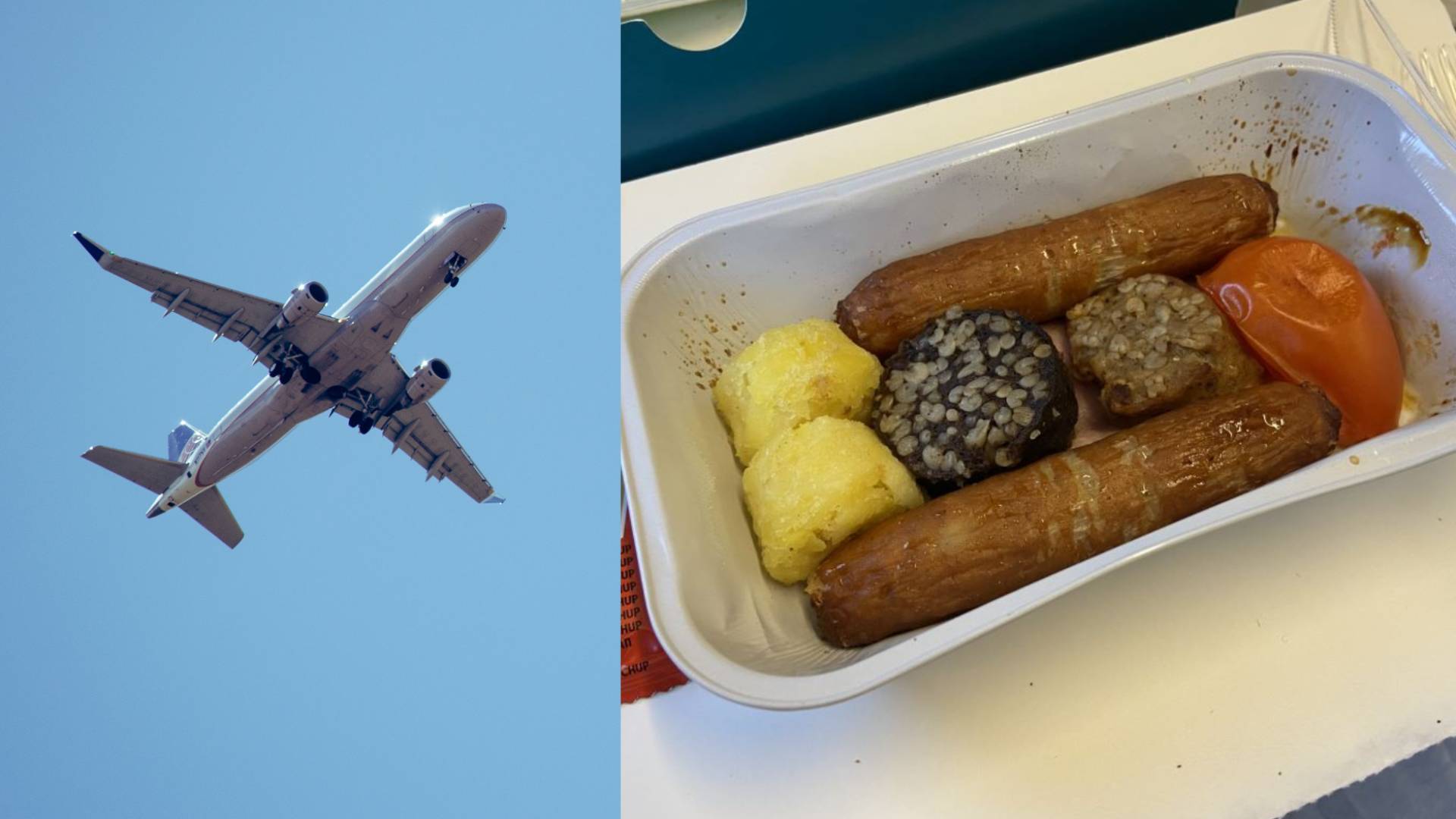
On 23 September 2025, an Airbus A330 chartered by the Irish government departed from Dublin with 24 adult men onboard, bound for Islamabad, Pakistan. These individuals were classified as failed asylum seekers and some had criminal records, part of a broader effort by Irish authorities to strengthen enforcement of deportation orders during that year. Officials from the Department of Justice appointed a human rights monitor to observe the operation, which also included escorts from An Garda Síochána (the Irish police), medical staff and an interpreter.
During the flight, passengers were served two meals, including a traditional Irish breakfast that prominently featured pork sausages — a food item strictly prohibited under Islamic dietary laws and deeply sensitive to the religious beliefs of Muslim individuals. What human rights monitors later described as a “full Irish breakfast” included items such as bacon, black pudding and pork sausages, none of which align with halal dietary requirements.
This oversight quickly captured headlines once details of the flight’s catering arrangements were made public months later, triggering criticism that the deportation operation showed a lack of basic cultural and religious awareness at the highest levels of immigration policy implementation.
Human Rights Monitor: ‘Inappropriate’ Food Choice
According to the monitoring report obtained under Freedom of Information laws, the quality of the food served was already described as below standard by accompanying Gardaí, but what amplified concern was the inclusion of pork products in the meals. Staff onboard spoke critically of the choice, labelling it “inappropriate” for a group of deportees whose likely Muslim faith and destination in a Muslim‑majority nation should have been taken into account during planning.
The human rights monitor also noted that halal options were “understood to be available” for the flight — but this requirement was not clearly specified in the flight brief provided to caterers, leading to the cultural misstep. In essence, although the possibility of providing halal meals existed, it was never formally communicated as a necessary part of the operation, and so the default menu was served instead.
Such an omission may seem minor to those unfamiliar with Islamic dietary practices, but for the detainees and observers it symbolised what critics now call a “lack of sensitivity” toward both religious beliefs and basic human dignity.
The Cultural and Religious Implications

For devout Muslims, pork is not merely a culinary choice but a religious prohibition rooted in Islamic dietary law. Serving pork to individuals from a Muslim‑majority country — especially under circumstances where they had no alternative — struck many as a profound misjudgment. While the deportees were not forced to consume the pork, its mere presence on the menu was considered insensitive and disrespectful to their beliefs.
The uproar that followed highlighted broader issues about how deportation operations are executed and whether cultural and religious considerations are sufficiently embedded within governmental procedures. For immigration enforcement to be effective while preserving basic dignity, critics argue, it must account for the human contexts of the people it affects — even when those individuals are being removed from the country. What happened on this particular flight has now become emblematic of a system that can overlook such essential details.
Cost, Oversight and the Broader Deportation Programme
Beyond cultural concerns, the controversial flight also drew attention because of how much it cost and how it fit into broader deportation efforts. The chartered Airbus A330 flight reportedly cost Irish taxpayers approximately €473,000, and formed part of a removal programme in 2025 that included multiple flights to various countries, collectively costing around €1.1 million.
Finance‑minded critics have debated whether such high expenditures are justified, especially in an era when public resources are under intense scrutiny across many sectors. The inclusion of dozens of garda escorts, medical staff and specialised monitoring personnel, lining up alongside only 24 deportees, added to the perception of disproportionate spending and raised questions about cost efficiency and the prioritisation of taxpayer funds.
The pork breakfast controversy added another layer to this scrutiny: if basic procedural elements like catering could be mishandled in such an expensive operation, what does it say about the overall oversight and professionalism of state‑led deportation flights?
Reactions From Officials and Government Agencies

Following the monitoring report and ensuing public backlash, the aviation contractor responsible for organising the flight, Air Partner, has reportedly revised its catering procedures to better accommodate cultural and religious needs on future deportation flights. This move, while welcomed by many, came only in response to the criticism — not proactively — highlighting what human rights advocates describe as a reactive rather than preventative approach to planning human‑sensitive operations.
Government sources and departmental spokespeople have emphasised that overall the flight was conducted “humanely” and with respect for the rights and dignity of the returnees, despite the criticism about the meals. The human rights monitoring report itself also noted these positive aspects, acknowledging that broader conditions onboard were generally acceptable while still flagging the catering issue as a notable misstep.
Supporters of the government’s deportation strategy argue that enforcing immigration laws — including deportation of failed asylum seekers — is a necessary component of border control and the integrity of sovereign nations. They maintain that occasional operational inefficiencies should not overshadow the core policy objectives, and that the overall treatment of deportees remains largely respectful. Critics, however, counter that such reasoning should not excuse oversights that impact religious dignity and fair treatment.
Human Rights Advocates Sound the Alarm
Civil liberties and human rights advocates have seized on the episode as an example of why cultural competence must be integral to state operations involving vulnerable populations. For them, the incident reveals deep systemic blind spots and a need for comprehensive reform in how deportation flights are planned and executed.
Concerns extend beyond mere meal choices to include the broader experiences of individuals whose lives are deeply affected by immigration enforcement. Activists emphasise that respect for religious and cultural customs should never be an afterthought — particularly in situations where people have little autonomy and are subject to state authority. In their view, failing to codify such considerations signals a disregard for human dignity and could contribute to unnecessary humiliation and distress.
Human rights groups now call for explicit protocols that require pre‑flight cultural assessments, clear briefing requirements for contractors on dietary and religious needs, and mandated oversight mechanisms to ensure that such lapses do not recur. These reforms, advocates argue, would be a crucial step toward more humane deportation practices.
Why This Matters in a Broader Social Context

The outrage over the pork meal controversy speaks to a wider cultural and political conversation about how nations manage immigration and deportation. Around the world, debates about border control, asylum policies, and the rights of migrants and refugees often become emotionally charged, and this incident landed at the intersection of complex issues: public spending, religious freedom, and human dignity.
In multicultural societies where people of many faiths live and work together, respect for religious practices is seen by many as a basic expectation rather than an optional courtesy. That an official operation could overlook something as fundamental as dietary laws has amplified calls for introspection — not just within the Irish government, but among Western nations grappling with similar challenges.
Observers note that while the intent of deportation policy may be grounded in law, the execution of such policies has very real human consequences. Ensuring cultural respect and religious sensitivity, even when enforcing difficult decisions like deportation orders, reflects a commitment to upholding human rights that many believe should be central to democratic governance.
Lessons and Implications for Future Deportation Flights
One immediate outcome of this controversy has been policy adjustments: catering briefs for future deportation flights are now expected to explicitly require halal food provision whenever passengers are being returned to Muslim‑majority countries. This change, while reactive, marks an important acknowledgement that operational protocols must reflect cultural realities.
But human rights advocates warn that meaningful reform must go well beyond meal menus. They highlight the need for comprehensive training for officials involved in deportation operations, clearer guidelines for contractors, and stronger accountability frameworks that ensure dignity and respect are not compromised in the name of bureaucratic efficiency. Key to this is institutionalising respect for human rights at every stage of immigration enforcement, rather than treating it as an optional add‑on.
There is also a broader lesson about communication within government agencies: details like dietary needs, religious customs and cultural contexts must be incorporated early in planning rather than discovered through external criticism after the fact. Many human rights observers argue that this incident should be a turning point — not just a headline — in how governments approach deportation and detention worldwide.
Conclusion
The controversy over pork served to Muslim deportees on an Irish charter flight has sparked conversations that go far beyond a simple menu choice. What might have seemed like a mundane operational detail has become a flashpoint for debates about cultural sensitivity, human dignity, public accountability and the responsibilities of governments toward the people they deport. While the Irish government and its contractors have made changes in response to criticism, the broader implications remain.
This episode underscores that immigration enforcement cannot be understood purely in administrative or legal terms. It involves real human lives, complex cultural identities and deeply held beliefs that must be respected even in the most challenging policy contexts. Whether Ireland’s reform efforts will be sufficient to prevent similar missteps in the future will be a measure not only of policy efficiency but of how societies balance enforcement with empathy and respect for human rights.