
Table of Contents
- When News Broke That a UK Radio Station Falsely Announced the Death of King Charles and Why It Matters
- How a Prepared “Death of a Monarch” Protocol Went Wrong
- Why Media Outlets Prepare for Royal Announcements in Advance
- Who Is Radio Caroline and Why Did This Happen There?
- Public Reaction: Shock, Amusement and Criticism
- The King and Queen on the Same Day as the Error
- Historical Parallels and Media Preparedness for the Death of Public Figures
- How Broadcasters Can Prevent Similar Errors
- Broader Implications for Public Trust in Media
- Lessons for Media in the Digital Age
- Conclusion
When News Broke That a UK Radio Station Falsely Announced the Death of King Charles and Why It Matters
When news broke that a British radio station had accidentally declared King Charles III dead on air, listeners across the United Kingdom and around the world were momentarily shocked, confused and alarmed. The erroneous announcement, broadcast by the long‑established station Radio Caroline on Tuesday afternoon, instantly became a viral topic, raising urgent questions about how media organisations prepare for sensitive information and the dangers posed by automation errors in a high‑stakes news environment. Following the false broadcast, the station issued an unprecedented apology to His Majesty the King, the Royal Household and its audience, reiterating the seriousness of the mistake and its commitment to restoring trust. What follows is an in‑depth exploration of the incident itself, how it occurred, the historical and technological context around pre‑prepared protocols, reactions from media experts and the public, and what this incident reveals about the challenges media organisations face in the digital age of rapid information flow.
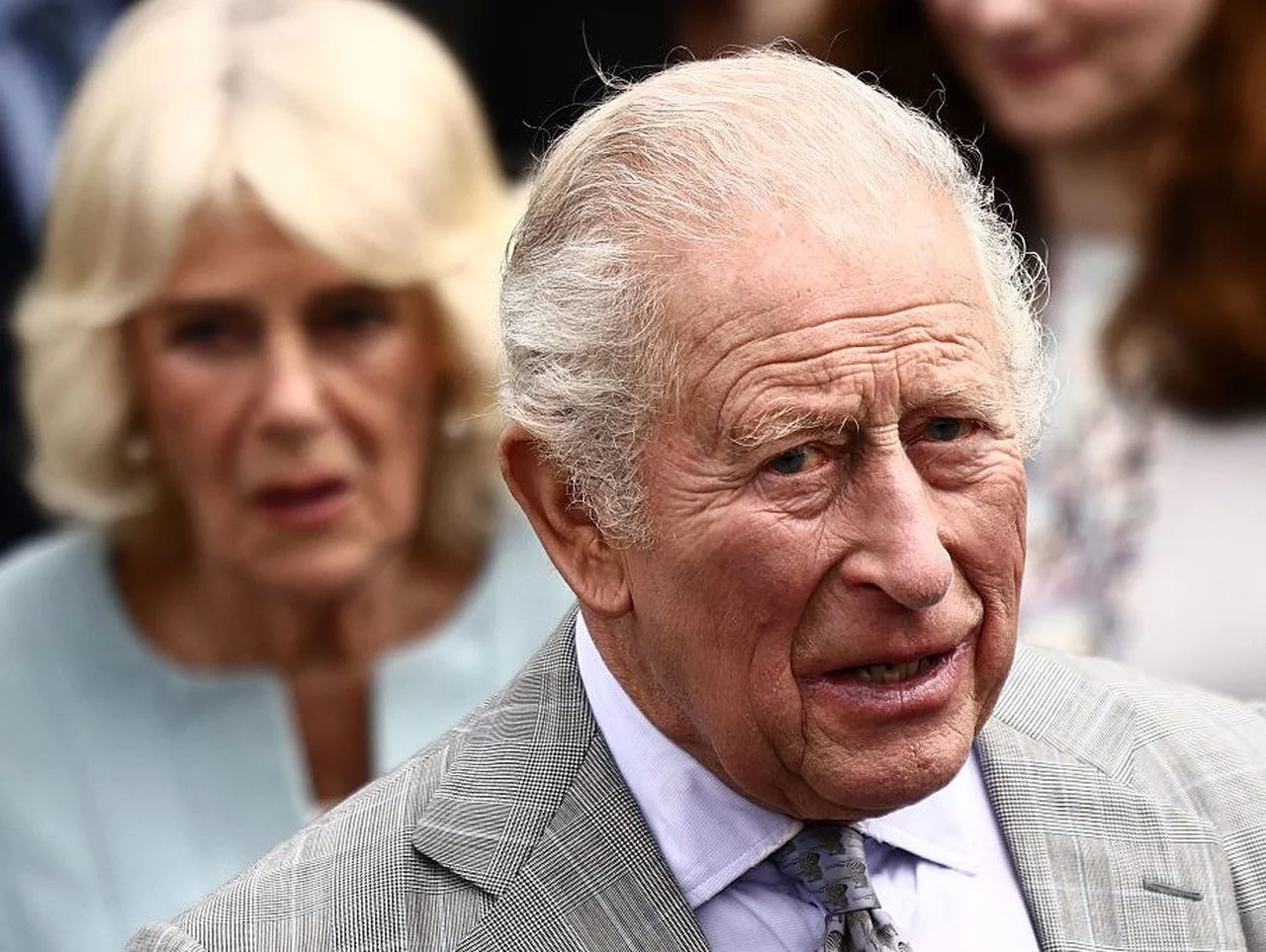
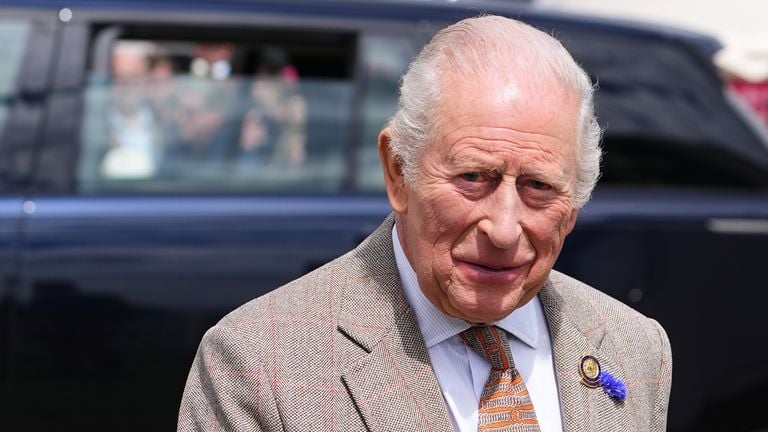
In a world already sensitive to misinformation, political rumours and rapidly breaking headlines, the false death announcement of a reigning monarch stands out for both its historic resonance and the very real concerns it exposed about preparedness, technology and trust. At age 77, King Charles III continues his official duties across the United Kingdom and the Commonwealth — a fact he emphatically reaffirmed through his engagements on the same day the error was broadcast live. The timing, juxtaposition of an official public appearance and a false on‑air death announcement, added to the surreal nature of the situation and captured the attention of audiences nationwide and abroad.
How a Prepared “Death of a Monarch” Protocol Went Wrong
In the world of broadcasting, especially in nations with constitutional monarchies like the United Kingdom, broadcasters maintain pre‑written copy and detailed protocols for reporting the death of a monarch or head of state. These procedures are developed and held in readiness — meticulously prepared but rarely, if ever, used — because they spell out wording, timing, music cues, and pauses that honour a national figure and shape public reaction. For decades, media organisations have trained specifically for such moments, understanding that the passing of a monarch is both a historical event and an emotional one for many citizens.
On Tuesday afternoon, Radio Caroline’s main studio was reportedly running routine systems checks when a glitch triggered its internally archived “Death of a Monarch” protocol by mistake. Instead of remaining a dormant file, the prepared announcement automatically aired — interrupting regular programming — as if King Charles III had died. According to station manager Peter Moore, the incident occurred due to a computer error that inadvertently activated this specific set of pre‑written scripts without human oversight.
As soon as the broadcast aired, Radio Caroline fell silent — adhering to the protocol that dictates a pause in programming following a monarch’s death. That silence, in turn, alerted staff to the anomaly. Within moments, engineers and producers restored normal programming and went back on air to apologise to listeners and clarify the error. Moore’s statement on social media emphasised the station’s regret for any distress caused, both to the King and to the public, acknowledging the seriousness of inadvertently invoking such a sensitive protocol.
Why Media Outlets Prepare for Royal Announcements in Advance
To understand how such an error could happen, it helps to examine the context in which media outlets prepare protocol scripts for the death of high‑profile figures like monarchs or presidents. Typically, editors and producers at large news organisations maintain pre‑approved announcements not because they anticipate the event, but because they must be ready to provide accurate, dignified coverage in a moment of profound national significance.
These scripts are often reviewed, stored in secure digital systems and coded to be accessed only when official confirmation comes from Buckingham Palace or the relevant authorities. In addition to word‑for‑word copy, broadcasters set music cues, moments of silence, and revised schedules to reflect the gravity of the news. The preparations can take years to refine and update, particularly after the passing of previous monarchs, and often involve legal and editorial review to ensure accuracy. The ultimate goal is to honour a historical figure with the respect and solemnity a national event warrants while avoiding misinformation.
In the case of Radio Caroline, the presence of this pre‑written and prepared script should have been safely locked away, accessed only after independent confirmation from the Royal Household or official channels. The fact that a technical fault triggered this file prematurely illustrates the potential vulnerabilities that exist when automation, archived content and outdated safeguards converge without adequate fail‑safes.
Who Is Radio Caroline and Why Did This Happen There?
Radio Caroline holds a unique place in broadcasting history. First launched in 1964, it became famous as a “pirate radio” station broadcasting offshore to circumvent strict broadcasting regulations at the time. Over decades, it built a reputation for alternative music, culture and irreverent programming, eventually gaining more legitimate licences and expanding its reach into multiple countries, including Belgium and the Netherlands, and online worldwide.
Despite its storied past, the station is not one of the primary national broadcasters in the United Kingdom like the BBC or major commercial networks. Its equipment, technology infrastructure and newsroom resources differ significantly from those of larger media conglomerates, and it operates with a smaller, more specialised team. Some analysts suggest that such a structure may have contributed to the technological oversight that led to the false death announcement. Namely, older or less isolated systems might not have the same degree of protection, verification protocols or redundancy measures that larger organisations utilise to prevent accidental activations of sensitive material.
Station manager Peter Moore acknowledged the station’s long history and commitment to broadcasting, noting that Radio Caroline has been pleased to air royal Christmas messages over the years and hopes to continue to do so. His apology emphasised both respect for the monarchy and a recognition of how serious the mistake was for listeners.
Public Reaction: Shock, Amusement and Criticism
The reaction from the public was swift and wide‑ranging. Social media platforms immediately lit up with disbelief, memes, jokes and expressions of concern. Some listeners admitted to initially believing the announcement, given how smoothly it was delivered and how authentic it sounded, while others expressed frustration that a mistake of such magnitude could occur over something that should have been tightly controlled.
Political commentators weighed in on the broader implications for media literacy, the reliability of broadcast automation, and the ongoing challenge of misinformation in the digital age. Many listeners questioned how a prepared protocol could activate without proper verification, particularly for news with such profound emotional and national significance.
Some critics argued that the incident highlights a larger problem in modern media: an over‑reliance on automated systems that can misfire without adequate human checks. Others pointed out that even in a smaller station context, the mistake could have been avoided if clear procedural safeguards had existed to require human approval before airing such sensitive content.
Despite the levity some found in the moment, many also acknowledged that false announcements about the death of a national figure can have serious emotional impacts, especially among older listeners or those for whom the monarchy holds cultural or personal significance.
The King and Queen on the Same Day as the Error
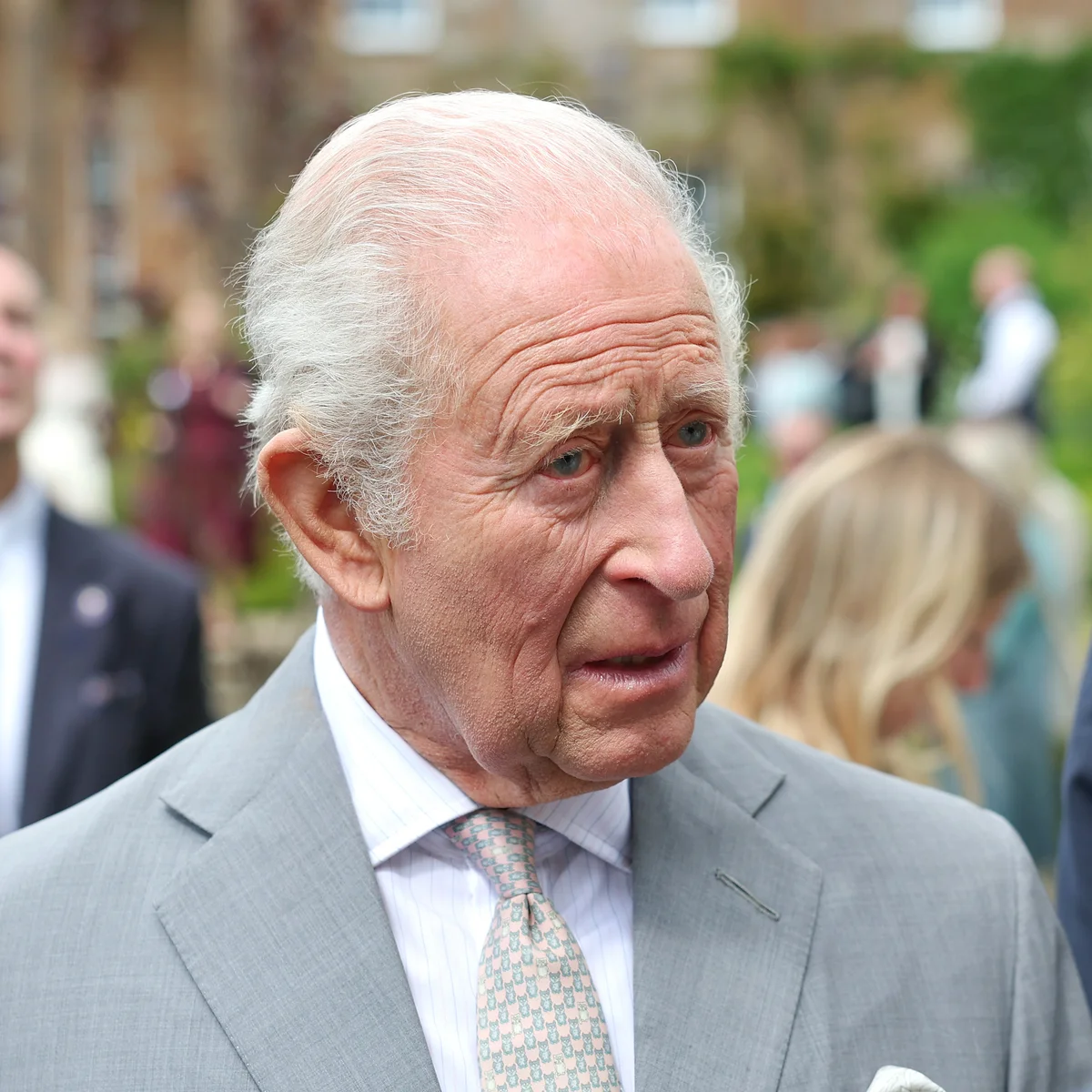
Adding a layer of surreal irony to the unfolding story, King Charles III and Queen Camilla were neither at home nor resting quietly on the day of the erroneous broadcast. Instead, they were actively engaged in official duties in Belfast, Northern Ireland — attending cultural celebrations, meeting performers and organisers of an upcoming international music festival, and participating in community events.
According to official statements released by Buckingham Palace, the monarch and his wife visited a historic waterfront site before engaging with local organisations to learn about whiskey making and meet leaders of initiatives to widen access to digital careers. Later that same day, the royal couple met with senior Northern Irish political figures at a royal residence near Belfast.
The juxtaposition of the King’s continued public life with a false death announcement on radio underscored the bizarre character of the error and helped quell any rumours or confusion among the public. Within hours of the broadcast, thousands of people who had initially been startled or confused found themselves realising the truth: that the monarch was still very much alive and actively fulfilling his duties.
Historical Parallels and Media Preparedness for the Death of Public Figures
Throughout media history, mistakes involving premature announcements of deaths of notable figures are rare but not unprecedented. In an earlier era of broadcast journalism, technical glitches, misunderstandings or premature reports have sometimes led media outlets to announce deaths that were later disproven. Often such incidents result in retractions, apologies and internal reviews to prevent recurrence.
The Radio Caroline mistake fits into this historical pattern but also reflects the unique technological environment of the 21st century, where pre‑written scripts and automated processes stored in digital systems can inadvertently be triggered without appropriate controls. In a pre‑digital era, protocols were strictly controlled as physical documents in secure cabinets; today, they reside in networked digital archives accessible with a few keystrokes — a convenience that also carries risk if not adequately safeguarded.
Media scholars note that the evolution of broadcasting tools requires parallel evolution in verification procedures, fail‑safe mechanisms and emergency response protocols. In particular, anyone who works with pre‑written sensitive content must clearly flag it, segregate it and impose multi‑factor confirmation steps before any live broadcast can occur.
How Broadcasters Can Prevent Similar Errors
Experts in media operations and broadcast engineering have pointed to several measures that can help prevent incidents similar to what occurred at Radio Caroline. First and foremost is the implementation of multi‑layered verification protocols that require explicit human confirmation — by at least two independent editors — before sensitive content is aired. This simple step can block automation from accidentally triggering pre‑written copy.
Another recommendation involves digital tagging of sensitive files, where software flags such content with multiple alerts before granting access, requiring authorised credentials and context confirmation. In systems designed for breaking news, particularly scripts involving death announcements, these tags must be securely locked and periodically audited to ensure they do not remain active without proper controls.
Training is also critical. All newsroom and technical staff should understand the gravity of pre‑prepared content and the importance of precise access control. Regular drills, similar to fire drills, can help staff rehearse what to do if sensitive files accidentally surface or are mistakenly activated.
Finally, media organisations should review real‑time monitoring infrastructure that can instantly detect anomalies in automated systems and alert human operators to intervene before public broadcast. This kind of oversight is especially crucial in smaller stations that may not have large technical teams on duty at all times.
Broader Implications for Public Trust in Media
The false announcement of King Charles III’s death, though corrected quickly, touches on deeper concerns about public trust in media — a topic already under strain in recent years. With misinformation easily spreading on social platforms, false headlines trending on news aggregators and debates about “fake news” part of everyday conversation, even a single broadcast error can have outsized consequences.
Listeners rely on media outlets to provide accurate information, especially about major events involving national figures, crises, conflicts or emergencies. When a broadcaster accidentally reports something as monumental as the death of a monarch, even mistakenly, it triggers reflection about how news is gathered, verified and delivered.
Public trust is cumulative — built over time by consistent accuracy and ethical reporting practices. Conversely, it can be eroded quickly by high‑profile mistakes, no matter how sincere the apology. The Radio Caroline incident, while an error, has also served as a catalyst for renewed discussion about verification processes, media accountability and the role of human oversight in an increasingly automated news environment.
Lessons for Media in the Digital Age
The incident illustrates that as media technology advances, human judgement and editorial control remain indispensable. Automation can streamline news production and ensure preparedness for rare but important events, but without robust safeguards, it can create vulnerabilities. The balance between technological efficiency and careful oversight is delicate and requires constant attention.
For smaller broadcasters like Radio Caroline, the error may prove to be a cautionary tale that leads to significant changes in operational procedures, digital security and editorial review standards. For larger media outlets and industry associations, it may reinforce the importance of regular audits and emergency broadcast simulations involving sensitive content.
Above all, the episode highlights that even well‑intentioned preparations — like having scripts ready for momentous announcements — must be paired with fail‑safe systems, multiple verification steps and a culture of accountability.
Conclusion
The mistaken announcement of King Charles III’s death by a UK radio station was a rare but powerful reminder of the challenges facing media organisations in an era defined by rapid information flow and digital automation. The incident brought together historical traditions of royal coverage, modern broadcasting technology, public expectations of accuracy and the responsibility of media to uphold trust. Radio Caroline’s swift apology, clarification and commitment to better safeguards underscore both the seriousness of the error and the possibility of learning from it.
As King Charles III continues his official duties and the public moves past the shock of the false announcement, the broader media world is left with an opportunity to reflect, adapt and fortify systems against similar errors in the future. In a time when trust in media is both essential and fragile, the lesson remains clear: preparedness must always be balanced with accountability, and human judgement must stay at the heart of how news is delivered to the world.