
Table of Contents
- The Benches Were Designed To Make Climate Change Feel Real
- Why Copenhagen Is Especially Vulnerable
- Rising Sea Levels Are Becoming A Global Threat
- Why Visual Campaigns Matter More Than Scientific Reports Alone
- Climate Anxiety Is Growing Worldwide
- Copenhagen Has Become A Symbol Of Climate Innovation
- Sea Level Predictions Remain Deeply Concerning
- Critics Sometimes Question Symbolic Climate Campaigns
- The Benches Became A Symbol Beyond Denmark
- Why The Message Behind The Benches Still Matters
The Benches Were Designed To Make Climate Change Feel Real
Climate change can often feel distant or difficult for people to visualize. Scientific reports discuss temperature increases, carbon emissions, atmospheric changes, and sea level projections, but many people struggle to connect those statistics to everyday life.
That is exactly what the Copenhagen bench campaign attempted to change.
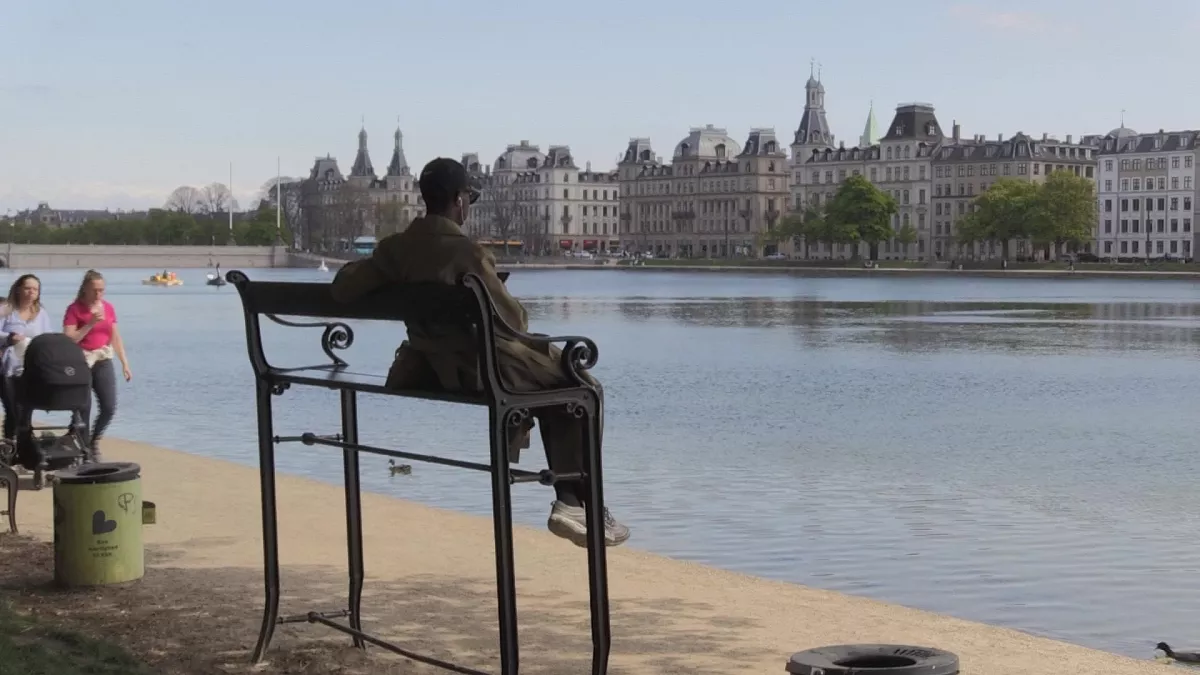
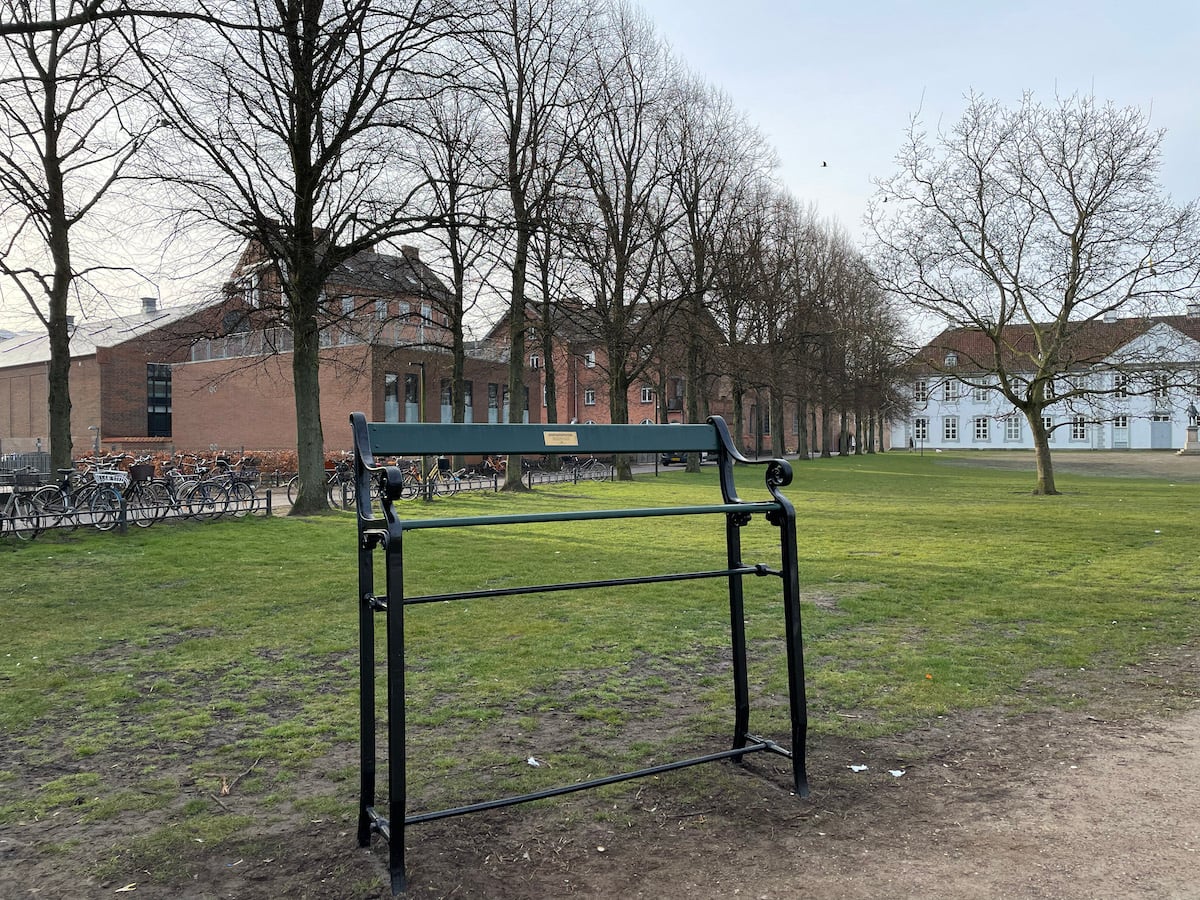
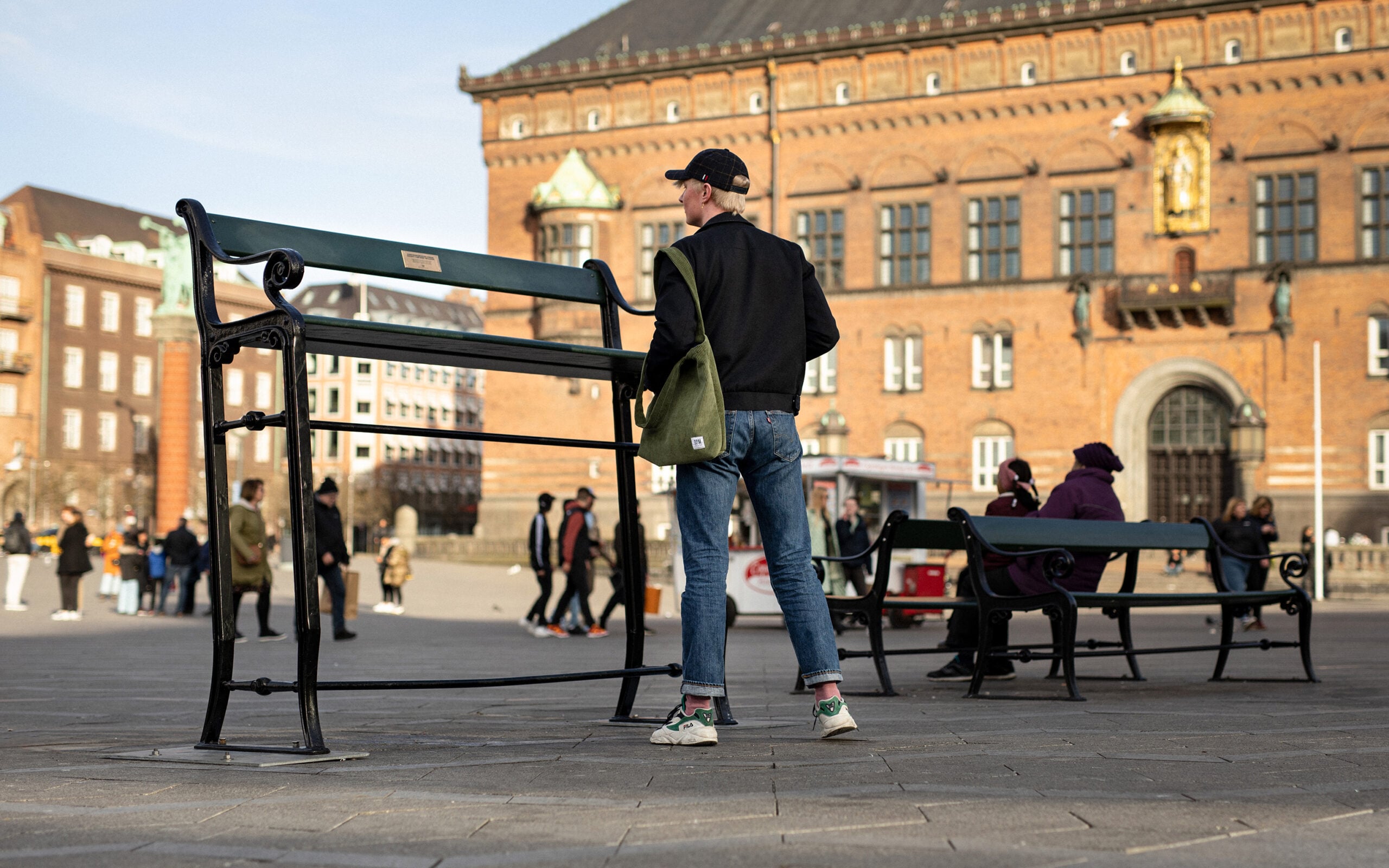
The benches were intentionally built approximately 85 centimeters higher than standard public seating. Their unusual height symbolizes projected sea level rise that scientists believe could occur by the end of the century if global warming continues unchecked.
Each bench includes a plaque explaining the purpose behind the installation. The message warns that flooding could become part of daily life unless significant action is taken to address climate change.
The campaign was created by Danish television network TV2 as part of a broader environmental awareness initiative focused on personal responsibility and public engagement.
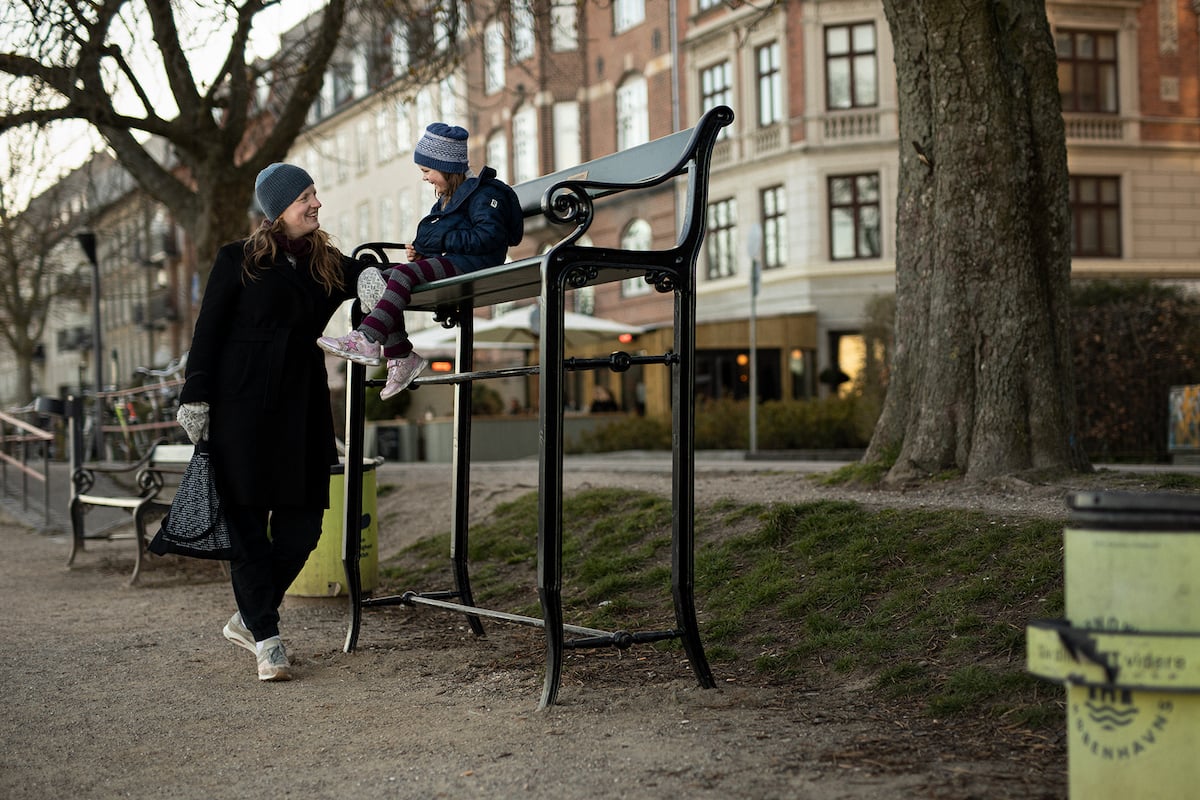
What made the project especially effective was its simplicity. People did not need scientific expertise to understand the symbolism. The awkward height immediately forced people to ask questions, and once they learned the meaning, the message became difficult to forget.
Why Copenhagen Is Especially Vulnerable
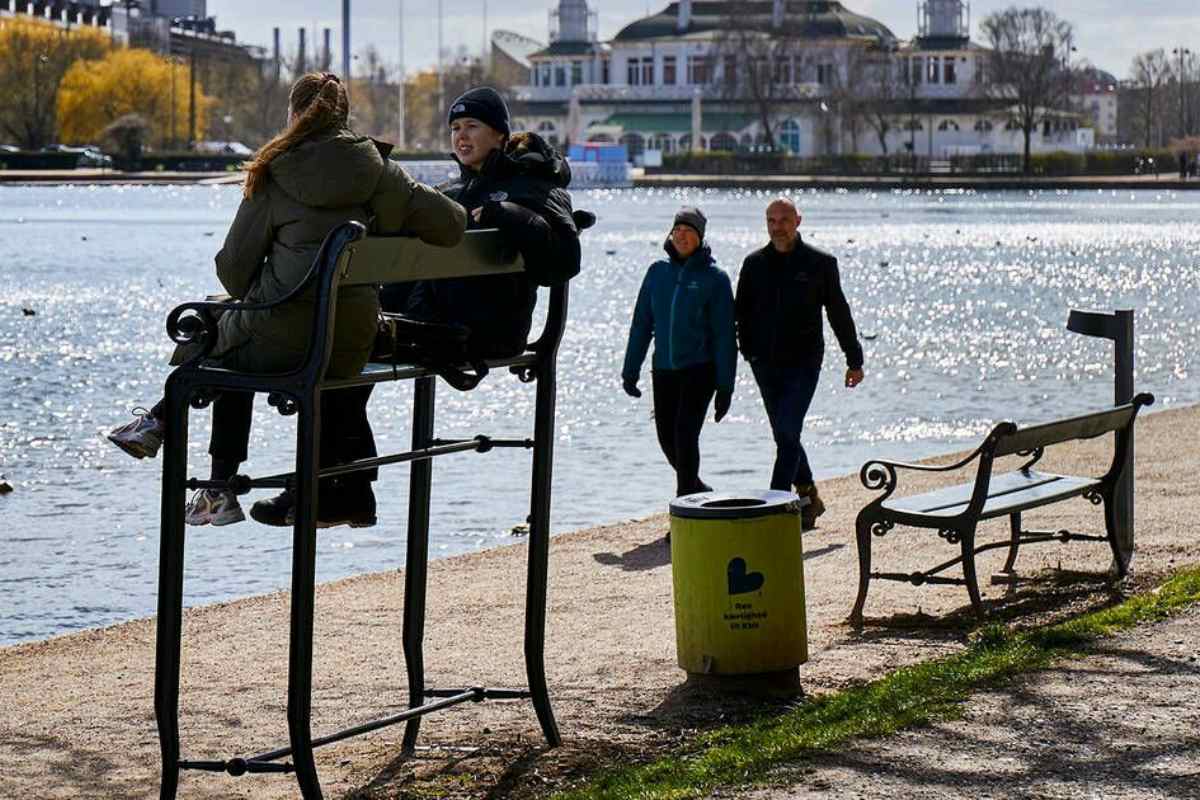
The location of the campaign was not chosen randomly. Copenhagen is particularly vulnerable to rising sea levels because large parts of the city sit only a few meters above sea level.
Denmark itself is a low-lying country surrounded by water. Coastal flooding, storm surges, and rising sea levels already pose serious concerns for urban planners and environmental experts throughout the region.
Copenhagen has spent years investing heavily in climate adaptation projects, flood prevention systems, and sustainable infrastructure. The city is often praised internationally for its environmental policies and green urban planning.
But even cities actively preparing for climate risks face growing pressure as global temperatures continue rising.
Scientists warn that climate change increases the likelihood of stronger storms, heavier rainfall, and coastal flooding events. For cities near the ocean, even relatively small increases in sea levels can dramatically worsen flood damage during storms and high tides.
The bench campaign therefore served not only as a global warning but also as a highly local message for Copenhagen residents themselves.
Rising Sea Levels Are Becoming A Global Threat
The issue highlighted by Copenhagen’s benches extends far beyond Denmark. Rising sea levels are one of the most serious long-term consequences of climate change worldwide.
As global temperatures rise, two major processes contribute to sea level increases. First, warmer water expands, taking up more physical space. Second, glaciers and polar ice sheets melt, adding additional water into the oceans.
Over time, these combined effects gradually raise average sea levels around the planet.
Scientists have repeatedly warned that even modest increases can have devastating consequences for coastal communities. Flooding events become more frequent, storm surges travel farther inland, erosion accelerates, and infrastructure faces growing pressure.
Major cities including New York, Miami, Jakarta, Bangkok, Venice, Shanghai, and Amsterdam all face increasing concern about future flooding risks.
For island nations and low-lying coastal regions, the threat is even more severe. Some communities may eventually become partially or completely uninhabitable if sea levels continue rising significantly.
Why Visual Campaigns Matter More Than Scientific Reports Alone
One reason Copenhagen’s benches attracted so much international attention is because they solved a communication problem scientists have struggled with for years.
Climate change is scientifically complex, gradual, and often invisible in daily life. Many people understand that global warming exists, but they struggle to emotionally connect with long-term environmental projections.
Visual campaigns can change that.
By physically placing oversized benches into ordinary streets, the campaign transformed an abstract environmental warning into something people could immediately experience. Citizens could stand next to the benches, imagine future water levels, and suddenly picture their own city differently.
Environmental psychologists often argue that human beings respond more strongly to visual and emotional experiences than statistics alone. A graph showing projected sea level rise may feel distant. A bench symbolizing floodwaters in the middle of a familiar city feels personal.
That emotional connection is one reason climate campaigns increasingly rely on public installations, artistic projects, immersive exhibits, and visual storytelling.
Climate Anxiety Is Growing Worldwide
Projects like Copenhagen’s benches are also emerging during a period of increasing climate anxiety, especially among younger generations.
Many young people today view climate change not as a distant future issue but as an immediate threat shaping their future lives. Wildfires, floods, heat waves, droughts, hurricanes, and extreme weather events have become increasingly visible across global news coverage.
For some people, climate discussions now carry emotional weight similar to economic fears or political instability.
This growing anxiety has pushed governments, activists, artists, and media organizations to experiment with new ways of communicating environmental risks. Traditional scientific communication alone often struggles to maintain public attention in fast-moving digital media environments.
Campaigns like the Copenhagen benches work partly because they create memorable images easily shared across social media platforms. Photos of unusually tall benches instantly spark curiosity, discussion, and emotional reaction.
In the internet era, visual storytelling can sometimes spread awareness faster than lengthy reports.
Copenhagen Has Become A Symbol Of Climate Innovation
The bench campaign also fits into Copenhagen’s broader international reputation as one of the world’s most environmentally progressive cities.
Over the past two decades, the Danish capital has invested heavily in cycling infrastructure, renewable energy, green urban planning, and sustainable transportation systems. The city frequently ranks among the world’s greenest urban environments.
Copenhagen has openly embraced the idea that cities must adapt to climate change while also reducing emissions.
Urban planners there increasingly design infrastructure with future climate risks in mind. Parks double as floodwater reservoirs. Coastal protections are being strengthened. Buildings are designed for greater energy efficiency. Public transportation systems continue expanding.
The benches therefore reflected a broader cultural identity already associated with the city. Copenhagen is not merely talking about climate change. It is attempting to visualize and prepare for it in highly public ways.
Sea Level Predictions Remain Deeply Concerning
While scientists debate exact future timelines and projections, there is broad agreement that sea levels are rising and will likely continue doing so for decades.
The precise amount depends heavily on future greenhouse gas emissions, global energy transitions, international climate policy, and how quickly the planet warms.
Some projections suggest sea levels could rise close to one meter by the end of the century under high-emission scenarios. Even lower-end estimates still present serious risks for many coastal regions.
Importantly, sea level rise is not evenly distributed globally. Local geography, ocean currents, land movement, and storm patterns can cause some areas to experience greater impacts than others.
That uncertainty creates major challenges for governments and city planners. Infrastructure projects often require decades of preparation and enormous financial investment. Waiting too long to adapt could leave cities dangerously exposed.
This is one reason climate experts increasingly emphasize public awareness campaigns. Long-term planning becomes politically difficult if the public does not understand the seriousness of future risks.
Critics Sometimes Question Symbolic Climate Campaigns
Not everyone agrees on the effectiveness of campaigns like the Copenhagen benches.
Some critics argue that symbolic public installations generate headlines without producing meaningful environmental change. Others believe climate messaging can become overly dramatic or emotionally manipulative.
There are also political disagreements surrounding climate policy itself. Debates continue globally over energy transitions, economic costs, carbon regulations, and the pace of environmental reforms.
However, supporters of the campaign argue that public awareness is a necessary first step toward action. Climate change is an enormous problem involving science, politics, economics, infrastructure, and consumer behavior. Communicating those risks effectively remains one of the biggest challenges facing governments and environmental organizations.
The benches were never intended to solve climate change directly. Their purpose was to make people stop, think, and discuss what future cities may look like if current environmental trends continue.
In that sense, the campaign succeeded remarkably well.
The Benches Became A Symbol Beyond Denmark
Although the installation was local, photos of Copenhagen’s elevated benches quickly spread internationally. The images resonated because they communicated a universal concern shared by cities around the world.
People everywhere could understand the symbolism immediately. A normal object had been altered to represent an abnormal future.
That visual simplicity made the campaign highly effective online. Social media users shared images of the benches alongside conversations about climate policy, sustainability, flooding risks, and urban resilience.
The benches also demonstrated how public spaces can become powerful tools for communication. Streets, parks, and city infrastructure are increasingly being used not only for transportation or recreation but also for storytelling and social awareness.
In the modern digital era, physical installations often become global messages once photographed and shared online.
Why The Message Behind The Benches Still Matters
Years after the benches first appeared, the message behind them remains deeply relevant.
Climate change discussions often become trapped in political arguments, technical language, or overwhelming scientific detail. The Copenhagen benches cut through that complexity by presenting one simple question: what happens when the water rises high enough to change everyday life itself?
That question is becoming harder for the world to ignore.
Flooding events are increasing in many regions. Heat records continue being broken globally. Coastal erosion, stronger storms, and infrastructure strain are forcing cities to rethink how they prepare for the future.
The benches in Copenhagen were not predicting an exact future with certainty. Instead, they were offering a warning about possibilities supported by scientific concern and environmental trends.
Their unusual height symbolized something much larger than furniture design. They represented the uncomfortable reality that climate change may eventually reshape cities in ways people once considered impossible.
And perhaps that is why the campaign resonated so strongly. The benches looked strange because the future they were warning about still feels strange too.