
Table of Contents
- China Has Built One Of The Largest Surveillance Networks In History
- Facial Recognition Became A Central Tool
- China’s National ID System Powers The Technology
- The Technology Became Especially Visible During Protests
- Artificial Intelligence Is Expanding Surveillance Beyond Faces
- Online Activity Is Also Closely Monitored
- Privacy Advocates Are Deeply Concerned
- Supporters Say Surveillance Improves Safety
- The World Is Watching China’s AI Experiment Closely
- Why The Debate Over Surveillance Is Only Beginning
China Has Built One Of The Largest Surveillance Networks In History
China’s surveillance infrastructure did not appear overnight. Over the past two decades, the country has dramatically expanded its use of cameras, biometric databases, artificial intelligence systems, and digital identity verification tools.
Today, surveillance cameras are deeply integrated into daily life across many Chinese cities. Cameras monitor subway stations, apartment entrances, intersections, shopping districts, airports, schools, and public gathering spaces. Facial recognition systems can reportedly identify individuals within seconds by comparing images against national databases.
Experts say the scale of the system is difficult to fully comprehend. Hundreds of millions of cameras are estimated to operate throughout the country, many equipped with increasingly advanced AI capabilities.
What makes the system especially powerful is not simply the number of cameras. It is the integration between visual monitoring, government databases, telecommunications systems, and internet regulation.
Rather than functioning as isolated technologies, these systems increasingly work together to create detailed digital profiles tied directly to individuals.
Facial Recognition Became A Central Tool
At the heart of China’s surveillance network lies facial recognition technology.
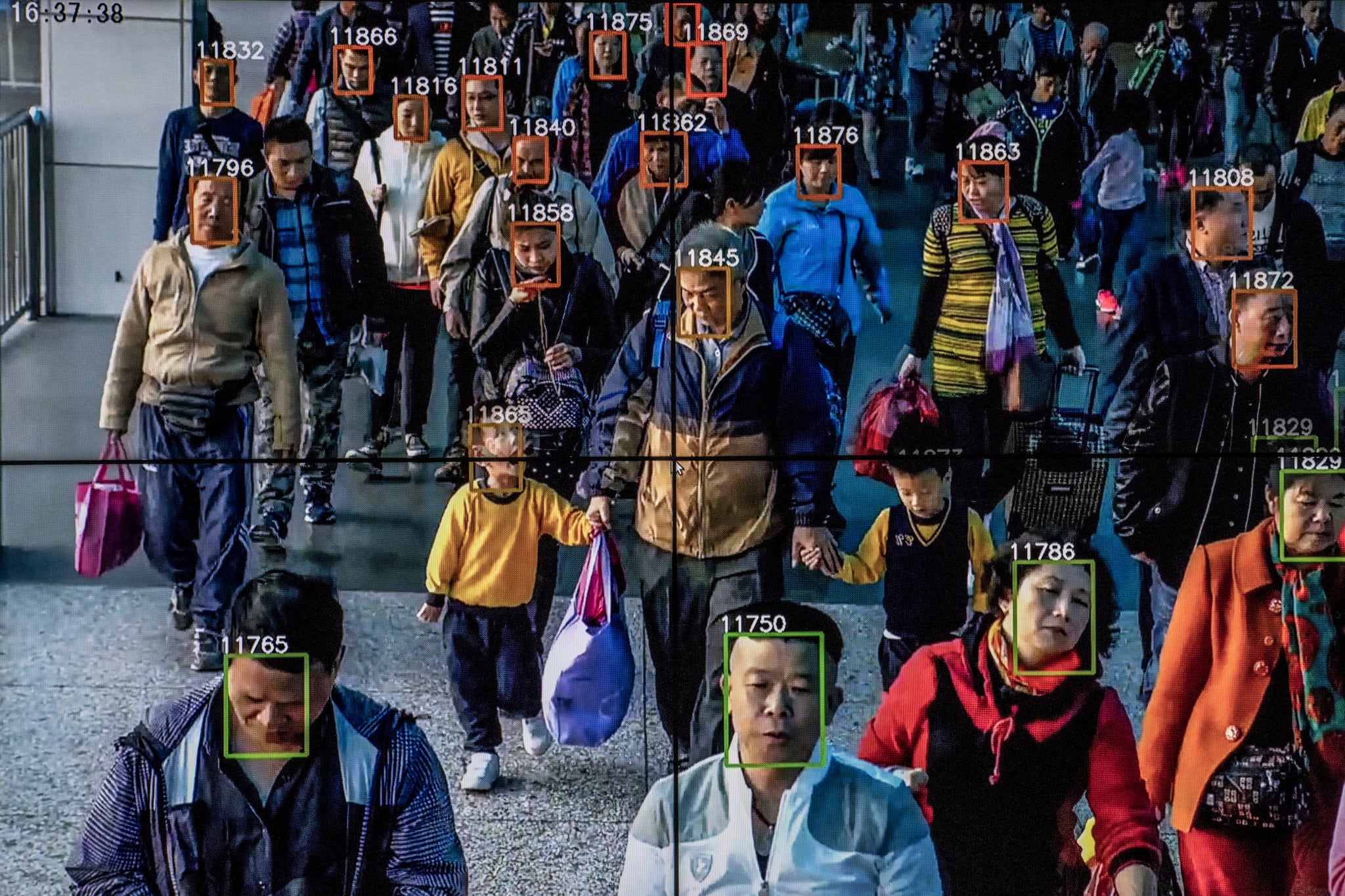
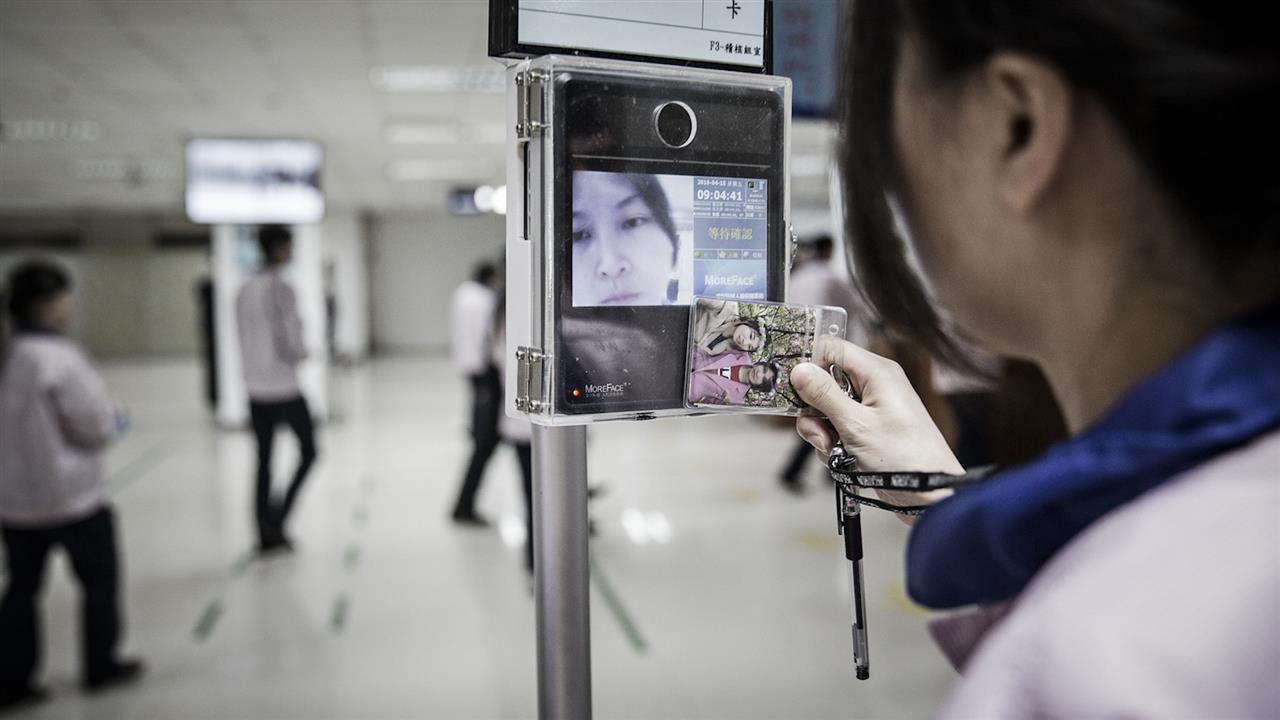
Facial recognition systems analyze unique facial features and compare them against stored databases to identify individuals. In China, this technology has expanded rapidly across public security operations, transportation systems, mobile payment platforms, and even residential access systems.
Journalists and researchers have reported that some systems can scan large crowds and identify multiple faces simultaneously. Advanced software can reportedly track individuals over time by analyzing footage across different locations throughout a city.
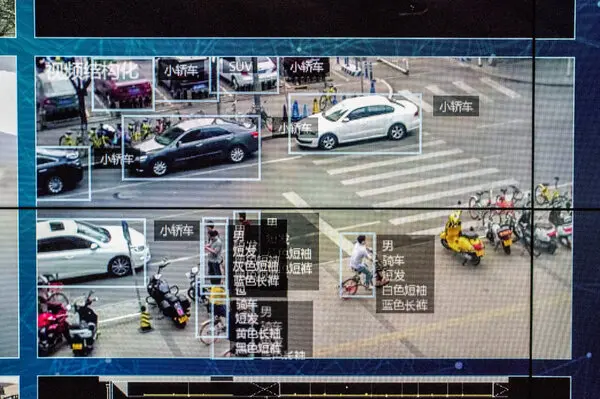
In some urban areas, AI systems are also capable of recognizing clothing color, walking patterns, and body movement. Even when faces are partially obscured, behavioral tracking tools may still help authorities follow individuals through public spaces.
Critics argue that such capabilities dramatically reduce personal anonymity in public life. In previous generations, someone could disappear into a crowd relatively easily. Today, advanced AI systems may make that increasingly difficult.
China’s National ID System Powers The Technology
One reason China’s surveillance system is considered so extensive is because it is closely linked to the country’s national identification infrastructure.
Chinese citizens are issued national ID cards containing personal information and official photographs. Over time, authorities expanded and modernized these systems in ways that made them increasingly compatible with facial recognition technologies.
According to experts studying the system, people often undergo detailed photo collection processes involving multiple facial angles and biometric data capture. Those images become part of databases that can later be used for identification and verification purposes.
This creates an enormous pool of facial information connected directly to real identities.
When combined with surveillance cameras and AI analysis tools, authorities can potentially identify individuals rapidly across different locations.
Supporters say this improves law enforcement efficiency and public security. Critics say it creates unprecedented government visibility into the everyday movements of ordinary citizens.
The Technology Became Especially Visible During Protests
China’s surveillance capabilities drew renewed international attention during protests against strict COVID-19 restrictions in late 2022.
Demonstrators gathered in several cities demanding an end to harsh lockdown policies. Some protests also included broader expressions of frustration toward government control.
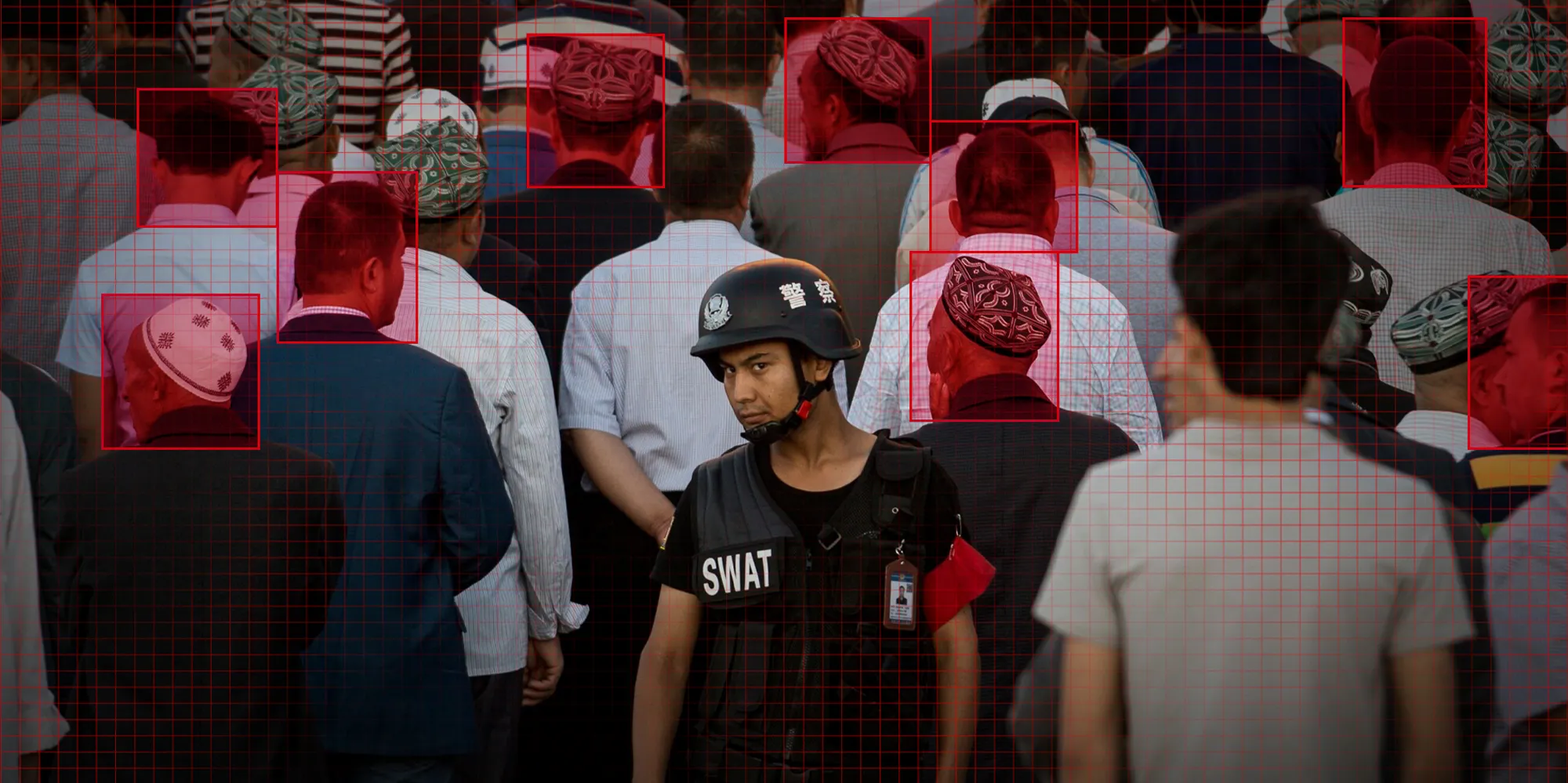
Observers noted that many demonstrators attempted to protect their identities by wearing masks, avoiding phones, or limiting online activity. Yet experts argued that avoiding surveillance in modern Chinese cities had become extremely difficult.
Reports emerged of some protesters later being contacted by authorities and questioned about their participation. According to journalists and analysts, this reinforced fears that surveillance systems were being used to identify participants after demonstrations ended.
Although the Chinese government did not publicly detail how surveillance technology was used during the protests, experts believe the country’s monitoring infrastructure likely played a significant role in tracking public gatherings and identifying individuals.
The protests highlighted how digital surveillance and political dissent increasingly intersect in the modern era.
Artificial Intelligence Is Expanding Surveillance Beyond Faces
Facial recognition is only one part of the broader surveillance ecosystem. Artificial intelligence is allowing authorities to analyze behavior patterns, crowd activity, and online communication in increasingly sophisticated ways.
Some AI systems reportedly attempt to identify unusual gatherings, sudden crowd movement, or potentially disruptive activity before incidents escalate. This predictive approach represents a major evolution in surveillance technology.
Instead of simply recording events after they happen, AI systems increasingly aim to anticipate risk.
Researchers say some systems can distinguish between normal tourist crowds and gatherings considered politically sensitive. Others may analyze transportation patterns, purchasing behavior, or digital communication trends.
Critics warn that such technologies blur the line between security monitoring and behavioral control.
As AI capabilities improve, surveillance systems may become less dependent on human oversight and more reliant on automated analysis making rapid decisions about risk and suspicion.
That possibility raises profound ethical questions about privacy, freedom of movement, and civil liberties in the AI age.
Online Activity Is Also Closely Monitored
China’s surveillance system does not stop at physical spaces. Online activity is also heavily regulated and monitored through a combination of censorship systems, identity verification requirements, and platform regulation.
Unlike some countries where online anonymity remains relatively accessible, China requires real-name registration for many internet services. Social media accounts are often connected to phone numbers and identity records.
This creates a direct link between online behavior and real-world identities.
Experts say this system makes anonymous political discussion extremely difficult. Posts, messages, and shared content can potentially be traced back to individuals more easily than on platforms allowing anonymous participation.
AI moderation systems also play a major role in content control. Sensitive images, phrases, or political content may be removed rapidly through automated filtering systems.
During the anti-lockdown protests, images of demonstrators holding blank white papers spread quickly online but were also reportedly removed rapidly from many Chinese social platforms.
Researchers argue that AI-powered moderation allows authorities to react faster than traditional human censorship alone.
Privacy Advocates Are Deeply Concerned
Human rights organizations and privacy experts have repeatedly expressed alarm over the scale and capabilities of China’s surveillance infrastructure.
Critics argue that the combination of facial recognition, biometric databases, internet monitoring, and AI analysis creates a system with extraordinary power over personal freedom.
Some advocacy groups warn that surveillance technologies could potentially be used not only for public security but also for suppressing dissent, discouraging protest participation, and monitoring political expression.
Concerns become even greater when discussing vulnerable populations or politically sensitive regions.
Human Rights Watch and other organizations have argued that highly advanced surveillance tools could create long-term risks for civil liberties if left unchecked.
The fear is not only about China itself. Many experts worry that surveillance models pioneered there could eventually spread globally as governments and companies increasingly adopt similar technologies.
Supporters Say Surveillance Improves Safety

Despite international criticism, supporters of surveillance technology argue that such systems improve public safety and efficiency.
Chinese authorities have frequently promoted surveillance infrastructure as a tool for crime prevention, emergency response, transportation management, and social stability.
Facial recognition systems can reportedly help locate missing persons, identify criminal suspects, manage transportation systems, and improve public security operations.
Some citizens also express support for strong surveillance if it contributes to lower crime rates or safer urban environments.
This reflects a broader global debate about privacy versus security. Many governments worldwide increasingly use surveillance technologies in airports, transportation systems, and public spaces.
The difference critics point to is scale and integration. China’s system is considered unusually comprehensive because it combines so many forms of monitoring into interconnected national infrastructure.
The World Is Watching China’s AI Experiment Closely
China’s surveillance system has become a major topic of international discussion because many experts believe it represents the future direction of state monitoring technologies.
Artificial intelligence continues improving rapidly. Cameras are becoming cheaper and more powerful. Biometric identification systems are spreading globally. Governments increasingly collect and analyze large amounts of digital data.
In that environment, China is often viewed as operating at the frontier of large-scale AI surveillance deployment.
Some countries may see aspects of the system as attractive for security and law enforcement purposes. Others view it as a warning about the dangers of unrestricted state monitoring.
Technology companies are also paying close attention. Facial recognition software, behavioral analytics, and AI moderation systems represent enormous commercial industries with growing global demand.
The ethical debate surrounding these technologies is therefore unlikely to disappear anytime soon.
Why The Debate Over Surveillance Is Only Beginning
The rise of AI surveillance in China reflects a much larger global transformation already underway.
Technology is increasingly capable of observing, analyzing, and predicting human behavior at scales once considered impossible. Cameras now connect to artificial intelligence. Social media connects to identity systems. Online activity leaves permanent digital trails.
China’s surveillance network represents one of the clearest examples of what happens when these technologies become deeply integrated into everyday governance.
To supporters, the system represents modern efficiency, security, and social management. To critics, it represents a future where anonymity, privacy, and dissent become increasingly difficult to maintain.
The most important question may not simply be how China uses surveillance technology today. It may be how the rest of the world responds as similar capabilities continue spreading globally.
Because once societies become technologically capable of tracking nearly everything, the real challenge becomes deciding where the limits should be.