
Table of Contents
- A Chemical Emergency Shakes Orange County
- What Is Methyl Methacrylate?
- Crews Race To Cool The Tank
- Evacuation Orders Create Chaos For Residents
- Blast Zone Warnings Heighten Fear
- Air Quality Monitoring Becomes A Top Priority
- The Facility’s Past Violations Raise Questions
- Nearby Attractions Remain Open
- Officials Warn The Crisis Is Not Over
- A Rare Crisis With Serious Lessons
A Chemical Emergency Shakes Orange County
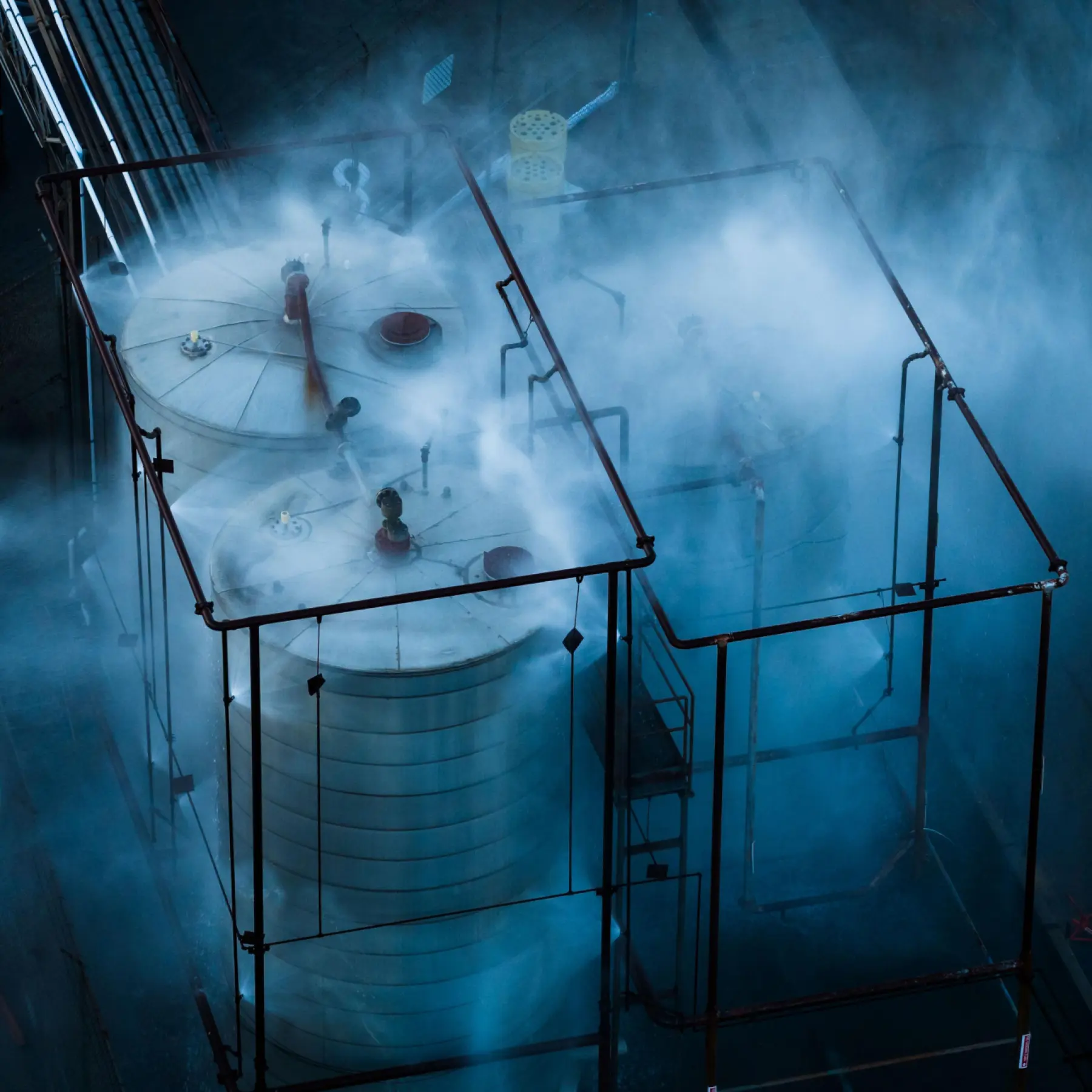
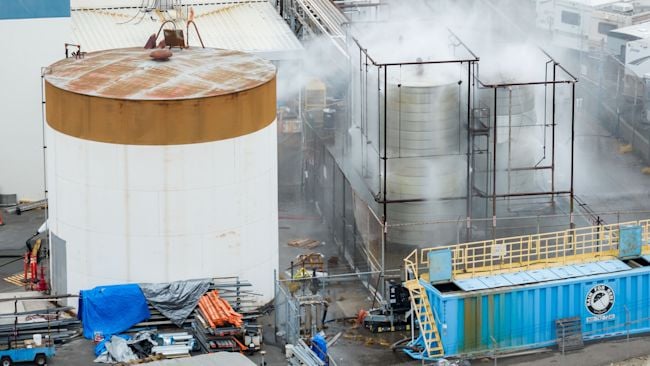
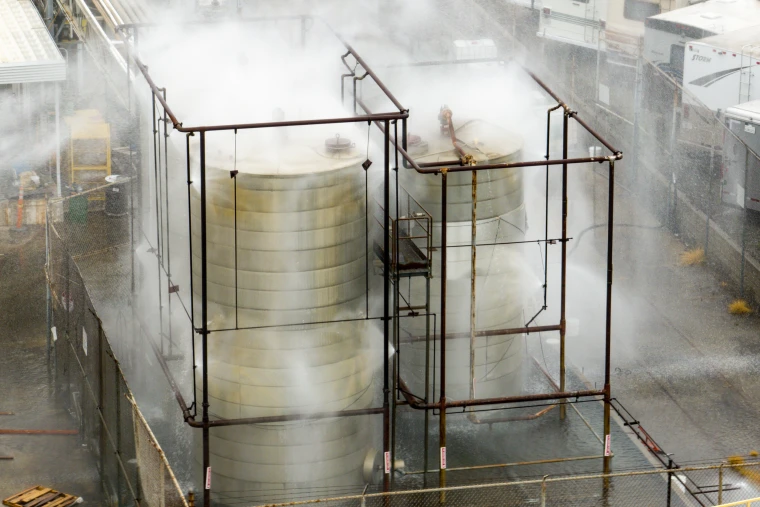
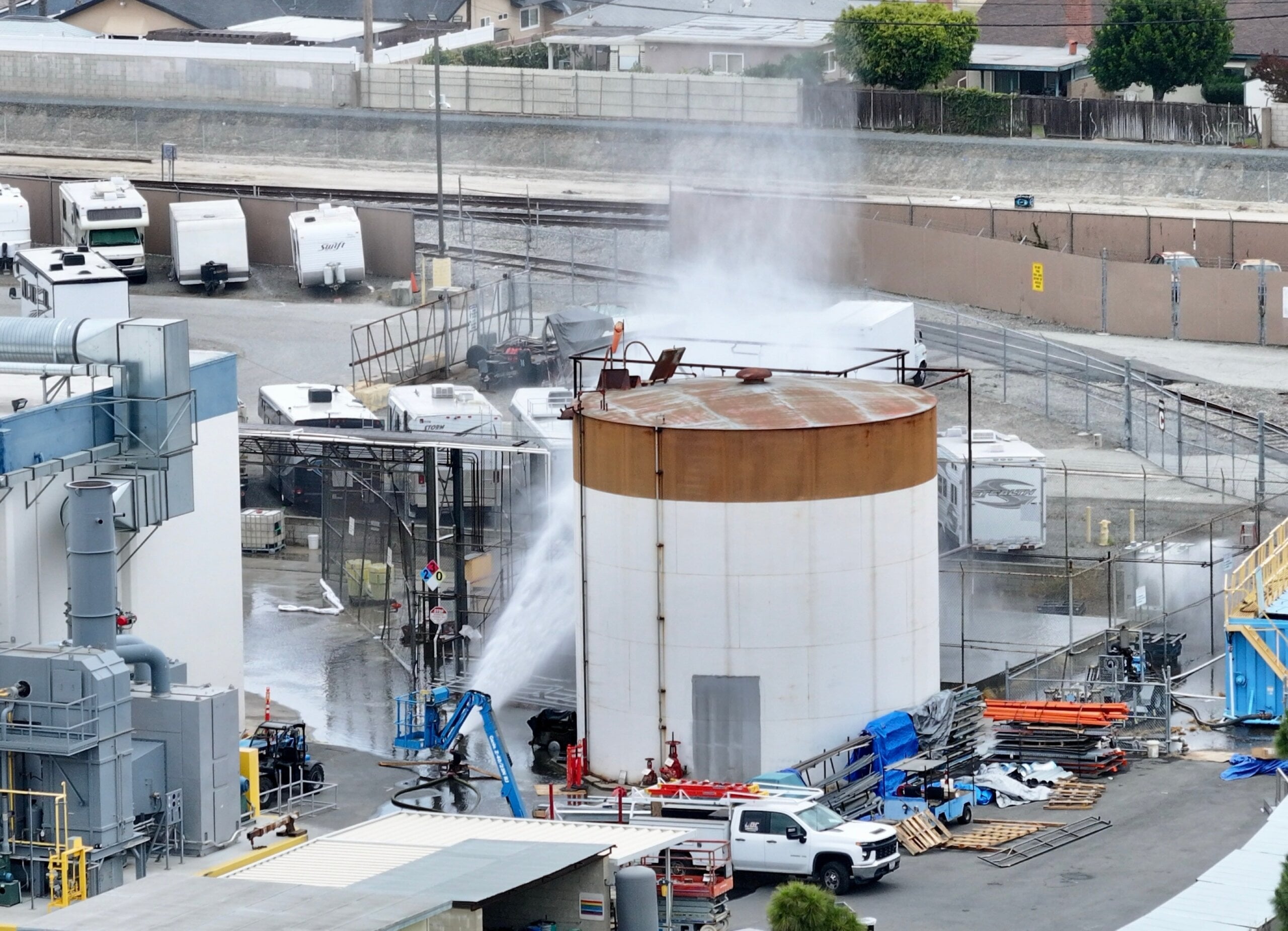
The incident began when authorities responded to a vapor release from one of three chemical tanks at the aerospace facility. According to officials, one tank had overheated enough to activate a relief valve and overhead sprinkler system, both of which were meant to reduce pressure and cool the container.
At first, evacuation orders were issued and later lifted when vapor conditions appeared to improve. But the situation changed again when crews tried to remove or contain the chemical and discovered that the tank had a damaged valve. That meant the product could not be safely removed as planned.
With the chemical still trapped inside and the tank continuing to heat up, authorities reinstated evacuation orders. The evacuation zone eventually covered roughly 9 square miles around the facility.
Officials said air quality readings outside the immediate danger zone remained safe, but they repeatedly warned residents not to take unnecessary risks. The concern was not only what was happening at that moment, but what could happen if the tank suddenly failed.
What Is Methyl Methacrylate?
Methyl methacrylate is a chemical commonly used to manufacture plastics, resins, coatings, and acrylic materials. In industrial settings, it plays an important role in producing durable transparent materials, including products used in aerospace manufacturing.
But MMA can also be hazardous. Exposure may irritate the throat, nose, eyes, skin, and lungs. It can also cause dizziness, nausea, and breathing discomfort, especially if concentrations rise.
Officials described the chemical as volatile, toxic, and flammable. That combination made the Garden Grove incident especially dangerous. A leak could expose nearby areas to vapors, while an explosion could damage surrounding buildings and potentially affect other tanks at the site.
Public health officials emphasized that there were limited documented cases involving large-scale human exposure in this kind of scenario, making it difficult to predict every possible outcome. That uncertainty became one of the main reasons authorities urged people to evacuate.
Crews Race To Cool The Tank
Fire officials spent days trying to prevent the tank from reaching a dangerous point. Drones were used to measure its temperature from a safer distance because sending crews too close could place them directly in harm’s way.
At one stage, officials believed the tank was cooling. But the temperature later began rising again, increasing at roughly one degree per hour. That shift alarmed emergency teams.
Crews hoped to stabilize the chemical by cooling and neutralizing it so that it would gradually harden from the outside inward. Officials compared the process to an ice cube freezing, where the outer layer hardens first while the center remains liquid until the entire mass solidifies.
But there was no guarantee the plan would work. If the tank cracked before the chemical stabilized, thousands of gallons could spill. If the pressure or temperature reached a critical point, officials warned that an explosion could occur.
For responders, doing nothing was not an option. One fire official said allowing the tank to simply fail was unacceptable.
Evacuation Orders Create Chaos For Residents
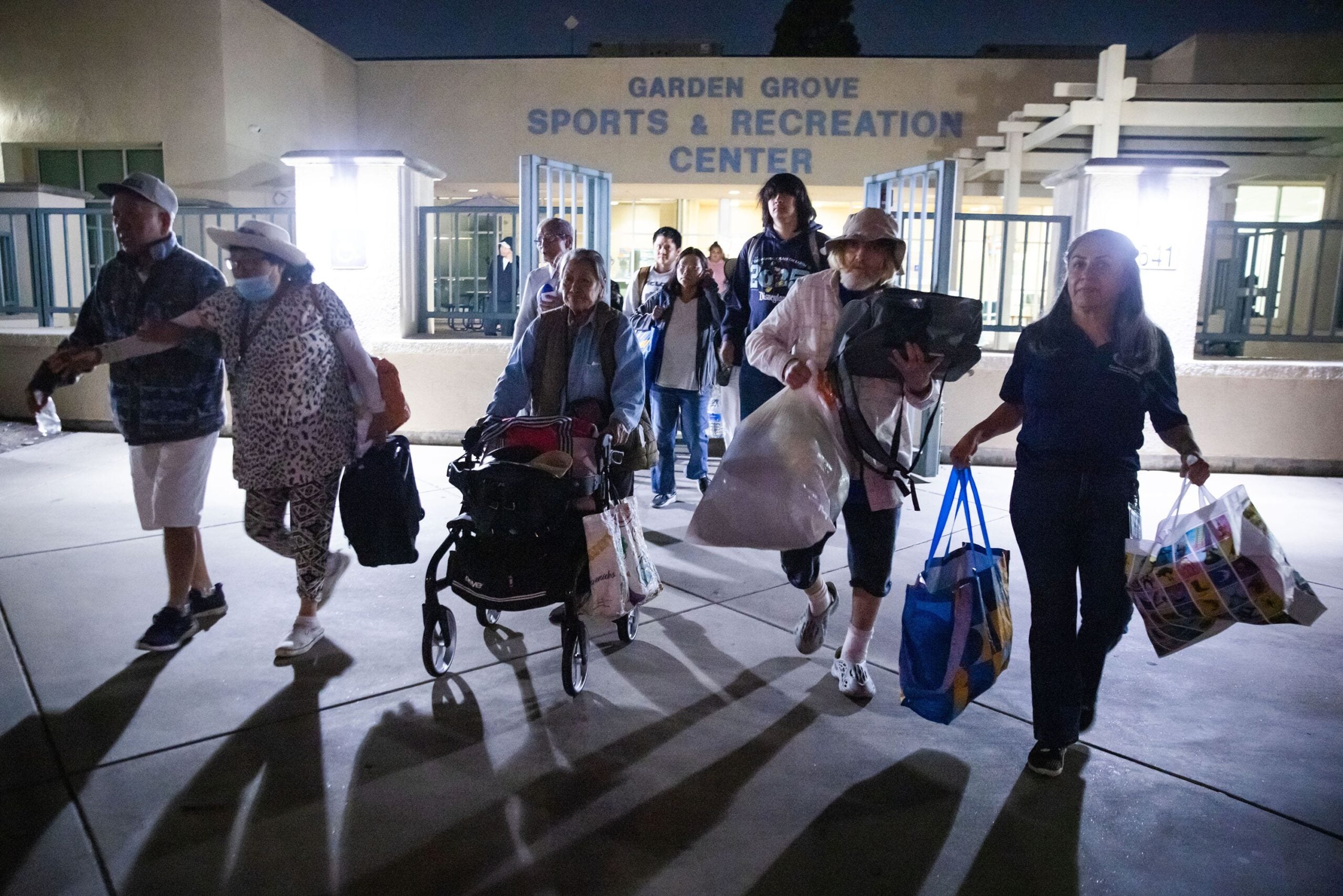
For families living near the facility, the emergency caused fear, confusion, and major disruption. Police used reverse 911 calls and social media alerts to warn residents to evacuate. Schools were closed, traffic became heavy, and many residents scrambled to find hotels, shelters, or safe places to stay.
Some families spent the night in cars before finding temporary lodging. Others evacuated with pets, children, medications, and only the belongings they could quickly gather.
Authorities estimated that thousands of people were affected by the evacuation zone. Some residents refused to leave, despite warnings that conditions could become life-threatening if the tank failed.
Shelters opened in several nearby locations, including facilities in Huntington Beach, Fountain Valley, La Palma, and Anaheim. As some shelters neared capacity, the Red Cross opened additional space. Discounted hotel rates were also offered during the holiday weekend.
The emergency became especially stressful because residents did not know how long they would be displaced. Many said they felt anxious because officials could not provide a clear timeline.
Blast Zone Warnings Heighten Fear
The Orange County Fire Authority released information showing which areas could be at greatest risk if an explosion occurred. Officials described zones where fires could break out, structural damage could occur, or chemical exposure could become dangerous to life and health.
The warnings were intended to help residents understand why evacuation was necessary, even if air monitoring showed no immediate toxic levels outside the facility.
Emergency officials repeatedly explained that the danger could change quickly. Wind direction, tank failure, vapor release, fire, and explosion risk were all unpredictable factors.
That uncertainty made the situation especially difficult. Residents wanted answers, but officials were dealing with a rare and highly technical emergency where conditions could shift hour by hour.
Air Quality Monitoring Becomes A Top Priority
Throughout the incident, federal, state, and local agencies monitored air quality closely. The Environmental Protection Agency helped inspect existing air monitors and began installing additional units around the area.
Officials said the chemical was not being detected in the air at dangerous levels during updates, and air quality outside the evacuation zone was considered safe. Still, residents were urged to stay away from the evacuation area until crews could fully stabilize the tank.
Health officials also explained that MMA may have a fruit-like smell, but smelling it does not necessarily mean a person has been exposed to enough of the chemical to experience symptoms.
Some residents reported throat irritation, nasal soreness, headaches, and dizziness. Officials acknowledged those concerns but continued emphasizing that monitoring had not shown widespread toxic conditions at the time.
The Facility’s Past Violations Raise Questions
The emergency also renewed attention on the facility’s regulatory history. GKN Aerospace Transparency had previously faced violations after a 2020 inspection by the South Coast Air Quality Management District.
That inspection found problems involving required records related to volatile organic compound emissions, equipment permits, and modifications made without proper authorization. The company later paid a civil penalty of nearly $1 million.
The agency said it had continued working with the company to resolve permitting issues. Additional notices were issued in later years requesting operating records and equipment registration information.
While the current emergency focused on the overheating MMA tank, the facility’s past violations raised fresh questions about oversight, industrial safety, and whether warning signs had been addressed aggressively enough.
GKN Aerospace said it was focused on working with emergency services, hazardous material teams, and authorities to protect the public, employees, and everyone involved. The company also apologized for the disruption caused to residents and businesses.
Nearby Attractions Remain Open
The industrial site is located only a few miles from major Southern California attractions, including Disneyland and Knott’s Berry Farm. Both parks were outside the evacuation zone and remained open while monitoring the situation.
Los Angeles officials said there was no current risk to the city, though residents were urged to avoid the affected area. The Los Angeles Fire Department remained on standby to assist Orange County if needed.
The location of the incident added to public concern because Orange County is densely populated and heavily traveled, especially during a holiday weekend. Any large-scale chemical emergency in such an area can create traffic problems, logistical challenges, and widespread anxiety.
Officials Warn The Crisis Is Not Over
Emergency leaders made clear that the situation remained unstable. Even with containment areas, sand barriers, and secondary protection measures in place, the tank still posed a serious risk.
The next phase of the response focused not only on preventing an explosion but also on protecting waterways and the ocean from chemical contamination if the tank leaked or ruptured.
Officials warned that the chemical could spill if the tank cracked. They also feared that if one tank failed violently, nearby tanks could be affected.
That possibility kept evacuation orders in place, even as some residents questioned whether the danger was still active.
For emergency crews, the priority was simple: keep people away from the danger zone until the tank could be stabilized or the threat reduced.
A Rare Crisis With Serious Lessons
The Garden Grove chemical emergency is more than a frightening local incident. It is a reminder of how vulnerable communities can be when hazardous industrial materials are stored near homes, schools, businesses, and crowded public areas.
Modern manufacturing depends on chemicals like methyl methacrylate, especially in industries such as aerospace, plastics, and advanced materials. But when something goes wrong, the consequences can spread far beyond the walls of a facility.
The crisis also highlights the importance of transparency, emergency planning, regulatory oversight, and fast public communication. Residents need clear information when their safety depends on quick decisions. Officials need accurate data when conditions are changing by the hour. Companies handling dangerous materials must be prepared for worst-case scenarios long before they happen.
For the thousands of people forced from their homes, the incident was not an abstract safety debate. It was a sudden disruption to daily life, filled with uncertainty and fear.
As crews continued fighting to cool and stabilize the tank, Orange County residents waited for one answer above all others: when would it finally be safe to go home?