
Table of Contents
- A Growing Death Toll Raises Questions
- The Campaign Few People Knew About
- Fishing Villages Are Living With Fear
- Why Coastal Economies Are Being Disrupted
- The Complicated Relationship Between Fishing and Trafficking
- Legal Experts Question the Campaign
- Colombia and Ecuador Respond Differently
- Military Operations Are Increasing
- Families Are Paying the Price
- What This Means for the Future
A Growing Death Toll Raises Questions
According to recent reports, more than 200 people have now been killed during dozens of strikes targeting vessels suspected of participating in narcotics trafficking operations.
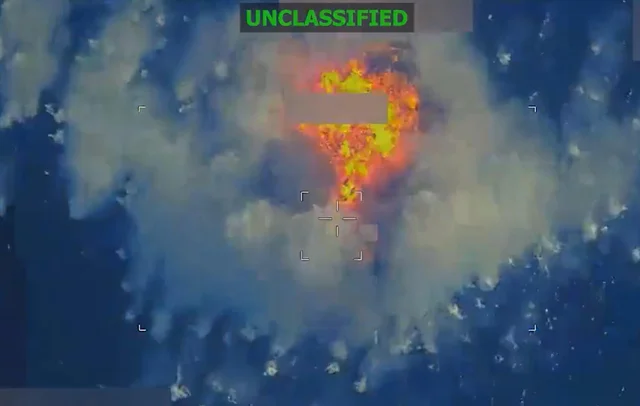
The latest incident reportedly involved a strike in the eastern Pacific Ocean that killed three men aboard a boat alleged to be connected to drug smuggling activities.
Their deaths pushed the total number of fatalities beyond 200, marking a significant milestone in a campaign that has largely operated away from public attention.
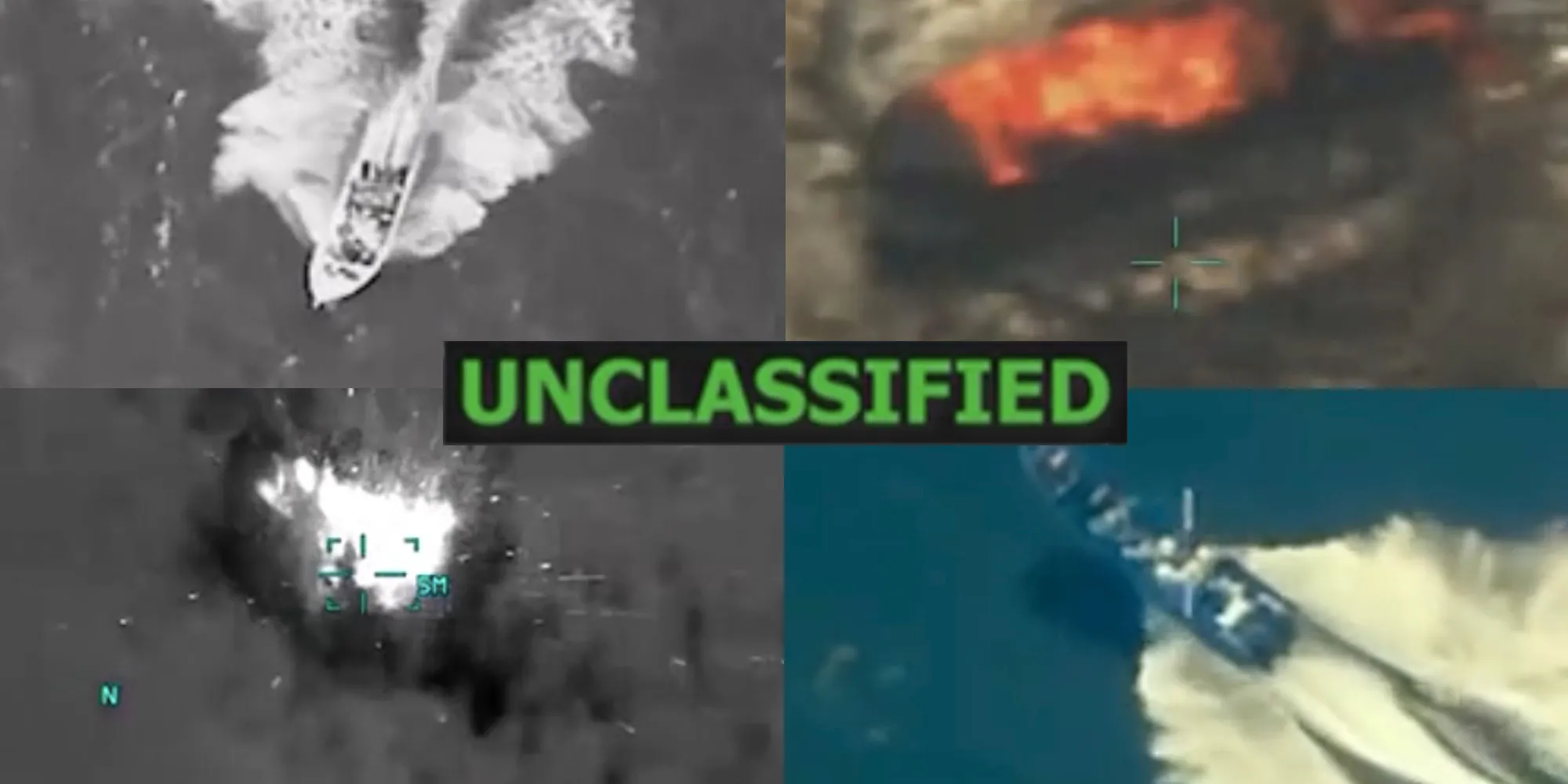
Unlike traditional anti-drug operations that often involve interception, boarding, and arrest, these strikes involve the direct destruction of vessels believed to be transporting narcotics.
Because many incidents occur far from shore, obtaining independent verification of specific circumstances has proven difficult.
Bodies are often not recovered. Physical evidence can be scarce. Public information regarding individual strikes remains limited.
This lack of transparency has become one of the central controversies surrounding the operation.
The Campaign Few People Knew About
For many Americans, the campaign has unfolded almost entirely outside public awareness.
While military operations in conflict zones often generate widespread media coverage, anti-drug strikes conducted in international waters receive far less attention.
Much of what is known about the campaign comes from limited official statements, social media releases, investigative reporting, and accounts from affected communities.
The military has generally described targeted vessels as participating in narcotics trafficking activities.
However, detailed evidence regarding specific strikes is rarely made public.
This has fueled debate among legal experts, human rights advocates, and policymakers who argue that transparency is essential when lethal force is being used.
Questions surrounding accountability have become increasingly prominent as the number of strikes continues to rise.
For coastal communities directly affected by the campaign, those questions carry very personal consequences.
Fishing Villages Are Living With Fear
While policymakers debate strategy and legality, fishing families face a different reality.
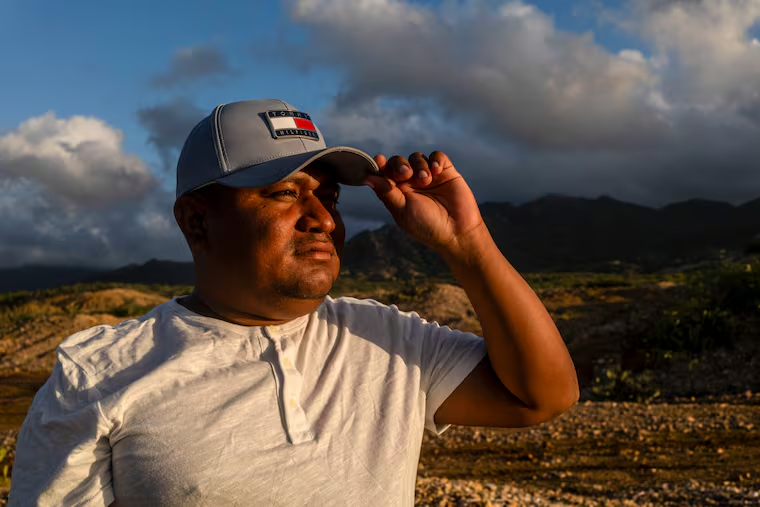
Residents in multiple coastal communities describe a growing fear associated with venturing out to sea.
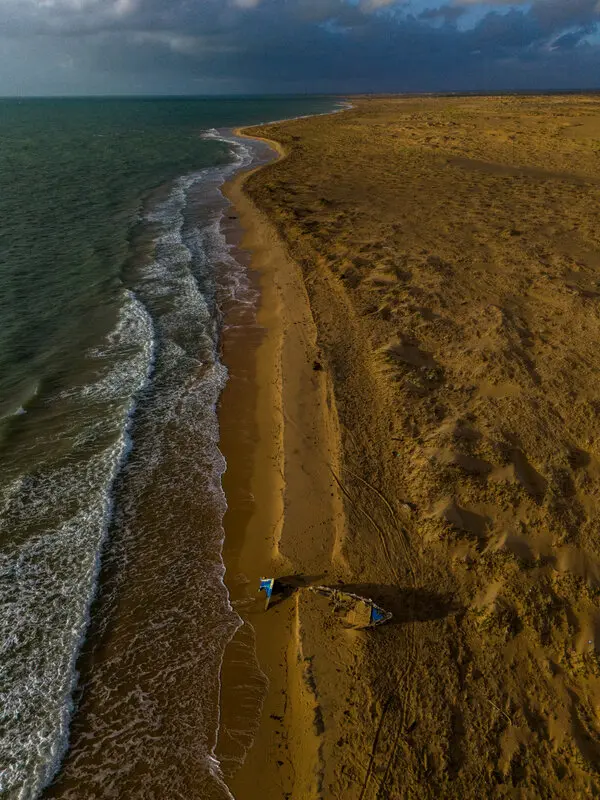
Many fishermen rely on small speedboats similar in appearance to those frequently used by drug traffickers.
From a distance, distinguishing between a fishing vessel and a smuggling vessel may not always be straightforward.
That similarity has created anxiety among people whose livelihoods depend entirely on the ocean.
Several residents describe worrying that ordinary fishing activity could be mistaken for criminal behavior.
Whether those fears reflect actual operational risks or simply perceptions within affected communities, the psychological impact has been significant.
The ocean, once viewed as a source of opportunity and survival, is increasingly viewed by some as a source of danger.
For families that have spent generations fishing, that shift carries enormous emotional and economic consequences.
Why Coastal Economies Are Being Disrupted
Fishing represents more than a job in many of these communities.
It forms the foundation of local economies.
Fishers support local markets, transportation networks, food suppliers, equipment vendors, repair services, and countless other small businesses.
When fishermen stop going to sea, the effects ripple throughout entire communities.
Residents report declining incomes, reduced economic activity, and growing uncertainty about the future.
Some families have attempted to transition into other occupations, but opportunities are often limited in remote coastal areas.
Young adults who once expected to follow their parents into fishing increasingly leave for larger cities seeking work.
This migration is changing the social fabric of many villages.
Community leaders worry that traditional ways of life may disappear if current conditions continue.
What began as an anti-drug campaign is now influencing broader economic and cultural realities.
The Complicated Relationship Between Fishing and Trafficking
One of the most difficult aspects of the situation involves the relationship between legitimate fishing and narcotics trafficking.
Residents acknowledge that criminal organizations have long operated along parts of the South American coastline.
Drug traffickers frequently rely on maritime routes to transport cocaine toward international markets.
Some criminal groups reportedly recruit local boat operators due to their familiarity with coastal waters.
Economic hardship can further complicate matters.
Fishing often provides modest and unpredictable income. During slow seasons or difficult periods, some individuals may accept temporary work connected to smuggling operations.
This reality creates a complicated environment where the distinction between legitimate economic survival and criminal activity can become blurred.
Community members emphasize that most fishermen are not traffickers.
At the same time, they acknowledge that organized crime has established a presence in many coastal regions.
This complexity makes broad assumptions particularly dangerous.
Legal Experts Question the Campaign

Beyond its impact on local communities, the campaign has sparked significant legal debate.
Numerous legal scholars and international law experts have questioned whether military strikes against suspected traffickers comply with established legal standards.
Critics argue that individuals accused of criminal activity should generally be arrested and prosecuted through judicial systems rather than targeted with lethal force.
Some experts contend that military force is typically justified only when addressing immediate threats rather than criminal conduct alone.
Supporters of the campaign argue that traffickers operate in dangerous environments and often evade traditional law enforcement methods.
They believe stronger measures are necessary to disrupt highly organized criminal networks.
The legal debate remains unresolved, but it continues attracting attention as casualty figures increase.
The controversy underscores broader tensions between security objectives and human rights considerations.
Colombia and Ecuador Respond Differently
The two countries most affected by the campaign have responded in notably different ways.
Ecuador’s government has generally supported stronger anti-trafficking measures and cooperation with international efforts targeting narcotics networks.
Many Ecuadorian officials view drug trafficking as a major threat to national security and public safety.
Colombia’s leadership has adopted a more critical stance.
President Gustavo Petro has publicly condemned certain aspects of the campaign and raised concerns regarding civilian casualties.
Following reports involving Colombian citizens, tensions emerged regarding intelligence cooperation and operational coordination.
These differing responses highlight the political complexity surrounding regional anti-drug strategies.
While governments may share concerns about organized crime, they do not always agree on the methods used to address it.
The debate reflects broader disagreements about security policy, sovereignty, and human rights.
Military Operations Are Increasing
Recent reports suggest that operational activity has intensified in recent months.
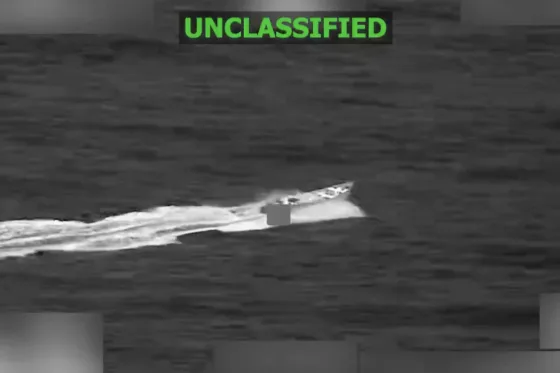
The frequency of strikes reportedly increased during several periods, accompanied by expanded surveillance and enforcement capabilities.
Additional aircraft and drone resources have reportedly enhanced the military’s ability to identify and track suspected vessels.
Supporters argue that these improvements make anti-trafficking efforts more effective.
They point to increased interception rates and reduced opportunities for smugglers to evade detection.
Critics counter that greater operational efficiency does not automatically resolve concerns regarding legality, transparency, or unintended consequences.
As technology continues improving, military forces gain more sophisticated tools for monitoring maritime activity.
However, technological advancement does not eliminate the need for public accountability and oversight.
The balance between effectiveness and accountability remains central to ongoing discussions.
Families Are Paying the Price
Beyond strategic debates and political disagreements lies a deeply human story.
Many families living along the coasts of Colombia and Ecuador describe struggling to adapt to rapidly changing circumstances.
Parents worry about providing for their children.
Fishermen question whether they can continue working safely.
Young people wonder whether their communities have a future.
Some residents report surviving on reduced incomes after abandoning fishing altogether.
Others seek temporary work wherever opportunities can be found.
The uncertainty extends beyond economics.
Fear and anxiety have become recurring themes in conversations across affected villages.
Whether discussing military operations, organized crime, or the future of local livelihoods, many residents express a feeling of powerlessness.
They are caught between forces much larger than themselves.
What This Means for the Future
The ongoing campaign highlights the increasingly complex challenges associated with combating international drug trafficking.
Organized criminal networks continue adapting their methods. Governments continue searching for effective responses. Communities remain caught in the middle.
The rising death toll has intensified scrutiny of current strategies and renewed questions about whether military force alone can achieve long-term success.
Supporters believe aggressive enforcement remains necessary to disrupt trafficking operations and protect broader public interests.
Critics argue that current methods risk creating new problems while failing to address underlying causes.
For the fishing communities scattered along South America’s coastline, the debate is not theoretical.
It influences daily decisions about work, safety, family, and survival.
As the campaign continues, policymakers will likely face growing pressure to demonstrate both effectiveness and accountability.
The future of these communities may depend not only on efforts to combat trafficking but also on whether governments can protect the livelihoods and dignity of the ordinary people who live along the region’s shores.
For now, many villages continue navigating an uncertain future, watching the horizon with a mixture of hope, concern, and caution as events far beyond their control continue reshaping life by the sea.