
Table of Contents
The Night The Hospital Standoff Began
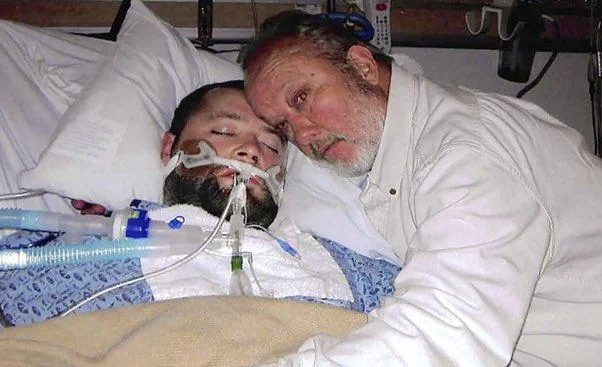
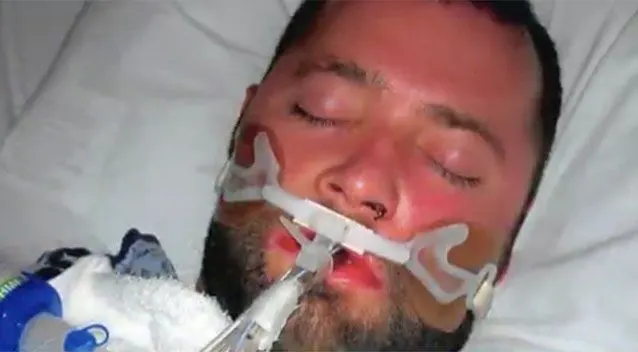
According to reports surrounding the incident, George Pickering III had suffered a severe medical emergency involving seizures and a massive stroke.
Doctors placed him on life support inside the hospital’s critical care unit.
Medical staff allegedly informed the family that the young man was unlikely to recover and described him as effectively brain dead. Hospital officials also began discussing a process known as a terminal wean, where life support is gradually removed when recovery is considered impossible.
At the same time, an organ donation organization was reportedly notified because George III was registered as an organ donor.
But George Pickering II believed the hospital was moving too quickly.
The father later explained that he had seen his son survive severe medical situations before and believed there were still signs of life doctors were overlooking.
Emotionally overwhelmed and reportedly intoxicated, Pickering entered the hospital carrying a firearm and demanded more time with his son.
The confrontation instantly transformed a private medical crisis into a public emergency involving police, hospital workers, and SWAT negotiators.
Fear Spread Throughout The Hospital

As the standoff unfolded, hospital staff reportedly feared the situation could turn deadly.
According to police reports, Pickering threatened medical workers during the confrontation. Staff members described him as aggressive and emotionally unstable earlier in the day.
Authorities say Pickering initially entered the room armed before eventually being disarmed by another son. However, the father reportedly convinced police he still possessed a second firearm.
That claim dramatically escalated the danger surrounding the incident.
Police negotiators spent hours attempting to convince Pickering to surrender peacefully while he remained inside the room with his son behind closed curtains.
At one point, Pickering later admitted he intentionally misled officers about additional weapons in order to buy more time.
Outside the room, law enforcement officers prepared for the possibility of a violent confrontation inside a hospital filled with vulnerable patients and medical personnel.
The atmosphere became increasingly tense as negotiations continued late into the night.
A Father Desperate For More Time
Despite the chaos surrounding the incident, Pickering consistently maintained that his actions came from desperation rather than violence.
The father later explained that he believed he needed only a few more hours to determine whether his son was truly brain dead.
He claimed he recognized signs doctors may have overlooked.
During the standoff, Pickering says he spoke to his unconscious son and asked him to squeeze his hand on command.
According to Pickering, his son responded multiple times.
Those moments became the emotional center of the entire case.
To the father, the hand squeezes confirmed what he had desperately hoped to believe. His son was still alive inside.
Critics questioned whether those movements represented genuine neurological responses or involuntary reflexes often seen in critically ill patients.
But for Pickering, the experience reinforced his belief that doctors were preparing to end his son’s life prematurely.
It also strengthened public sympathy once the son later regained consciousness.
The Dramatic End To The Standoff
After hours of negotiations, police eventually used a robot to pull back the curtain concealing Pickering and his son.
At that point, authorities say Pickering surrendered peacefully without further violence.
The standoff ended without anyone being physically harmed.
But the legal consequences were immediate.
Pickering was arrested and charged with aggravated assault with a deadly weapon.
For many observers, the case appeared straightforward. An armed man had entered a hospital, threatened workers, and caused a dangerous standoff involving police and SWAT teams.
Yet public opinion began shifting after George Pickering III unexpectedly regained consciousness.
The Son’s Recovery Changed Everything
Weeks after the incident, George Pickering III began recovering from the stroke and coma doctors believed he would not survive.
The recovery shocked many people connected to the case and dramatically altered public perception surrounding the father’s actions.
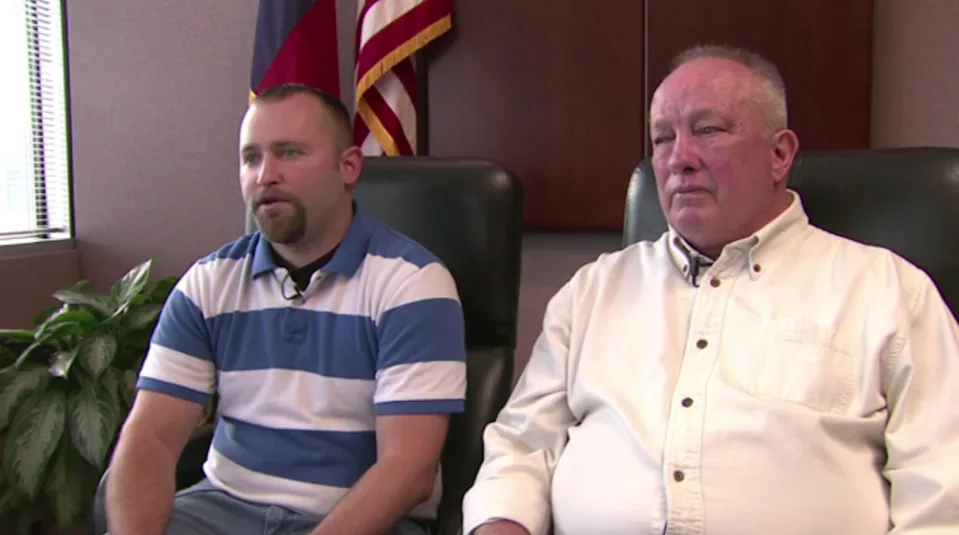
The son later publicly defended his father, describing the standoff not as violence but as an act of love.
He said he believed his father saved his life.
George III explained that he eventually learned doctors had considered him unlikely to recover. He also shared that many people later expressed shock seeing him alive because they believed he had died.
For supporters of the father, the son’s recovery transformed the incident into a story about parental instinct overcoming medical certainty.
To critics, however, the dangerous hospital confrontation still represented unacceptable behavior regardless of the eventual outcome.
The conflicting reactions turned the case into a larger national debate involving medical ethics, end of life decisions, and the limits of parental intervention.
Why The Story Sparked National Debate
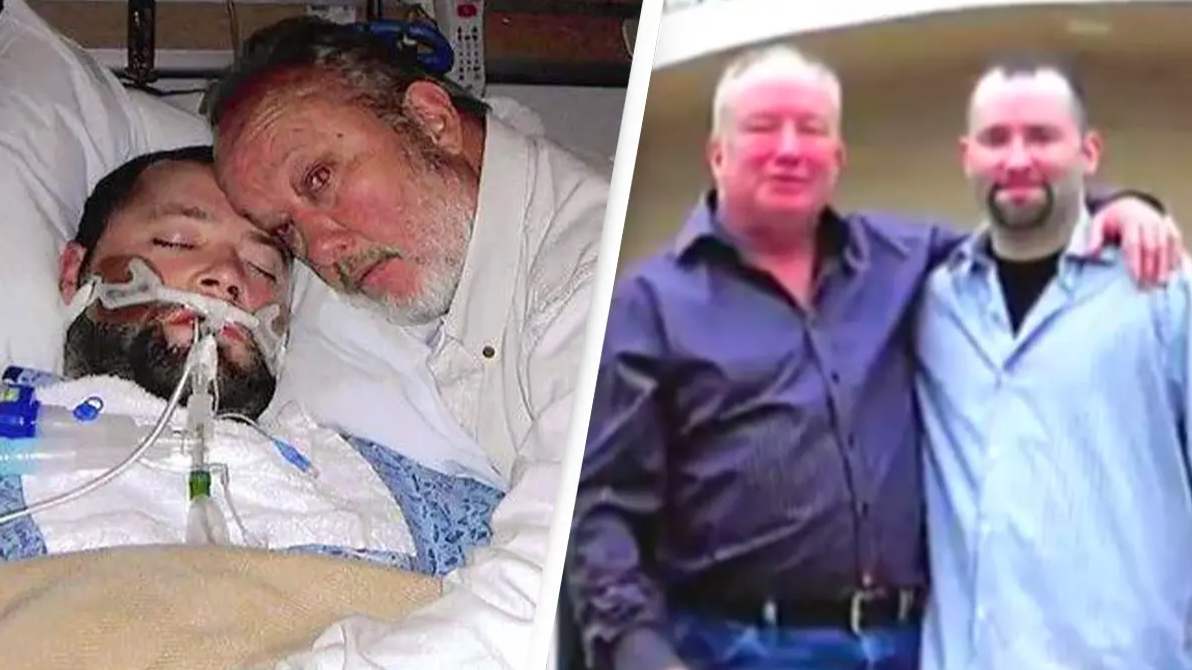
The Pickering case became emotionally powerful because it touched multiple sensitive issues at once.
It involved life support decisions, trust in doctors, organ donation procedures, parental rights, and the emotional desperation families often experience inside intensive care units.
Many people sympathized with Pickering because they imagined themselves facing a similar nightmare involving a loved one.
Parents especially connected emotionally with the father’s fear of losing his child.
Others worried the story risked encouraging dangerous mistrust toward medical professionals making extremely difficult decisions based on scientific evidence and neurological evaluations.
Doctors and hospital workers often face impossible conversations involving families desperate for hope during catastrophic medical emergencies.
Medical experts note that brain death determinations involve strict protocols and extensive testing.
Still, cases involving unexpected recoveries frequently capture public attention because they challenge assumptions about certainty in medicine.
That emotional tension helped make the Pickering case unforgettable for many people following the story.
The Criminal Charges Took A Different Turn
Initially, Pickering faced serious criminal charges connected to the armed standoff.
However, as public sympathy toward the father grew, the legal outcome shifted significantly.
One charge was eventually dismissed while another was reduced to a state jail felony.
Pickering ultimately received credit for time already served and was released from jail.
His defense attorney framed the case as a father protecting a son unable to protect himself.
That narrative resonated strongly with many members of the public.
Although authorities maintained that laws had clearly been broken, many observers believed the emotional circumstances surrounding the case justified leniency.
The outcome reflected how unusual the situation had become.
Legally, it remained a dangerous armed confrontation inside a hospital.
Emotionally, however, many people viewed it as a father refusing to abandon hope.
The Hospital’s Response
Hospital officials later released a carefully worded public statement regarding the incident.
The statement emphasized that physicians use medical knowledge and experience to guide patient care decisions and save lives daily.
Officials also noted that substitute decision makers have the right to participate in medical choices when patients cannot speak for themselves.
At the same time, the hospital stressed that disagreements over medical care must never place patients or caregivers in danger.
Because of privacy laws, officials declined discussing specific medical details connected to George Pickering III.
The response highlighted another difficult reality surrounding cases like this.
Hospitals must balance compassion for grieving families with responsibility for protecting staff and maintaining safety for everyone inside medical facilities.
That challenge becomes even more complicated when emotions escalate during life and death situations.
The Emotional Bond Between Father And Son
Perhaps the most memorable aspect of the entire story is the emotional relationship between George Pickering II and his son.
In interviews following the incident, George III repeatedly defended his father and credited him with saving his life.
He described the standoff as motivated entirely by love.
The father and son frequently appeared together publicly after Pickering’s release, emphasizing gratitude simply for being reunited.
Their interviews resonated emotionally because they reflected themes people deeply connect with: loyalty, sacrifice, family protection, and refusing to give up hope.
To many people, the story became less about criminal charges and more about the extraordinary lengths parents may go to for their children.
That emotional framing transformed the case from a local crime story into a nationally discussed human drama.
What The Pickering Story Still Represents Today
Years later, the Pickering case continues sparking debate because there are no easy answers.
The father unquestionably created a dangerous situation inside a hospital while armed and emotionally unstable.
At the same time, his son survived after doctors reportedly believed recovery was unlikely.
Those two realities exist together uncomfortably.
For some people, the case represents the power of parental love and instinct.
For others, it highlights the dangers of emotional desperation overwhelming trust in medical professionals and law enforcement.
Perhaps the lasting impact of the story lies in how deeply human it feels.
It is ultimately about fear.
Fear of loss. Fear of making the wrong decision. Fear of letting go too soon.
Inside hospitals across the world, families face impossible moments every day involving hope, grief, uncertainty, and impossible choices.
The Pickering story became unforgettable because it forced people to confront what they might do in similar circumstances.
And even now, years later, many people are still asking themselves the same difficult question.
If it were your child inside that hospital room, how far would you go to protect them?