
Table of Contents
- Family Speaks Out After Guilty Verdict
- The Crime and Conviction
- Parents Question the Fairness of the Trial
- Jury Composition and Controversy
- Political and Public Reactions
- Understanding the Legal Context
- Community Impact and Media Coverage
- The Parents’ Advocacy
- Expert Perspectives
- Broader Implications
- Fighting for Justice and Reform
Family Speaks Out After Guilty Verdict
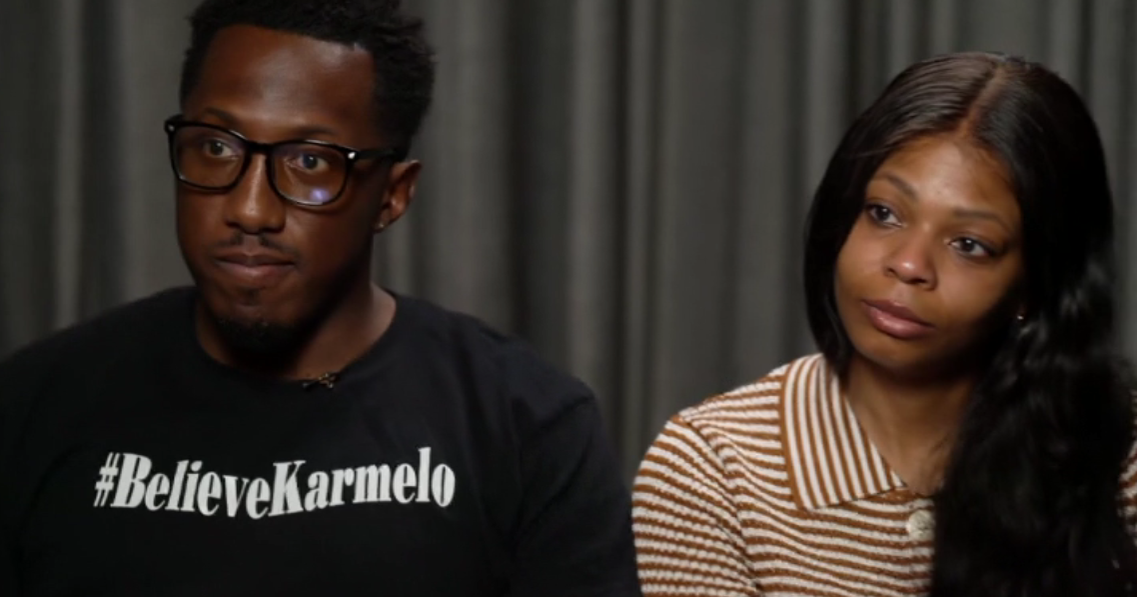
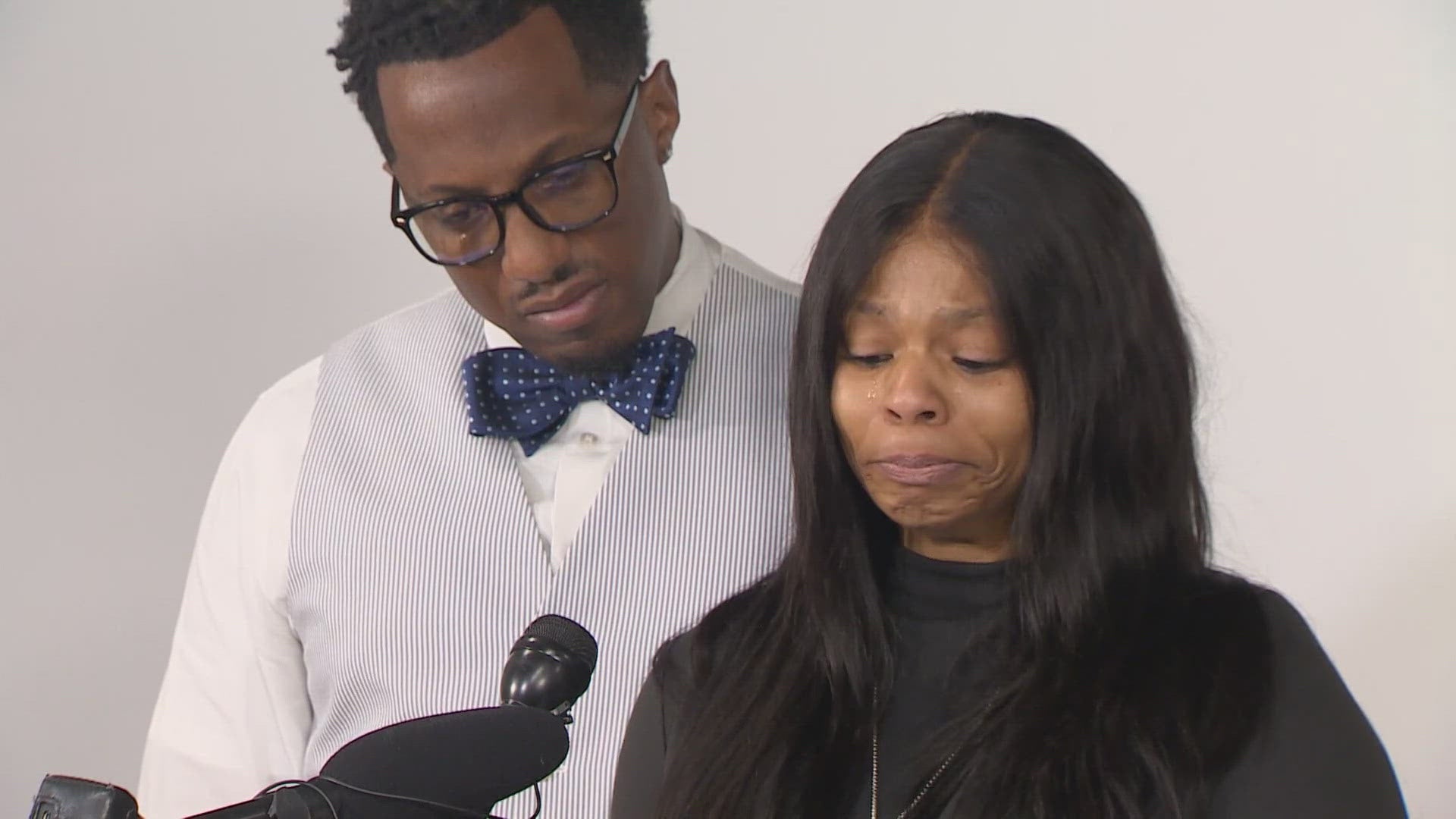
When news broke that Karmelo Anthony had been convicted of murder in Collin County, Texas, the family immediately expressed deep disbelief and concern over the fairness of the trial. The 18-year-old was found guilty of killing Austin Metcalf at a track meet last year and sentenced to 35 years in prison. His parents, Kala Hayes and Andrew Anthony, gave a heart-wrenching interview with journalist Mimi Brown, stating unequivocally that they believe their son did not receive a fair trial. The emotional weight of the verdict has propelled the family into a public campaign to challenge what they view as judicial and procedural injustice.
The Crime and Conviction

The case centers on the stabbing of Austin Metcalf during a track meet in Texas. Karmelo Anthony, then 17, was accused of attacking Metcalf, resulting in his death. After a lengthy trial, the jury returned a guilty verdict, sending Anthony to prison for decades. While the prosecution argued the evidence clearly established his culpability, the defense raised concerns over the investigation and procedural conduct, including the selection of the jury.
Parents Question the Fairness of the Trial
In the interview, Kala Hayes expressed her distress through tears, stating, “Absolutely not” when asked whether her son had been given a fair trial. Both parents emphasized their intention to continue fighting for justice. Andrew Anthony described the trial as feeling like a “setup,” suggesting that Karmelo was not afforded the protections he deserved under the law. Their sentiments have resonated with communities concerned about the integrity of the judicial system, particularly in high-profile cases.
Jury Composition and Controversy
A central point of contention involves the jury. Notably, no Black jurors were present, as two potential Black jurors were dismissed by the prosecution. The defense objected, but the judge overruled these challenges, ruling that the dismissals were lawful and “race-neutral.” Critics argue that the absence of racial diversity on the jury panel raises serious questions about impartiality and systemic bias, particularly given Anthony’s background.
Political and Public Reactions
The case has drawn attention from public figures and politicians. Rep. Jasmine Crockett voiced concerns that race played a role in the verdict, emphasizing that the lack of diversity undermines public confidence in the judicial process. Additionally, celebrity Cardi B commented on social media, suggesting that the court aimed to make an example out of Anthony. These public interventions have amplified discourse around racial bias, fairness in criminal trials, and the accountability of legal institutions.
Understanding the Legal Context
Texas law allows the prosecution broad discretion in jury selection, and courts often weigh whether challenges to potential jurors are “race-neutral.” However, the legal framework does not always prevent systemic bias, particularly in cases with heightened public attention. Analysts note that the combination of media coverage, procedural decisions, and racial composition can influence jury deliberations, either consciously or unconsciously.
Community Impact and Media Coverage

The trial and its outcome have provoked strong reactions in the community, highlighting divides along lines of race, legal interpretation, and public safety. Residents and advocacy groups have staged protests, called for legislative oversight, and initiated petitions to review the handling of jury selection in the case. Media coverage has often emphasized the emotional response of the family, the procedural controversies, and the implications for minority communities’ trust in the justice system.
The Parents’ Advocacy
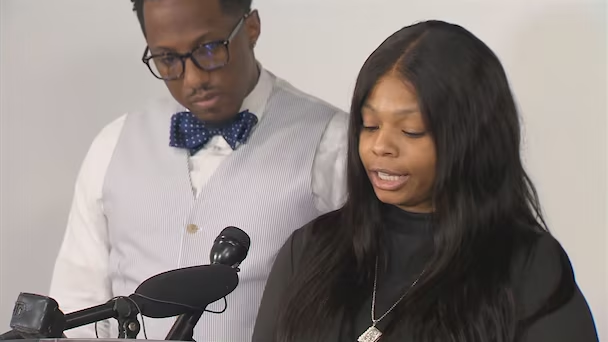
Kala Hayes and Andrew Anthony have pledged to pursue every legal avenue to challenge their son’s conviction. Their advocacy includes working with civil rights attorneys, engaging with media platforms to raise awareness, and appealing to both state and federal judicial bodies. They underscore the importance of transparency, procedural fairness, and equal representation, framing their fight as not only for Karmelo but for broader systemic reform.
Expert Perspectives
Legal experts suggest that the family’s concerns are not without precedent. Research indicates that jury composition can impact trial outcomes, particularly in racially charged cases. Sociologists and criminal justice scholars note that public perception of fairness is crucial to maintaining legitimacy in the judicial system. The Karmelo Anthony case exemplifies tensions between legal procedures, social equity, and public trust.
Broader Implications
Beyond the individual case, Anthony’s conviction and his family’s response have broader societal implications. The discussion touches on systemic racism, the role of media in shaping public opinion, and the balance between legal standards and equitable treatment. Advocates argue that ensuring diverse and representative juries is critical to preventing miscarriages of justice, maintaining public confidence, and upholding constitutional protections.
Fighting for Justice and Reform
The story of Karmelo Anthony and his family highlights the complex intersection of criminal justice, race, and media scrutiny. As the parents continue their legal and public advocacy, the case serves as a lens through which the United States can examine procedural fairness, jury representation, and the impact of societal biases on the judicial process. What remains clear is that Anthony’s conviction has sparked a nationwide conversation on justice, fairness, and accountability, and the family’s persistence underscores the enduring struggle for equity within the legal system.
The case also raises awareness about the importance of diverse juries, public engagement in legal reforms, and vigilant scrutiny of how high-profile trials are conducted. As appeals and advocacy continue, Anthony’s story may influence future legal reforms, ensuring that all defendants receive a fair trial regardless of race, media attention, or public pressure.