

Table of Contents
- Colorado’s Latest Firearm Law Sparks Immediate Backlash
- What The New Law Actually Requires
- Why Gun Rights Advocates Are Fighting Back
- The Constitutional Questions At The Center Of The Dispute
- Lawmakers Say The Law Has Been Misunderstood
- Colorado’s Broader Firearm Policy Evolution
- The Growing Legal Battle Over Colorado Gun Laws
- Why Both Sides Believe The Stakes Are High
- What Happens Next In The Lawsuit
- What This Fight Could Mean For The Future
Colorado’s Latest Firearm Law Sparks Immediate Backlash
The legal challenge centers on House Bill 26-1126, a measure signed into law by Governor Jared Polis on June 2, 2026.
The legislation emerged from broader efforts to regulate firearm dealers operating within Colorado. Lawmakers described the bill as a follow up to reforms enacted in 2024, which established a state level firearms dealer permit system and created a specialized Firearms Dealer Division within the Department of Revenue.
Supporters of the legislation argue that the new law closes gaps discovered after state officials began implementing the earlier framework. According to lawmakers, field experience revealed areas where additional rules were necessary to improve oversight and strengthen compliance standards.
What might have otherwise been viewed as a technical regulatory update quickly became a major flashpoint once firearm advocacy groups examined the law’s expanded record keeping requirements.
For opponents, those provisions represented far more than administrative adjustments.
What The New Law Actually Requires
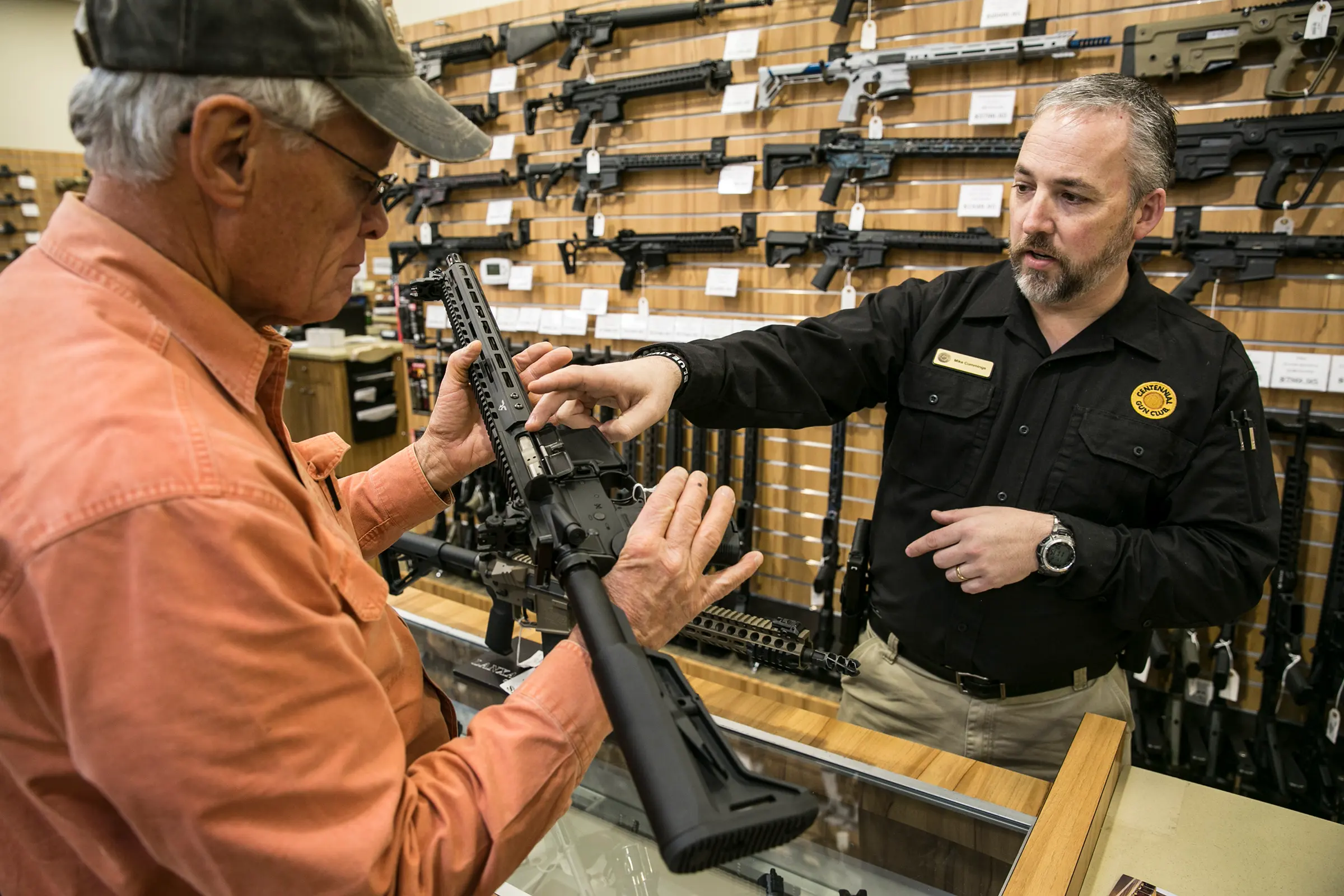
One of the most significant changes introduced by the legislation involves firearm transaction records.
Under previous requirements, dealers maintained records for certain categories of firearms, particularly handguns such as pistols and revolvers. The new law expands those requirements substantially.
Dealers must now track sales, rentals, and exchanges involving all firearms.
The records are required to include information such as the customer’s name, age, address, and details regarding the firearm involved in the transaction.
Supporters argue these records help regulators verify compliance, investigate potential violations, and ensure firearm dealers operate according to state law.
Critics counter that the expanded requirements create a large repository of personal information involving law abiding gun owners.
That disagreement has become the foundation of the lawsuit now being prepared by the Colorado State Shooting Association.
Why Gun Rights Advocates Are Fighting Back
The Colorado State Shooting Association announced plans to challenge the law in federal court shortly after it was signed.
Association leaders argue that the legislation creates opportunities for government officials to access sensitive customer information without sufficient constitutional protections.
During a press conference held at Centennial Gun Club, firearm instructors, gun rights advocates, and attorneys criticized the law as an unnecessary expansion of government authority.
Their primary concern involves who may access the records and under what circumstances.
Opponents argue that government employees could potentially request information maintained by firearm dealers without obtaining warrants or demonstrating probable cause.
According to advocates preparing the lawsuit, that process raises serious Fourth Amendment concerns regarding protection from unreasonable searches and seizures.
The issue is not simply about firearms, they argue. It is about privacy, due process, and limits on governmental power.
The Constitutional Questions At The Center Of The Dispute

Legal challenges involving firearm regulations often focus on the Second Amendment. Interestingly, this lawsuit is expected to concentrate heavily on a different constitutional provision.
The Fourth Amendment protects citizens from unreasonable searches and seizures.
Attorneys involved in the challenge argue that requiring firearm dealers to maintain detailed customer information while allowing broad government access creates constitutional concerns.
From their perspective, individuals who legally purchase firearms should not be subject to what they view as expanded government scrutiny without clear justification.
The legal argument centers on whether access to those records can occur without traditional safeguards such as warrants, probable cause, or judicial oversight.
Supporters of the lawsuit believe those issues deserve federal court review.
Whether judges ultimately agree remains uncertain, but constitutional questions are expected to dominate future legal proceedings.
Lawmakers Say The Law Has Been Misunderstood
Supporters of House Bill 26-1126 strongly reject claims that the legislation creates a gun owner registry or violates constitutional protections.
In fact, the law explicitly prohibits the state from using dealer maintained information to create a firearm ownership registry.
That provision was included specifically to address concerns that firearm transaction data could eventually be consolidated into a government database tracking gun ownership.
Bill sponsors describe the legislation as a practical regulatory measure rather than a dramatic expansion of government power.
According to lawmakers involved in drafting the bill, state officials identified operational challenges after implementing earlier firearm dealer reforms. The latest legislation was intended to address those issues while strengthening accountability standards throughout the industry.
Supporters argue that critics are overstating the law’s reach and creating unnecessary alarm among firearm owners.
Nevertheless, concerns continue to spread among many gun rights organizations.
Colorado’s Broader Firearm Policy Evolution
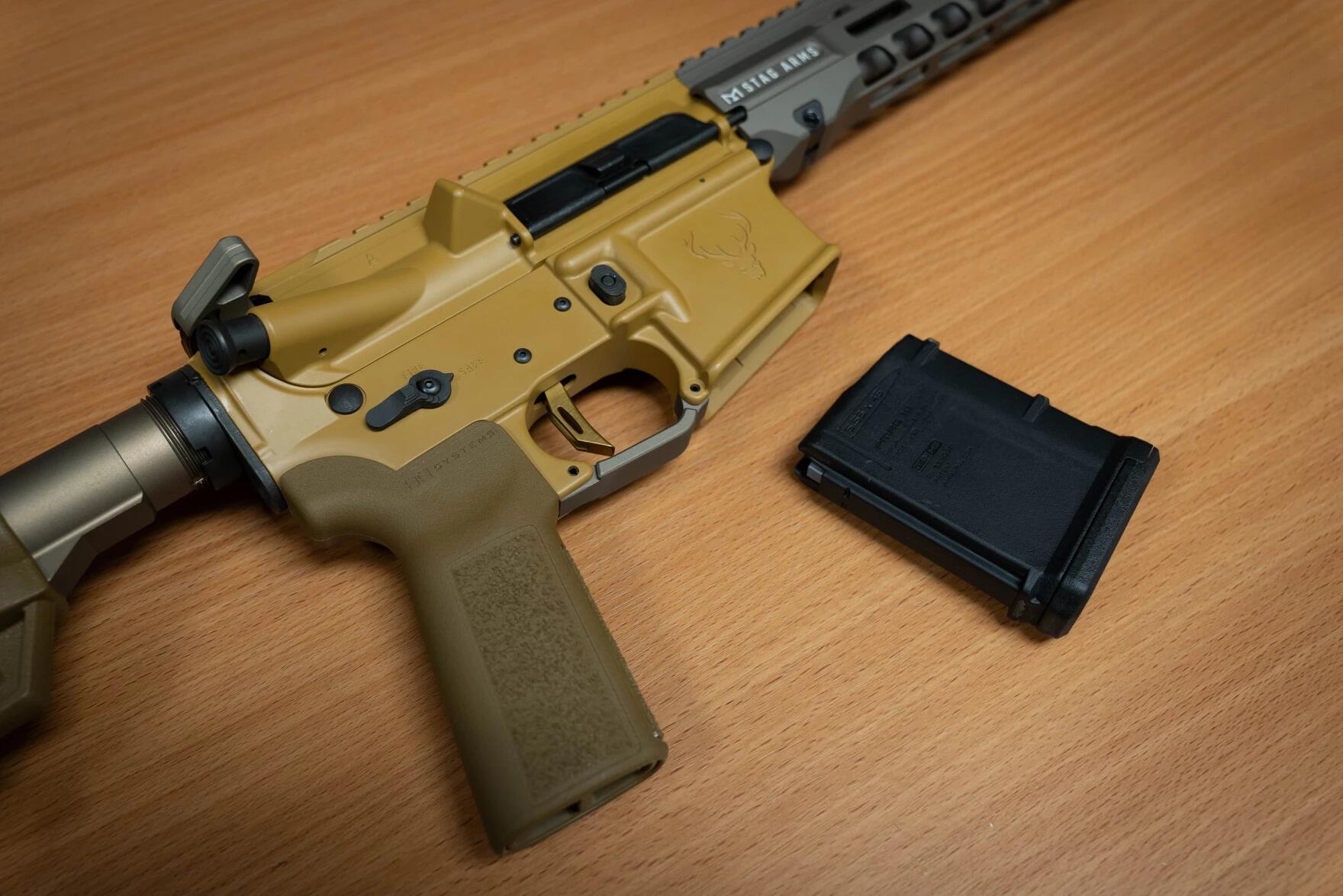
The current dispute cannot be fully understood without examining Colorado’s recent history of firearm regulation.
Over the past several years, lawmakers have adopted a series of significant gun related measures.
These changes have included waiting periods for firearm purchases, additional training requirements for concealed carry permits, and permit to purchase systems affecting certain semiautomatic firearms.
Each reform has generated intense debate.
Supporters generally frame these policies as public safety initiatives designed to reduce gun violence and improve responsible firearm ownership.
Opponents frequently view the measures as incremental restrictions that place burdens on law abiding citizens while doing little to deter criminals.
The latest controversy fits into that broader pattern.
For many firearm advocates, House Bill 26-1126 represents another step in a larger trend of increasing regulation.
For supporters, it represents routine refinement of an evolving regulatory framework.
The Growing Legal Battle Over Colorado Gun Laws
The lawsuit involving record retention requirements is not occurring in isolation.
The Colorado State Shooting Association is already involved in separate litigation challenging the state’s permit to purchase program.
That earlier lawsuit remains ongoing.
Association leaders have indicated that additional legal challenges may follow as new firearm regulations continue taking effect.
This strategy reflects a broader national trend in which advocacy groups increasingly use litigation to challenge gun laws rather than relying solely on legislative battles.
Courtrooms have become major arenas for determining the future of firearm policy in the United States.
As a result, legal outcomes often have consequences that extend well beyond a single state.
A ruling in Colorado could influence future challenges elsewhere, particularly if courts issue significant constitutional interpretations regarding privacy protections and firearm ownership records.
Why Both Sides Believe The Stakes Are High
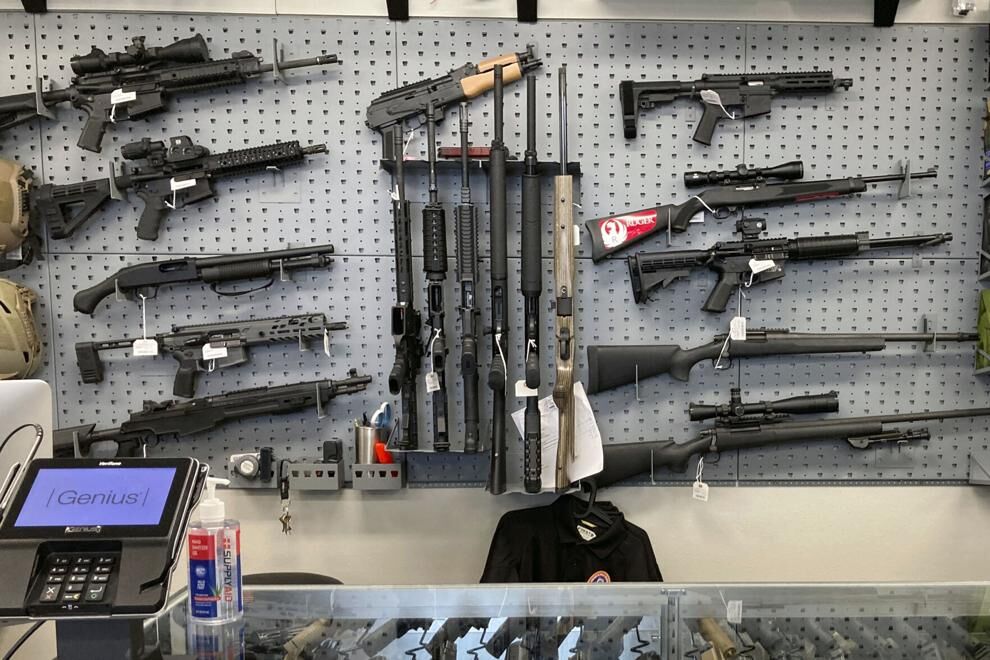
For gun rights advocates, the case is about preserving constitutional protections before they believe government authority expands too far.
Many supporters of the lawsuit argue that privacy rights must remain intact regardless of whether the records involve firearms, financial transactions, or other personal information.
They view the dispute as a test of constitutional limits.
Supporters of the law see the issue differently.
They argue that responsible oversight of firearm dealers is necessary to ensure compliance, investigate misconduct, and maintain public confidence in the regulatory system.
From their perspective, reasonable record keeping requirements are common in many industries and do not automatically constitute constitutional violations.
Because both sides view the stakes as significant, the legal battle is likely to attract national attention.
The outcome could shape future discussions regarding the balance between individual rights and regulatory oversight.
What Happens Next In The Lawsuit
Although the lawsuit has been announced, the legal process is only beginning.
Attorneys representing the Colorado State Shooting Association are expected to file their challenge in federal court.
Once filed, the case will move through several stages, including motions, legal briefings, evidence submissions, and potentially hearings before a federal judge.
The state will have opportunities to defend the law and argue that it complies with constitutional requirements.
Judges may eventually be asked to determine whether portions of the law should be temporarily blocked while litigation continues.
Depending on how the courts rule, appeals could follow.
Given the constitutional issues involved, the dispute could remain active for months or even years.
What This Fight Could Mean For The Future
The Colorado firearm records dispute reflects a broader national conversation that shows little sign of disappearing.
Across the United States, lawmakers continue searching for ways to balance public safety objectives with constitutional protections. At the same time, advocacy groups remain vigilant against policies they believe threaten individual freedoms.
The controversy surrounding House Bill 26-1126 illustrates how difficult that balance can be to achieve.
Even relatively technical provisions involving record retention can become major constitutional flashpoints when questions of privacy and government authority arise.
As the lawsuit moves forward, courts will be asked to weigh competing interests that have shaped American legal debates for generations. The outcome may ultimately influence not only firearm policy in Colorado but also broader discussions about personal privacy, government oversight, and the limits of regulatory power.
For now, both sides remain firmly convinced they are defending fundamental principles. Whether the courts view the law as a necessary regulatory tool or an unconstitutional intrusion will determine the next chapter in one of Colorado’s most closely watched legal battles of 2026.