

Table of Contents
- The Incident That Shocked a Texas Community
- A Father’s Immediate Response
- The Evidence Investigators Found
- Why the Father Was Investigated
- Understanding Texas Self Defense Laws
- The Grand Jury’s Critical Decision
- The Emotional Impact on the Community
- Why Cases Like This Generate National Debate
- The Role of the 911 Call
- Protecting Victims While Preserving Justice
- Why the Case Still Matters Today
- A Story That Continues to Shape Conversations
The Incident That Shocked a Texas Community
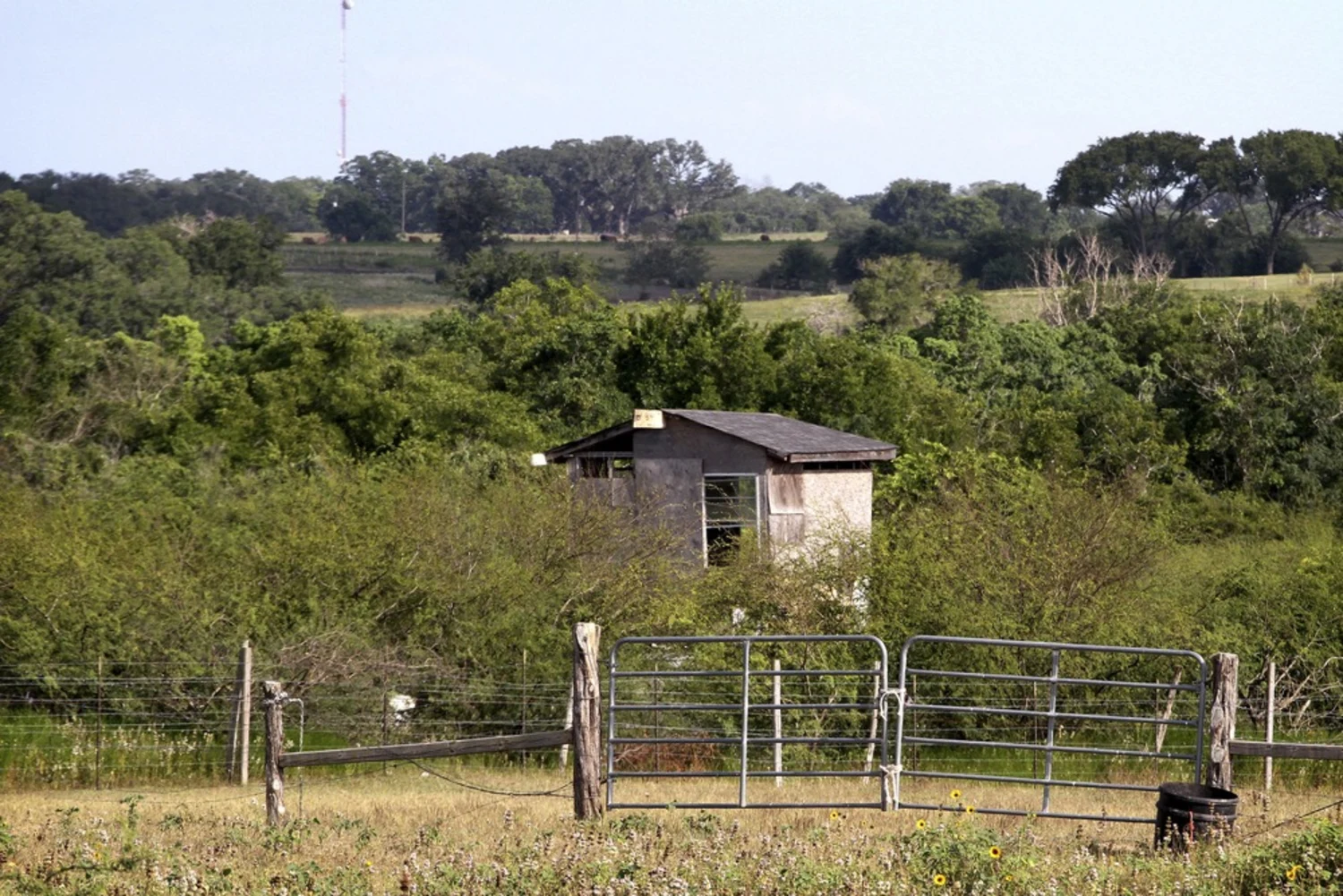
The events unfolded on June 9, 2012, in a rural area of southern Texas.
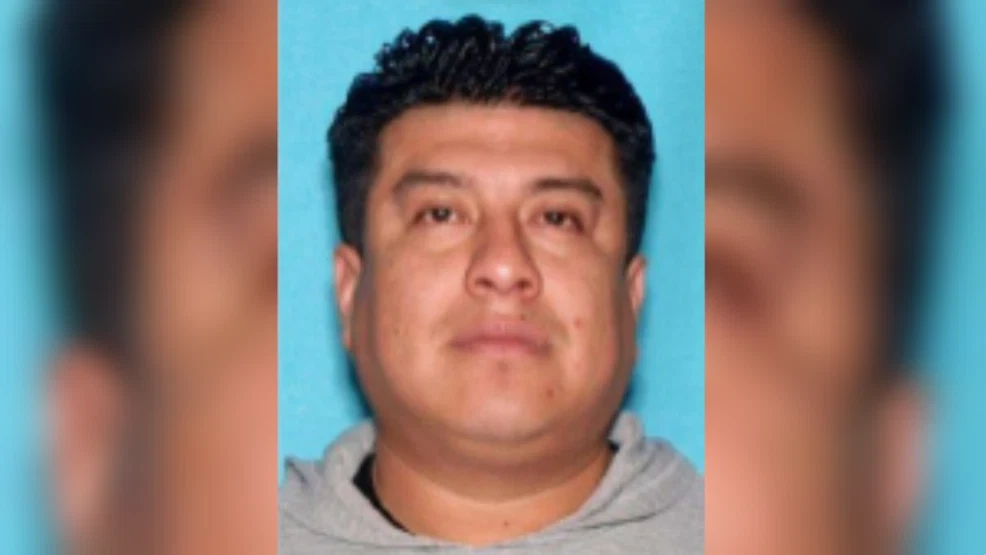
According to investigators, a five-year-old girl had been taken to a remote location where she was being sexually assaulted by a 47-year-old man identified as Jesus Mora Flores.
Authorities later said a witness observed suspicious activity involving the child and alerted family members, helping set in motion a chain of events that would dramatically alter multiple lives.
The girl’s father reportedly heard screams and rushed toward the area where the child was located.
What he encountered would become the central focus of the investigation.
According to statements released by law enforcement, the father found his daughter being assaulted and immediately confronted the suspect.
Moments later, the encounter turned deadly.
A Father’s Immediate Response

Investigators determined that the father physically attacked Flores after discovering the alleged assault.
Officials said multiple blows were delivered to the suspect’s head and neck during the confrontation.
Emergency services were called to the scene, and the father himself contacted 911.
Audio from the emergency call later became one of the most discussed aspects of the case.
The recording captured a distraught parent attempting to explain what had happened while desperately seeking help.
Authorities described the caller as emotional, confused, and clearly overwhelmed by the situation unfolding before him.
The call provided investigators with an immediate account of the incident and offered insight into the father’s state of mind during those critical moments.
The Evidence Investigators Found
When emergency responders arrived at the location, they discovered Flores deceased.
Investigators documented evidence at the scene that they said was consistent with the father’s account.
Officials reported that the suspect’s clothing was partially removed and that circumstances surrounding the scene supported allegations of sexual assault.
The young victim was transported for medical evaluation.
According to prosecutors, the medical examination confirmed evidence consistent with sexual abuse.
These findings became crucial to the investigation because they helped establish the context in which the confrontation occurred.
Rather than focusing solely on the death of the suspect, authorities were required to evaluate the entire sequence of events leading up to it.
The evidence collected would ultimately play a significant role in determining whether criminal charges were appropriate.
Why the Father Was Investigated

Despite public sympathy, investigators still conducted a homicide investigation.
Whenever a person dies as a result of another individual’s actions, law enforcement agencies are generally required to examine the circumstances carefully.
Authorities emphasized that no one receives automatic immunity simply because the facts appear emotionally compelling.
Investigators interviewed witnesses, reviewed physical evidence, analyzed medical reports, and examined the 911 call.
Their responsibility was to determine whether the father’s actions were legally justified under Texas law.
Although he was never arrested, the father remained under investigation while prosecutors gathered information and presented the case to a grand jury.
The process reflected the legal system’s obligation to evaluate facts rather than rely solely on public opinion.
Understanding Texas Self Defense Laws
Texas has some of the most widely discussed self-defense laws in the United States.
State law allows individuals to use force in certain situations to protect themselves or others from immediate harm.
In cases involving serious violent crimes, the law may also permit the use of deadly force if it is deemed necessary to prevent death, serious bodily injury, kidnapping, sexual assault, or other specified offenses.
Legal experts noted that the father’s case involved allegations of an ongoing sexual assault against a young child.
That distinction proved important.
Prosecutors had to determine whether the father reasonably believed force was necessary to stop the crime and protect his daughter from further harm.
Under Texas law, those considerations can significantly influence whether criminal liability exists.
The Grand Jury’s Critical Decision
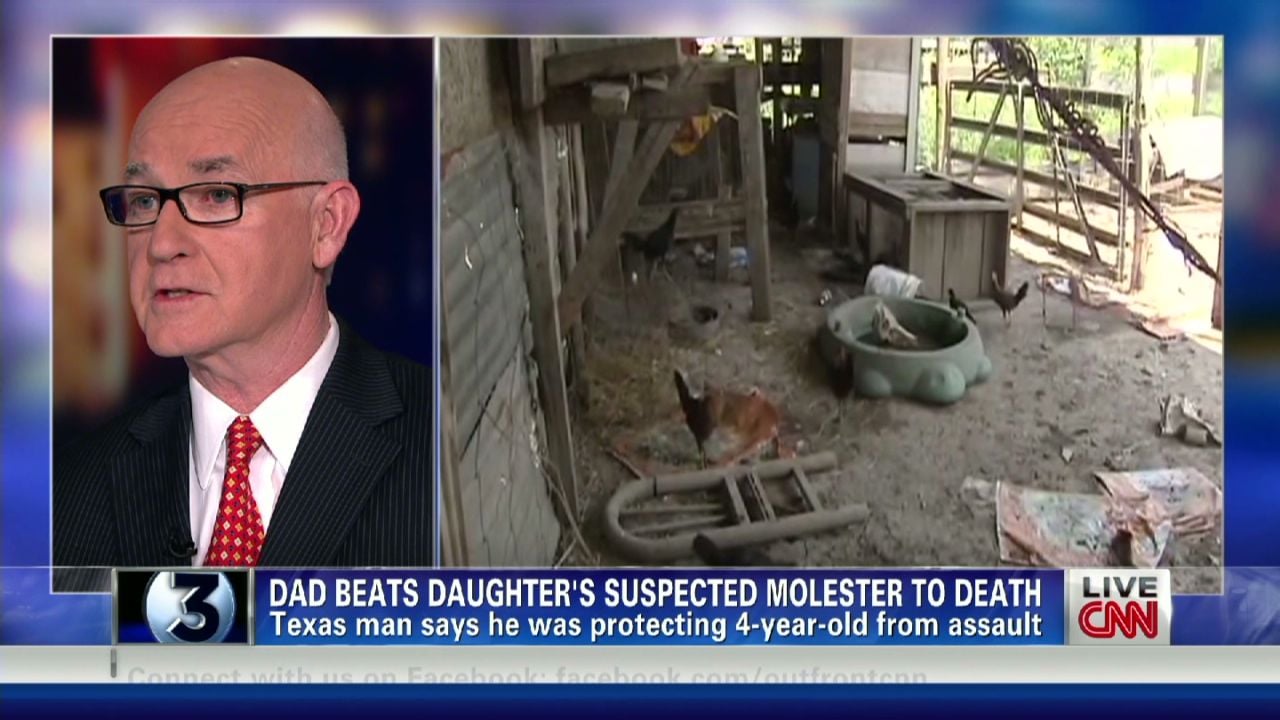
After reviewing evidence, the case was presented to a grand jury.
A grand jury does not determine guilt or innocence. Instead, it decides whether sufficient evidence exists to bring criminal charges.
In this case, jurors examined testimony, investigative findings, medical evidence, and legal standards related to self-defense and defense of others.
Ultimately, the grand jury declined to indict the father.
The decision effectively ended the possibility of criminal prosecution.
By refusing to issue an indictment, the grand jury concluded that the evidence did not support criminal charges under the circumstances presented.
For the father and his family, the decision marked the conclusion of a highly scrutinized legal process.
For many observers, it also highlighted how self-defense laws operate in cases involving protection of children.
The Emotional Impact on the Community
Beyond the legal questions, the case generated an intense emotional response.
News reports quickly spread across the country, prompting reactions from parents, advocacy groups, legal analysts, and members of the public.
Many people viewed the father through the lens of parental instinct, imagining how they might react if confronted with a similar situation.
Others focused on the legal principles involved, emphasizing the importance of allowing investigations to proceed regardless of public sentiment.
The combination of a vulnerable child, an alleged violent crime, and a father’s desperate response created a story that resonated deeply with many Americans.
Years later, the case remains one of the most frequently cited examples of a parent intervening during an alleged attack on a child.
Why Cases Like This Generate National Debate
Cases involving self-defense often spark disagreement because they exist at the intersection of law, morality, and emotion.
Supporters of broad self-defense protections argue that individuals should not hesitate when protecting themselves or loved ones from immediate danger.
Critics sometimes worry that highly emotional situations can complicate objective evaluations of force and proportionality.
In this case, however, many legal experts noted that the circumstances were unusual because investigators concluded there was evidence supporting claims of an active sexual assault.
That context significantly influenced how both prosecutors and the public viewed the father’s actions.
The case became a focal point in larger discussions about whether legal systems adequately protect victims and those who intervene on their behalf.
The Role of the 911 Call
One of the most memorable elements of the investigation was the father’s emergency call.
Recordings released during the investigation revealed a man struggling to process a horrifying situation while attempting to obtain medical assistance.
Observers noted that the call reflected panic, shock, and desperation rather than calculation.
For investigators, the recording offered valuable insight into the immediate aftermath of the confrontation.
It also reinforced the timeline established through witness accounts and physical evidence.
While no single piece of evidence determined the outcome, the 911 call became an important component of understanding the father’s perspective during those critical moments.
The emotional nature of the recording contributed significantly to public interest in the case.
Protecting Victims While Preserving Justice

The case also highlighted the challenges prosecutors face when balancing compassion with legal responsibility.
Authorities must ensure that victims receive justice while also maintaining consistent standards under the law.
In this situation, prosecutors emphasized that their decision was based on evidence and legal analysis rather than emotion alone.
The investigation sought to determine whether the father’s actions were legally justified under Texas statutes.
After reviewing the available evidence, authorities concluded that criminal prosecution was not warranted.
That conclusion reflected not only sympathy for the family but also the legal framework governing defense of others within the state.
Why the Case Still Matters Today
More than a decade later, the Texas father’s case continues to be discussed whenever self-defense laws enter public debate.
Supporters cite it as an example of legal protections functioning as intended when innocent lives are threatened.
Others view it as a reminder of how quickly ordinary people can find themselves facing unimaginable circumstances.
The case also illustrates the complex relationship between law and human emotion.
While legal systems rely on statutes and evidence, they must also address situations involving fear, trauma, and split-second decisions.
Those realities ensure that cases like this remain part of broader conversations about justice and public safety.
A Story That Continues to Shape Conversations
The decision not to charge the Texas father closed one chapter of a deeply tragic story, but it did not end the broader discussion surrounding it.
The case remains a powerful example of how self-defense laws are applied when a parent acts to protect a child from immediate danger. It continues to be referenced in debates involving defense of others, parental rights, and the limits of lawful force.
For many people, the story is ultimately about more than legal statutes or courtroom procedures. It is about the instinct to protect loved ones when confronted with extraordinary danger. While opinions may differ on broader questions surrounding self-defense law, the case stands as a reminder of the difficult decisions that can arise in moments of crisis and the complex legal evaluations that follow.
Years after the events unfolded in rural Texas, the case continues to raise important questions about justice, protection, and how society responds when ordinary individuals are thrust into extraordinary circumstances.