

Table of Contents
- When a Quiet Sarasota Neighborhood Became the Center of a Devastating Family Tragedy
- The Day of the Incident That Changed Everything
- Arrest at the Scene and Immediate Police Response
- Surveillance Footage and Critical Evidence in the Case
- Charges and Legal Proceedings Begin to Take Shape
- Family Background and Emotional Context of the Case
- Courtroom Proceedings and What Happens Next
- Community Impact and Public Reaction
- Broader Questions Raised by Domestic Violence Cases
- A Case That Will Continue Through the Justice System
When a Quiet Sarasota Neighborhood Became the Center of a Devastating Family Tragedy
When news broke that a Sarasota man had been formally arraigned after being accused of killing his girlfriend, their young son, and the family dog, the case immediately drew intense public attention across Florida. What began as a domestic setting in a residential neighborhood has now turned into one of the most closely followed criminal cases in the region, raising questions about family violence, mental state evaluations, and the justice process in high profile homicide cases.
The defendant, Nicholas Novickis, entered a written plea of not guilty during his arraignment and waived his appearance in court while remaining in custody. He faces multiple serious charges including second degree murder and aggravated animal cruelty in connection with a shooting that investigators say took place inside a family home in Sarasota, Florida.
The case has left the local community searching for answers as prosecutors continue building evidence for trial proceedings that could extend for years.
The Day of the Incident That Changed Everything
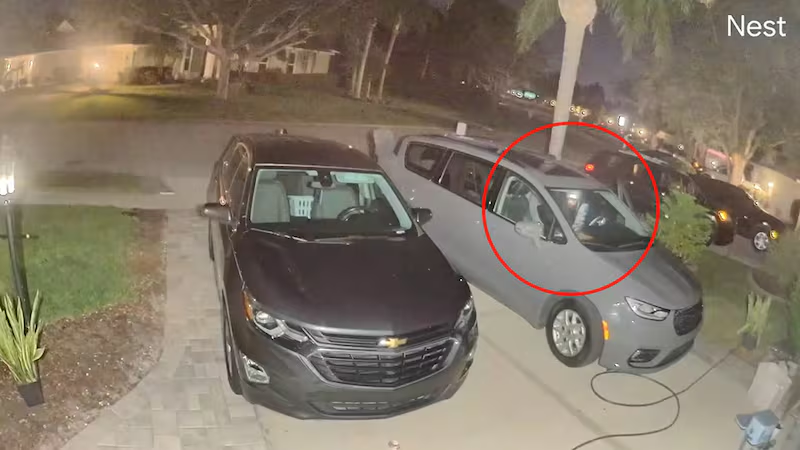
According to law enforcement reports, the incident occurred on May 23 at a residence on Mondrian Court in Sarasota. Authorities say officers were dispatched to the home after Novickis’ mother called 911 reporting that her son had shot members of his own family.
Investigators allege that the victims included his girlfriend, identified as Allie, their 6 year old son named Phoenix, and the family dog. Emergency responders arrived to find all three victims deceased or fatally injured inside the residence.
The shooting reportedly took place during what was described by family members as an ordinary visit, where the mother of Novickis had planned to spend time with her son and family. Instead, the day ended in a violent tragedy that stunned both first responders and the surrounding community.
Arrest at the Scene and Immediate Police Response
Authorities confirmed that Nicholas Novickis was taken into custody at the scene without incident shortly after officers arrived. Police stated that there was no active struggle during the arrest, and the situation was contained quickly once law enforcement secured the property.
Allie and Phoenix were pronounced dead at the scene, while the family dog was transported to a veterinary facility but later died from its injuries. The rapid sequence of events left investigators with limited immediate context, prompting a deeper forensic and digital review of what occurred inside the home.
Officials have since classified the case as a multiple victim domestic homicide investigation, one of the most serious categories under Florida criminal law.
Surveillance Footage and Critical Evidence in the Case

One of the most significant developments in the investigation is the existence of surveillance footage from inside the residence. According to investigators, the video reportedly captures portions of the incident, including Novickis approaching his young son before firing a weapon.
Authorities also stated that the footage shows Novickis dropping the firearm at some point during the sequence, after which his mother was able to retrieve the weapon and exit the home without injury. This detail has become a key piece of evidence in understanding the timeline of events.
Prosecutors have not publicly released the footage in full, but they have confirmed its existence and its role in shaping the criminal charges now facing the defendant.
Charges and Legal Proceedings Begin to Take Shape
The court has formally charged Nicholas Novickis with two counts of second degree murder involving a firearm and one count of aggravated animal cruelty. These charges reflect both the human and animal victims in the case, underscoring the severity of the allegations.
During the arraignment, Novickis entered a written plea of not guilty and waived his right to appear in person. This procedural step allows the case to move forward into pre trial stages while the defendant remains in custody.
Legal experts note that second degree murder charges in Florida typically involve allegations of intentional acts that are not premeditated but demonstrate a disregard for human life. The inclusion of aggravated animal cruelty adds another layer of legal complexity to the case.
Family Background and Emotional Context of the Case
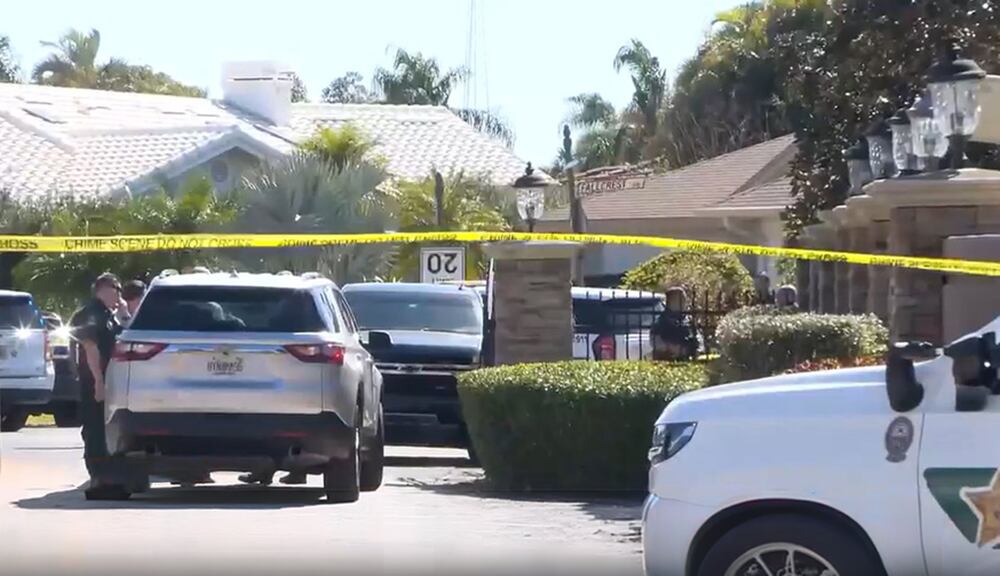
While the legal process continues, additional details have emerged about the family background of those involved. According to reports, Novickis and his girlfriend had been in a long term relationship and shared parenting responsibilities for their 6 year old son, Phoenix.
Family members and acquaintances have described the household as outwardly normal prior to the incident, making the sudden escalation of violence even more difficult for relatives to comprehend.
Authorities have not yet released a confirmed motive, and investigators continue to review digital evidence, witness statements, and psychological history as part of the ongoing case preparation.
Courtroom Proceedings and What Happens Next
With the not guilty plea entered, the case now moves into the pre trial phase, where both prosecution and defense teams will begin building their arguments. This stage typically involves evidence review, motion filings, and potential hearings related to admissibility of surveillance footage and witness testimony.
The next court date for Nicholas Novickis has not yet been scheduled, but legal analysts expect a lengthy process given the severity and complexity of the charges.
Prosecutors will likely focus on forensic evidence, digital recordings, and testimony from law enforcement and family members present during or after the incident.
Community Impact and Public Reaction

The Sarasota case has sent shockwaves through the local community, particularly because of the involvement of a young child and the family dog as victims. Residents have expressed grief, confusion, and concern over how such a tragedy could unfold within a residential neighborhood.
The case has also reignited broader conversations about domestic violence warning signs, mental health intervention, and the challenges law enforcement faces when responding to incidents that escalate rapidly within private homes.
Community advocates emphasize the importance of early intervention and support systems, especially in households where emotional or psychological distress may not be immediately visible.
Broader Questions Raised by Domestic Violence Cases
Beyond the courtroom, the case involving Nicholas Novickis raises larger societal questions about prevention, accountability, and the systems in place to identify risk before violence occurs.
Experts in criminal justice note that domestic homicide cases often involve complex combinations of mental health struggles, relationship breakdowns, and situational triggers that may not be easily predicted.
The presence of surveillance footage in this case may provide clarity for legal proceedings, but it does not necessarily resolve the broader questions about how such tragedies can be prevented in the future.
A Case That Will Continue Through the Justice System
As the legal process continues, the Sarasota case remains a deeply sensitive and closely watched proceeding. The not guilty plea entered by Nicholas Novickis marks only the beginning of what is expected to be a lengthy judicial journey.
While the courts will ultimately determine criminal responsibility based on evidence and legal standards, the emotional impact of the case has already been deeply felt by the local community and beyond.
The incident stands as a reminder of how quickly domestic environments can shift from ordinary family settings into scenes of irreversible tragedy, leaving behind legal, emotional, and social questions that extend far beyond the courtroom.