
Table of Contents
- Keir Starmer Resigns As UK Prime Minister
- The Speech That Changed Downing Street
- A Stunning Fall After A Historic Win
- Why Labour MPs Lost Confidence
- The Burnham Factor
- Streeting’s Support Changes The Race
- What Happens Next For Labour
- Policy Problems That Hurt Starmer
- Scandals And Questions Of Judgement
- Reform UK And The Bigger Political Threat
- A Country Facing Another Leadership Change
- What Burnham Would Inherit
- The End Of Starmer’s Chapter
Keir Starmer Resigns As UK Prime Minister
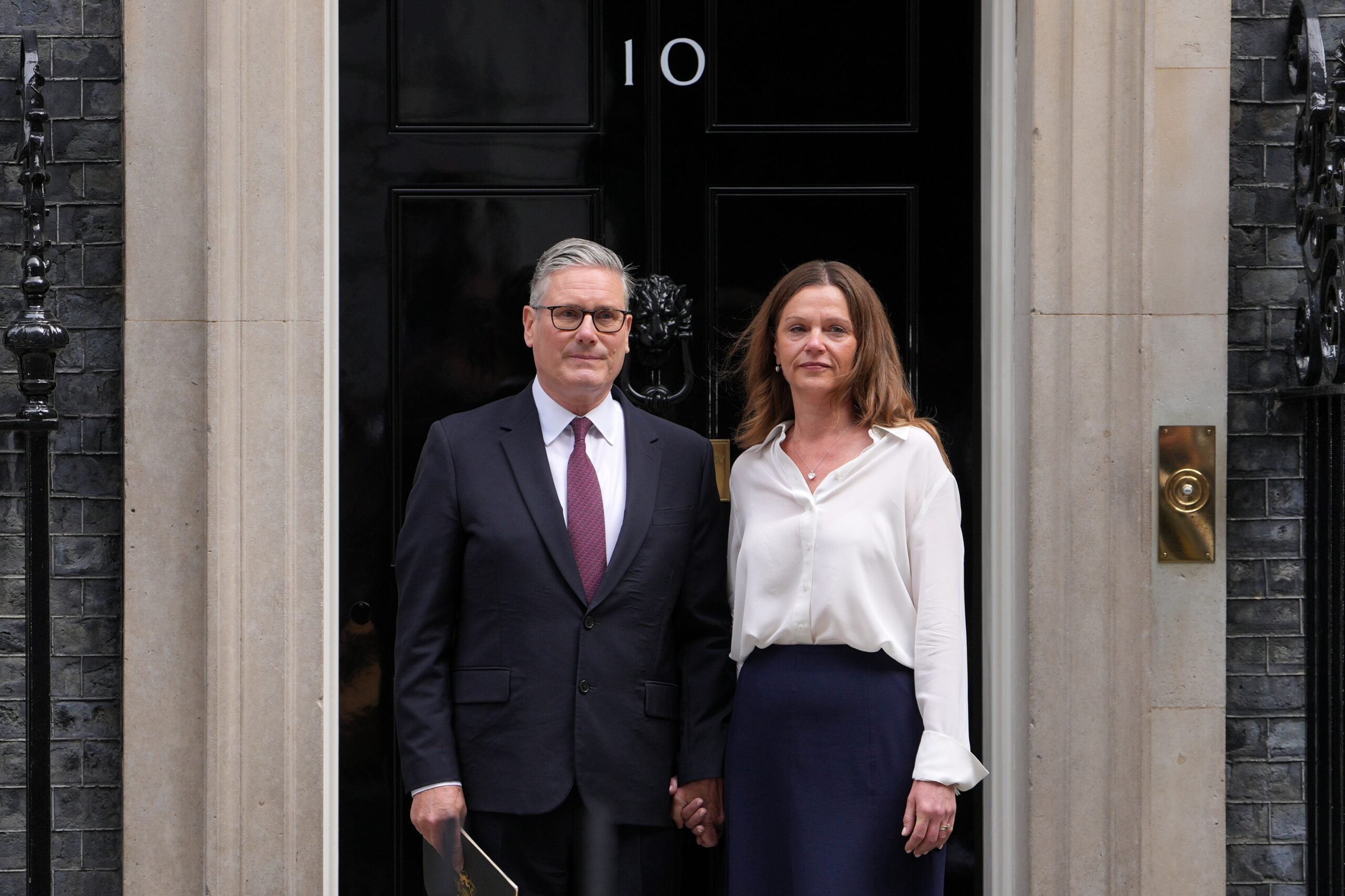
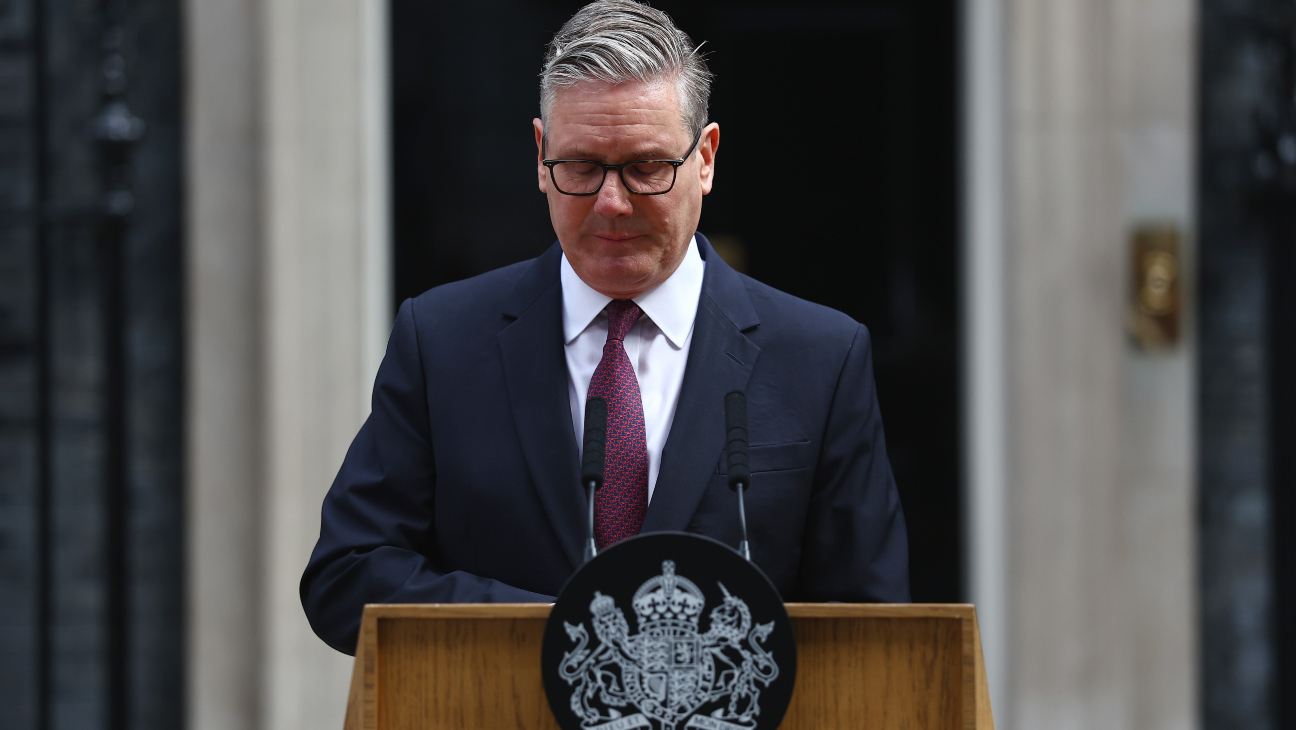
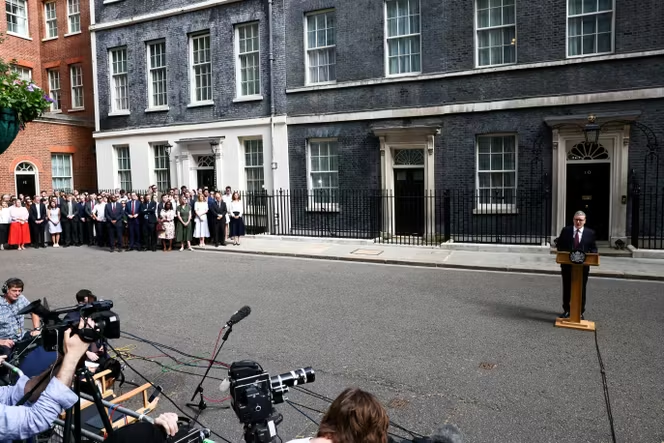
Keir Starmer has announced that he will step down as UK prime minister, ending a dramatic period of pressure inside the Labour Party and throwing British politics into another moment of uncertainty. The announcement came outside 10 Downing Street, where Starmer delivered an emotional statement after days of speculation about whether he could survive as leader. For a prime minister who entered office after a landslide election victory in 2024, the moment marked a stunning reversal. Less than two years after Labour returned to power following 14 years of Conservative rule, Starmer accepted that his own party no longer believed he was the best person to lead it into the next general election.
The resignation does not mean Starmer will immediately leave Downing Street. He said he would remain in office until the Labour leadership process is complete, allowing for what he described as an orderly handover. But politically, the transition has already begun. The focus has quickly shifted to Andy Burnham, the former mayor of Greater Manchester, who returned to parliament after winning a by-election and is now seen as the leading contender to replace Starmer as both Labour leader and prime minister. In one extraordinary day, Britain watched one leader begin his exit while another appeared to move rapidly toward power.
The Speech That Changed Downing Street
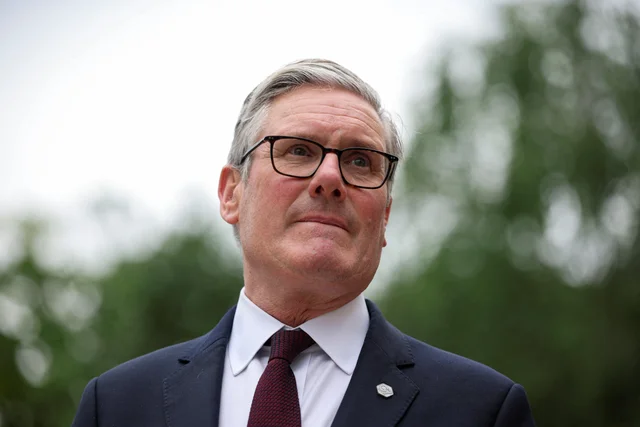
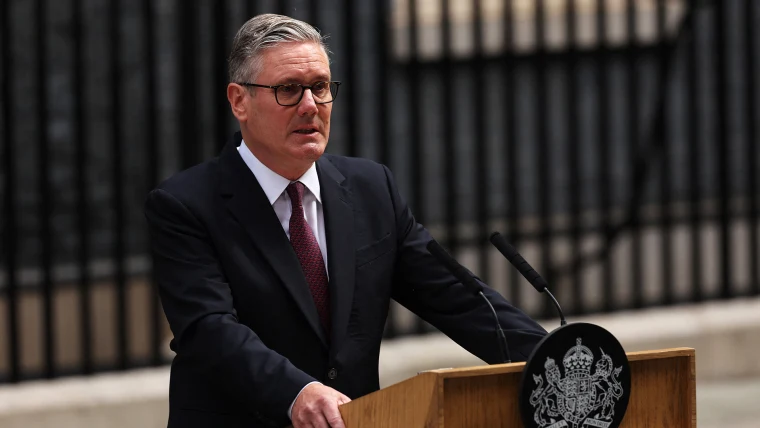
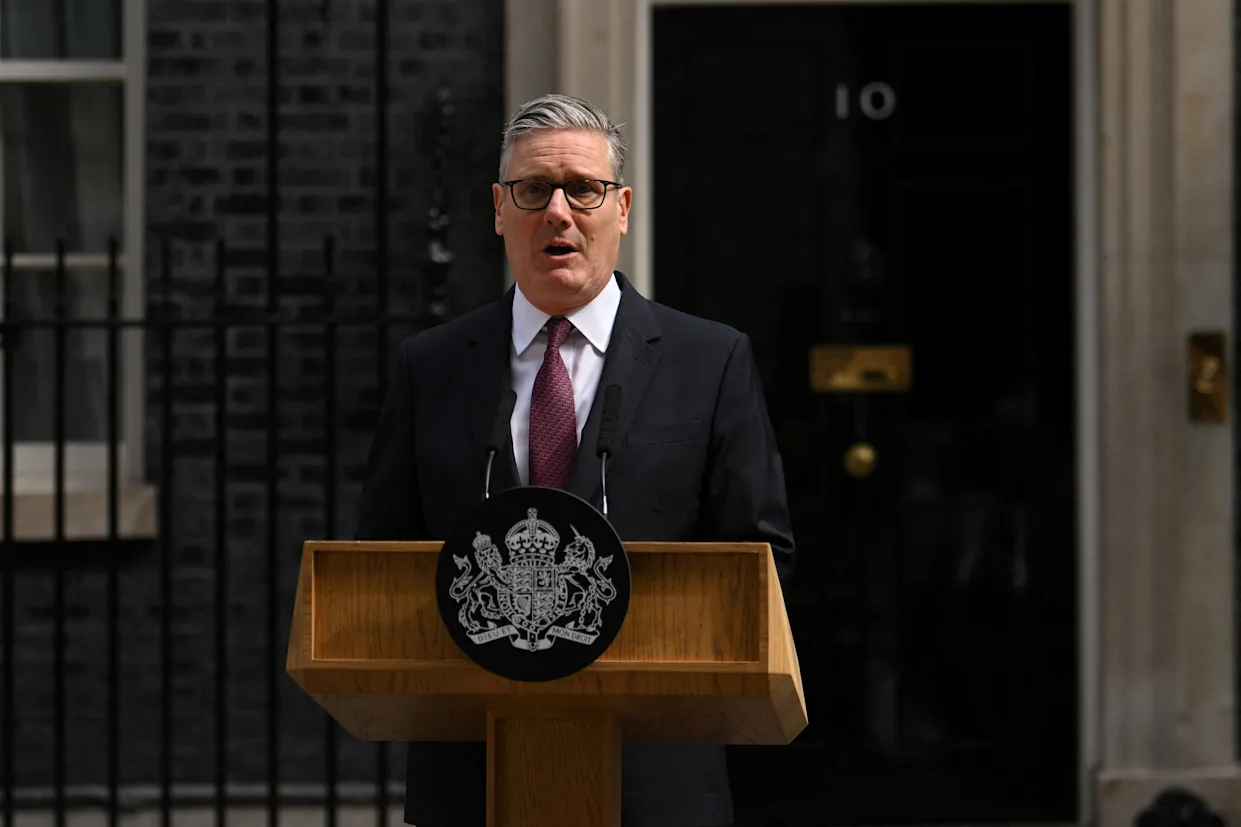
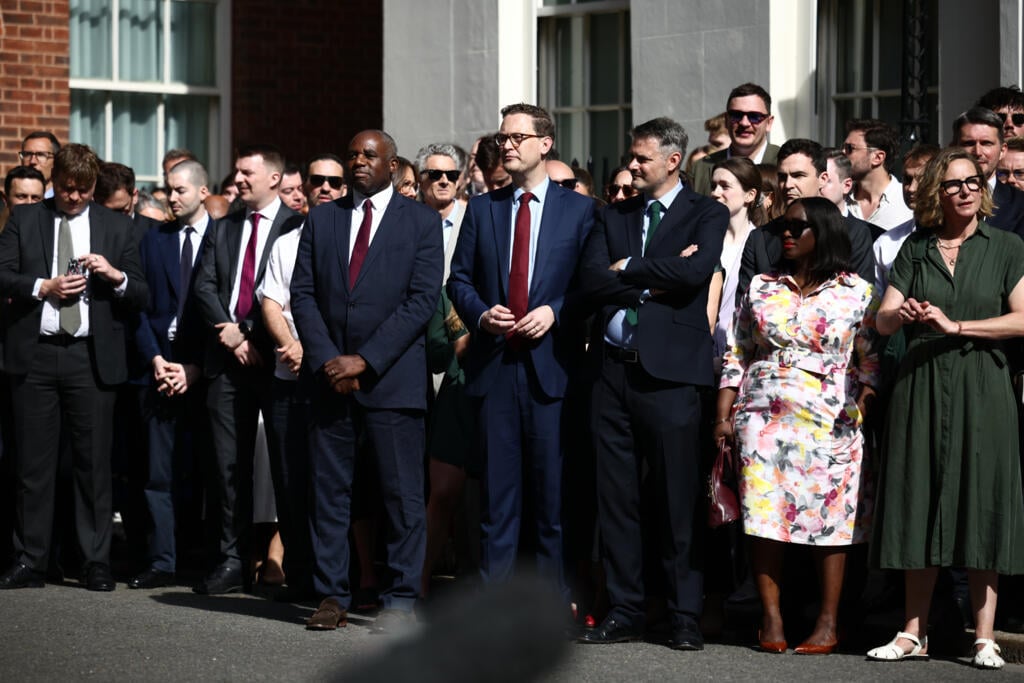
Starmer’s statement was carefully framed around duty, party pressure, and national interest. Standing outside No. 10, he acknowledged that Labour MPs had been asking whether he remained the right person to lead them into the next election. His answer was clear. He had heard their judgement and accepted it. The tone was not defiant. It was emotional, controlled, and deeply personal. He presented the decision not as a surrender to rivals, but as a choice made to protect the stability of the country and the future of his party.
He also confirmed that he had informed King Charles of his decision. That detail mattered because it signaled the seriousness of the transition. This was not just a party management issue. It was a change that would reshape the government of the United Kingdom. Starmer promised to give his successor full support and said he wanted the handover to be responsible. Behind the calm words, however, was the reality of a prime minister who had run out of political road inside his own party.
A Stunning Fall After A Historic Win
Starmer’s fall is striking because of how recently he seemed politically dominant. In 2024, Labour won a landslide victory and ended more than a decade of Conservative government. That election was supposed to mark a new era of stability, competence, and rebuilding after years of political turbulence. Starmer had campaigned as a serious, disciplined leader who would restore trust in government and move the country away from chaos.
But the expectations that came with such a large victory also created a dangerous political trap. Voters wanted visible change quickly. Labour MPs wanted a government that could hold back both the Conservatives and the rise of Reform UK. Businesses wanted clarity. Public services needed money. Families wanted relief from the cost of living. Starmer’s government struggled to satisfy these demands at the same time. What began as a promise of order slowly turned into a story of frustration, hesitation, and retreat.
Why Labour MPs Lost Confidence
The immediate reason for Starmer’s resignation was pressure from within Labour. MPs had become increasingly worried that he could not win the next general election. In British politics, party loyalty can weaken quickly when lawmakers believe their seats are at risk. For many Labour MPs, the question was no longer whether Starmer had won in the past. It was whether he could win again.
The rise of Reform UK added urgency to that fear. Both Labour and the Conservatives have faced pressure from voters moving toward Nigel Farage’s party, and opinion polls had placed Reform in a powerful position for more than a year. For Labour MPs in vulnerable areas, this was not an abstract threat. It was a warning that the political ground was shifting beneath them. Starmer’s leadership, once seen as safe and disciplined, began to look too fragile for the fight ahead.
The Burnham Factor
Andy Burnham’s return to parliament changed the atmosphere almost immediately. Burnham had long been one of Labour’s most recognizable figures, having previously served in national politics and later built a strong profile as mayor of Greater Manchester. His by-election victory gave him the one thing he needed to become a serious candidate for prime minister again: a seat in the House of Commons.
Once Burnham was back in parliament, Labour MPs who were already nervous about Starmer had a clear alternative. Burnham represented a different kind of Labour politics. He was familiar to the public, experienced in government, and connected to the party’s northern base. His supporters see him as someone who can speak more directly to working-class voters and rebuild Labour’s emotional connection with communities that feel ignored by Westminster.
Less than two hours after Starmer announced his resignation, Burnham confirmed that he would put himself forward. His message was respectful toward Starmer but focused on transition and responsibility. That timing showed how prepared the Burnham camp appeared to be. The leadership contest had not officially begun, but the political momentum had already moved toward him.
Streeting’s Support Changes The Race
One of the most important developments came when Wes Streeting, the former health secretary, said he would support Burnham instead of challenging him. Streeting had been seen as a possible leadership contender and had previously been expected to offer a serious alternative. His decision to back Burnham strengthened the impression that Labour may avoid a long and damaging contest.
For Burnham, Streeting’s support was a major boost. It suggested that senior Labour figures were ready to unite quickly rather than spend the summer fighting internal battles. For the party, that matters because every week of division risks making Labour look unstable at a time when the country is already watching another prime minister prepare to leave office. A short contest, or even a near-coronation, may be controversial, but many Labour MPs may decide it is less risky than a drawn-out leadership war.
What Happens Next For Labour
The next step is the formal Labour leadership process. Nominations are expected to open on July 9. If Burnham faces challengers, the process could take longer and the new leader may not be in place until later in the summer. If no serious challenger emerges, the handover could happen much faster. That would allow Burnham to begin selecting ministers, shaping his policy priorities, and preparing to face the public as Britain’s next prime minister.
The timing is politically sensitive. The government still has major decisions ahead, including economic policy, defence planning, relations with Europe, and the constant pressure of public services. A prime minister on the way out can keep government running, but he cannot easily set a bold new direction. Ministers, civil servants, and foreign partners will now be looking beyond Starmer and trying to understand what a Burnham government might do differently.
Policy Problems That Hurt Starmer
Starmer’s resignation did not come from one single mistake. It followed a series of problems that weakened his authority. One of the earliest and most damaging issues was the controversy over winter fuel payments. The government’s plan to remove payments from millions of elderly people triggered heavy criticism, especially because the policy had not been a central part of Labour’s election offer. The backlash forced the government into a retreat, but the damage had already been done.
The government also faced criticism over proposals affecting family farms, as well as tax and wage decisions that angered some businesses. Starmer’s team often appeared to make bold moves, receive a public backlash, and then soften or reverse course. To supporters, this may have looked like listening. To critics, it looked like weakness. Over time, the pattern fed a wider perception that the government lacked political instinct.
Scandals And Questions Of Judgement
Policy problems were only part of the story. Starmer’s government also faced damaging controversies that raised questions about judgement. The resignation of senior figures and disputes around appointments created a sense that the prime minister’s operation was not as disciplined as promised. One of the most serious controversies involved Peter Mandelson, the British ambassador to the United States, whose past connections to Jeffrey Epstein became a political storm. Starmer later acknowledged that his judgement had been wrong.
In politics, judgement is often as important as policy. Voters may forgive difficult decisions if they believe a leader is honest, competent, and in control. But once questions about judgement become attached to a prime minister, they can be very hard to remove. For Labour MPs already worried about the polls, each controversy made Starmer look less like an election-winning leader and more like a political liability.
Reform UK And The Bigger Political Threat
The pressure on Starmer cannot be separated from the rise of Reform UK. The party has disrupted the old balance between Labour and the Conservatives, pulling attention toward immigration, national identity, economic frustration, and distrust of mainstream politics. Labour’s fear is not only that Reform can win votes directly. It is that Reform can reshape the entire political conversation and make Labour look disconnected from voters who feel angry or left behind.
That fear became sharper after Labour lost ground in areas it would normally expect to hold. When a governing party starts losing safe territory, MPs begin to panic. Starmer’s critics argued that Labour needed a more emotionally direct leader who could confront Reform and reconnect with voters before the next election. Burnham’s supporters believe he can do that. Whether he actually can is now one of the biggest questions in British politics.
A Country Facing Another Leadership Change
Starmer’s resignation also means Britain is heading for yet another change of prime minister. After years of political turnover, many voters are exhausted by leadership dramas. The country has seen repeated changes at the top, often without a general election immediately following. That creates a democratic tension. The next prime minister may be chosen through Labour’s internal process, not directly by the whole country.
Opposition parties are likely to argue that a new prime minister needs a fresh mandate. Labour will respond that it won the 2024 election and has the constitutional right to choose a new leader while remaining in government. Both arguments will shape the political debate in the coming weeks. Burnham may enter Downing Street quickly, but he will still need to prove that he has authority beyond Westminster.
What Burnham Would Inherit
If Burnham becomes prime minister, he will inherit a government under pressure from almost every direction. The economy remains difficult. Public services are stretched. Voters are impatient. Reform UK is rising. The Conservatives are looking for a way back. Labour MPs want reassurance that their seats can be saved. Internationally, Britain must manage relationships with Europe, the United States, and allies at a time of global uncertainty.
Burnham’s challenge will be to move quickly without looking reckless. He will need to show that he represents change while also maintaining government stability. He will also need to decide how much of Starmer’s agenda to keep and how much to replace. Move too slowly, and voters may see no difference. Move too sharply, and Labour may look divided. The next few weeks could define his leadership before it even fully begins.
The End Of Starmer’s Chapter
Keir Starmer’s resignation is more than a personal defeat. It is a warning about how fast political power can disappear when public patience fades and party confidence collapses. He entered office promising stability after years of Conservative turmoil. He leaves having become part of Britain’s continuing cycle of leadership upheaval.
For Labour, the question is now whether changing the leader can change the story. Burnham may bring new energy, new language, and a different political style. But the problems facing the country will not disappear with a new face at the lectern. The cost of living, public services, immigration, economic confidence, and trust in politics will remain.
Starmer’s final act is to step aside in the hope that his party can recover before the next election. Burnham’s first task, if he takes power, will be to prove that Labour’s crisis is not the beginning of a deeper collapse, but the start of a reset. Britain has seen another dramatic day in Downing Street. What comes next may decide not only the future of Labour, but the direction of the country itself.