
Table of Contents
- Mississippi Woman Shoots Masked Home Intruder
- A Late-Night Break-In Turns Deadly
- The Teen Who Died Was Identified
- The Second Suspect Faces Charges
- Why The Grand Jury Matters
- A Case That Touches Self-Defense Debates
- The Fear Inside A Home Invasion
- Youth Crime And A Preventable Tragedy
- The Community Reaction
- What Happens Next
- A Story About Fear, Choices, And Consequences
Mississippi Woman Shoots Masked Home Intruder
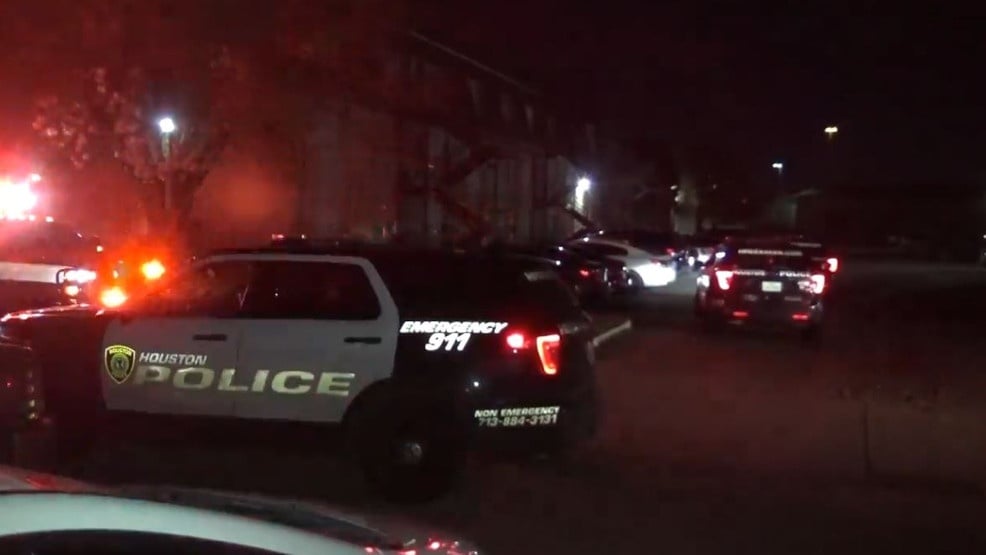
When police in Jackson, Mississippi, responded to a deadly apartment break-in early Sunday morning, they found a case that would quickly capture public attention far beyond one apartment complex. A woman who lived at the Park at Inverness Apartments had allegedly been confronted by two masked suspects inside her home. Police say she feared for her life, grabbed a weapon, and opened fire. One of the suspects, later identified as 15-year-old Kaden Young, was fatally shot. The other suspect, identified by authorities as 18-year-old Quintavion Myles, fled the scene before later being arrested.
The shooting has since become the kind of case that sparks difficult conversations across the country. It involves a woman alone in her home, a violent late-night break-in, a teenager dead, and another young man facing serious charges. It also raises questions about self-defense, home invasion fears, juvenile crime, and how quickly one bad decision can become a tragedy that changes several lives forever.
A Late-Night Break-In Turns Deadly
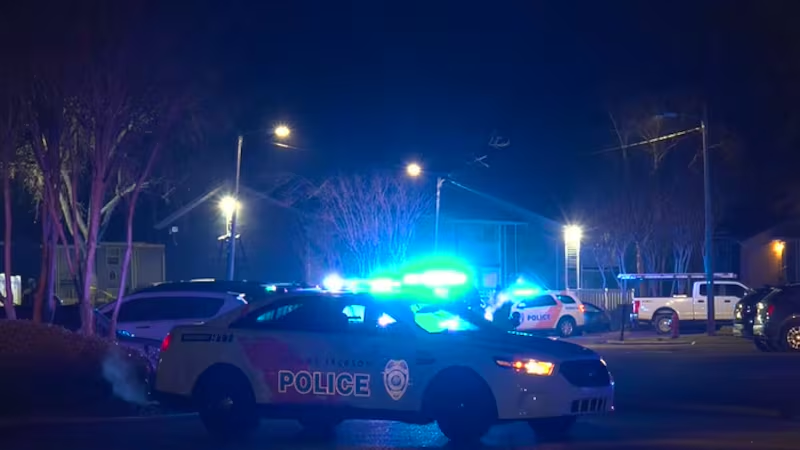
The incident happened around 2:30 a.m. Sunday at the Park at Inverness Apartments in Jackson. At that hour, most residents would have been asleep or settling into the quietest part of the night. According to police, two males wearing ski masks broke into the woman’s apartment. That detail alone made the case especially alarming for many readers. A ski mask is not just clothing in a situation like this. To a resident suddenly confronted inside her home, it can signal danger, concealment, and intent.
Police said the woman feared for her life. In that moment, she fired a weapon, striking one of the suspects who had entered the apartment. The second suspect fled. When authorities arrived, the wounded suspect was found and later identified as 15-year-old Kaden Young. The case quickly shifted from a break-in investigation to a deadly shooting investigation.
The resident was taken to police headquarters, interviewed, and later released. That does not mean the case is over. Police said the investigation remains ongoing and that the matter will be bound over to a grand jury. In cases involving fatal self-defense claims, that step can be important because prosecutors and grand jurors may review whether the shooting was justified under the law.
The Teen Who Died Was Identified
Authorities later identified the deceased suspect as Kaden Young, a 15-year-old. His age immediately made the case more emotional and complicated. To some people, the story is first and foremost about a resident defending herself during a terrifying break-in. To others, it is also about a teenager whose life ended before adulthood. Both realities exist at the same time, and that is part of what makes the case so heavy.
Police reports described Young as one of the masked suspects who entered the apartment. Investigators said the resident fired because she feared for her safety. Once a person is inside someone else’s home in the middle of the night, especially while masked, the situation can become extremely dangerous within seconds. For the person inside the apartment, there may be no way to know whether the intruders are armed, whether they intend to steal, assault, kidnap, or kill, or whether more people are outside.
Young’s death became the central tragedy of the case. A young person is gone. A resident is left with the trauma of a deadly encounter inside her home. A second suspect is facing the criminal justice system. Families on all sides are left with consequences that cannot be undone.
The Second Suspect Faces Charges
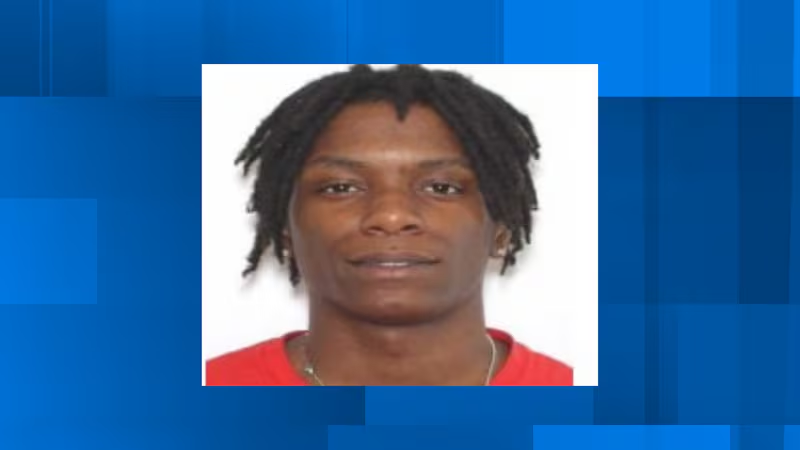
The second suspect, 18-year-old Quintavion Myles, was later arrested. Police said he was booked into city holding and faces serious charges connected to the case. Reports stated that Myles was charged in connection with the break-in and also faced a murder charge related to the death of Young.
For many readers, that part of the case may seem confusing at first. The resident fired the weapon, yet the surviving suspect can still face a murder charge. In many jurisdictions, prosecutors may pursue serious charges when a death occurs during the commission of an alleged felony, even if the fatal shot was fired by someone else. The basic idea is that people who allegedly act together in a dangerous crime may be held responsible when that crime leads to a death.
Police officials have explained the situation in that general direction. The allegation is that the suspects acted together in the break-in, and that the break-in led directly to a deadly outcome. That is why the surviving suspect may face consequences that go far beyond burglary. However, all charges remain allegations unless proven in court.
Why The Grand Jury Matters
Police said the case will be bound over to a grand jury. That part may sound procedural, but it matters. A grand jury can review evidence and determine whether charges should move forward, whether additional charges are appropriate, or whether the shooting appears legally justified based on the facts presented.
For the resident, the grand jury process could be an important step in determining whether she acted within the law. Police said she was interviewed and released, which suggests authorities did not immediately treat her as a criminal suspect in the same way as the alleged surviving intruder. Still, fatal shootings often require careful review, especially when a person dies inside a home and the shooter claims fear for her life.
For the family of the teen who died, the grand jury may also be a place where the facts are examined in more detail. Questions such as how the suspects entered, what they were doing, whether they had weapons, what the resident saw, how many shots were fired, and what evidence supports each timeline may all become relevant.
A Case That Touches Self-Defense Debates
This case quickly became a talking point because it sits at the center of America’s long-running debate about self-defense. Many people believe a person has the right to protect themselves inside their own home, especially during a break-in. For them, the woman’s actions may seem understandable, even unavoidable. When someone breaks into a home at 2:30 a.m. wearing a ski mask, the resident does not have the luxury of waiting to discover the intruder’s full intentions.
At the same time, a fatal shooting involving a 15-year-old also forces the public to confront uncomfortable questions. How did a teenager end up in that situation? Who influenced him? Was this part of a larger pattern of youth crime? Could intervention have prevented it? These questions do not erase the fear of the resident, but they add layers to the tragedy.
That is why cases like this often spread widely online. They are not simple. They make people feel fear, anger, sadness, and confusion all at once. They also remind the public that crime does not only affect the direct victim. It spreads damage through families, neighborhoods, police departments, courtrooms, and communities.
The Fear Inside A Home Invasion
A home invasion is different from many other crimes because it crosses the line into the most personal space a person has. A home is supposed to be where people sleep, rest, raise children, and feel safe. When someone breaks into that space, especially in the dark hours of the morning, the psychological impact can be severe.
For the woman in this case, police say the fear was immediate. Two masked suspects allegedly entered her apartment. In such a moment, the brain may move into survival mode. A resident may not know whether calling 911 will be fast enough. They may not know whether hiding is possible. They may not know whether the intruders will run away or attack.
That uncertainty is why self-defense laws often treat home intrusions seriously. The law in many places recognizes that people inside their homes may face a unique kind of danger. The question investigators must answer is not just whether a person died, but whether the resident reasonably believed she was in danger when she fired.
Youth Crime And A Preventable Tragedy
The age of the deceased suspect has become one of the most striking parts of the story. Fifteen is young. It is an age when many teenagers are still in school, still forming judgment, still influenced heavily by peers, and still capable of turning their lives around. That is what makes the death so painful. Whatever happened inside that apartment, the outcome is final.
At the same time, youth does not remove danger from a break-in. A teenager wearing a mask and entering someone’s home in the middle of the night can still create a life-threatening situation. For the resident, the suspect’s age may not have been visible, known, or relevant in the moment. What she saw, according to police, was a masked intruder inside her apartment.
This is where the case becomes a warning. Bad decisions made in seconds can produce consequences that last forever. A break-in may be planned as theft, intimidation, or thrill-seeking, but the people inside the home do not know that. They may respond as if their lives are at risk. That response can turn a crime into a fatal event.
The Community Reaction
Cases like this often divide public opinion, but they also create shared concern. Residents of apartment communities may worry about their own safety. Parents may worry about teenagers being pulled into criminal behavior. Gun owners may see the case as proof of why self-defense rights matter. Others may focus on the need for stronger prevention, youth mentorship, and community intervention before young people become involved in dangerous crimes.
In Jackson, the case adds to broader concerns about public safety and crime. Apartment complexes, like neighborhoods, depend on trust. Residents want to know that their doors, cameras, locks, and emergency response systems are enough to protect them. When a break-in turns deadly, that sense of security can be shaken for everyone nearby.
The case also shows how quickly one apartment can become the center of a citywide conversation. What happened behind one door became a story about law, fear, responsibility, and the cost of crime.
What Happens Next
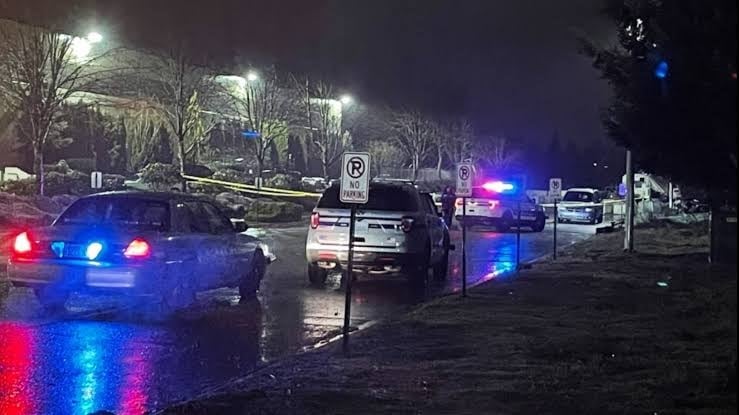
The investigation remains ongoing. Authorities will continue reviewing evidence, witness statements, physical details from the scene, and the actions of everyone involved. The grand jury process will be a major next step. It may help determine how the law views the resident’s use of force and how the charges against the surviving suspect proceed.
For Quintavion Myles, the legal road ahead could be serious. Facing a murder charge and burglary-related allegations means the case may carry life-changing consequences if prosecutors move forward and if he is convicted. For the resident, the emotional aftermath may also be long and painful, even if authorities determine that she acted in self-defense.
For the family of Kaden Young, the grief is immediate and permanent. A teenager is dead, and no legal outcome can reverse that. The criminal justice process may answer some questions, but it cannot fully repair what was lost.
A Story About Fear, Choices, And Consequences
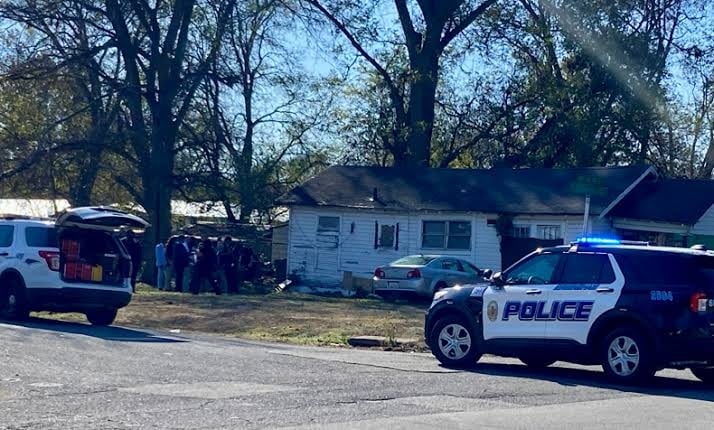
The fatal shooting at the Park at Inverness Apartments is more than another crime headline. It is a story about what happens when fear, danger, and split-second choices collide. Police say a woman was inside her apartment when two masked suspects broke in. She feared for her life and fired. One suspect died. Another fled, was arrested, and now faces serious charges.
The case will now move through the legal system, where investigators, prosecutors, and a grand jury will examine the evidence. But outside the courtroom, the story has already left a mark. It has forced people to think about the right to feel safe at home, the dangers of youth involvement in crime, and the devastating consequences that can follow one reckless decision.
In the end, there are no winners in a case like this. A resident survived a terrifying encounter but must live with the memory of taking a life. A teenager lost his future. Another young man faces the possibility of severe punishment. A community is left asking how it happened and how similar tragedies can be prevented.
That is why this case has resonated so strongly. It is not only about a shooting. It is about the fragile line between safety and danger, between one choice and a lifetime of consequences, and between a home that should feel protected and a night that ended in irreversible loss.