
Table of Contents
A Surprising Claim About Bottled Water
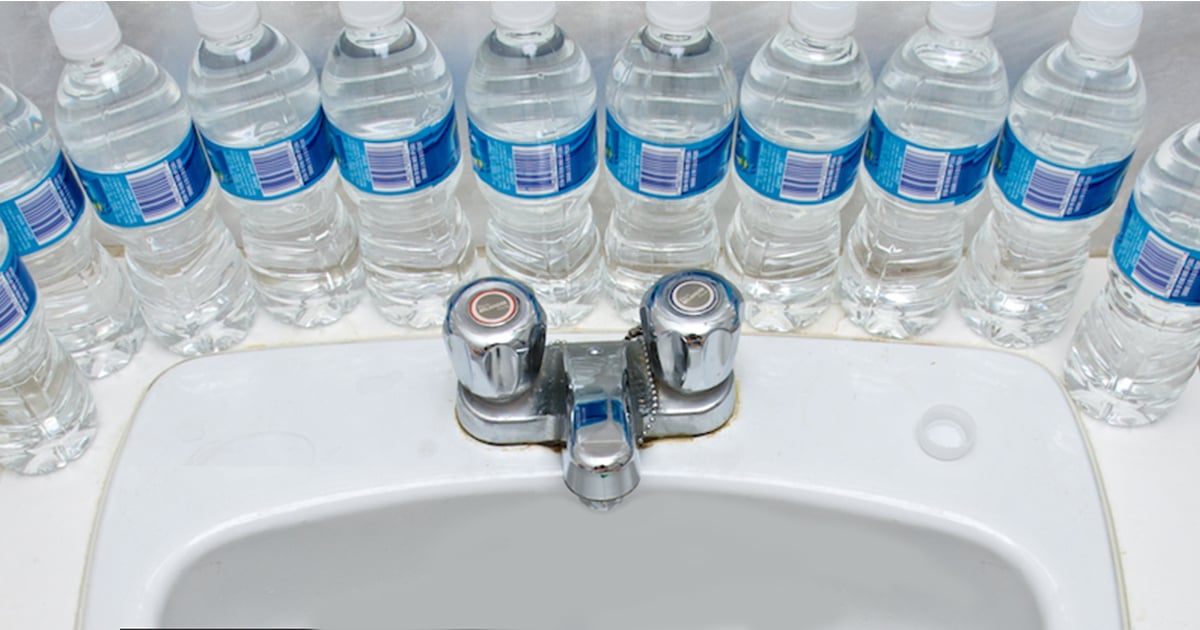
When reports claimed that nearly 64% of bottled water sold in America may come from municipal water supplies, many consumers had the same reaction: shock. For years, bottled water has been marketed as cleaner, fresher, and safer than what comes from the kitchen faucet. Labels often show mountains, springs, glaciers, and clear blue streams. The message is simple: this water is special.
But the reality may be far less romantic. According to the report, a large portion of bottled water in the United States comes from the same kind of public water systems that supply homes, schools, restaurants, and offices. In other words, many people may be paying a premium price for water that began as tap water.
That does not automatically mean the water is unsafe. Some bottled water companies filter, purify, or treat the water before selling it. But the concern is transparency. Are consumers clearly told where the water comes from? Do they know how it is treated? Are they paying for real added quality, or just attractive packaging and smart marketing?
This growing discussion is not only about bottled water. It is about trust, branding, public health, and the hidden cost of convenience.
The Image Of Purity
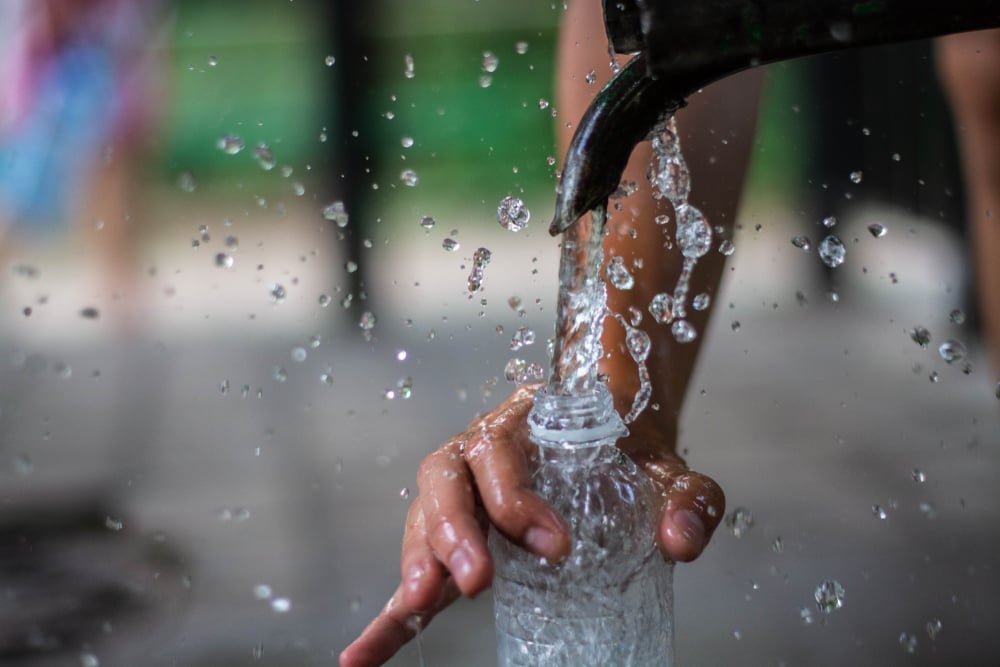
The bottled water industry has built its success around one powerful idea: purity. For decades, companies have used images of untouched nature to suggest that bottled water is naturally better than tap water. A bottle may show a mountain peak, a forest stream, or a crystal clear spring, even when the water inside may have started from a municipal source.
That marketing works because many people already have doubts about tap water. Some dislike the taste. Others worry about pipes, chemicals, or contamination. In some communities, those concerns are understandable, especially where public water systems have failed or where infrastructure is old.
Bottled water offers an easy emotional answer. It feels clean. It looks controlled. It is sealed. It is portable. It is often sold as a healthier lifestyle choice.
The problem is that perception does not always match reality. If a bottle contains treated municipal water, then the product may not be as different from tap water as the label suggests. Consumers may still choose it for convenience, but they deserve to know what they are buying.
Tap Water In A Bottle
The claim that nearly 64% of bottled water may come from municipal water supplies challenges one of the industry’s biggest assumptions. Many people believe bottled water comes directly from natural springs or protected underground sources. Some brands do, but others may use public water systems as their source.
Municipal water is not automatically bad. In fact, many public water systems in the United States are regularly tested and treated under strict standards. Tap water can be safe, reliable, and extremely affordable. The issue is not simply where the water starts. The issue is whether companies clearly explain that source to consumers.
If a bottled water company uses tap water, purifies it, and labels it honestly, consumers can decide whether the product is worth buying. But if the branding creates the impression of untouched natural purity while the source is municipal, that raises ethical questions.
People are not only buying water. They are buying a promise. When that promise is unclear, trust begins to break.
Why Consumers Pay More
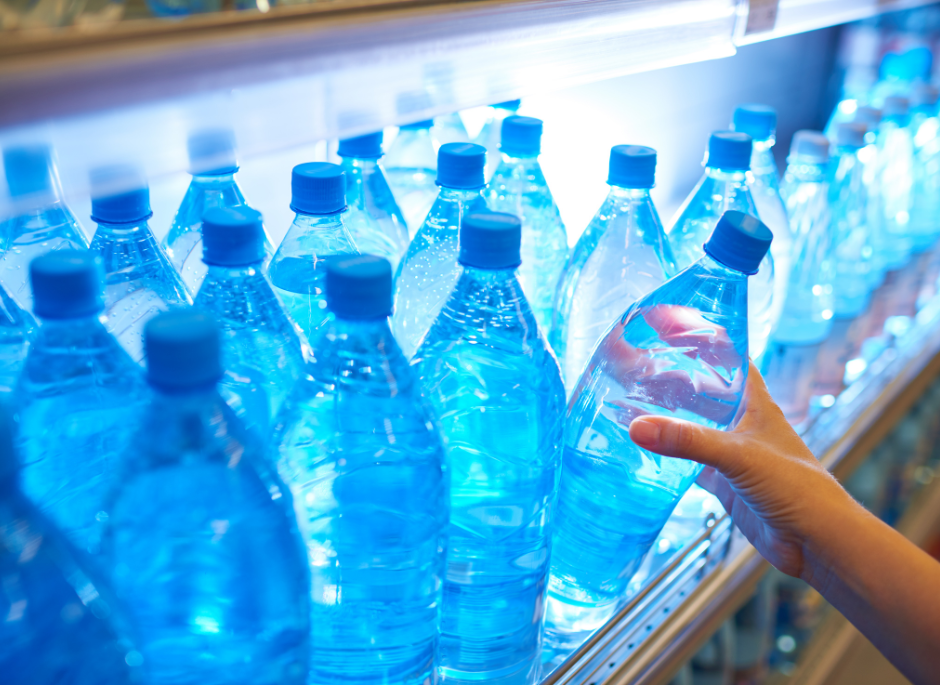
Bottled water can cost far more than tap water. In some cases, consumers may pay hundreds or even thousands of times more per gallon compared with water from their own faucet. That price difference is often justified by convenience, packaging, branding, and the belief that bottled water is safer or cleaner.
Convenience is a real factor. Bottled water is useful during travel, emergencies, outdoor activities, and situations where clean tap water is not available. But for everyday drinking at home, the price difference becomes harder to defend, especially if the bottled water began from a municipal source.
The premium price is also tied to emotion. Bottled water feels simple. People do not have to think about filters, pipes, or local water reports. They grab a bottle and trust the label.
That trust is exactly why transparency matters. If consumers are paying more because they believe they are getting something superior, companies should be clear about what makes the product different.
The Brands Mentioned In The Report
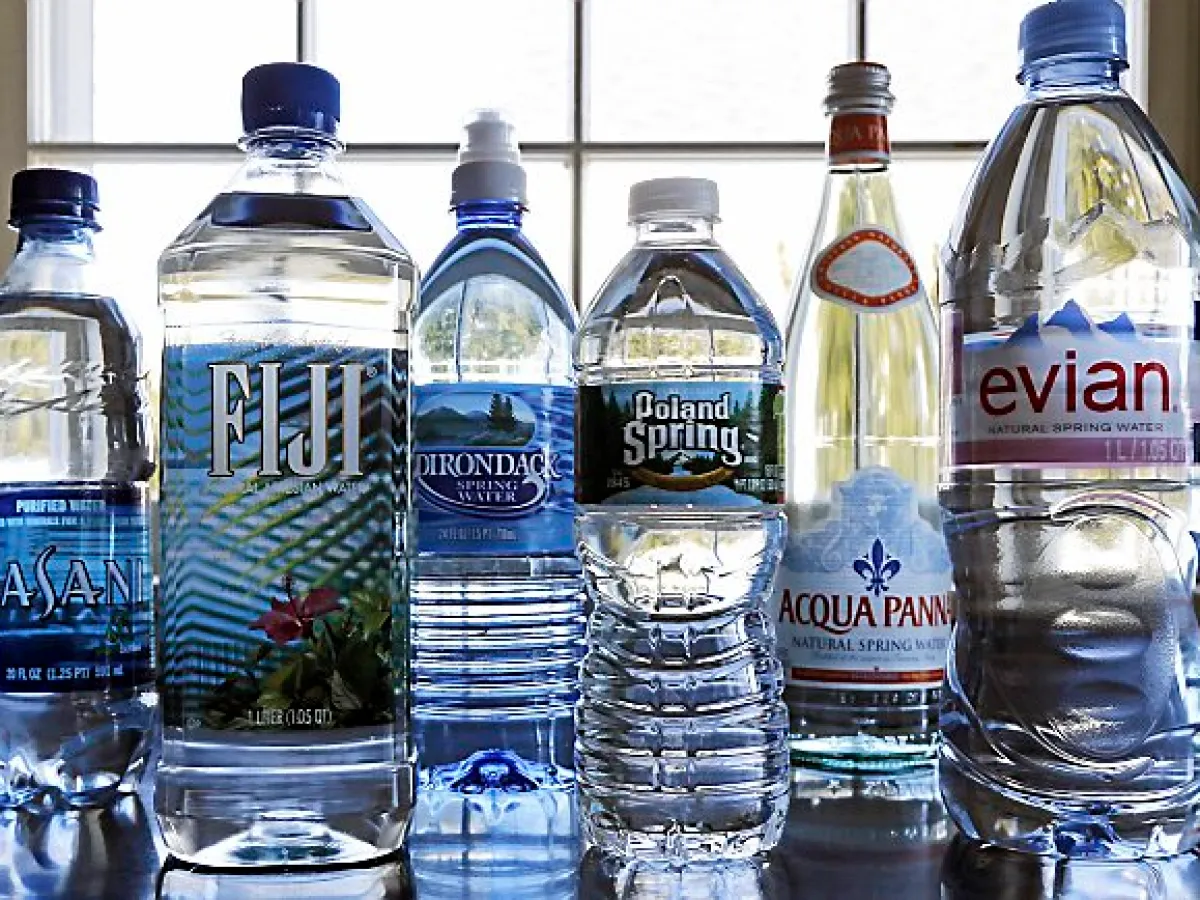
The report specifically discusses concerns involving some bottled water brands and also names brands described as more transparent. It mentions Walmart’s Sam’s Choice and Giant Food’s Acadia as brands that have faced criticism over contamination concerns in past discussions. According to the article, some findings raised questions about whether certain products met expected safety standards.
At the same time, the report points to Gerber Pure Purified Water, Nestlé Pure Life Purified Water, and Penta Ultra-Purified Water as examples of brands praised for providing clearer information about water sources, treatment methods, and safety commitments.
This does not mean every bottle from one brand is always unsafe or every bottle from another brand is always perfect. Water quality can depend on source, treatment, testing, storage, and regulation. But brand transparency gives consumers something important: the ability to make an informed decision.
When companies openly explain where their water comes from and how it is purified, they build trust. When they do not, consumers are left guessing.
Regulation Differences Matter
One of the biggest points in the bottled water debate is regulation. Public tap water systems are typically regulated by the Environmental Protection Agency. Bottled water is regulated by the Food and Drug Administration. Both systems have rules, but they are not the same.
Public water systems are often required to test regularly and provide consumer confidence reports. These reports can include details about contaminants, treatment, and whether the water meets safety standards. This gives the public access to information, even if many people never read it.
Bottled water companies also have safety responsibilities, but critics argue that bottled water can be less transparent. Consumers may not always see detailed testing results or source information on the bottle. A clean design and a beautiful label can create confidence without giving much detail.
That is why some experts and consumer advocates argue that tap water may be more transparent than bottled water in many areas. The faucet may seem ordinary, but the system behind it can be closely monitored.
Contamination Concerns
The report also raises concerns about contaminants in bottled water. Past discussions around bottled water have included issues such as arsenic, microplastics, and chemical byproducts. These concerns do not mean all bottled water is dangerous, but they do challenge the idea that bottled water is automatically cleaner.
Microplastics have become a major concern because bottled water is packaged in plastic, stored in plastic, and transported in plastic. Over time, tiny plastic particles may enter the water. The full health impact is still being studied, but the presence of microplastics has made many consumers rethink their bottled water habits.
Chemical concerns can also arise from treatment, storage, or source water quality. If companies do not clearly disclose testing results, consumers may not know what is actually inside the bottle.
The main takeaway is simple: bottled does not always mean better. A sealed plastic bottle may look safe, but safety depends on testing, treatment, storage, and transparency.
The Environmental Cost
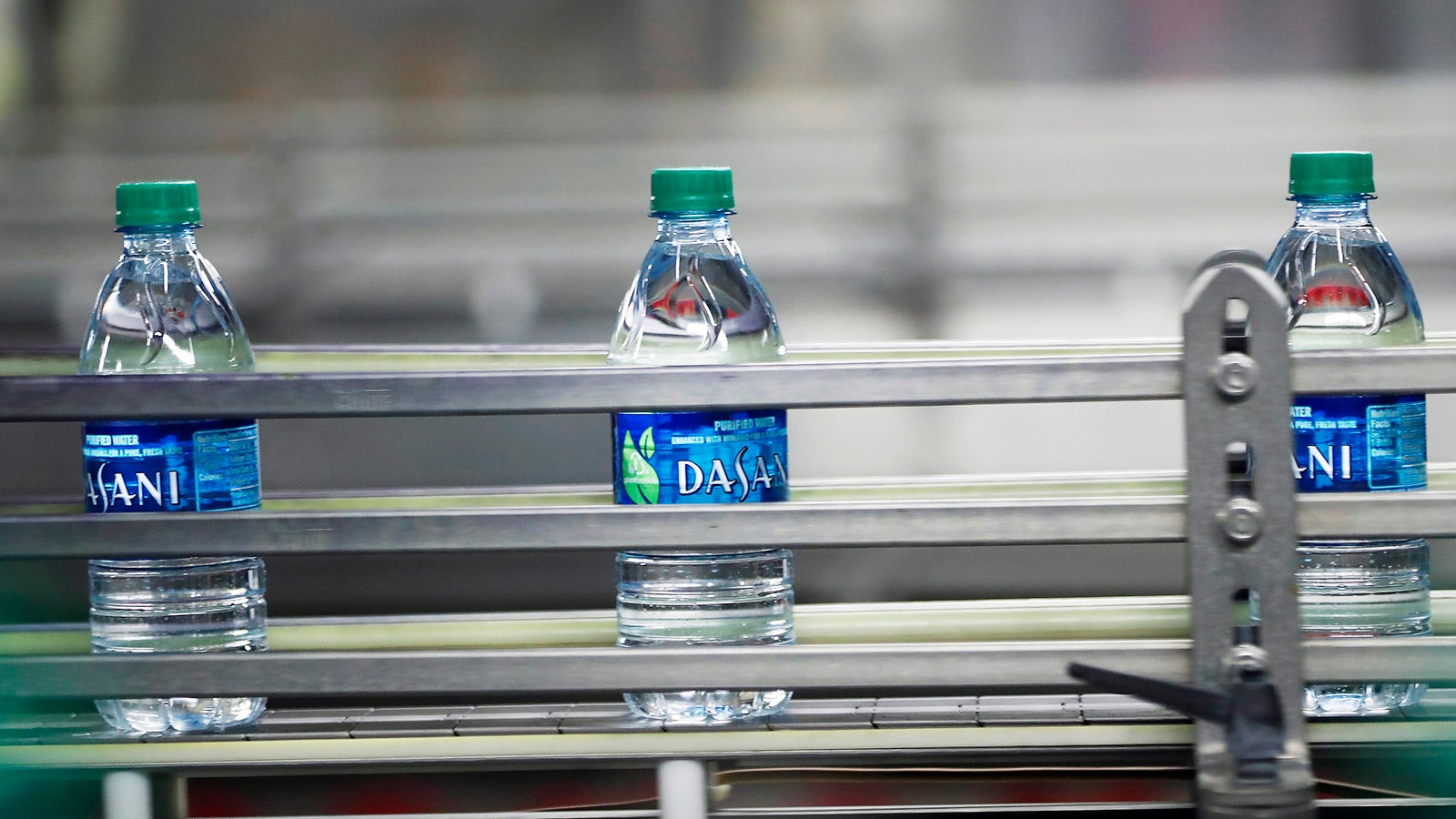
Beyond health and price, bottled water has a major environmental impact. Single-use plastic bottles create waste, and not every bottle is recycled. Many end up in landfills, oceans, rivers, and public spaces.
The production process also uses energy. Bottles must be manufactured, filled, packaged, shipped, refrigerated, sold, and disposed of. That creates a larger footprint than drinking tap water from a reusable container.
For consumers who drink bottled water every day, the cost adds up in more ways than one. There is the money spent at the store, the plastic waste created after each bottle, and the environmental burden of producing and transporting the product.
This is why reusable bottles and home filtration systems have become popular alternatives. They offer convenience without creating the same level of plastic waste. For many households, a simple filter can improve taste and reduce concerns while saving money over time.
Why Transparency Is The Real Issue
The bottled water debate is not only about whether tap water or bottled water is better. The deeper issue is whether consumers are being given enough information.
A person may still choose bottled water even after learning it comes from a municipal source. They may like the taste, trust the purification process, or need the convenience. That is their choice. But informed choice requires honest information.
Labels should make water sources clear. Companies should explain purification methods in plain language. Testing information should be easy to find. If a brand claims purity, consumers should be able to verify what that means.
When companies hide behind vague language, they create suspicion. When they are open, they give consumers a reason to trust them.
What Consumers Can Do
Consumers do not need to panic, but they should be more aware. The first step is reading labels carefully. Words like purified, spring, mineral, and distilled have different meanings. A bottle that says purified water may have started as municipal water and then gone through treatment.
The second step is checking whether a brand shares information about its water source and testing. Brands that are transparent usually make that information easier to find. If a company avoids clear answers, that may be a reason to choose another option.
The third step is considering a reusable bottle and a home filter. For many households, filtered tap water can be cheaper, more sustainable, and just as practical for daily use.
Finally, consumers can support better public water systems. Clean tap water is not just a personal convenience. It is a public resource. When communities invest in strong water infrastructure, more people can trust the water they already have.
A Wake-Up Call For The Industry
The bottled water industry has grown by selling trust. But trust must be earned with transparency, not just packaging. If nearly 64% of bottled water in America comes from municipal sources, consumers deserve to know that clearly.
This does not mean bottled water has no place. It can be important during emergencies, travel, and situations where tap water is unavailable or unsafe. But it should not be marketed in a way that makes ordinary tap-sourced water seem like a rare natural luxury without clear explanation.
The future of bottled water may depend on honesty. Brands that disclose their sources, treatment methods, and testing practices will likely stand out. Brands that rely only on beautiful labels may face growing public skepticism.
For consumers, the message is clear. Do not judge water by the bottle alone. Look beyond the label, question the source, and choose the option that makes sense for your health, your budget, and the environment.
In the end, the most valuable thing in the bottle may not be the water itself. It may be the truth behind where that water really came from.