
Table of Contents
- A Major Ruling Hits Trump’s Voting Agenda
- What The Trump Order Tried To Do
- Why The Judge Said Trump Went Too Far
- States Led The Legal Challenge
- The White House Still Defends The Order
- Why Proof Of Citizenship Is So Controversial
- Mail Ballots Became Another Flashpoint
- The SAVE America Act Remains Central
- Another Election Order Faces Court Battles
- What This Means For Voters
- A Bigger Fight Over Election Power
A Major Ruling Hits Trump’s Voting Agenda
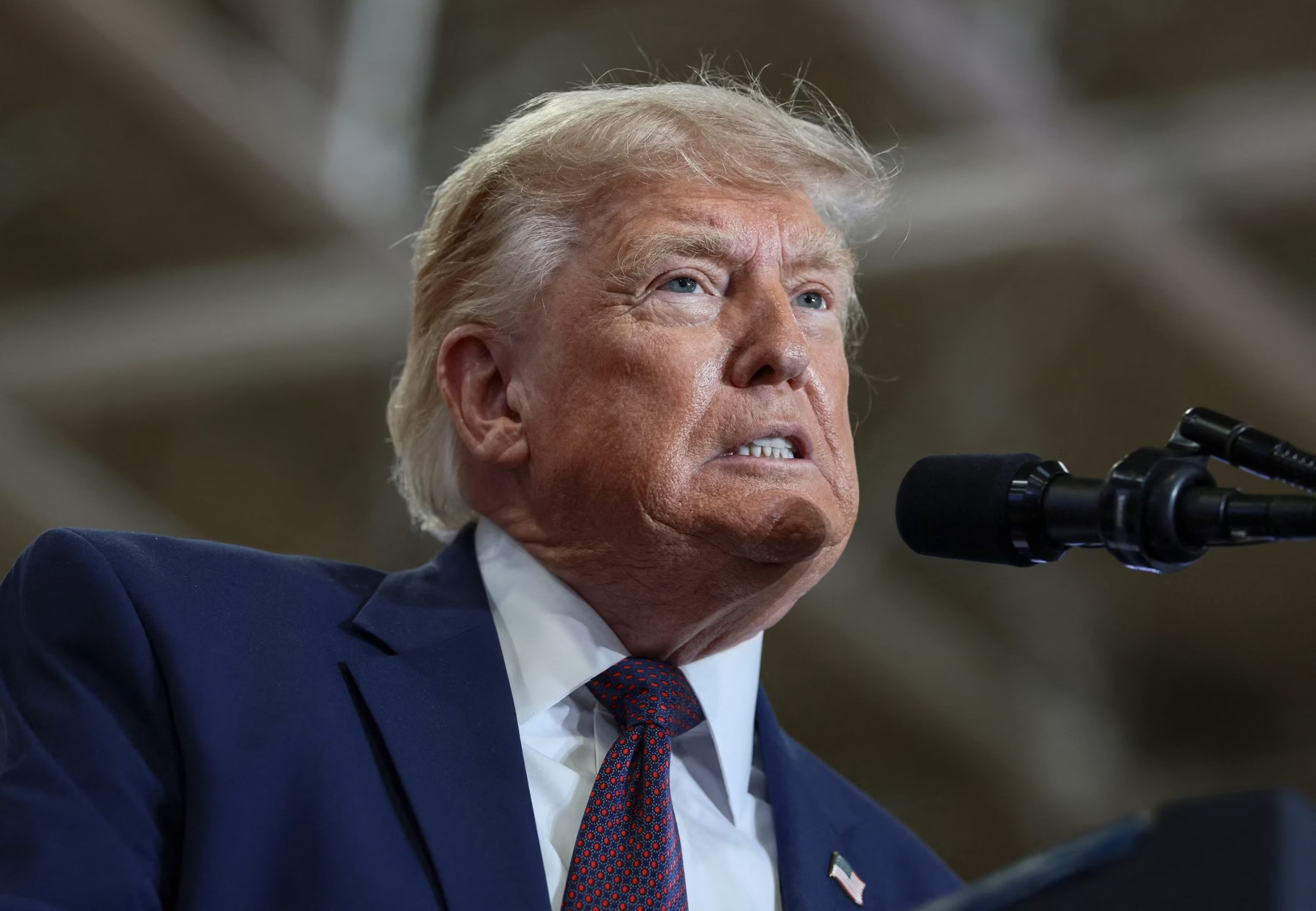
A federal judge has permanently blocked key parts of President Donald Trump’s election executive order, stopping a proposed proof-of-citizenship requirement that would have changed how millions of Americans register to vote. The ruling, issued by U.S. District Judge Denise Casper in Boston, is one of the most significant legal setbacks yet for Trump’s push to reshape election rules during his second term.
At the center of the case was a simple but explosive question: can a president use an executive order to force states to change voter registration rules? Judge Casper answered no. Her ruling said election authority belongs to states and Congress, not the president, and that the Constitution does not give the White House direct power to impose election rules by decree.
The decision immediately turned a temporary block from last year into a permanent one. That means the administration cannot move forward with several major parts of the order unless a higher court later reverses the ruling. For voting rights advocates, the ruling was a major victory. For Trump and his allies, it was another courtroom obstacle in a much larger battle over election security, voter access, and federal power.
What The Trump Order Tried To Do
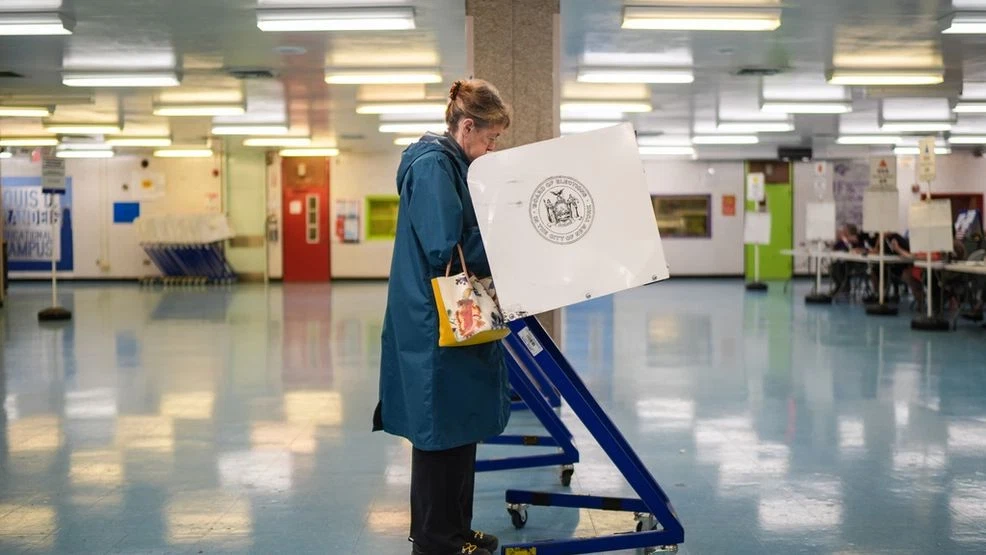
Trump’s executive order sought to make documentary proof of citizenship a requirement for voter registration. That could include documents such as a passport, birth certificate, naturalization certificate, or other approved records showing that a person is a U.S. citizen.
Supporters of the proposal argued that it would strengthen public confidence in elections and prevent noncitizens from voting. The administration framed the order as a tool to protect election integrity and restore trust among voters who believe the system needs stronger safeguards.
But opponents said the order went far beyond what a president is allowed to do. They argued that it would create confusion for states, disrupt voter registration systems, and potentially block eligible citizens from voting simply because they do not have quick access to the required documents.
The order also reached beyond voter registration. It sought to stop states from counting certain mail ballots that arrive after Election Day, even when those ballots are postmarked on time under existing state rules. It also threatened to withhold certain federal grants, including election security funding, from states that refused to follow the administration’s new requirements.
That combination made the order especially controversial. It did not just ask states to adjust paperwork. It attempted to reshape the basic rules around registration, mail ballots, funding, and election administration.
Why The Judge Said Trump Went Too Far
Judge Casper’s ruling focused heavily on separation of powers. In the American system, election rules are not controlled by one person in the White House. The Constitution gives state legislatures the power to set election procedures, while Congress has authority to make or alter rules for federal elections.
The president can enforce laws that already exist, but the judge found that Trump’s order tried to create new election requirements without congressional approval. That distinction became the heart of the case.
Casper rejected the administration’s argument that the lawsuit was premature because the new rules had not yet taken effect. The states argued that waiting until implementation would create chaos and force them to overhaul election systems under pressure. The judge agreed that the threat was real enough for the court to act.
Her ruling made clear that the president cannot use executive authority to bypass Congress or override state election systems. In practical terms, the court said Trump may support stricter voting laws, campaign for them, or ask Congress to pass them, but he cannot impose them unilaterally through an executive order.
States Led The Legal Challenge
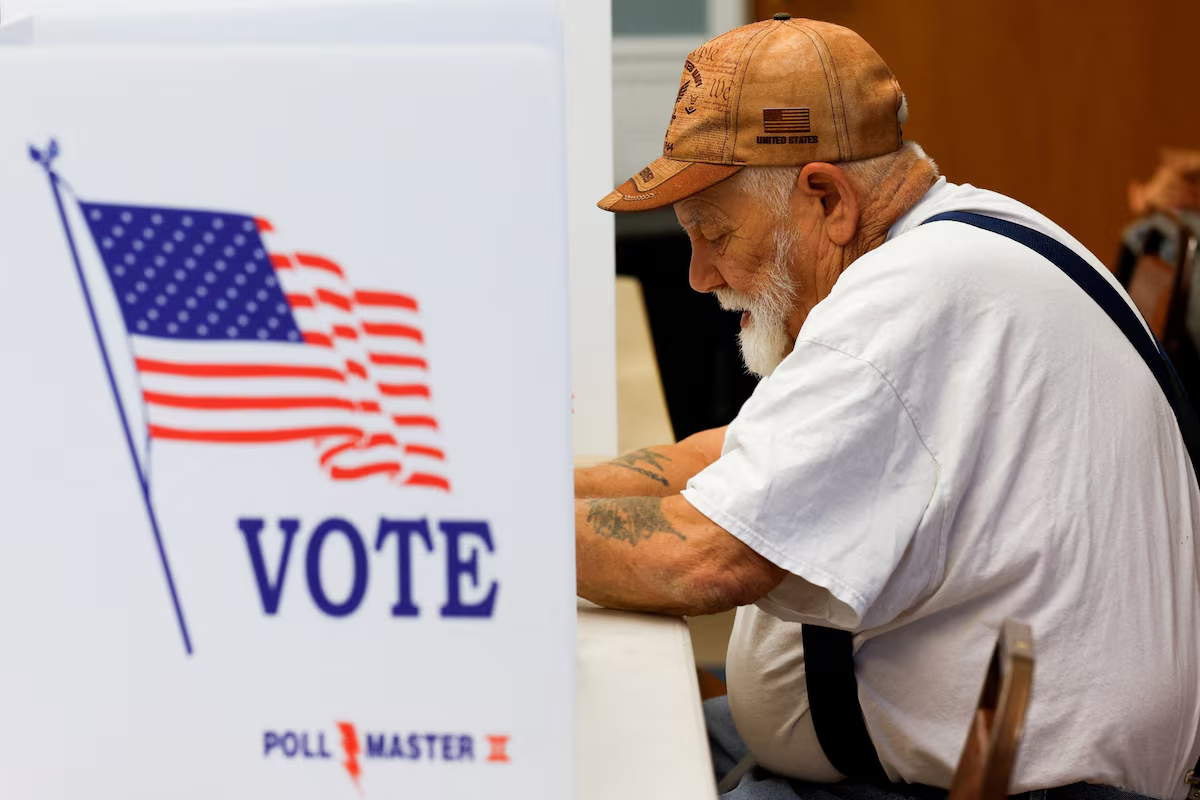
The lawsuit was brought by Democratic attorneys general from multiple states, with California playing a leading role. They argued that Trump’s order would interfere with state-run election systems and place new burdens on voters, election officials, and local agencies.
California Attorney General Rob Bonta said the decision reaffirmed that election rules are set by states and Congress. Other Democratic officials celebrated the ruling as a defense of voting rights and a rejection of presidential overreach.
The states’ core argument was not that citizenship does not matter. U.S. law already limits voting in federal elections to citizens. Instead, the challenge focused on who has the power to create and enforce new registration requirements. According to the states, that power does not belong to the president acting alone.
This is why the case became bigger than the paperwork itself. It became a constitutional fight over whether the executive branch can force nationwide election changes without legislation.
The White House Still Defends The Order
The White House defended Trump’s order after the ruling, saying the president is working to protect elections and increase public confidence. The administration maintains that the order is lawful and that stronger verification rules are necessary to make sure only eligible citizens vote.
A White House spokesperson said the administration believes it will ultimately prevail. That means an appeal is possible, and the fight may continue in higher courts.
Trump and his Republican allies have repeatedly argued that election systems need tougher safeguards. They say proof-of-citizenship rules are reasonable because voting is a right reserved for citizens. To them, the issue is about protecting the ballot box and preventing future disputes over election legitimacy.
But critics say the proposal solves a problem that available evidence shows is rare, while creating new barriers for eligible voters. That disagreement has become one of the biggest election-law battles heading into the 2026 midterm elections.
Why Proof Of Citizenship Is So Controversial
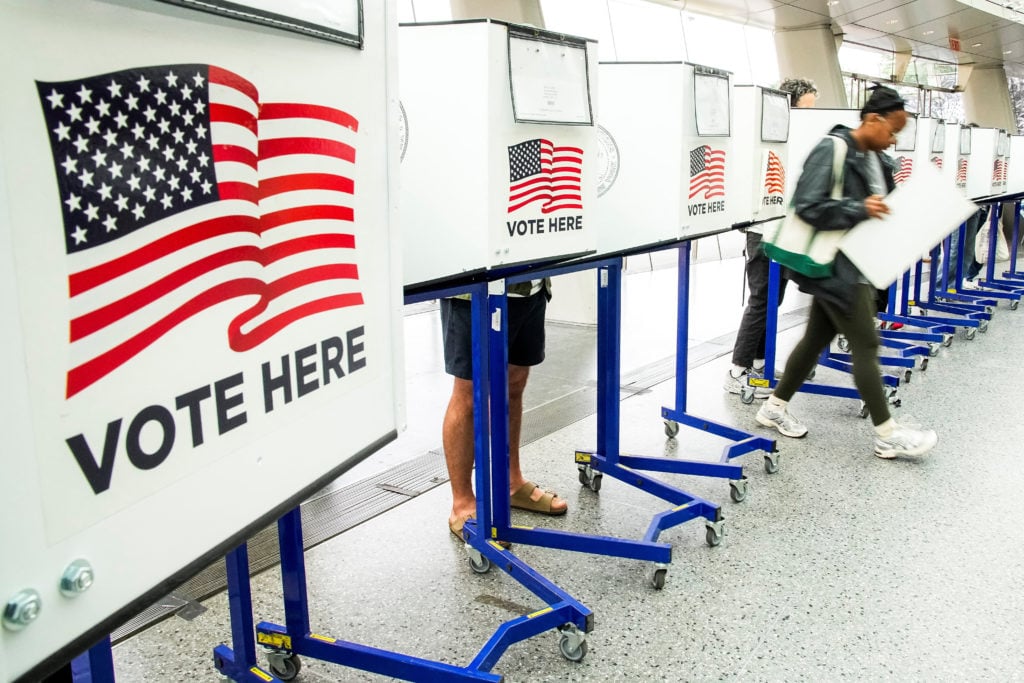
On paper, requiring proof of citizenship may sound simple. In reality, voting experts say it can be complicated. Many eligible voters do not keep passports, birth certificates, or naturalization records ready at home. Some people have documents in another state, some have name changes, and some may struggle to afford or obtain replacement records.
Married women who changed their names may need extra paperwork. Older voters may have difficulty locating birth records. Young voters, rural voters, low-income voters, and naturalized citizens can also face practical barriers.
The concern is not only whether people are citizens. The concern is whether eligible citizens can prove it quickly enough to register before an election deadline.
Past examples have fueled that concern. In Kansas, a proof-of-citizenship requirement once blocked tens of thousands of voter registrations before courts halted the policy. Voting rights groups often cite that case as evidence that documentary requirements can affect real citizens, not just ineligible applicants.
Mail Ballots Became Another Flashpoint
Trump’s order also targeted mail ballots that arrive after Election Day. Some states allow ballots to be counted if they are postmarked by Election Day and arrive within a specific grace period. These rules can matter for military voters, overseas voters, rural communities, and voters affected by mail delays.
The executive order sought to prevent states from counting those late-arriving ballots, even if voters mailed them on time. For states that already have grace-period laws, that would have required a major change.
Supporters of stricter deadlines argue that elections should have clear cutoff dates and faster final results. Opponents argue that voters should not be punished for postal delays after they have legally cast their ballots.
Judge Casper’s ruling blocked that part of the order as well, reinforcing the idea that the president cannot force states to rewrite ballot-counting rules through executive action.
The SAVE America Act Remains Central
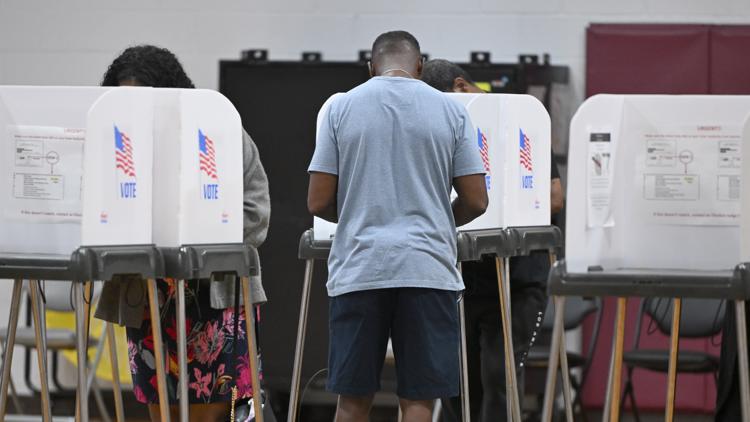
Trump is also pushing for similar changes through Congress. The SAVE America Act would impose stricter citizenship verification requirements for voter registration and identification rules for federal elections.
The bill has become a major priority for Trump. He has publicly tied other legislative business to the demand that Congress pass the voting measure. That move shows how central election policy has become to his second-term agenda.
The legal strategy now appears to have two tracks. One track is executive action, which courts have repeatedly questioned or blocked. The other is legislation, which would have a stronger constitutional footing if passed by Congress.
But passing major election legislation is difficult, especially in a divided political environment. Even when one chamber supports a bill, Senate rules and political opposition can slow or stop it.
Another Election Order Faces Court Battles
The Casper ruling is not the only legal setback for Trump’s election agenda. A separate, newer directive aimed at creating a national voter list and limiting mail voting has also faced challenges.
That order raised fresh questions about whether federal agencies could compile citizenship data, whether the Postal Service could restrict ballot delivery, and whether federal officials could pressure local election workers. A federal judge separately blocked key parts of that newer order, saying the president again exceeded his authority.
Together, the cases show a widening courtroom fight over how far the executive branch can go in shaping elections. The rulings do not end the political debate, but they do make one thing clear: courts are closely scrutinizing any attempt to centralize election power in the presidency.
What This Means For Voters
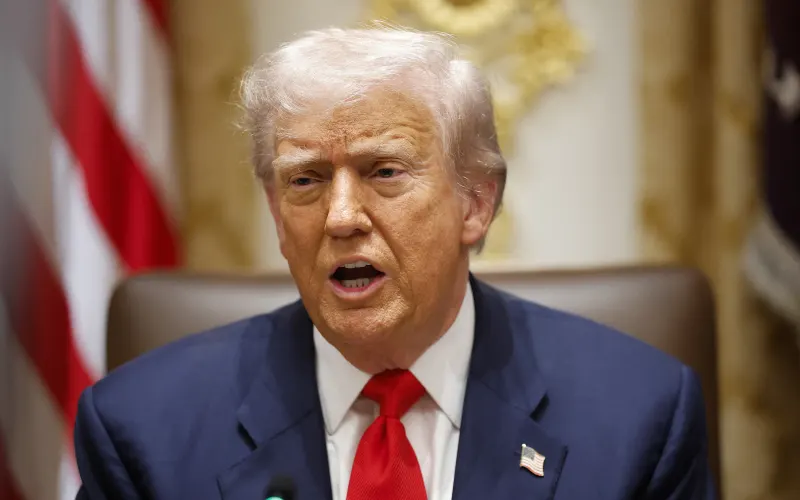
For now, the ruling means voters will not have to meet Trump’s proposed federal proof-of-citizenship requirement to register under the blocked order. Existing state laws and federal registration rules remain in place unless changed by Congress or valid state legislation.
The federal voter registration form already requires applicants to affirm that they are U.S. citizens. False registration can carry serious penalties, including criminal consequences. The debate is about whether voters must also show physical documents at the time of registration.
The ruling may also reduce immediate uncertainty for election officials preparing for the 2026 midterms. Sudden changes to registration forms, mail ballot rules, and funding requirements could have forced states to revise systems quickly. With the order blocked, states can continue operating under current laws unless higher courts intervene.
Still, the issue is far from settled. Appeals, new lawsuits, congressional action, and future executive orders could keep the battle alive for months.
A Bigger Fight Over Election Power
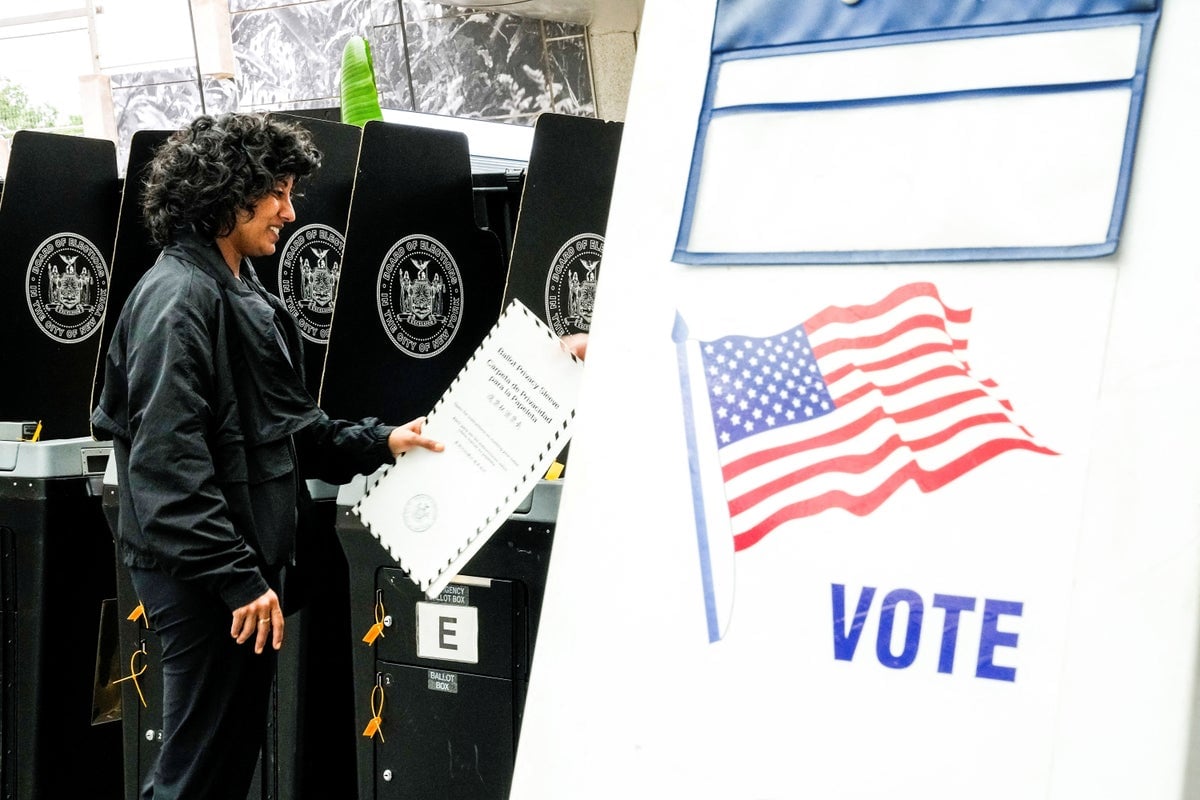
This case is about more than one voting rule. It is about who controls American elections. Trump argues that stronger national standards are needed to protect the system. Democratic-led states and voting rights groups argue that his approach threatens state authority and voter access.
The court sided with the states, at least for now. Judge Casper’s decision reinforced a basic constitutional principle: presidents do not get to write election rules on their own.
That does not mean election security is unimportant. It means the method matters. If national voting rules are going to change, the ruling suggests those changes must come from Congress or the states, not from a presidential order alone.
As the 2026 midterms approach, the fight over citizenship checks, mail ballots, voter lists, and election authority will likely remain one of the most heated political battles in the country. For voters, the ruling preserves the current system for now. For Trump, it is a serious legal defeat. For the courts, it is another reminder that election law sits at the center of America’s struggle over power, trust, and democracy itself.
The final outcome may still depend on appeals and future legislation, but this ruling has already sent a clear message: even a president determined to overhaul elections must stay within constitutional limits.