
Table of Contents
- A Quiet Donor Makes A Historic Splash
- One-Third Of America’s Megagifts
- The Bigger Charitable Picture In 2025
- Why Scott’s Giving Feels Different
- The Absence From A Major Donor List
- The Personal Roots Behind The Giving
- The Power And Debate Around Billionaire Philanthropy
- Why Her 2025 Giving Matters
- A New Model Of Megadonor Giving
- The Lasting Question
A Quiet Donor Makes A Historic Splash
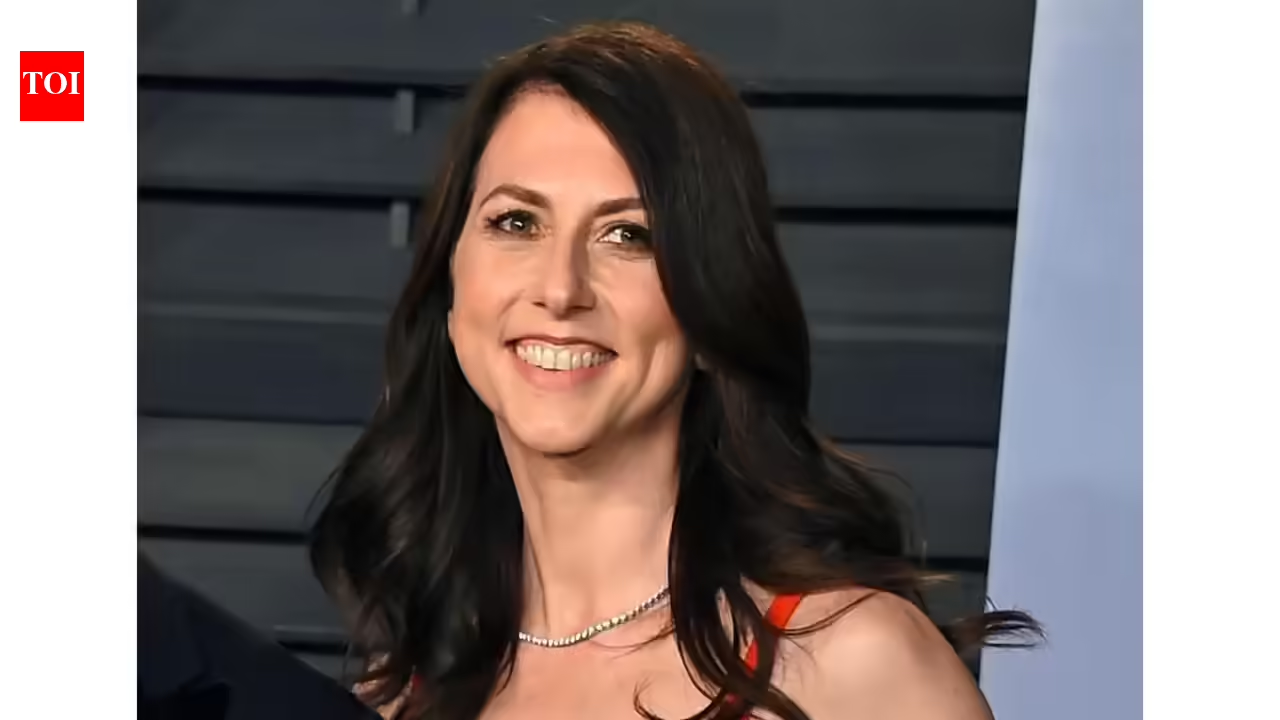
When new data revealed that MacKenzie Scott accounted for one-third of America’s $19.2 billion in megagifts last year, the philanthropy world was forced to pay attention once again. Scott, who has often tried to keep her giving low-profile and free from the usual billionaire spotlight, became the biggest megadonor of 2025 through a wave of donations that reached roughly $7 billion in a single year.
That figure alone would be astonishing. But the larger story is even more striking. In only five years, Scott’s cumulative giving has reportedly reached $26.2 billion, spread across thousands of organizations working in areas such as housing, disaster recovery, education, equity, community development, and other social causes.
Her approach is different from the image many people have of billionaire philanthropy. There are no dramatic naming ceremonies, no constant public appearances, and no visible effort to turn charity into personal branding. Yet the numbers keep making headlines. What Scott has done is not only about the size of the gifts. It is about the way she gives, the kind of organizations she supports, and the questions her method raises about how wealth should move through society.
One-Third Of America’s Megagifts
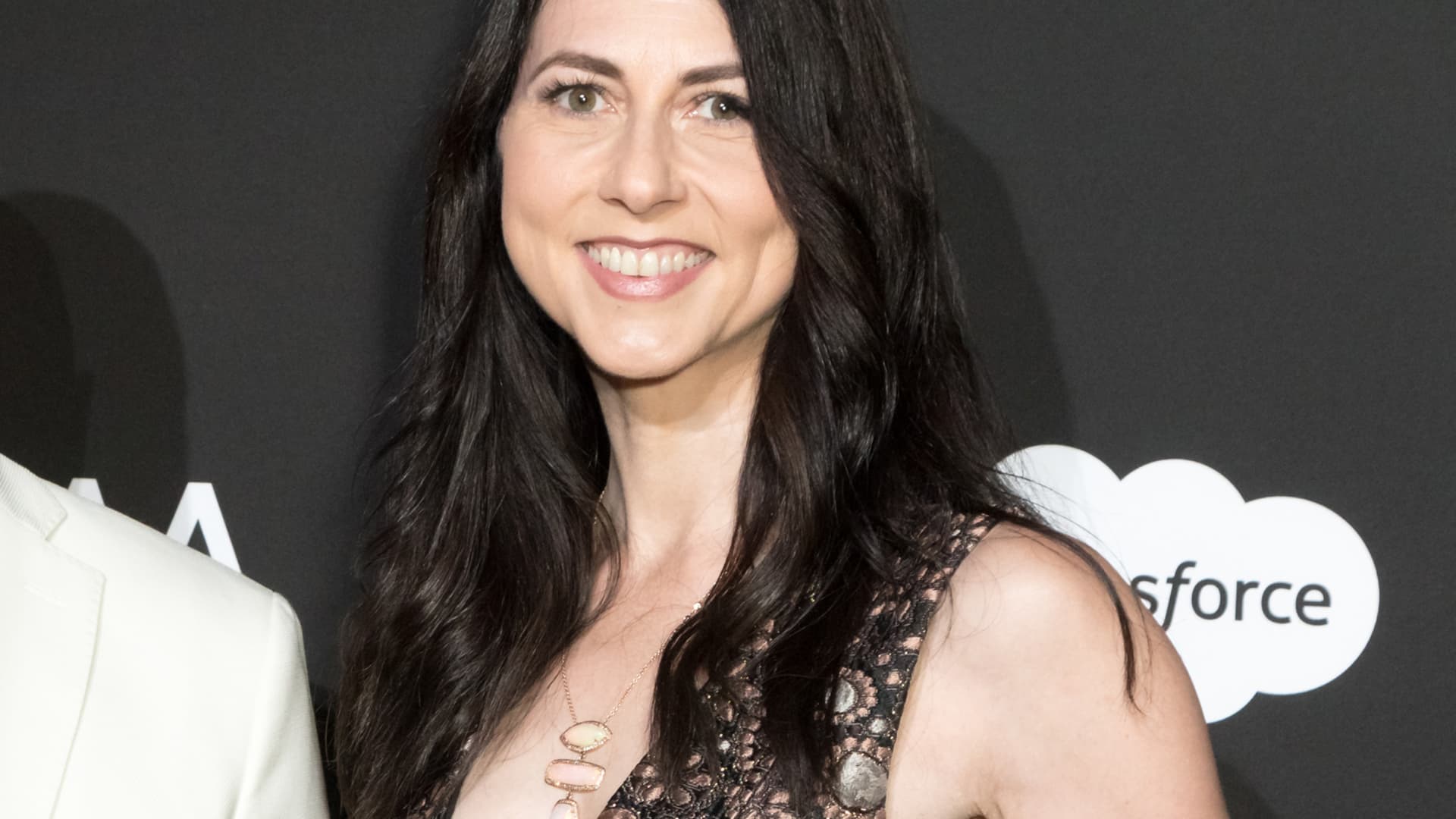
The scale of Scott’s 2025 giving becomes clearer when placed beside the national numbers. According to data provided to Fortune from Giving USA and the Indiana University Lilly Family School of Philanthropy, donors made $19.2 billion worth of megagifts in 2025. Scott alone represented about one-third of that total.
In the world of philanthropy, megagifts are usually associated with the richest donors and the largest institutions. They can fund universities, medical research, museums, climate work, global health programs, housing initiatives, and major charitable foundations. These are not small checks meant to support a single event or one local campaign. They are massive transfers of wealth that can shape the direction of entire organizations.
Scott’s contribution to that total shows how powerful one donor can become in the American charitable landscape. Her giving was so large that it stood apart even among other billionaire donors. In the same year, other major names included Michael Bloomberg, Bill Gates, Warren Buffett, and Susan and Michael Dell. Each of them gave enormous sums, but Scott’s reported $7 billion still placed her in a category of her own.
The figure also makes clear why her philanthropy receives attention even when she does not actively seek it. A person can avoid press coverage, decline interviews, and refuse the usual donor spotlight, but billions of dollars moving through thousands of organizations will still be noticed.
The Bigger Charitable Picture In 2025
Scott’s donations were part of a much larger year for American giving. In 2025, total charitable giving in the United States reached a reported $617.2 billion. That number included donations from individuals, bequests, foundations, and corporations to U.S. charities.
The total represented a 5.7% increase from the previous year, suggesting that the philanthropic sector continued to grow despite economic uncertainty, social tension, and ongoing debates about wealth inequality. Giving USA Foundation leaders described the year as positive, with many types of recipient organizations seeing solid or strong growth.
Some of the largest recipient categories included religion, human services, education, health, international affairs, and arts and culture. These categories show how broad the charitable world really is. Giving can mean funding a food bank, supporting a church, helping a university, backing a hospital, strengthening disaster response, or providing grants to arts organizations that serve local communities.
Within that massive ecosystem, Scott’s approach stands out because she has focused heavily on organizations that often operate closer to the ground. Many of her gifts have gone to groups serving communities directly, including nonprofits working on housing access, racial equity, economic opportunity, disaster relief, education, and support for people often left out of traditional funding systems.
Why Scott’s Giving Feels Different
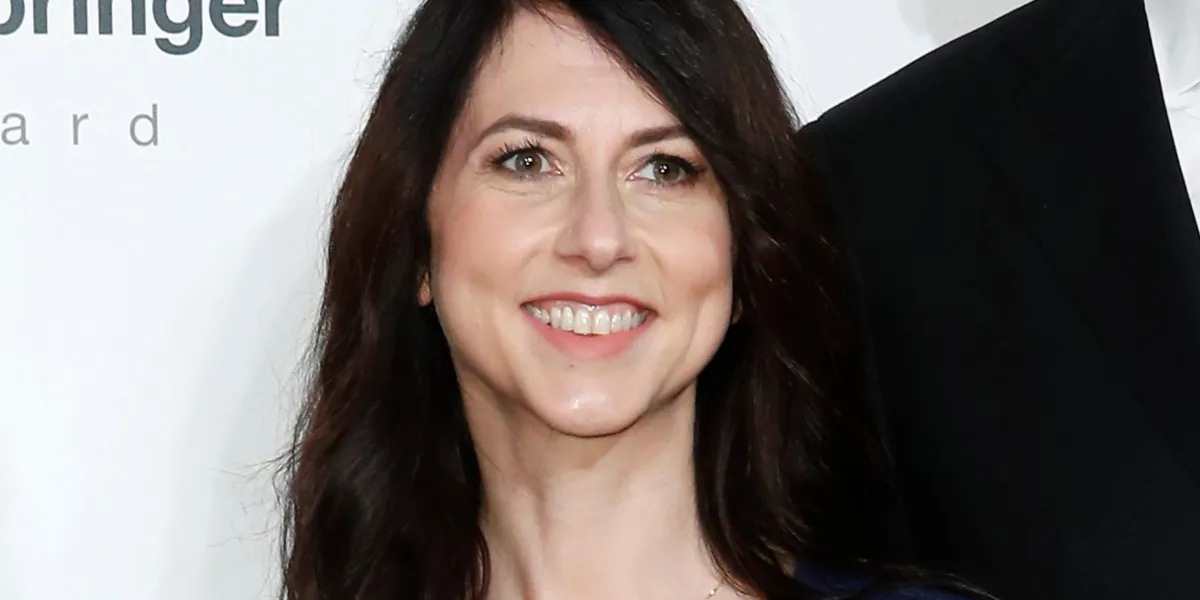
Many billionaire donors build philanthropy around institutions that carry their names or long-term foundations that reflect their personal priorities. Scott has taken another path. Her style is known for being fast, trust-based, and unusually quiet.
Instead of placing herself at the center of the story, she often lets the recipient organizations announce the gifts themselves. In many cases, nonprofits have described receiving large, unrestricted grants that allow them to decide how best to use the money. That matters because many charitable gifts come with conditions, restrictions, reporting requirements, or narrow project rules.
Unrestricted giving can be transformative for nonprofits. It can help them hire staff, strengthen operations, expand programs, pay down debts, invest in technology, or respond quickly to urgent needs. For organizations that are used to chasing tightly controlled grants, a large flexible gift can feel like oxygen.
Scott’s method also challenges the common belief that donors must control every detail to ensure impact. Her giving suggests a different philosophy: the people closest to the work often know best what their communities need. Instead of building a public identity around being the expert, she appears to focus on moving resources to organizations already doing the work.
That trust-based model is one reason her giving has drawn praise. It is also why many nonprofit leaders view her gifts as more than generous. They see them as a change in power dynamics.
The Absence From A Major Donor List
One surprising detail from the report is that Scott was not recognized on the Chronicle of Philanthropy’s list of the top 50 donors this year. That might seem strange given the size of her giving, but the reason appears to be connected to the same quiet style that defines her philanthropy.
The Chronicle noted that Scott was among the notable absences from its Philanthropy 50 list. The publication explained that it was possible she made gifts to donor-advised funds that could have earned her a place, but she and her representatives declined to provide that information.
That absence says something important about the way philanthropy is usually tracked. Large donors often cooperate with rankings, public announcements, and institutional reporting. Scott’s approach is less predictable. She does not appear to be chasing lists, awards, or public status. In fact, her absence from the ranking may reinforce the very thing that makes her giving unusual.
In a culture where billionaire philanthropy can sometimes become a form of reputation management, Scott’s refusal to make recognition the center of her work creates a different kind of public image. The paradox is clear. By not chasing attention, she has become one of the most talked-about donors in America.
The Personal Roots Behind The Giving
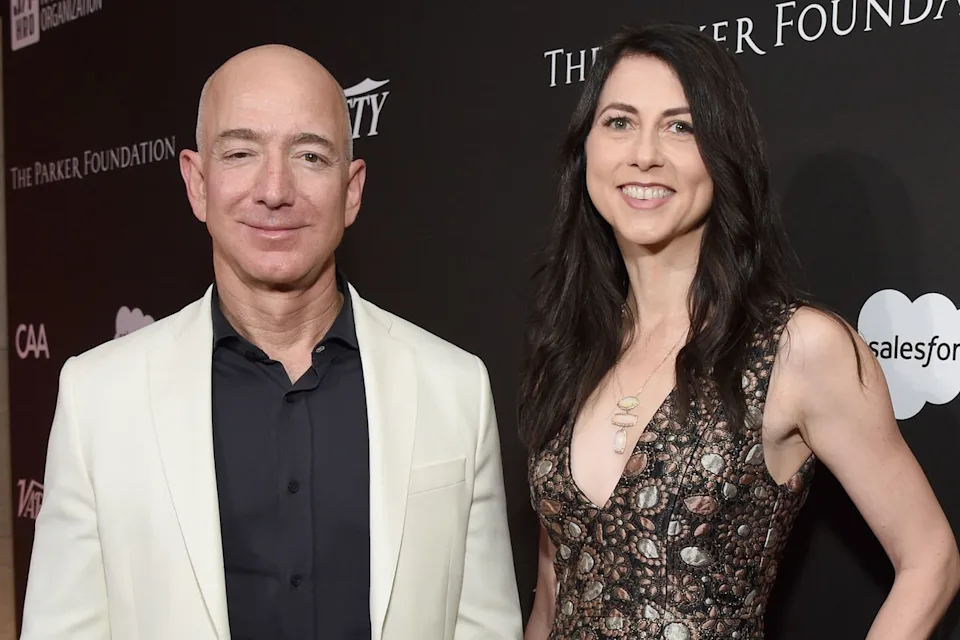
Scott’s giving is often described through numbers, but the motivations behind it appear to be shaped by personal experiences as well. Reports have noted that some of her charitable outlook was influenced by acts of kindness from earlier in her life.
One story involves a college roommate who gave her $1,000 so she would not have to drop out. Another involves a dentist who provided free dental work when he knew she could not afford it. These examples are small compared with billions of dollars, but they help explain a deeper idea behind her philanthropy.
For Scott, generosity may not simply be about wealth redistribution at the largest scale. It may also be connected to the memory of being helped at a critical moment. A gift does not always need to solve every problem to change someone’s path. Sometimes it arrives at exactly the right time and makes the next step possible.
That idea appears to echo through her giving. Many of the organizations she supports are working with people at turning points in their lives. Families needing stable housing. Communities recovering from disasters. Students seeking opportunity. Nonprofits trying to survive and expand. People facing barriers that money alone cannot always solve, but money can help remove.
The Power And Debate Around Billionaire Philanthropy
Scott’s giving has drawn admiration, but it also exists inside a larger debate about billionaire philanthropy. Many people praise her for moving extraordinary sums quickly and with fewer restrictions. Others argue that no private individual should have so much power to decide which social problems receive major funding.
That tension is central to modern philanthropy. On one side, huge donations can help organizations grow faster than government funding or traditional grants might allow. They can support urgent work, fill gaps, and bring attention to neglected causes. On the other side, they raise questions about democracy, accountability, taxation, and the concentration of wealth.
Scott’s case is especially interesting because her style addresses some criticisms while leaving others unresolved. She gives quietly, avoids heavy control, and often supports groups outside elite institutions. That answers the concern that billionaire giving is only about ego or influence. But the sheer size of her donations still shows how much power can sit in the hands of one person.
The result is a complicated public response. People can appreciate the generosity while still questioning the economic system that makes such giving possible. They can admire the speed and humility of the donations while still asking whether society should depend on billionaires to fund essential services.
Why Her 2025 Giving Matters
The 2025 numbers matter because they show that Scott is not slowing down. Her giving is not a one-time wave or a brief moment after a major wealth event. It has become one of the most significant philanthropic forces in the United States.
With roughly $7 billion donated in 2025 alone, Scott’s impact is being felt across a huge range of organizations. For some nonprofits, a Scott gift can change their entire future. It can help them serve more people, survive financial strain, expand into new communities, or finally invest in long-delayed priorities.
The ripple effects may last for years. A housing organization may use the money to reach more families. A disaster recovery group may rebuild faster. An education nonprofit may expand scholarships or training. A community organization may finally have enough stability to plan beyond the next fundraising cycle.
That is why Scott’s giving is not only a story about billionaire generosity. It is also a story about institutional capacity. Nonprofits do not only need passion. They need money, staff, infrastructure, planning, and breathing room. Large unrestricted gifts can provide exactly that.
A New Model Of Megadonor Giving
Scott’s rise as the biggest megadonor of 2025 may signal a broader shift in how the public evaluates philanthropy. The old model often celebrated donors for building permanent monuments, attaching their names to buildings, or funding highly visible institutions. Scott’s model is more decentralized, less polished, and more difficult to turn into a traditional donor brand.
That does not mean it is without strategy. In fact, the scale and pattern of her giving suggest deep research, intentional selection, and a clear commitment to certain kinds of social impact. But the strategy is not presented through a constant public campaign. It is shown through the organizations that receive support.
This makes her philanthropy feel both massive and strangely quiet. Billions are moving, but the donor is not standing in front of every camera. Thousands of organizations are affected, but the story is not always told from the top. The result is a form of giving that feels less like a performance and more like a transfer of trust.
The Lasting Question
MacKenzie Scott’s 2025 giving will likely be remembered as one of the most remarkable philanthropic stories of the year. By accounting for one-third of America’s $19.2 billion in megagifts, she proved that her quiet approach can still create a national shockwave.
But the deeper question is not only how much she gave. It is what her giving says about wealth, responsibility, and the future of philanthropy. Should the richest people give faster? Should more donors trust nonprofits with unrestricted money? Should generosity be measured by public recognition, or by the freedom it gives organizations to serve?
Scott’s example does not answer every question, but it changes the conversation. In a world where extreme wealth often attracts criticism, she has become a rare figure whose donations are both massive and unusually understated. She is not invisible, because the scale of the giving makes invisibility impossible. But she is also not following the familiar script of billionaire charity.
Her 2025 giving shows that philanthropy can be headline-making without being self-promotional. It can be huge without being loud. And for the thousands of organizations touched by her donations, the real story is not the ranking or the recognition. It is the work that becomes possible when money moves quickly, quietly, and with trust.