
Table of Contents
- Musk’s Trillionaire Moment Ends Fast
- SpaceX Pushed Musk Past $1 Trillion
- The SpaceX Sell-Off Changes The Story
- Bond Sale Adds New Questions
- Cash Flow Concerns Enter The Spotlight
- Tesla Adds More Pressure
- Still The World’s Richest Person
- Why The Trillionaire Tag Matters
- The Next SpaceX Test
- A Fortune Built On Volatility
- What The Drop Really Means
Musk’s Trillionaire Moment Ends Fast
When reports emerged that Elon Musk had briefly crossed into trillionaire territory, the financial world reacted with fascination. The idea of one person holding a fortune above $1 trillion was no longer a prediction about the future. It had become, at least for a short moment, a reported reality.
But that historic milestone did not last long.
According to the Bloomberg Billionaires Index cited in the report, Musk’s net worth fell to around $957 billion after previously reaching a record $1.32 trillion on June 16. The massive decline was linked mainly to a sharp drop in SpaceX’s valuation, which reportedly erased about $363 billion from his personal wealth.
The fall ended Musk’s brief run as the world’s first trillionaire. Still, even after the stunning drop, Musk remained the richest person in the world by a wide margin. That contrast is what makes the story so striking. He lost an amount of wealth larger than the entire fortunes of most billionaires, yet he still stood far ahead of the global wealth rankings.
This is not just a story about one rich person becoming slightly less rich. It is a story about how quickly paper wealth can rise and fall when it is tied to fast-moving markets, highly valued companies, and investor expectations surrounding technology, artificial intelligence, rockets, satellites, and electric vehicles.
SpaceX Pushed Musk Past $1 Trillion
Musk’s leap into trillionaire status was reportedly driven by SpaceX, the rocket and satellite company that has become one of the most closely watched private and public market stories in the world.
According to the report, SpaceX made a record-breaking market debut on June 12, raising $75 billion in what was described as the biggest IPO ever. That debut pushed the company’s valuation to nearly $1.77 trillion, placing SpaceX among the most valuable companies on the planet.
Investor excitement moved quickly. SpaceX shares reportedly climbed as high as $225.64, briefly pushing the company’s value close to $2 trillion. For Musk, whose fortune is heavily tied to his stakes in his companies, the surge had a dramatic effect. His net worth crossed the trillion-dollar mark for the first time.
The moment carried symbolic weight. Musk had long been seen as one of the central figures of the modern technology economy, with companies spanning electric cars, rockets, satellites, social media, artificial intelligence, robotics, and infrastructure. Crossing $1 trillion appeared to confirm the market’s extraordinary belief in that empire.
But the same forces that lifted his fortune so quickly also made it vulnerable. When a large portion of a billionaire’s wealth is connected to company shares, the number can change dramatically in days, sometimes even in hours.
The SpaceX Sell-Off Changes The Story
After the excitement came the reversal.
SpaceX shares reportedly fell to around $156, representing a decline of nearly 31% from their peak. The company suffered a particularly sharp blow when its shares plunged more than 16% in a single session, pulling down its overall valuation and taking a major bite out of Musk’s fortune.
That sell-off changed the entire tone of the story. What had been framed as a historic trillionaire breakthrough quickly became a cautionary tale about volatility. Investors who had rushed into the stock during the excitement of the market debut suddenly faced a more difficult question: had SpaceX climbed too far, too fast?
A company can be admired, ambitious, and strategically important while still facing market pressure. SpaceX has built a powerful reputation through rocket launches, satellite internet expansion, government contracts, and bold long-term plans. But investors do not only look at vision. They also look at cash flow, debt, profitability, future spending needs, and whether a valuation can be justified by the company’s financial path.
The drop in SpaceX shares showed how quickly enthusiasm can turn into concern. A company valued near $2 trillion must convince the market that its future growth can support that number. If doubts appear, even briefly, the reaction can be severe.
Bond Sale Adds New Questions
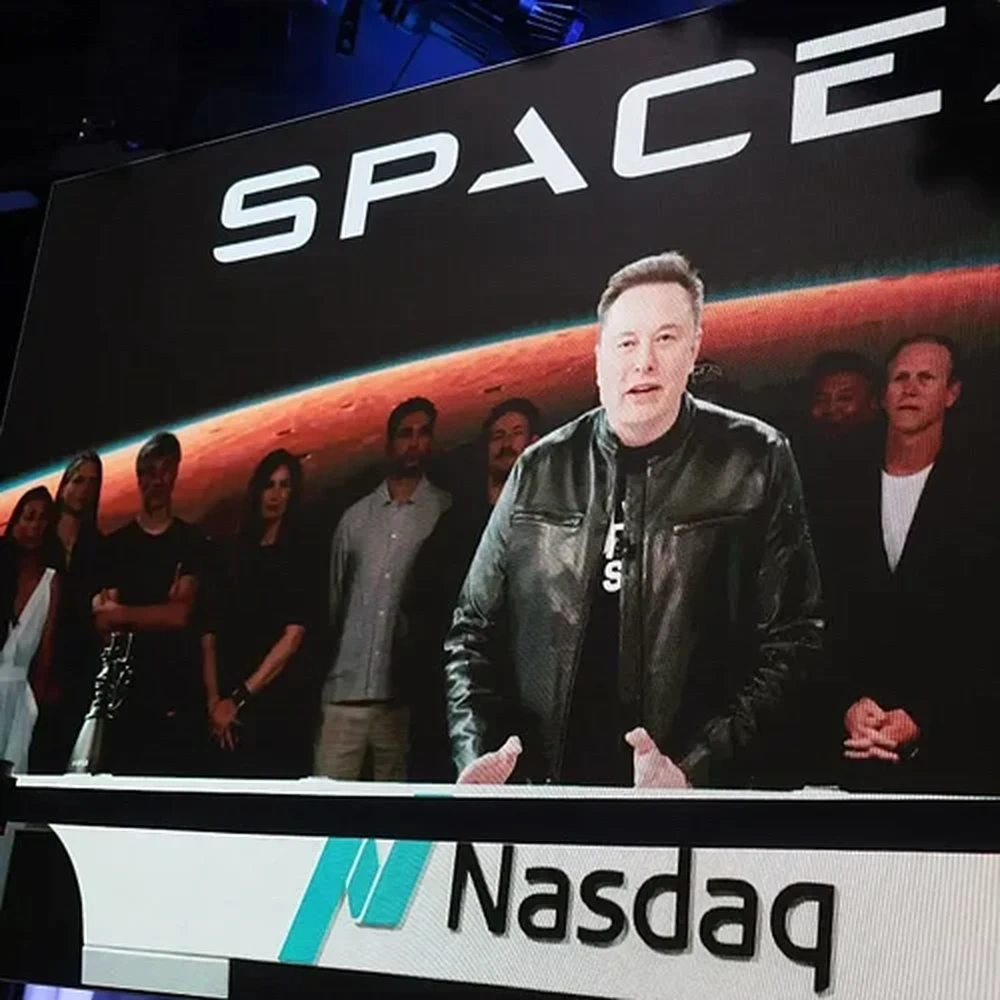
The report also noted that SpaceX announced plans to raise $25 billion through its first investment-grade bond sale. The money was expected to support the company’s artificial intelligence plans and refinance debt connected to Musk’s wider business empire, including X and xAI.
That detail added another layer to investor concern. Raising debt is not automatically a warning sign. Large companies often borrow money to fund expansion, refinance existing obligations, or pursue major strategic projects. But when a high-profile company with an enormous valuation enters the bond market at such scale, analysts naturally pay attention.
Investors may ask whether the company needs more capital than expected. They may wonder how quickly its expensive projects will produce returns. They may also examine how closely SpaceX is financially connected to Musk’s other ventures.
The mention of debt tied to X and xAI is especially important because Musk’s business world is unusually interconnected. His companies often operate in different industries, but investor perception can link them together. A major move in one company can affect confidence in another, especially when the same founder, leadership style, and financial network are involved.
For SpaceX, the key question is whether investors see the bond sale as a sign of strength and ambition, or as a signal that the company’s financial demands are growing heavier.
Cash Flow Concerns Enter The Spotlight
Another major issue in the report was the outlook from S&P Global Ratings, which said SpaceX was likely to remain cash-flow negative until 2029, even as revenue from Starlink and government contracts continued to support its expansion.
That statement matters because it cuts through the excitement around SpaceX’s brand. A company can be growing rapidly and still burn large amounts of cash. This is common in industries that require heavy infrastructure, advanced engineering, and long development cycles.
SpaceX operates in one of the most capital-intensive sectors in the world. Rockets are expensive. Satellite networks are expensive. Launch systems, manufacturing, research, testing, regulatory approvals, and global infrastructure all require enormous investment. Starlink may generate major revenue, and government contracts may provide important stability, but the company’s ambitions also demand constant spending.
For investors, cash-flow negativity does not necessarily mean failure. Many major growth companies have spent years investing heavily before reaching steady profitability. But when a company is valued at extreme levels, the timeline matters. If profitability is too far away or spending rises faster than expected, market confidence can weaken.
That appears to be part of the pressure surrounding SpaceX after its dramatic post-IPO surge.
Tesla Adds More Pressure
SpaceX was the main reason for Musk’s reported loss of trillionaire status, but Tesla also played a role in the broader pressure on his fortune.
The report said Tesla shares had fallen more than 4% since June 16 and remained down more than 7% for the year. For Musk, Tesla has long been a major pillar of his wealth. Even as SpaceX gained new attention, Tesla remained one of the key companies shaping his net worth.
Tesla’s stock performance matters because the electric vehicle market has become more competitive. Traditional automakers, Chinese EV giants, battery companies, and new technology players are all fighting for market share. At the same time, investors are watching Tesla’s margins, vehicle demand, autonomous driving promises, robotics plans, and energy business.
For years, Tesla traded not only as a car company, but as a bet on the future of transportation and automation. That kind of valuation can be powerful when sentiment is strong. It can also create pressure when growth expectations become harder to meet.
As SpaceX fell from its peak and Tesla remained under pressure, Musk’s wealth became exposed to weakness across multiple parts of his empire.
Still The World’s Richest Person
Even after losing an estimated $363 billion from his peak, Musk reportedly remained the richest person in the world. That fact shows the extraordinary scale of his fortune.
The report listed Google co-founder Larry Page at an estimated $297 billion and Sergey Brin at $276 billion. Those are enormous fortunes by any historical standard. Yet they remained far below Musk’s reported $957 billion net worth.
This gap highlights how unusual Musk’s wealth position had become. His fortune was not just larger than other billionaires. It was several times larger than some of the richest people in technology.
The ranking also reveals how much the world’s biggest fortunes now depend on technology valuations. SpaceX, Tesla, xAI, and other Musk-linked ventures are not traditional sources of wealth like oil fields, retail empires, or real estate dynasties. They are tied to markets that reward future expectations, innovation, scale, and investor belief.
That makes the wealth both spectacular and unstable. A founder can gain hundreds of billions as valuations rise, then lose hundreds of billions when the market pulls back.
Why The Trillionaire Tag Matters
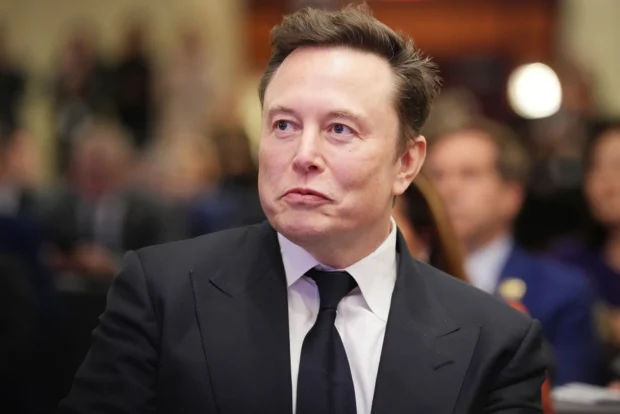
The word “trillionaire” carries a different emotional weight from billionaire. Billionaire status already signals extreme wealth, but trillionaire status feels almost unreal. It suggests a level of private fortune larger than the economies of many countries.
That is why Musk’s brief crossing of the $1 trillion mark became such a powerful headline. It was not only a financial milestone. It was a cultural moment. It raised questions about technology, inequality, capital markets, and the scale of wealth that can accumulate around a single founder.
For supporters, Musk’s fortune reflects the value created by companies attempting to reshape transportation, space access, satellite internet, and artificial intelligence. They see the numbers as a market reward for risk, vision, and execution.
For critics, the same numbers raise uncomfortable questions. They ask whether wealth concentration has become too extreme, whether society should celebrate trillionaire status, and whether one person should have that much economic power.
The sudden fall from $1.32 trillion to $957 billion does not end those questions. It makes them more complicated. Musk lost a staggering amount on paper, but he remained richer than anyone else in the world.
The Next SpaceX Test
The report noted that another major test for SpaceX could arrive soon, as insider shares may become available for sale before the official lockup period ends in December. That possibility could add further pressure on the stock.
Lockup periods are important because they limit when insiders can sell shares after a company goes public. When those restrictions loosen, the market often watches closely. If insiders sell heavily, investors may worry that those closest to the company believe the stock price is too high. If selling is limited, it can help reassure the market.
For SpaceX, this moment could be especially sensitive because the company’s valuation has already experienced a dramatic rise and fall. Any sign of additional selling could test investor confidence further.
At the same time, SpaceX still has powerful long-term narratives behind it. Starlink continues to be a major part of the company’s revenue story. Government contracts remain important. The company’s rocket technology and launch capabilities give it a unique place in the global space economy. Its ambitions in artificial intelligence and future space infrastructure continue to attract attention.
That is why the next stage of the SpaceX story may not be simple. The company could face pressure in the short term while still maintaining a strong long-term position.
A Fortune Built On Volatility
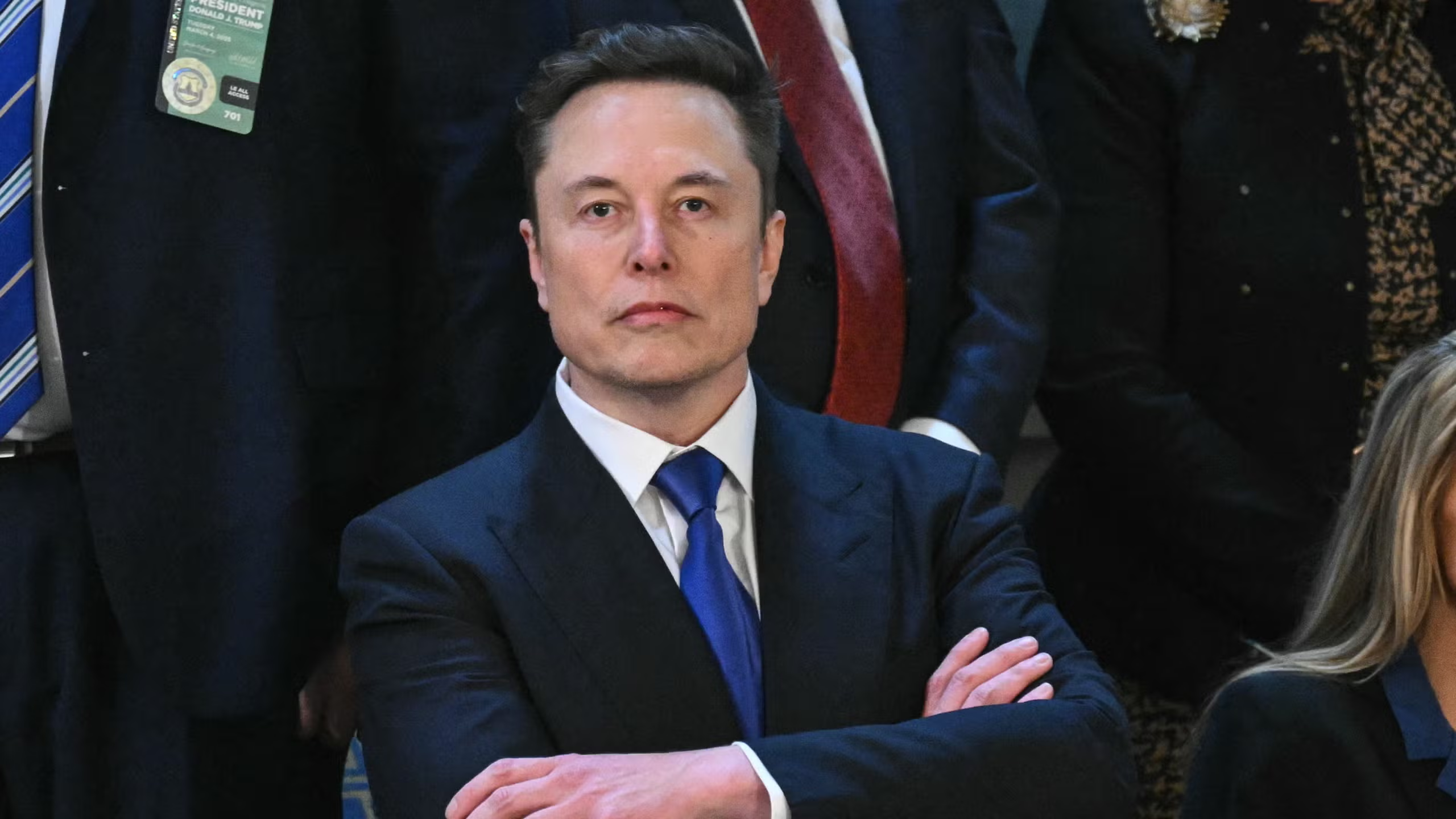
Musk’s reported $363 billion decline is a reminder that modern billionaire wealth is often not sitting in a bank account. It is tied to ownership stakes, stock prices, private valuations, investor demand, and market sentiment.
That means the numbers can look unreal in both directions. A record IPO can create hundreds of billions in paper wealth. A sell-off can erase those same billions almost overnight.
For ordinary people, the scale is difficult to imagine. A $363 billion decline is larger than the market value of many major companies. It is more money than most nations spend on key public programs in a year. Yet in Musk’s case, it represented a fall from one historic level of wealth to another still historic level.
The story also shows the risk of attaching identity to a wealth ranking. One week, Musk was being described as the world’s first trillionaire. Days later, he had lost that title. The underlying companies still existed. The ambitions were still there. But the market’s number had changed.
What The Drop Really Means
Musk’s loss of the trillionaire tag does not mean his business empire has collapsed. It does not mean SpaceX has failed. It does not mean Tesla is finished. What it does mean is that the market is reassessing how much those companies should be worth right now.
That reassessment can happen for many reasons: concerns about debt, profit timelines, cash flow, valuation, insider selling, competition, or broader investor mood. In this case, SpaceX’s sharp share decline was the biggest factor, while Tesla’s weakness added to the pressure.
The broader implication is clear. Even the most celebrated technology fortunes are vulnerable when expectations are extremely high. Investors may love a company’s mission, but they still demand evidence that the financial future can support the valuation.
For Musk, the headline is dramatic: poorer by $363 billion and no longer a trillionaire. But the deeper story is about how fragile even the largest fortunes can be when they are built on fast-rising assets.
His wealth may rise again if SpaceX recovers, Tesla strengthens, or xAI gains more value. It may fall further if market pressure continues. Either way, this moment shows that the trillionaire era, if it has truly begun, may be far more volatile than anyone expected.