
Table of Contents
- A Protest Turns Painful In Downtown Los Angeles
- What Santoyo Said Happened
- A Close-Range Shot With Serious Consequences
- The Moments After The Impact
- Doctors Perform Surgery
- Why He Joined The Protest
- The Bigger Debate Over Rubber Bullets
- Protest Rights And Public Safety
- The Human Cost Behind Crowd Control
- Why This Story Sparked Outrage
- What Comes Next
A Protest Turns Painful In Downtown Los Angeles
When demonstrations against ICE raids filled parts of downtown Los Angeles, many people came out to raise their voices, show support for immigrant communities, and stand beside families they believed were living in fear. But for one 33-year-old protester, the day ended not with chants or signs, but with a severe injury that sent him to the hospital and left him unable to walk while recovering at home.
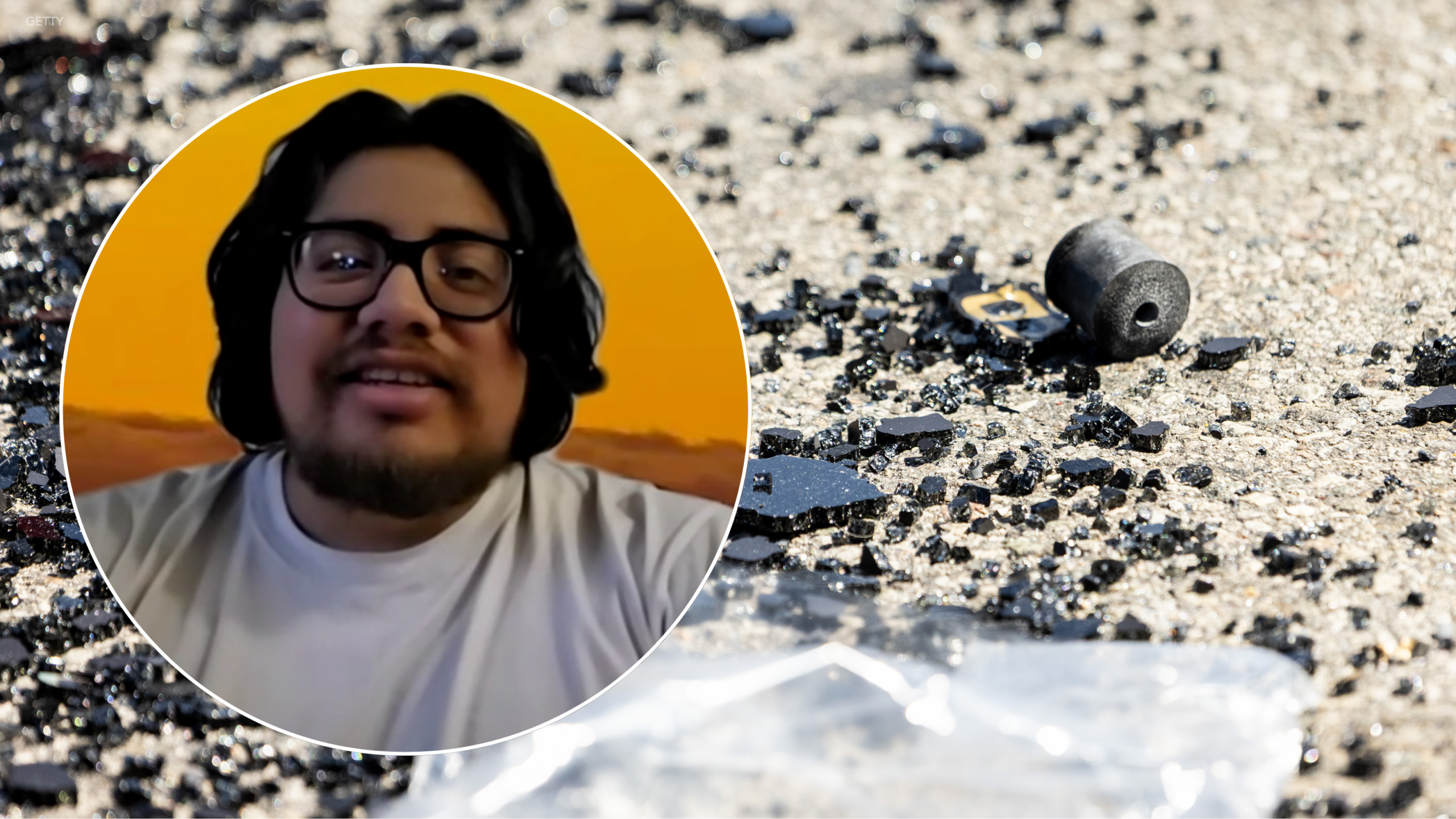
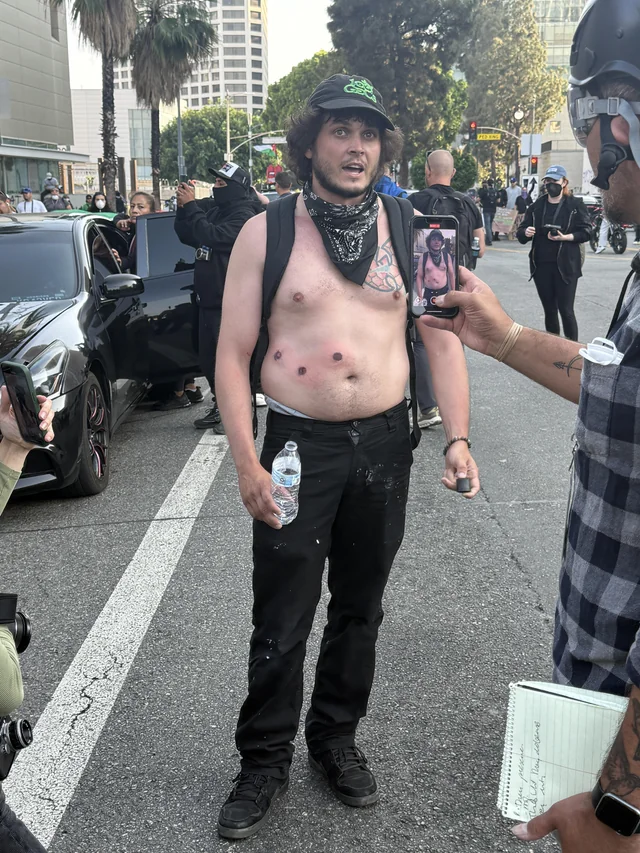
Martin Santoyo said he was hit in the groin by a rubber bullet fired at close range during the protest. The impact, he told KTLA, caused serious damage, leaving one testicle badly bruised and the other shattered. His account quickly drew attention because it raised painful questions about crowd-control weapons, police tactics, protest safety, and what happens when demonstrations become physical confrontations between officers and the public.
Santoyo said he had gone to the protest because he wanted to speak for people who were too afraid to speak for themselves. Instead, he became part of a larger debate about how force is used during public demonstrations and whether so-called less-lethal weapons can still cause life-changing injuries.
What Santoyo Said Happened
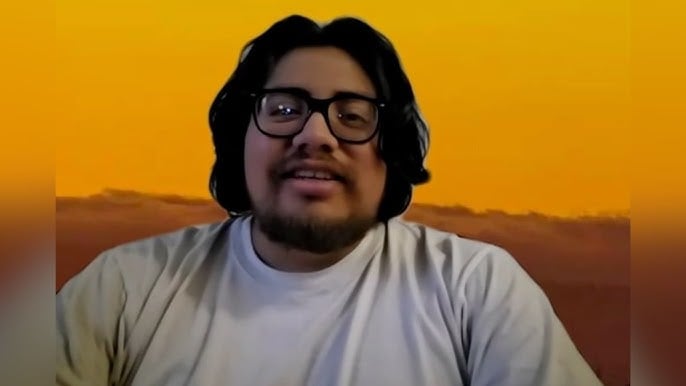
According to Santoyo, the incident happened on a Monday near Temple Street in downtown Los Angeles. He said he had just gotten off his bicycle while moving among the crowd of protesters and law enforcement officers. Before the injury, he said he did not hear officers declare an unlawful gathering.
That detail matters because warnings and dispersal orders are often a key part of public protest enforcement. Demonstrators may be ordered to move back, leave the area, or clear a street before police begin using force. Santoyo said he did not hear such an order before officers began pushing forward.
He said he was reaching into his backpack to grab a water bottle when authorities started moving toward the group. In the confusion, he said he was still trying to manage his backpack and bicycle as officers pushed forward and shouted for people to move back.
Santoyo recalled telling an officer not to push him because he was already moving. Then, he said, another officer standing nearby aimed a weapon and fired.
A Close-Range Shot With Serious Consequences
Santoyo estimated that the officer who shot him was only about two to three feet away. He said the rubber bullet struck him directly in the groin. The impact left him in shock, unable to walk properly, and in immediate pain.
Rubber bullets are often described as less-lethal tools, but that phrase can be misleading for the public. Less-lethal does not mean harmless. These projectiles can cause severe injuries, especially when fired at close range or aimed at sensitive parts of the body. They are generally intended to reduce the risk of death compared with live ammunition, but they can still break bones, damage organs, blind people, and cause lasting trauma.
In Santoyo’s case, the injury was deeply personal and physically severe. He said doctors later told him one testicle was bruised and the other had been shattered. He underwent surgery and was eventually released from the hospital, but at the time of his interview, he was still recovering at home and could not walk.
His first words in the interview captured the everyday reality of the injury. He said it hurt to sit down. Behind that simple statement was a much larger physical ordeal.
The Moments After The Impact
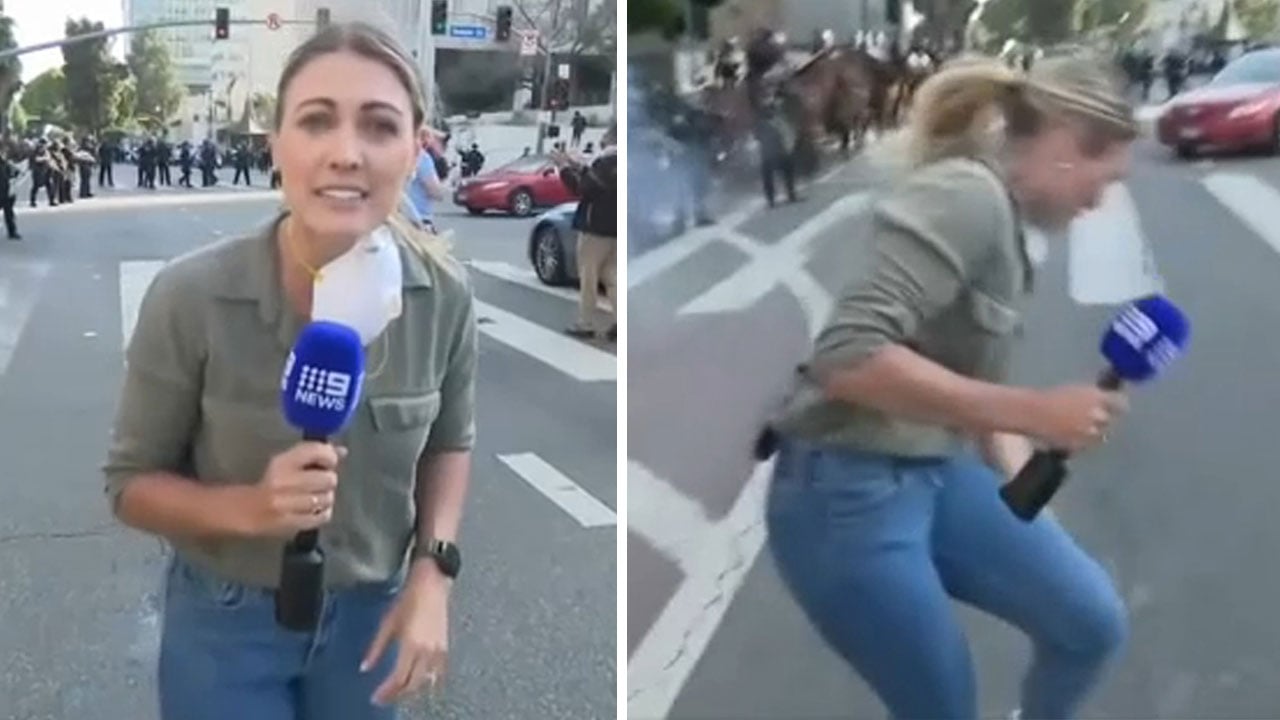
Santoyo said that after he was hit, he could not really walk because of the shock and pain. He said officers were still pushing forward even as other protesters tried to help him.
According to his account, bystanders shouted that he had just been hit and needed space to breathe. He said he wanted to sit down, but the crowd and officers continued moving. Eventually, other protesters helped him get medical attention.
That part of the story highlights one of the most chaotic realities of protest policing. When a crowd begins moving, people can fall, become trapped, or struggle to communicate what has happened. A person who is injured may not be immediately visible to officers or other demonstrators. In fast-moving situations, confusion can quickly become danger.
For Santoyo, the moments after the shot appeared to be filled with pain, disorientation, and a struggle simply to stop moving long enough to receive help. Bystanders ultimately played an important role in getting him medical care.
Doctors Perform Surgery
After being taken to the hospital, Santoyo underwent surgery for the injuries he sustained. He later described the damage as severe, saying one testicle was bruised and the other had been shattered.
He said doctors were able to repair some of the damage and told him it should still have some function, but that it remained badly injured. At the time of his interview, doctors had not given him a clear timeline for recovery. He was told to return in about five to eight days so they could evaluate how he was healing and discuss when he might be able to return to work.
The uncertainty around recovery adds another emotional layer to the story. For many people, an injury is not only about the pain itself. It is about lost income, medical bills, mobility, anxiety, and fear about long-term effects. Santoyo’s inability to walk while recovering meant the injury had immediate consequences for his daily life.
A protest that began as an act of civic participation had turned into a medical crisis.
Why He Joined The Protest
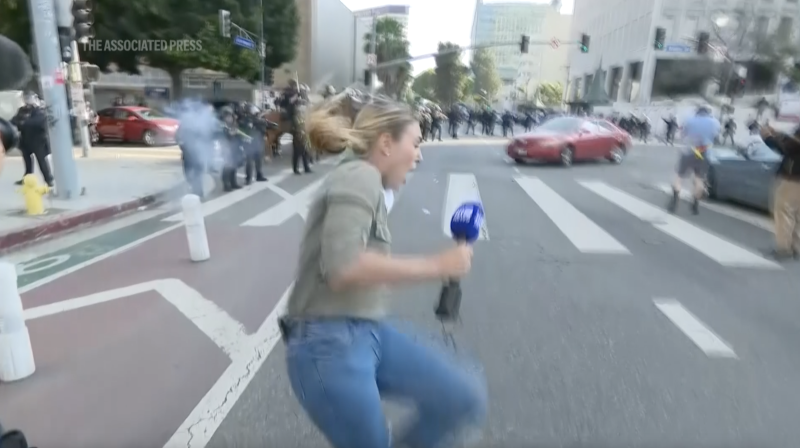
Santoyo said he went to the demonstration because he wanted to stand up for people affected by ICE raids. He said he joined for those who could not go themselves, including people who were too scared to appear publicly.
He also mentioned children he knew who had lost their parents, describing the emotional reason behind his decision to attend. His comments placed the protest within a broader conversation about immigration enforcement, family separation, fear in immigrant communities, and the role of public demonstrations in pushing back against government action.
For many protesters, demonstrations are not only about politics. They are about personal relationships, neighbors, family members, coworkers, and communities. People often march because they believe silence would make them complicit, or because they feel someone else’s suffering deserves public attention.
Santoyo’s explanation made clear that he did not see himself as simply attending a political event. He saw himself as showing up for people who could not safely show up for themselves.
The Bigger Debate Over Rubber Bullets
The incident quickly points to a larger issue: the use of rubber bullets and similar projectiles during protests. These weapons are often grouped under terms like less-lethal munitions, crowd-control projectiles, or kinetic impact rounds. They are used by law enforcement agencies in some protest and riot-control situations to disperse crowds or stop perceived threats.
However, critics argue that these weapons are dangerous and often misused. A rubber bullet fired at a safe distance and aimed at a large muscle group may be intended to reduce the chance of fatal injury. But when fired too close or aimed at the head, neck, groin, chest, or other vulnerable areas, the results can be devastating.
Santoyo’s account centers on that concern. He said the officer was only a few feet away and fired into one of the most sensitive areas of the body. If accurate, the distance and target area would be central to questions about whether the force used was appropriate.
This is why such cases often become larger than one injury. They force the public to ask whether police departments have clear rules, whether officers follow those rules under pressure, and whether there is enough accountability when crowd-control tools cause serious harm.
Protest Rights And Public Safety
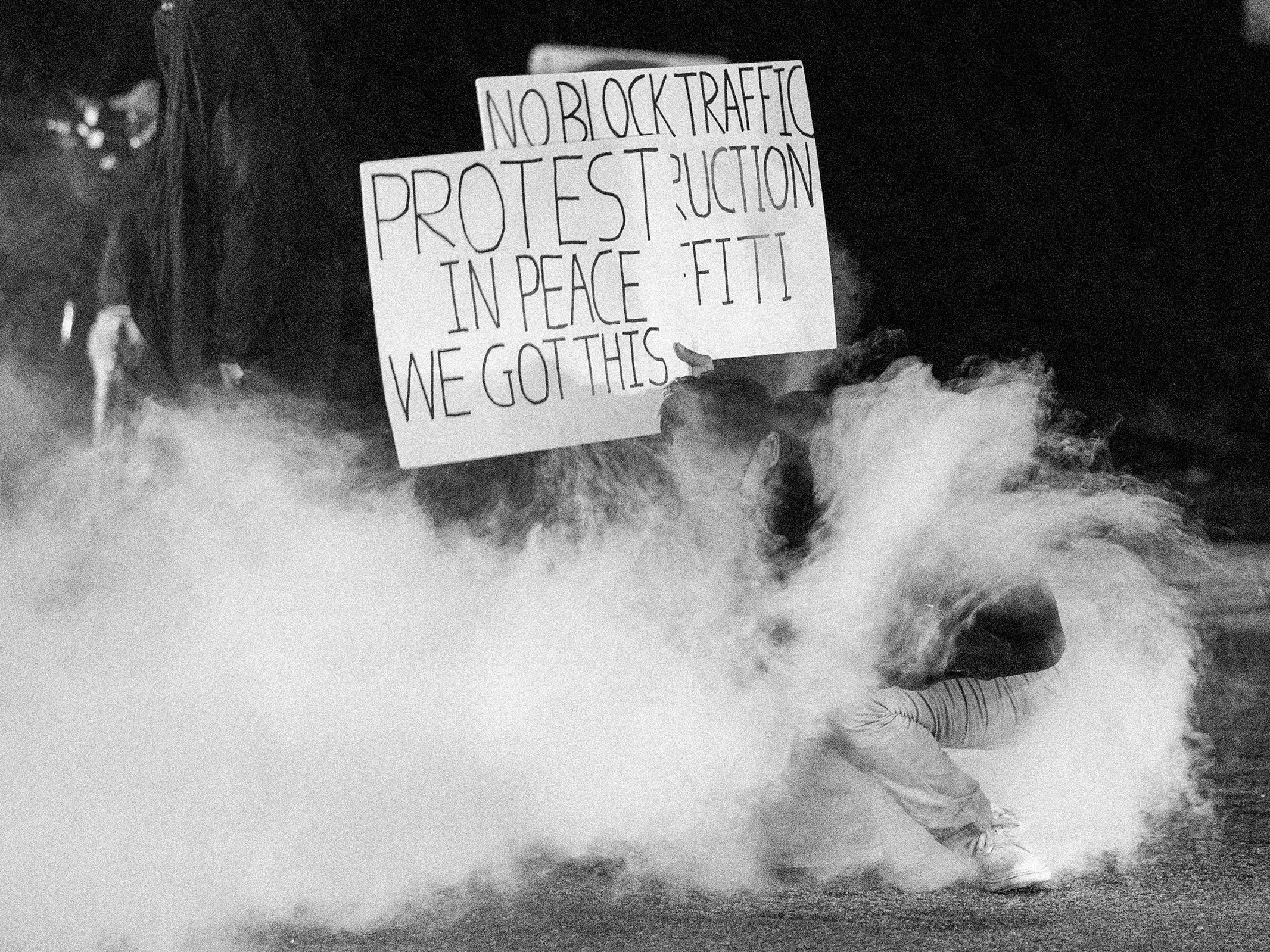
The United States has long treated protest as a protected form of expression, but that right often meets tension on the street. Law enforcement agencies are responsible for managing crowds, protecting public safety, preventing property damage, and responding to unlawful activity. At the same time, protesters have the right to gather, speak, chant, march, and challenge government action.
The difficult part comes when demonstrations become tense. Officers may say they are trying to control a crowd. Protesters may say they are being pushed, trapped, or struck without proper warning. Both sides may describe the same event very differently.
Santoyo said he was not attacking anyone. He said he was handling his backpack and bicycle and was already moving back when he was pushed and then shot. His account presents him as a protester caught in a chaotic moment, not as someone posing an immediate threat.
That version of events, if supported by additional evidence, would raise serious questions about why a close-range projectile was used. But as with any incident involving law enforcement, video, witness accounts, department statements, and investigative review would be important to understanding the full picture.
The Human Cost Behind Crowd Control
The phrase “crowd control” can sound technical and distant, but Santoyo’s injury shows the human cost behind those words. A policy decision becomes a physical injury. A command to move back becomes a moment of panic. A rubber bullet becomes surgery, pain, and uncertainty.
For Santoyo, the injury was not an abstract debate. It affected his ability to walk, sit, work, and recover normally. It also left him describing one of the most painful experiences of his life in public, because he believed people needed to understand what had happened.
That is often why protest injury stories spread so quickly. They transform a broad political issue into a personal story. Instead of talking only about immigration enforcement or police tactics, the public sees one person’s face, hears his voice, and learns what happened to his body.
Whether someone supports or opposes the protest itself, the severity of the injury can still spark concern. Less-lethal weapons are supposed to reduce fatal outcomes, but they are not supposed to become tools of careless harm.
Why This Story Sparked Outrage
The story drew attention because it contains several elements that often ignite public reaction. It involved ICE protests, a highly emotional issue in Los Angeles and across the country. It involved a protester who said he was shot at extremely close range. It involved a sensitive and serious injury. It also involved questions about whether officers gave proper warnings before using force.
For many readers, the most shocking detail is the distance Santoyo described. Two to three feet is extremely close in the public imagination. When people hear that a rubber bullet was fired from that distance into the groin, they naturally question whether it was necessary.
The case also arrives in a wider climate of distrust between protesters and law enforcement. In recent years, images of crowd-control weapons being used at demonstrations have intensified debates over police accountability. Santoyo’s injury fits into that larger pattern of concern.
What Comes Next
Santoyo’s immediate future depends on his recovery. Doctors planned to reassess him within days of the interview, and only then would they have a clearer idea of his healing timeline and when he might return to work.
The broader future depends on whether the incident receives further review. Questions remain about which agency was involved, what officers were instructed to do, whether any body camera or surveillance footage exists, and whether department policies were followed.
For the public, the case is another reminder that protest scenes can change in seconds. People may arrive with signs, bicycles, water bottles, and a desire to speak out. They may leave injured, arrested, traumatized, or afraid. Officers may arrive expecting a difficult crowd-control operation and face intense pressure. But that pressure does not erase the need for restraint, judgment, and accountability.
Santoyo said he went to the protest for people who could not go themselves. Now, his own experience has become part of the story he was trying to highlight: what happens when people challenge power, and what price some may pay for showing up.
His injury raises a difficult question that reaches beyond one demonstration in downtown Los Angeles. How should a society protect both public order and the right to protest without turning the act of speaking out into a physical risk? Until that question is answered more clearly, stories like Santoyo’s will continue to fuel anger, concern, and demands for accountability.