

Table of Contents
The Role of Diet in ADHD Symptoms
Dr. Lidy Pelsser, the lead author of the study at the ADHD Research Centre in the Netherlands, emphasized the importance of food in the development and manifestation of ADHD. According to Pelsser, ADHD symptoms are often linked to hypersensitivity reactions to certain foods and food additives. The study’s findings suggest that for a significant portion of children with ADHD, the root cause of their symptoms may lie in what they eat, rather than being purely a neurological issue.
This revelation opens up a new perspective on managing ADHD, offering parents a potential alternative to the medication-heavy approach that dominates current treatment plans. By identifying the foods that trigger ADHD symptoms, parents may have the ability to reduce or even eliminate many of the behaviors associated with the condition.
Foods Known to Trigger ADHD Symptoms

A closer look at the foods involved reveals that many common ingredients, particularly those found in processed foods, are the culprits. The study supports earlier findings from the 1970s when Dr. Ben Feingold introduced the Feingold Diet, which recommended eliminating artificial colors, flavors, preservatives, and additives from children’s diets. These food additives, such as sulfites, artificial sweeteners, and MSG, have long been linked to hyperactivity and other disruptive behaviors.
In addition to additives, food sensitivities also play a major role. Caffeine, sugar, and even some natural foods, like certain fruits with high levels of salicylates (a pesticide), have been shown to contribute to ADHD symptoms in susceptible children. For instance, processed sugar, often found in sugary snacks, sodas, and cereals, can lead to spikes in energy followed by crashes, which worsen impulsivity and inattention.
Omega-3 Fatty Acids
While certain foods may exacerbate ADHD symptoms, others may help alleviate them. Omega-3 fatty acids, found in foods like flaxseed oil and fatty fish, have shown promising results in improving cognitive function and behavior in children with ADHD. A study highlighted by Dr. Pelsser demonstrated that supplementing the diet with omega-3s could reduce ADHD symptoms by enhancing brain function, improving concentration, and decreasing hyperactivity.
The importance of omega-3s is underscored by the fact that they are essential for healthy brain development. Their role in supporting neurodevelopment makes them an important part of managing ADHD, especially as an alternative to medication.
Caffeine and Sugar
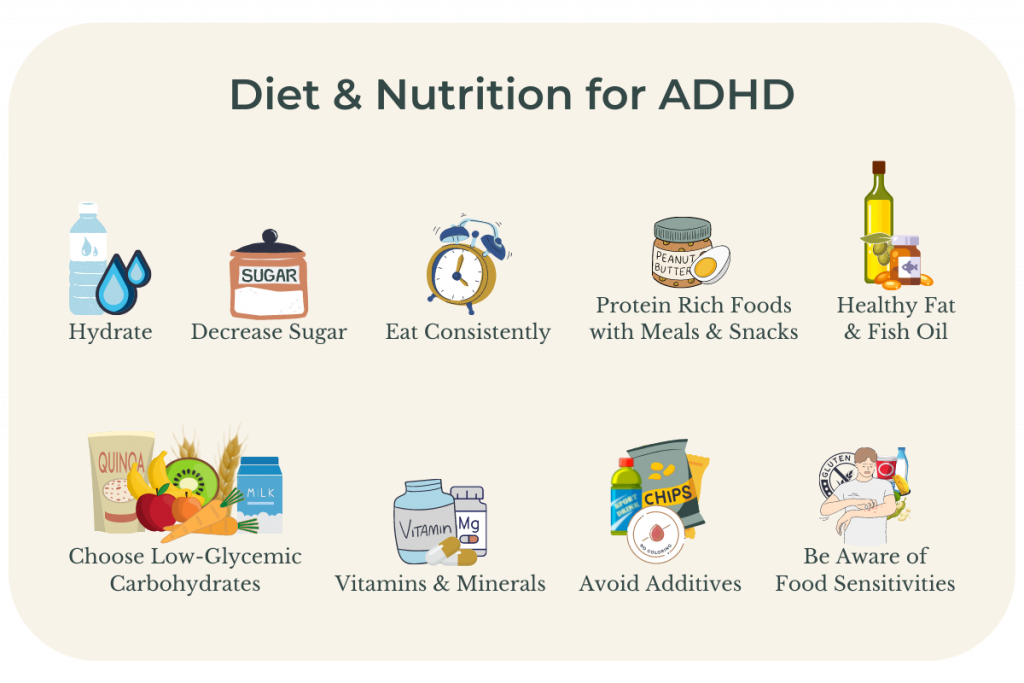
One of the most common dietary triggers for children with ADHD is sugar. Studies have shown that excessive sugar intake can cause fluctuations in blood sugar levels, leading to hyperactivity and difficulty focusing. Sugar, especially in its processed form, is a major ingredient in many snacks, soft drinks, and fast food items, all of which contribute to a high-glycemic diet that exacerbates ADHD symptoms.
Similarly, caffeine—a stimulant that can have both energizing and calming effects—has been shown to cause similar symptoms to ADHD when consumed in excess. Though caffeine may temporarily increase alertness, it can also contribute to restlessness, irritability, and difficulty sleeping, which can worsen ADHD symptoms.
The Benefits of a Whole-Foods, Plant-Based Diet
The solution, according to experts, may lie in a whole-foods, plant-based diet rich in fresh fruits, vegetables, nuts, and legumes. These foods provide essential vitamins, minerals, and antioxidants that support brain health and improve overall well-being. Unlike processed foods that contain preservatives and additives, whole foods help stabilize blood sugar levels, reduce inflammation, and promote brain function, which can be especially beneficial for children with ADHD.
Eliminating processed foods from the diet and replacing them with organic, nutrient-dense options can help reduce the severity of ADHD symptoms. This approach offers an opportunity for parents to control their child’s symptoms through natural means rather than relying solely on medications with potentially harmful side effects.
Impact of Eliminating Processed Foods on ADHD Management

As studies continue to reveal the connection between diet and ADHD, the management of the disorder may be transformed. The findings suggest that ADHD is not solely a neurological disorder but one that can be influenced and even mitigated by what children eat. Parents who are concerned about the long-term effects of ADHD medications may find relief in adjusting their child’s diet to reduce food-related triggers.
In addition to improving symptoms, a diet rich in whole foods can also support overall health, reducing the risk of comorbid conditions like obesity, heart disease, and diabetes, which are often seen in children with ADHD who consume a poor diet.
The Feingold Diet
The Feingold Diet, a well-known dietary approach for managing ADHD, remains a cornerstone in the search for natural treatments for the condition. By removing artificial additives, colors, and preservatives, the Feingold Diet has helped thousands of families manage their children’s ADHD symptoms without the use of medication. The diet encourages the consumption of organic, minimally processed foods that provide optimal nutrients for brain health.
Parents who have followed the Feingold Diet report significant improvements in their children’s behavior, including increased focus, reduced hyperactivity, and improved sleep patterns. While the diet requires careful planning and commitment, many families find it to be a worthwhile alternative to medicating their children.
The Link Between ADHD and Diet
As more studies confirm the link between food and ADHD symptoms, the way we approach ADHD treatment is poised for a paradigm shift. The traditional reliance on medication as the primary method of treatment may give way to a more holistic approach that incorporates diet, lifestyle changes, and other natural remedies. The 64% of children whose ADHD symptoms are food-related may find significant relief by focusing on their diet, making it an important part of any comprehensive ADHD treatment plan.
Conclusion
The discovery that food can be a major cause of ADHD in children offers a promising solution for many families. With 64% of ADHD cases being linked to food sensitivities, parents may have a powerful tool in their hands—diet. By eliminating processed foods, additives, and unhealthy ingredients from their children’s diets, families can see improvements in behavior, cognitive function, and overall health.
Omega-3 fatty acids, whole foods, and a plant-based diet can help manage ADHD symptoms in a way that supports children’s long-term health without the need for medication. As research continues to support the importance of diet in ADHD management, we may see a future where food plays a central role in treating this widely diagnosed disorder.