
Table of Contents
- The Power of AI in Predicting Human Evolution
- Factors Influencing Human Evolution
- The Impact of Climate Change on Future Humans
- Technological Advances and Their Role in Human Evolution
- The Appearance of Future Humans
- Genetic Engineering
- Ethical Considerations in Human Evolution
- The Intersection of Science Fiction and Reality
- The Future of Human Evolution
- Conclusion
The Power of AI in Predicting Human Evolution
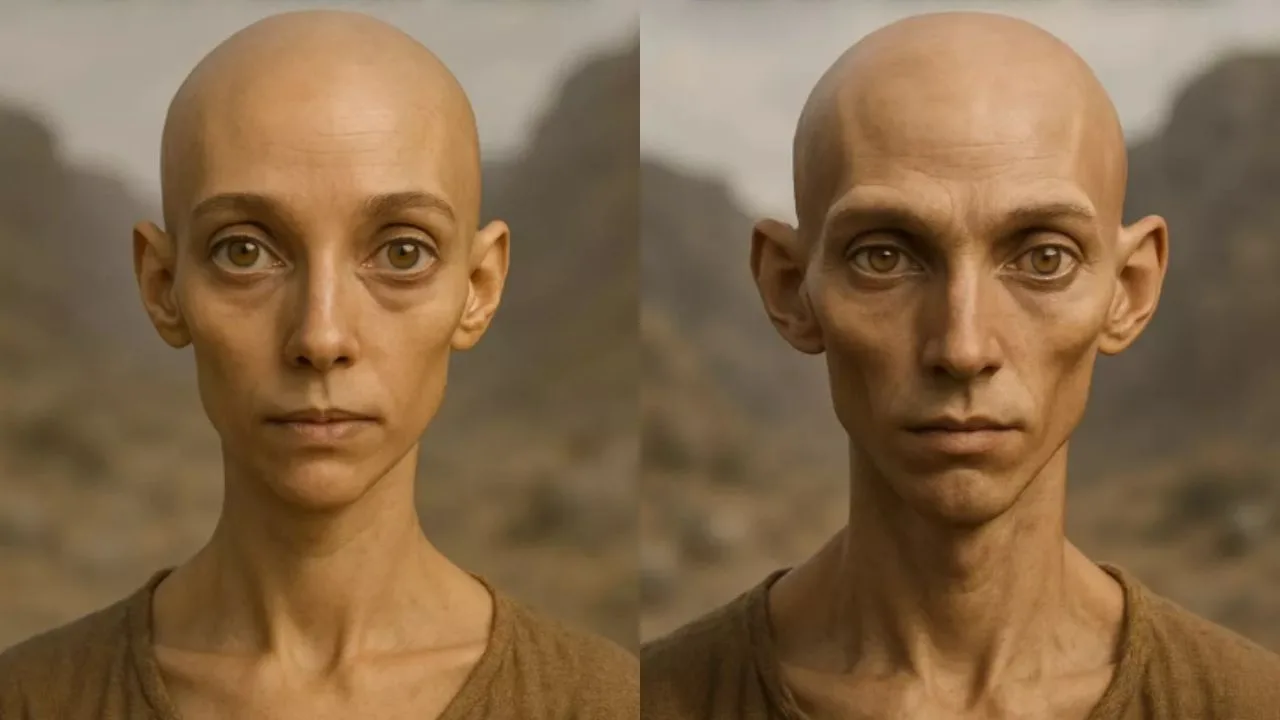
Artificial intelligence has become a powerful tool for exploring the potential future of humanity. By analyzing vast datasets, including genetic information, evolutionary trends, and environmental changes, AI can model various scenarios that predict the direction of human evolution. In this case, the AI was tasked with visualizing the human species a million years from now, considering factors such as climate change, genetic mutations, technological advancements, and societal influences. The resulting image is a stunning, if speculative, portrayal of how humanity might adapt to a vastly different world.
Factors Influencing Human Evolution
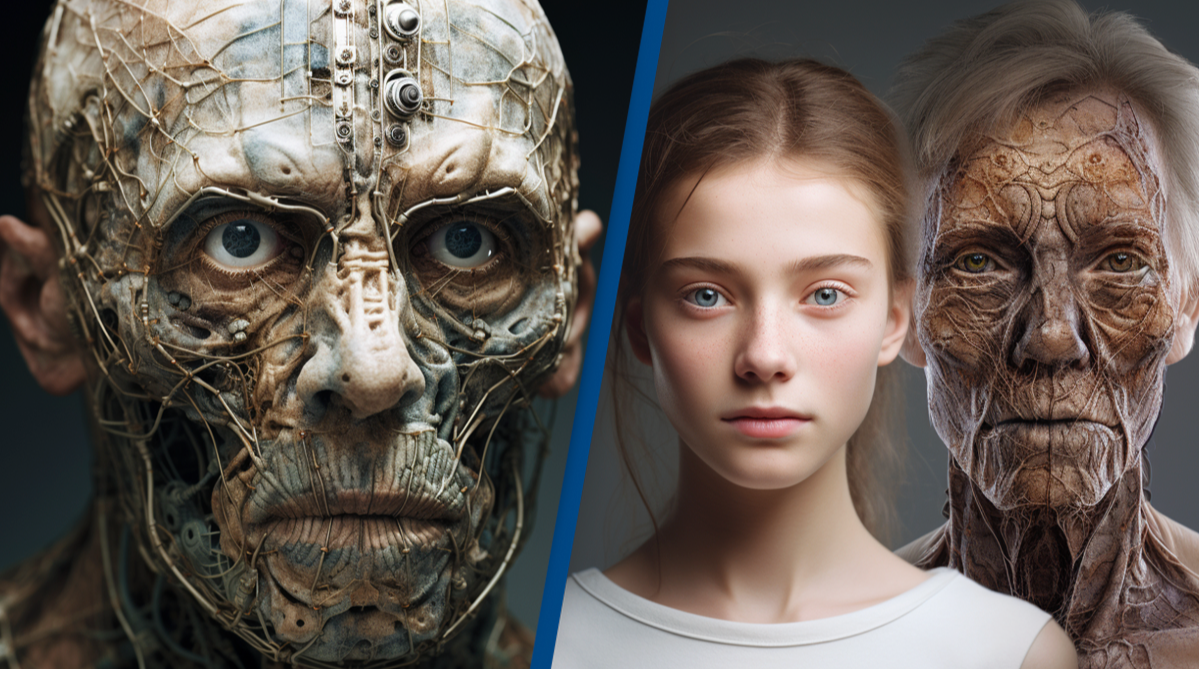
Several key factors will influence how humans evolve over the next million years. One of the primary drivers is natural selection, the process through which organisms that are better adapted to their environment are more likely to survive and reproduce. As humans continue to face environmental changes, such as shifts in climate, food availability, and diseases, our bodies will likely adapt to ensure survival. Additionally, advances in technology, particularly in genetic engineering and biotechnology, could play a significant role in shaping future generations. The use of CRISPR and other gene-editing technologies might allow humans to directly influence their own evolution, potentially accelerating the changes that the AI predicts.
The Impact of Climate Change on Future Humans
Climate change is already having a profound effect on the planet, and its long-term impact could be a major factor in human evolution. The AI model took into account the possibility of more extreme temperatures, rising sea levels, and changes in ecosystems. For instance, as the Earth becomes hotter and less hospitable, humans may develop physical characteristics that allow them to better survive in harsh environments. This could include changes in skin pigmentation, body size, and the ability to withstand extreme temperatures. Additionally, the model suggests that humans might evolve to become more resilient to diseases caused by changing climates, such as new viruses and bacteria.
Technological Advances and Their Role in Human Evolution

While natural selection and environmental factors will play a role in shaping the future of humanity, technology is expected to be a key driver of change. Advances in artificial intelligence, robotics, and biotechnology are already changing the way we live, and these technologies could drastically alter our bodies and minds in the future. The AI model predicts that humans might increasingly merge with technology, potentially enhancing physical and cognitive abilities through cybernetic implants or genetic modifications. These technological advancements could lead to a new type of human, one that is part biological and part artificial.
The Appearance of Future Humans
The AI-generated image of future humans presents a striking vision of what our species could look like after a million years. The model suggests that humans may evolve to be taller and more slender, with longer limbs and larger eyes. This could be due to changes in the Earth’s atmosphere, where increased levels of radiation might require humans to adapt by developing larger eyes for better vision. Additionally, the image shows humans with lighter skin, which could be an adaptation to more intense sunlight as the planet heats up. The AI also suggests that future humans may have smaller mouths and teeth, as our diet and lifestyle evolve with advanced technology and genetic modifications.
Genetic Engineering
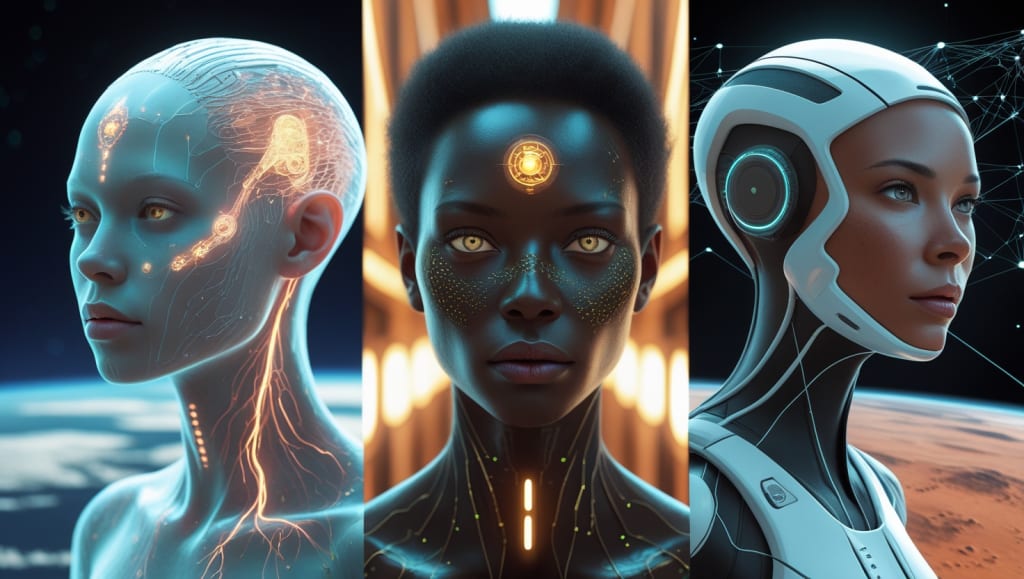
One of the most fascinating aspects of the future of humanity is the potential for genetic engineering. Technologies like CRISPR allow scientists to edit genes with unprecedented precision, opening up the possibility of controlling human evolution directly. The AI model incorporated the idea that future humans may use genetic modification to enhance desirable traits, such as intelligence, physical strength, and resistance to disease. In the future, we might see “designer babies” — humans whose genetic makeup is tailored to meet specific criteria, whether for health, appearance, or even intellectual capabilities.
Ethical Considerations in Human Evolution
As technology advances, the ethical implications of altering human evolution become more complex. The potential for genetic modification and biohacking raises important questions about who gets to decide how we evolve and what traits are considered desirable. Will we create a more homogeneous society, or will genetic engineering lead to greater inequality? Additionally, the merging of humans with machines could blur the lines between biology and technology, raising questions about what it means to be human. These are difficult questions that humanity will need to address as we move closer to a future where technology plays a central role in shaping our species.
The Intersection of Science Fiction and Reality
The idea of humans evolving over millions of years is often explored in science fiction, but the AI-generated image brings this concept closer to reality. While the predictions made by the AI are speculative, they reflect the growing understanding of human biology, technology, and the environment. The possibility of humans merging with machines, altering our genetic code, or adapting to new climates may seem like science fiction, but these ideas are increasingly becoming part of scientific discourse. The image serves as a reminder that the future of humanity is not set in stone, and that we have the power to shape our own evolution.
The Future of Human Evolution
Looking ahead, the future of human evolution raises profound questions about the direction of our species. Will we continue to evolve through natural processes, or will technology allow us to take control of our own destiny? The AI image suggests that the future could see humans who are taller, more resilient, and more integrated with technology. While this vision is far from certain, it underscores the importance of considering the long-term effects of our actions today. The choices we make in the coming years — from addressing climate change to advancing genetic technologies — will have a lasting impact on the future of humanity.
Conclusion
As we look toward the future, one thing is clear: human evolution is not a static process, but an ongoing journey that is shaped by both natural and technological forces. The AI-generated image offers a glimpse into a potential future, but it is only one possibility among many. The decisions we make today — both as individuals and as a society — will determine the course of our evolution over the next million years. Whether through natural adaptation or technological enhancement, humanity will continue to evolve, and the future of our species is only just beginning to unfold.